
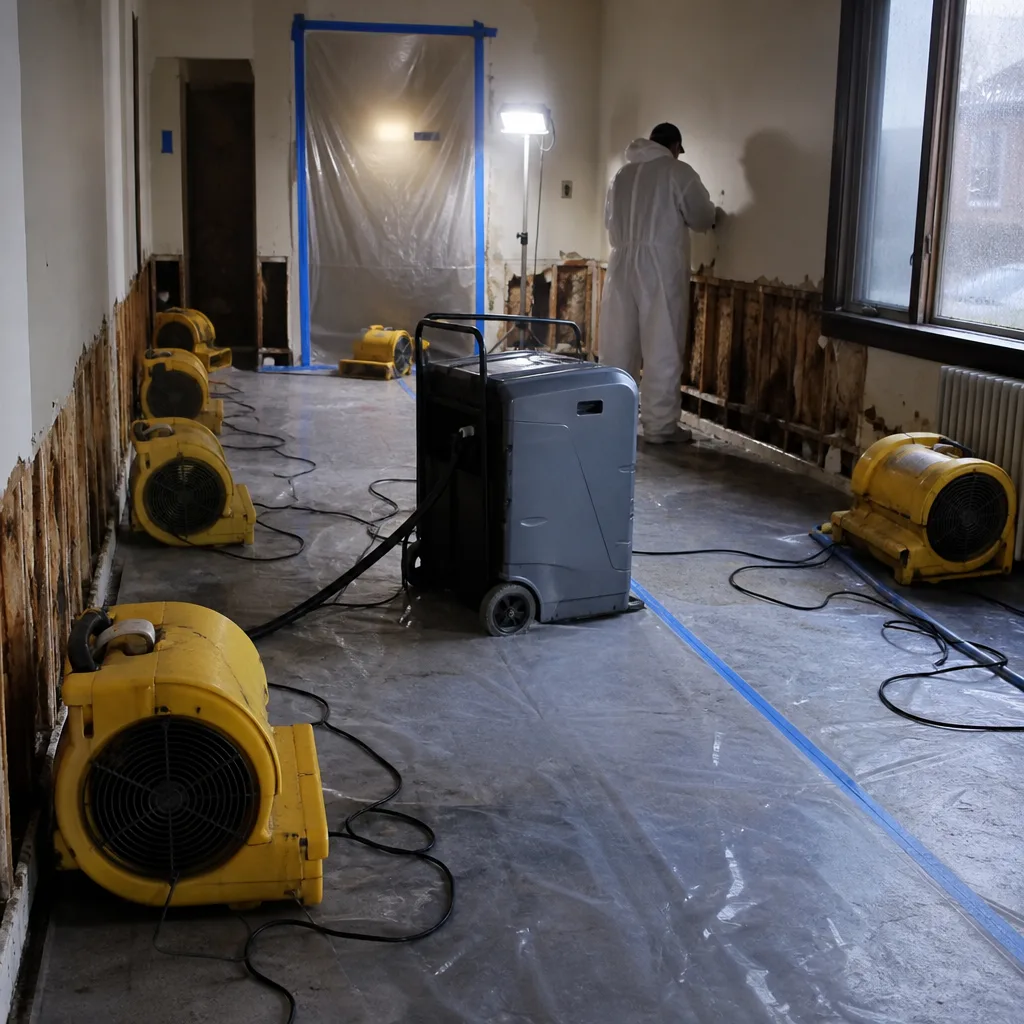
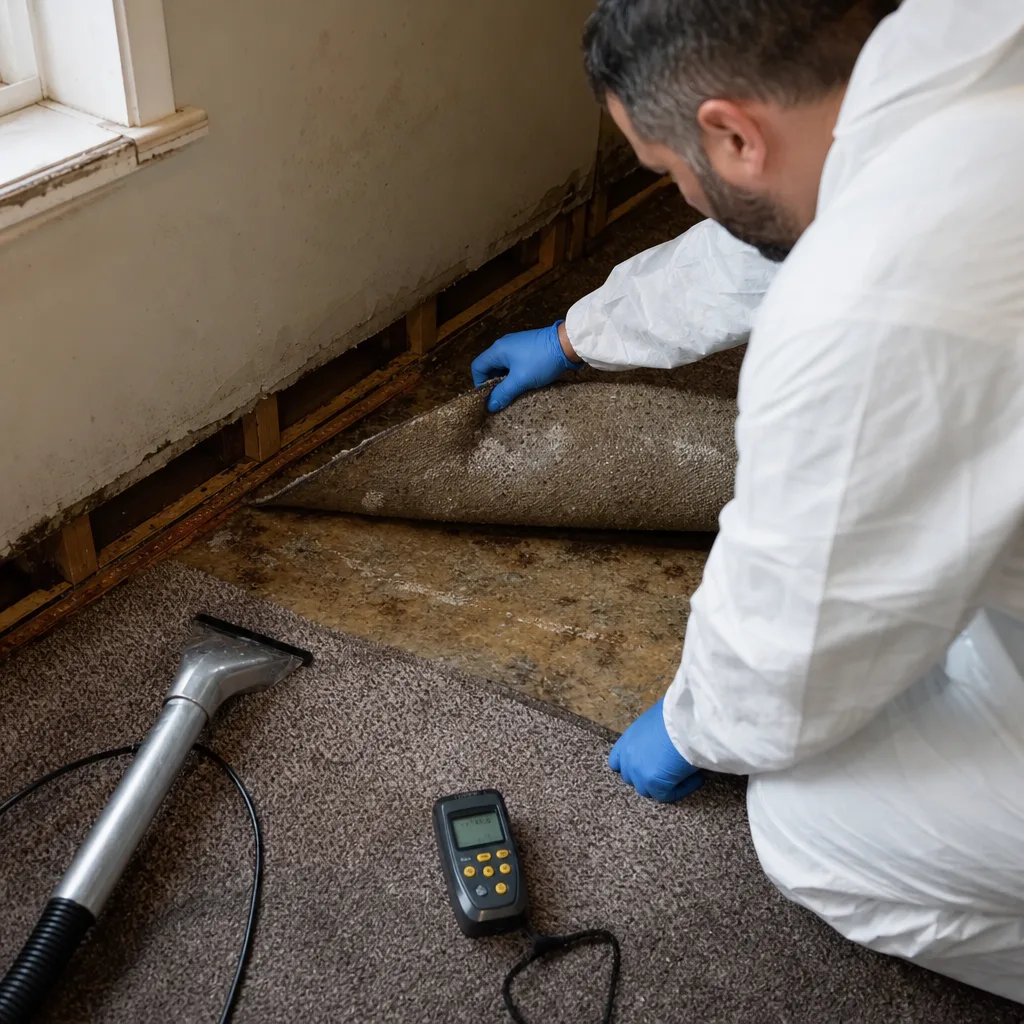
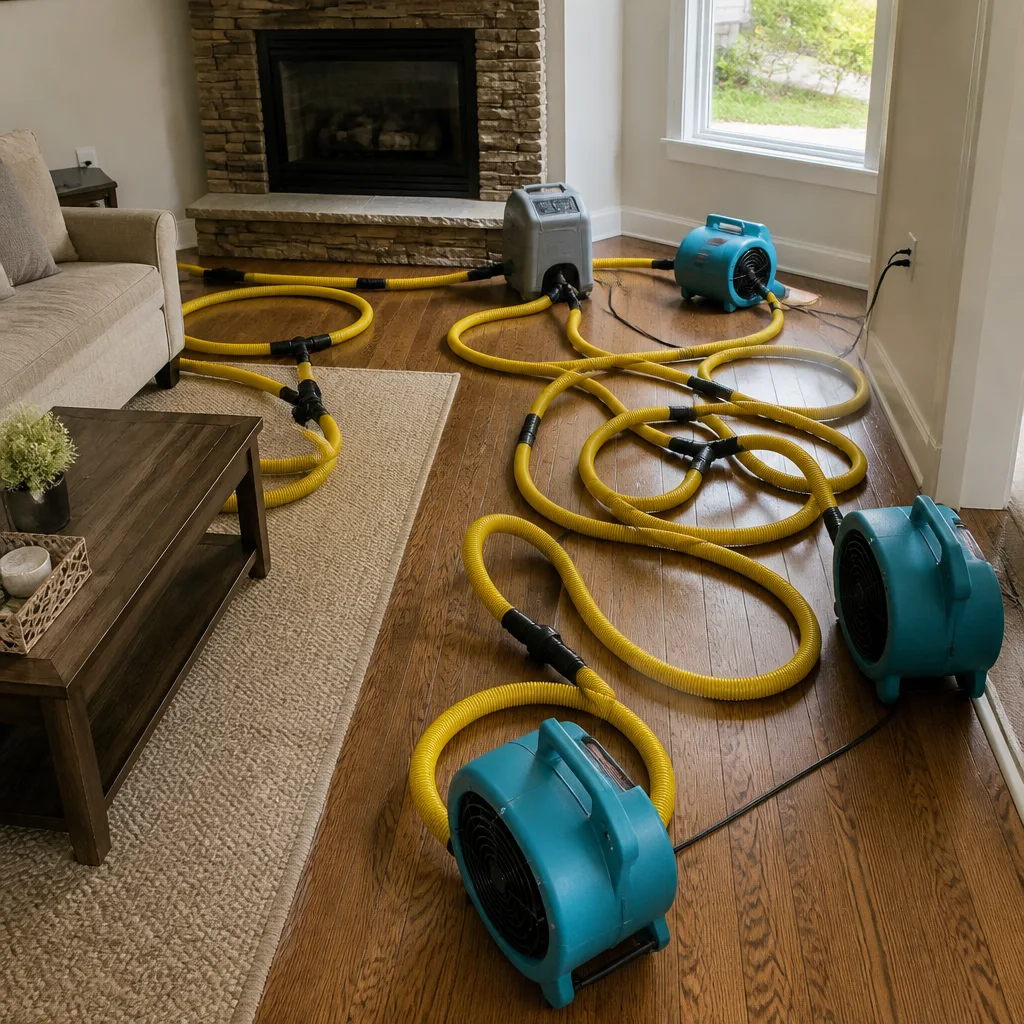
 Water damage drying
 Fire & smoke cleanup
 Mold remediation
 Storm response
 Sewage cleanup
 Reconstruction
Free visual inspection and a written scope of work before any mitigation begins - photos, moisture readings, and drying logs go in your claim file
The scope we write is the scope we bill. Anything new gets shown to you, in writing, before we touch it.
Get your free estimateFast, Reliable Water Damage Restoration Across Albertson
Water damage in Albertson rarely announces itself politely. It shows up as a soaked carpet pad in a finished basement on Willis Avenue, a ceiling stain spreading under a second-floor bathroom, or a sump pump that quietly gave out during the last nor’easter. Our crews live in and around this community, and we know the homes here: split-levels and colonials from the 1950s, 1960s, and 1970s, many still carrying original plumbing that was never designed to last this long. If you’re standing in water right now, call (607) 600-9946. We answer with a live person, any hour, any day. If you just want a straight answer about what restoration costs in Albertson before you commit to anything, keep reading. That’s what this page is for.
Why Tidemark Water Damage Queens Is Albertson’s Preferred Water Damage Restoration Company
Albertson homeowners tend to ask the same question before anyone touches a valve or moves a piece of furniture: “What will this cost, and what does the crew do to my floors?” We answer both before work starts. Every job gets a written price delivered up front, and every truck arrives with shoe covers and drop cloths already loaded. Shoe covers go on at the door. Drop cloths cover the floor before the first piece of Dri-Eaz equipment comes in. That’s not an upgrade. It’s the standard, and it matters when you have kids, a dog, and a living room you’d rather not turn into a staging area.
Our technicians are background-checked, uniformed, and credentialed through IICRC, RIA, and IFA. Rick Sumner, who leads our team, has built the crew around one habit: find the tide mark. A tide mark is the line water leaves on a wall, and it tells us exactly where the water traveled, even when the visible mess looks small. We dry past that line, not just to it. It’s the reason our Water Damage Restoration team spends more time on moisture mapping than on hauling fans around. And when the job is done, we photograph the clean-up and share it with you before the crew leaves, so you see exactly what was done and how the space was left. Every job, from a small supply line leak to a full basement flood, is covered by the 365-Day Done Right Promise. If something isn’t done right, we make it right.
Restoration work we handle
Flooded Basement in Albertson
A Flooded Basement in Albertson is rarely just rainwater. In homes built between 1950 and 1970, the slab often sits over original cast-iron drain lines that have spent six or seven decades rusting from the inside. When a nor’easter dumps several inches of rain and the sump pump can’t keep up, the water on the floor may be Category 1 clean water. But if the cast-iron line cracks or a joint lets go under the slab, that same flood becomes Category 3 sewage water. That changes everything about what gets removed, what gets dried, and what gets replaced. We identify which situation you’re in before we touch anything, because the answer decides whether carpet and drywall can be saved or must be cut out.
Reading the Water Before We Move It
Our first step is testing the water category, because a “clean” flood that has been soaking a carpet pad for 12 hours is already growing bacteria. In Albertson basements with older drain lines, we also run a camera scope when there’s any hint of sewage odor or backup. A crack in a cast-iron drain line under the slab can let Category 3 water into the same space as clean rainwater, and no homeowner wants to find that out after the drywall is already half-rebuilt.
Finished Basements Need More Than Fans
A finished basement flood in an Albertson split-level means water wicks up drywall, soaks the carpet pad, and hides behind baseboards. Homeowner-grade fans and a rented extractor won’t pull moisture from wall cavities or the bottom two feet of drywall. That’s where mold starts, often weeks after the floor feels dry. We run Dri-Eaz air movers and Phoenix dehumidifiers with moisture meters, and we don’t call it dry until the metering says the entire structure is back to baseline. A typical fully involved finished basement flood in Albertson runs $2,800 to $6,500 depending on how far water traveled and whether the drain line failed.
Water Extraction in Albertson
Water Extraction in Albertson almost always begins with the same problem: water has traveled farther than you can see. A pinhole leak in a galvanized supply pipe behind a finished basement wall might drip for weeks before the drywall blisters and you notice. By then the cavity is wet, the studs are wet, and mold has a head start. Extraction means removing standing water fast, then finding every wet surface the water touched, not just the spot where it pooled. Our technicians use moisture meters and thermal imaging to map the full path of the water before we set a single piece of equipment.
What We Pull, What We Keep
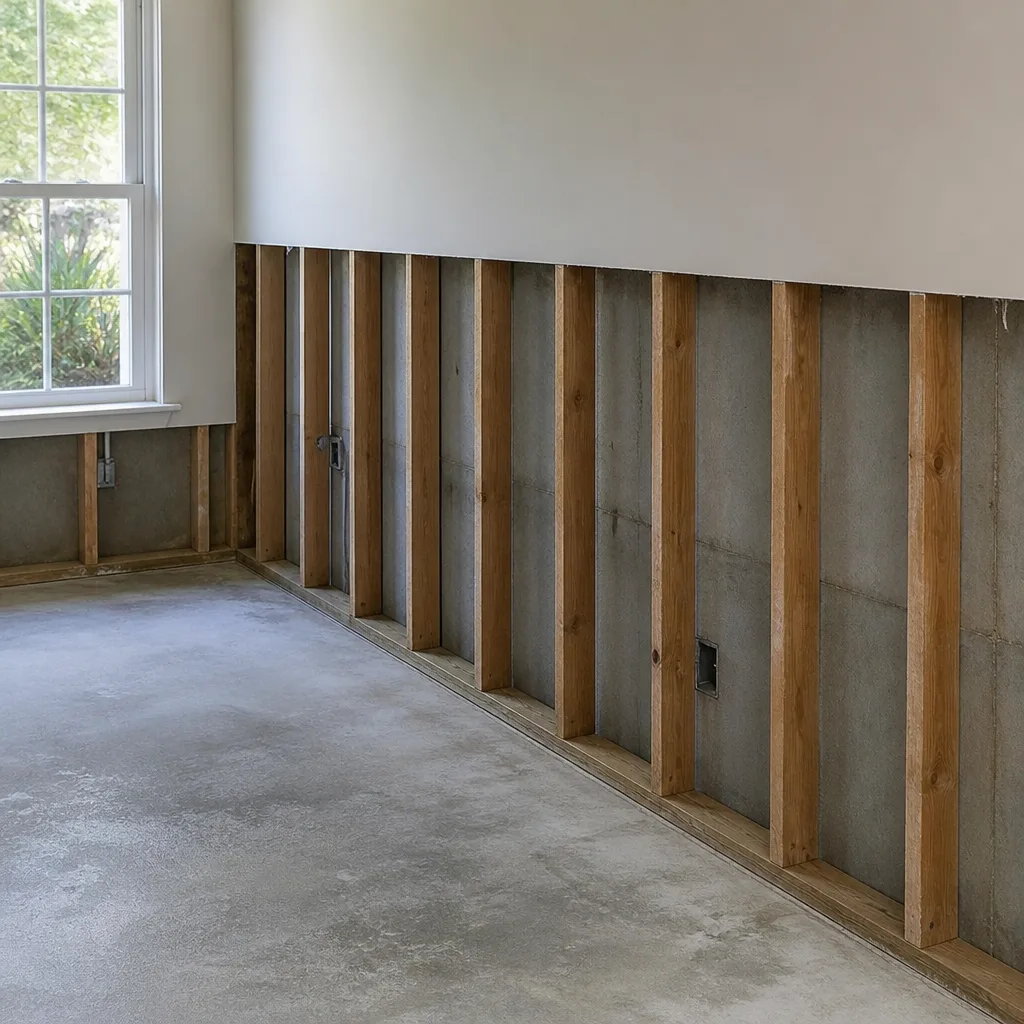
Pad, carpet, and baseboards are usually the first casualties. Often we can save the top layer of carpet if the pad underneath is sacrificed and the carpet is dried properly. Drywall below the waterline, wet insulation, and anything with sewage contact come out. In an Albertson mid-century basement where asbestos floor tile is common, we identify potential ACM tile and follow containment protocols rather than ripping it up without warning.
Drying Past the Tide Mark
The visible stain is never the full story. We place Dri-Eaz dehumidifiers and air movers based on the moisture map, not the standing water line. In Albertson homes without proper vapor barriers under the slab, groundwater intrusion during storms wets the concrete itself, and that means the drying chamber has to run longer than it would in a newer build. Expect full structural drying on a serious basement extraction to take four to seven days, with daily monitoring until the meters read dry.
Trusted Brands We Service in Albertson
Most Albertson homes we work in have a mix of plumbing generations: galvanized supply lines from the original build, copper repaired in the 1980s, PEX from a more recent remodel, and cast-iron drains that predate all of it. We don’t service the pipes themselves, but we work alongside your plumber during mitigation and we know what each pipe failure pattern looks like. For drying, we run Dri-Eaz air movers and dehumidifiers, plus Injectidry systems for wall cavities and hard-to-reach spaces. For moisture documentation, we use thermal imaging and penetrating moisture meters. When you call us for Water Damage Restoration in Albertson, you get equipment that’s professional grade, not rental-counter grade, and a tech who knows how to read your specific house.
Common Water Damage Restoration Problems We See in Albertson Homes
- Rusted cast-iron drain lines under the slab. Six decades of corrosion weakens the pipe walls, and heavy rain adds hydraulic pressure that finishes the job. A sump pump failure plus a cracked drain line turns one problem into two, and the water is often carrying sewage when it shows up on the floor.
- Pinhole leaks in original galvanized supply pipes. Behind finished basement walls, a pinhole leak can run for weeks undetected. The first sign is usually a musty smell or a soft spot in the drywall, and by then mold has already started inside the wall cavity.
- No vapor barrier under the basement slab. Albertson homes from the 1950s and 1960s frequently lack the under-slab vapor barriers standard in newer construction. During a nor’easter, groundwater rises through the slab and wets carpet and pad from underneath, which a homeowner-grade extractor can’t touch.
- Sump pump systems past their service life. The original sump pit and pump in many Albertson homes date back decades. A pump that manages a light rain may fail entirely during a nor’easter, and by the time a homeowner notices, the basement already has two inches of water in it.
See the difference
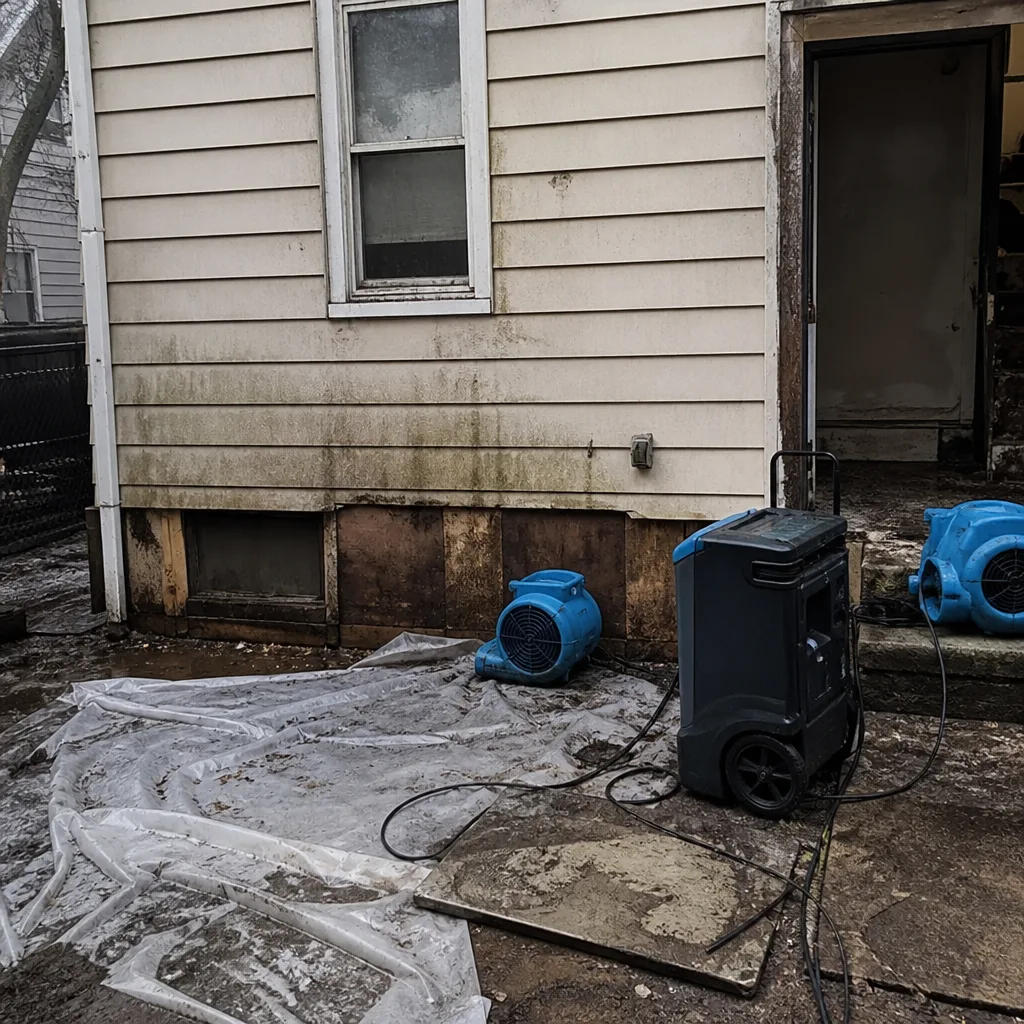 Before
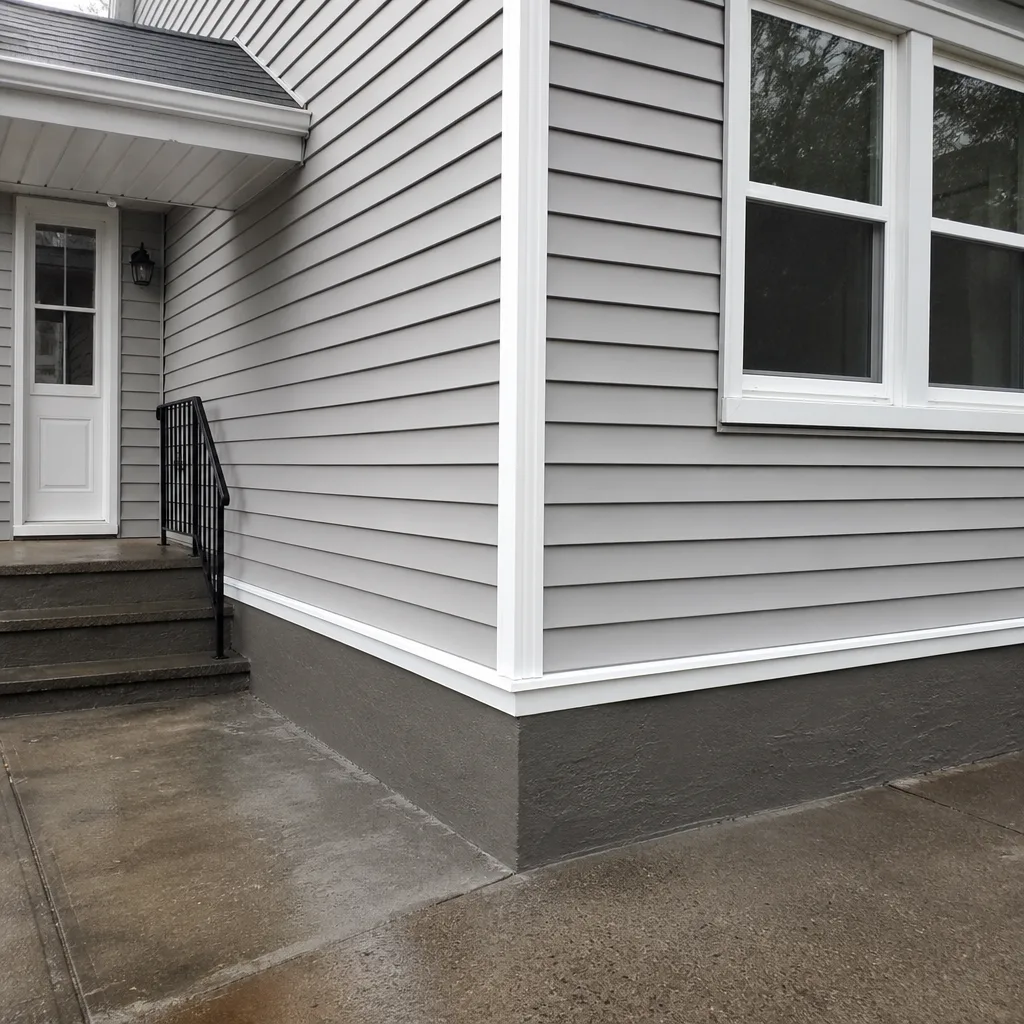 After
After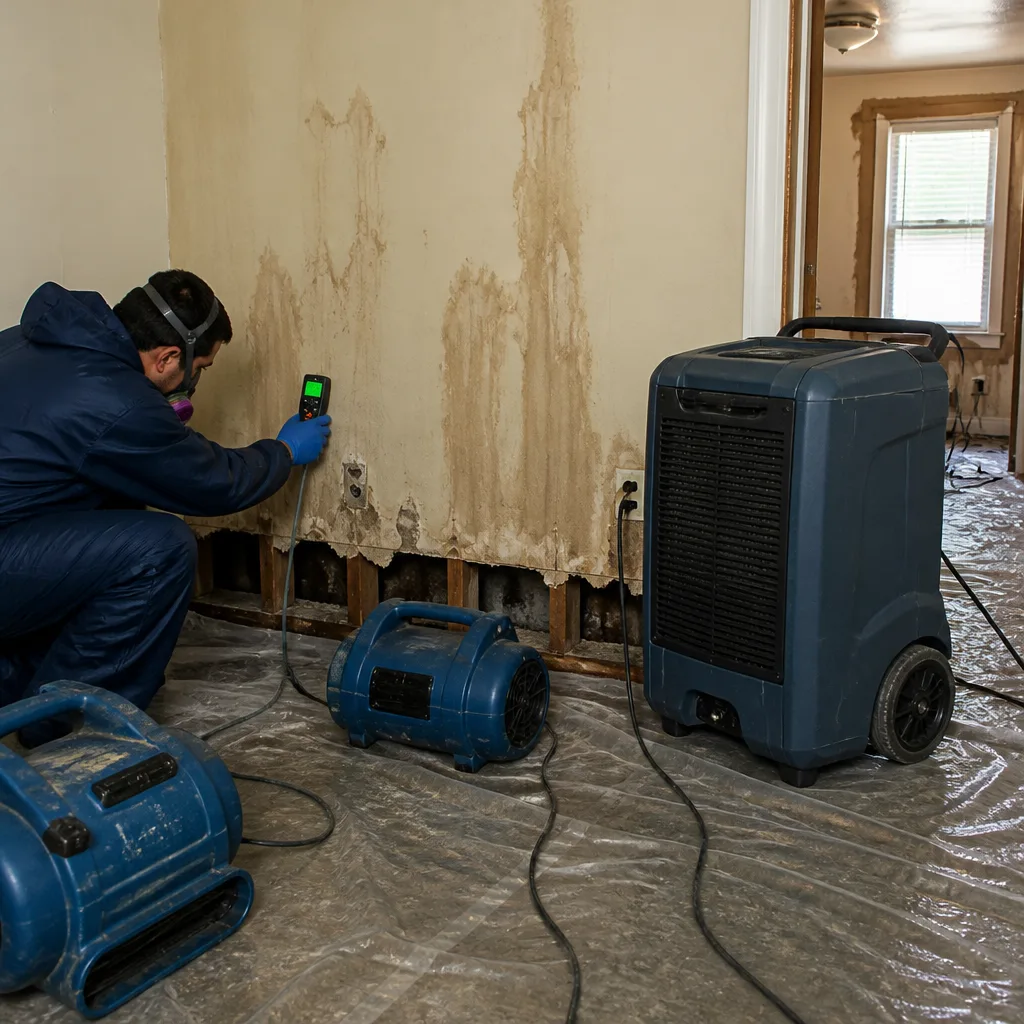 Before
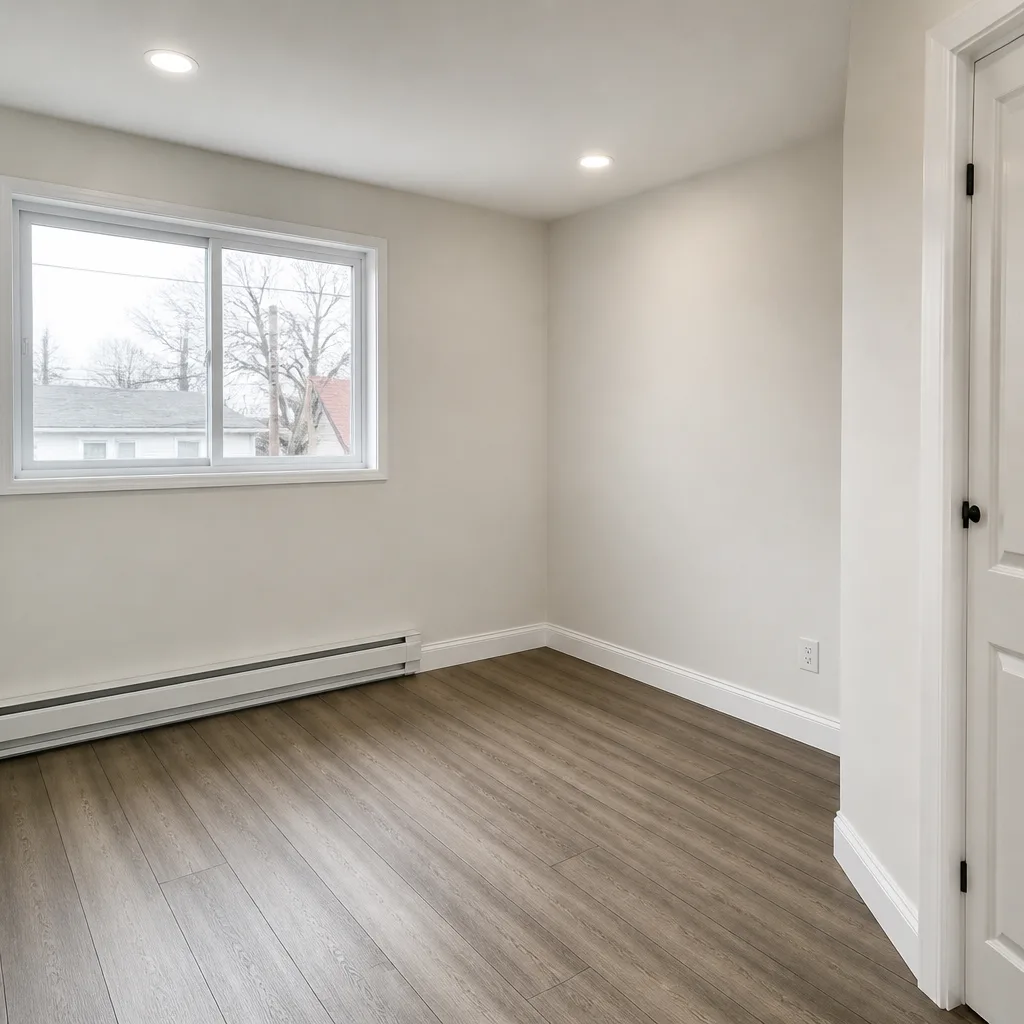 After
After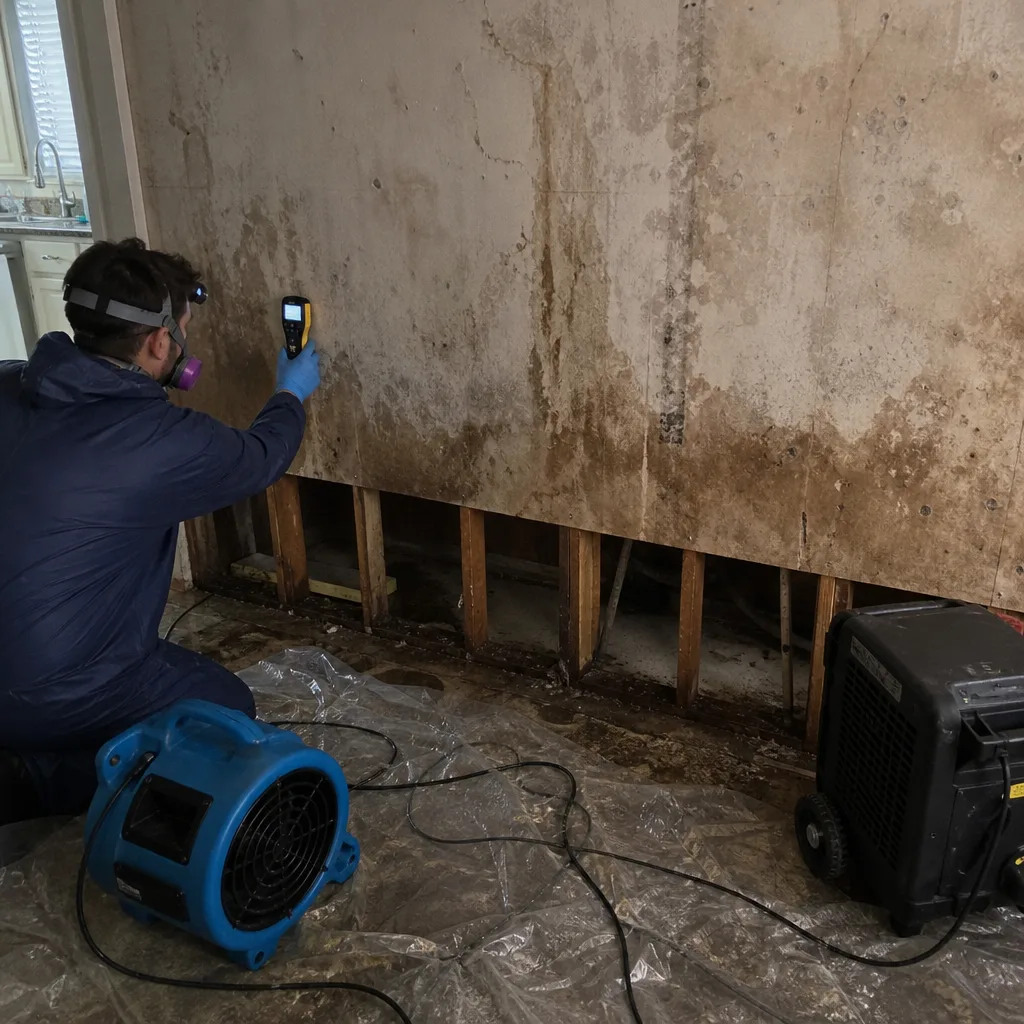 Before
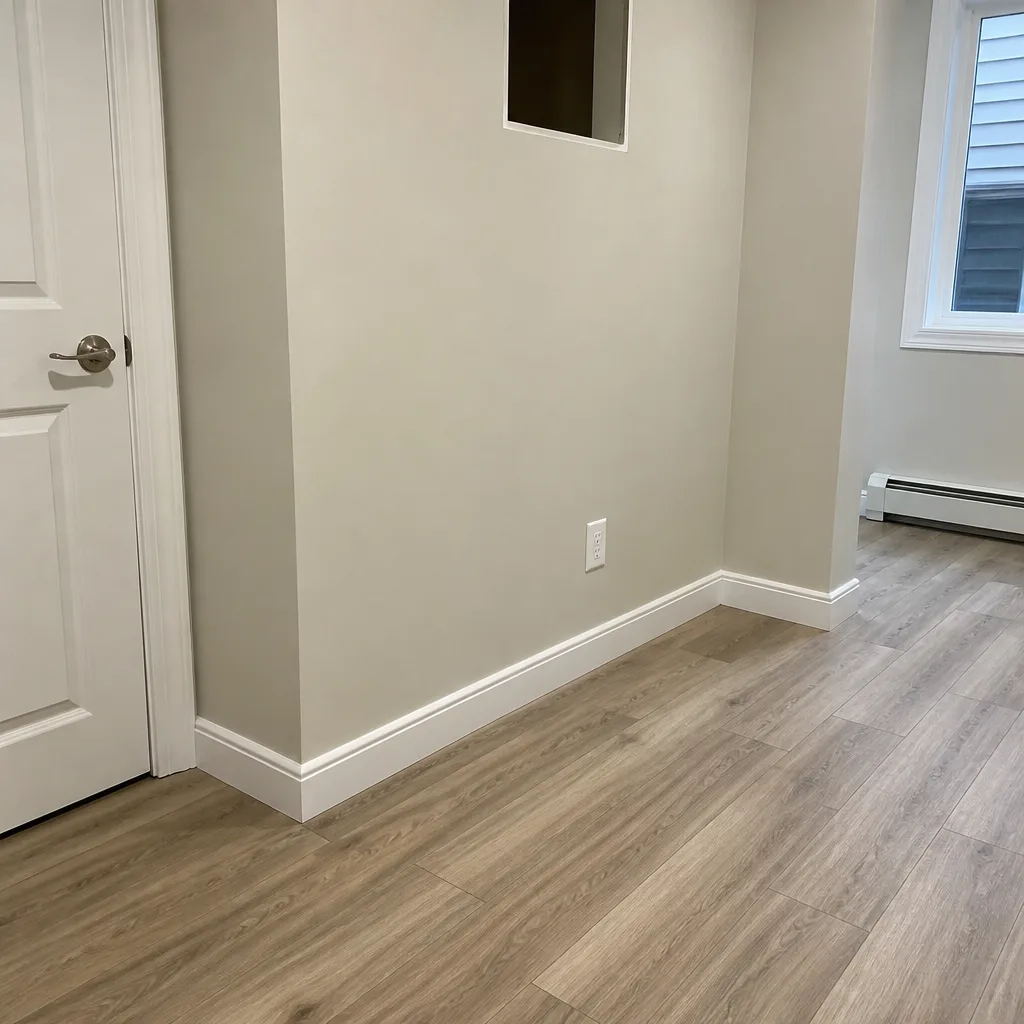 After
AfterPricing for Water Damage Restoration in Albertson, NY
We Also Serve Cities Near Albertson
Our crews regularly work in Albertson and the surrounding north shore communities, and we know the housing stock in each of them. From Williston Park to Roslyn Heights, from Manhasset to New Hyde Park, the pattern repeats: mid-century construction, original plumbing reaching end of life, and basements that flood when the power goes out or the sky opens up. If you’re a few minutes outside Albertson, the same team can reach you just as fast. Call (607) 600-9946 and we’ll tell you how quickly we can be there.
Serving Albertson, NY - Our Local Coverage Area
We’re based in the Albertson area and know this community well. Use the map below to see our service coverage - if you’re nearby, we can almost certainly help.
FAQs About Water Damage Restoration in Albertson
The sump pump isn’t your only drainage path, and in many Albertson homes it’s not the weakest one either. The original cast-iron drain lines under the slab are often partially collapsed or rusted through, which means rain-saturated soil forces groundwater up through cracks in the slab faster than the pump can discharge it. Water then enters under the slab, not through the walls, so the pump runs nonstop and the floor still gets wet. You may also have a groundwater intrusion issue from the lack of an under-slab vapor barrier. The fix often involves a stronger pump, a battery backup, and sealing or replacing the old drain lines. We scope the drain during mitigation so you know which failure you actually have. If you’re not sure, call us and we’ll test it.
No, not if the water touched drywall, baseboards, or anything with a pad underneath. Fans move air across surfaces, but they don’t pull moisture out of wall cavities or from underneath the subfloor. In a finished Albertson basement, clean rainwater saturates the carpet pad and wicks up the drywall within hours. A homeowner-grade fan dries the top layer and leaves the rest damp, and that’s where mold starts, usually inside the wall where you can’t see it. Professional drying in that same space takes four to seven days with dehumidifiers and air movers running continuously. The cost of a proper dry-out is less than the cost of mold remediation plus rebuild later. Call (607) 600-9946 and we’ll give you a straight number for your square footage.
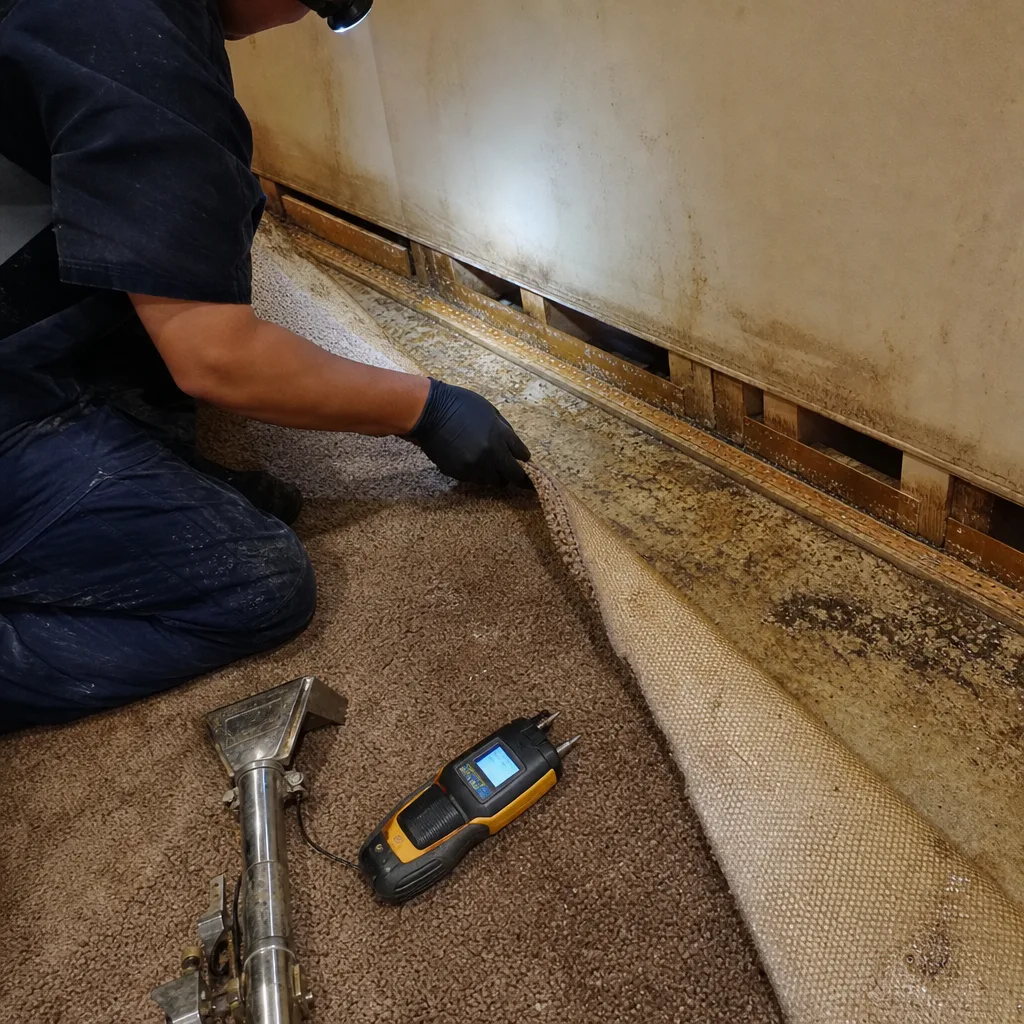
You usually don’t know, not until the drywall blisters, the baseboard swells, or a musty smell appears. Galvanized pipes develop pinhole leaks from the inside out, and a wall cavity can hold a slow drip for weeks before it’s visible. The signs we check for are soft drywall, peeling paint, rust-colored stains on walls or ceilings, a drop in water pressure, and a persistent musty odor that doesn’t leave. We use thermal imaging and penetrating moisture meters to find the wet area without ripping open every wall in the basement. If you suspect a leak, call us. We can run a moisture scan and tell you if there’s water in your walls in under an hour.
Yes, significantly. If the cast-iron drain line failed and sewage is mixed with the floodwater, the water is Category 3, and that changes everything we handle. Carpet, pad, baseboards, lower drywall, and any porous material the water touched must be removed and disposed of, not dried. The slab and studs then need to be cleaned and disinfected before drying starts. If the water is clean rainwater from sump pump failure, we can often dry carpet in place and save more materials. That’s why we test the water category before we remove anything, and why we camera-scope the drain if there’s any question about the line. It can mean the difference between a three-day dry-out and a full basement gut.
Plan on four to seven days for a typical fully involved basement flood, possibly longer if the slab itself is saturated or the drain line failed. We don’t release the space for rebuild until moisture meters read dry across every surface, including inside wall cavities and under the slab where we’ve placed drying mats. Rushing that step is how Albertson homeowners end up with mold inside new drywall. During the drying period, we check readings daily, adjust equipment placement as the moisture map shifts, and keep you updated on progress. If you’d like a realistic timeline for your specific house, call (607) 600-9946 and describe what you’re seeing. Estimates are free and there’s no pressure to book.
Call Tidemark Water Damage Queens for Water Damage Restoration in Albertson
If water is where it shouldn’t be in your Albertson home, don’t wait until morning to find out how far it’s traveled. Call (607) 600-9946 and you’ll reach a live person, 24/7, not a voicemail. We’ll walk you through what to do in the next hour, give you a straight answer on cost, and dispatch a crew if the situation calls for it. Our team arrives with shoe covers, drop cloths, written pricing, and the drying equipment that belongs in your house. Shoe covers go on at the door. Drop cloths cover the floor before the first machine comes in. And before we leave, you’ll have a photo of exactly what we did and how we left it. Rick Sumner and the crew are ready when you are.
Written by Rick Sumner, Owner at Tidemark Water Damage Queens, serving Albertson and surrounding north shore communities.