
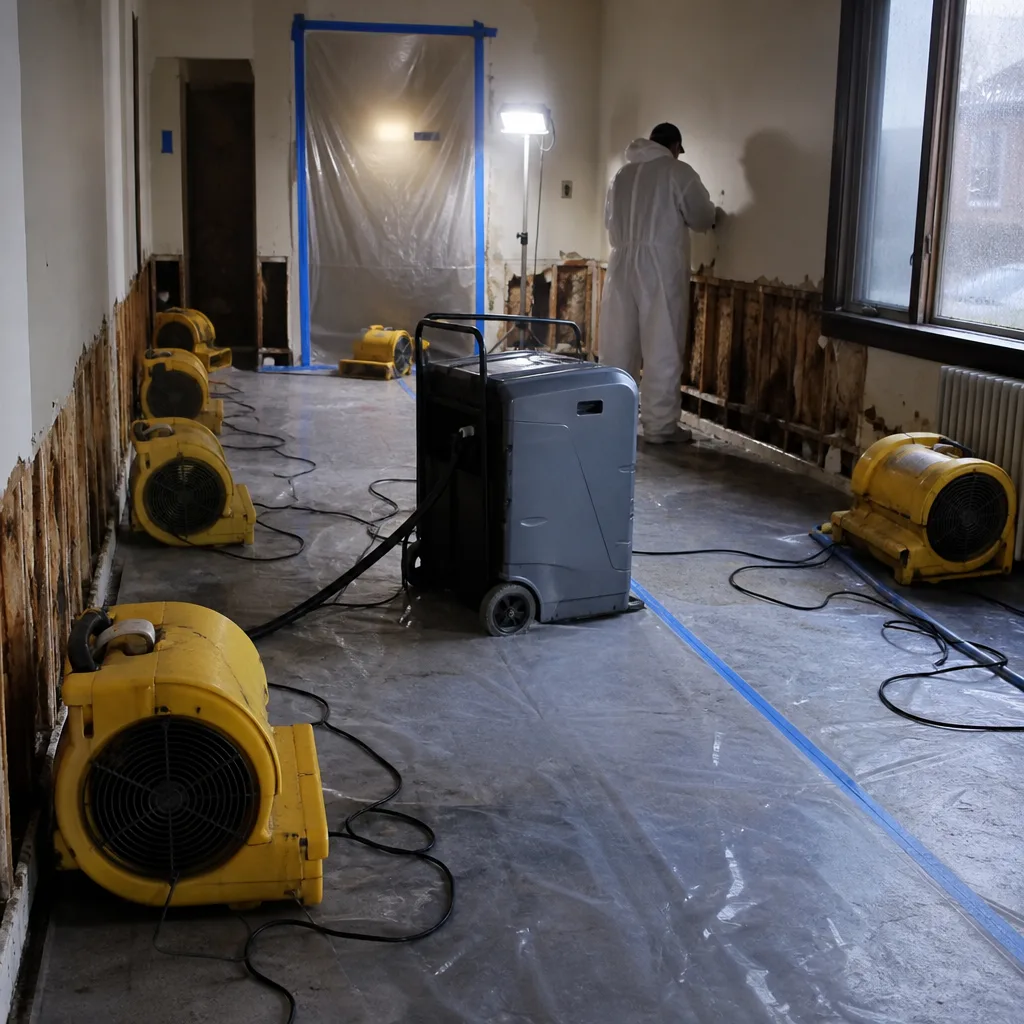
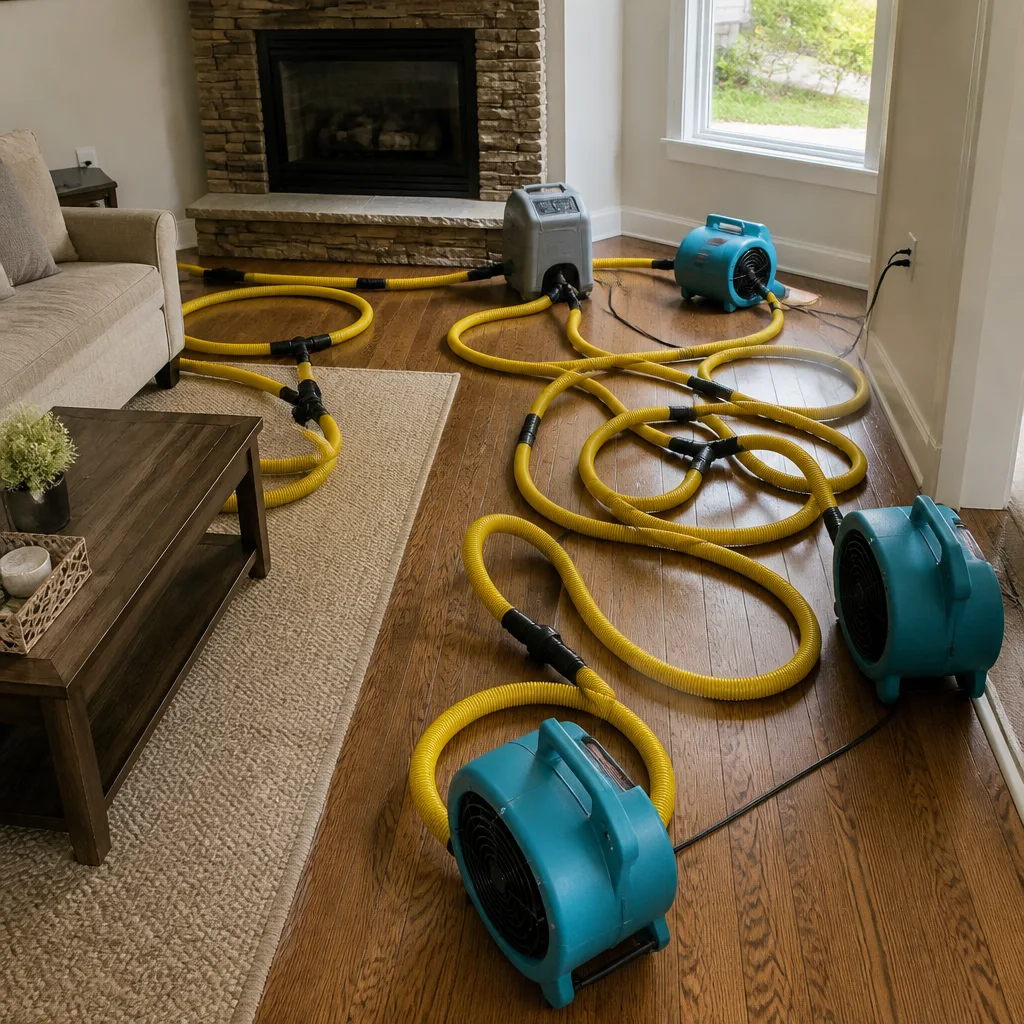
 Water damage drying
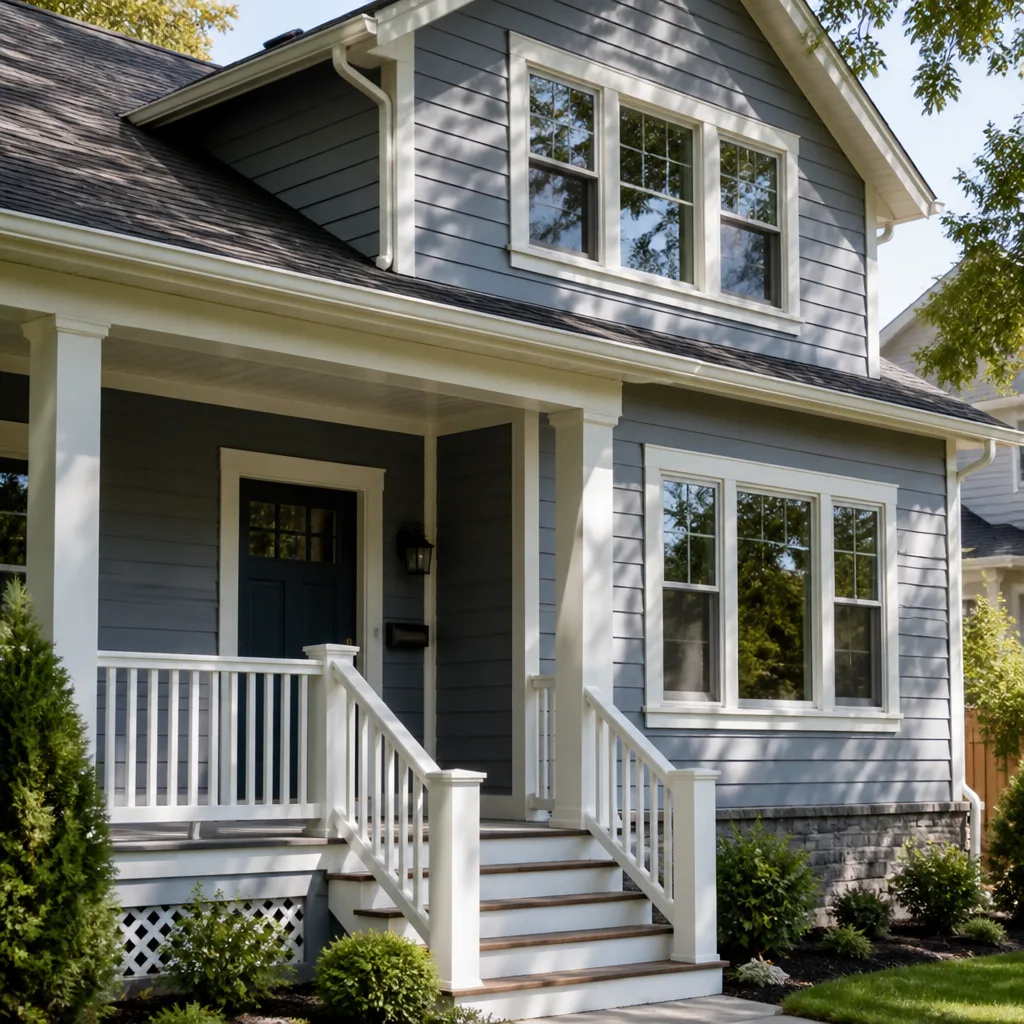 Fire & smoke cleanup
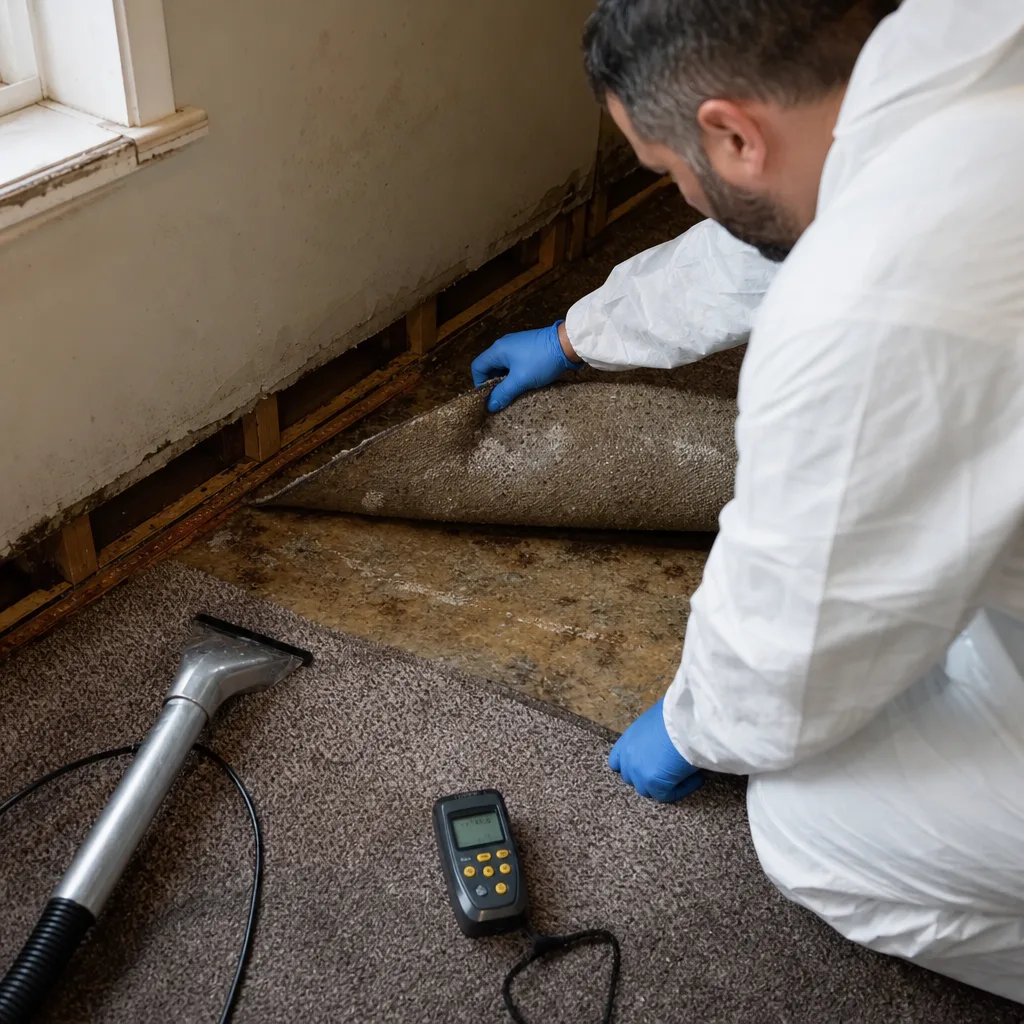
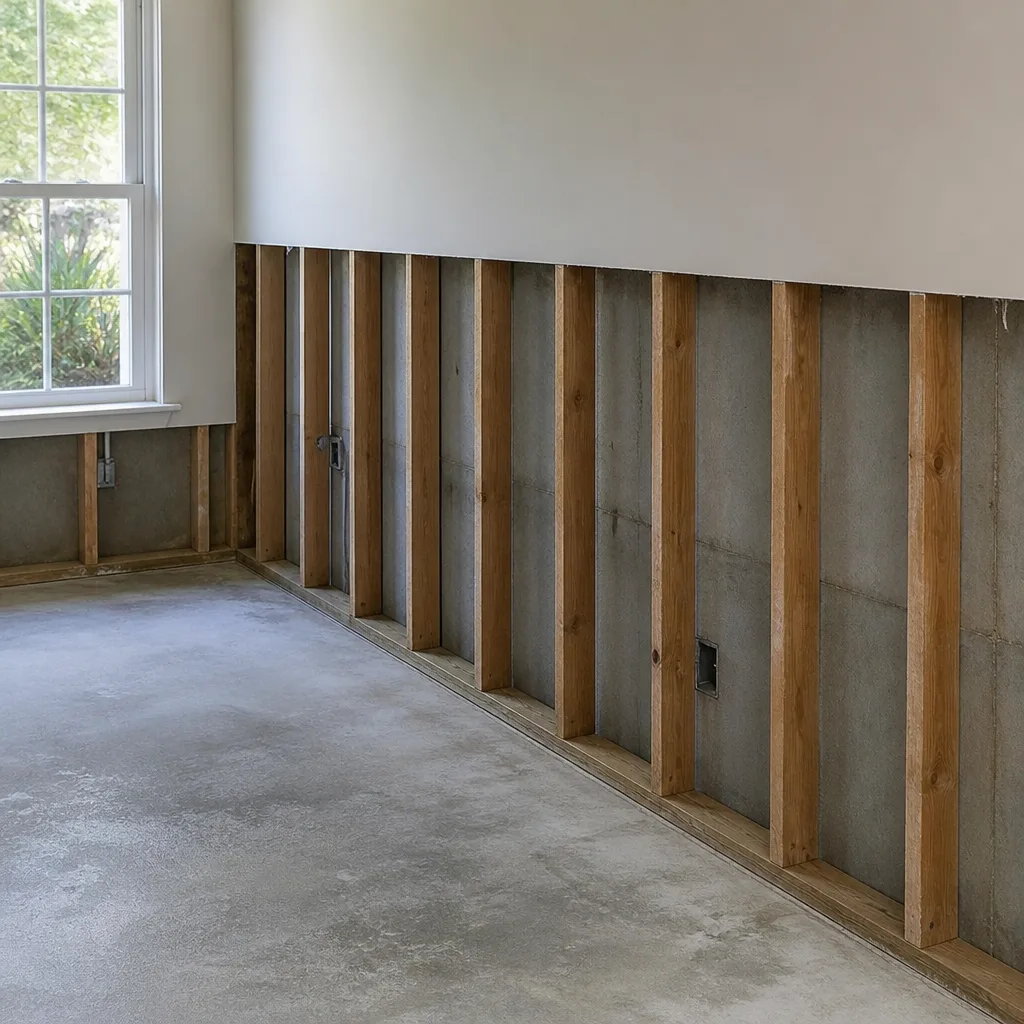 Mold remediation
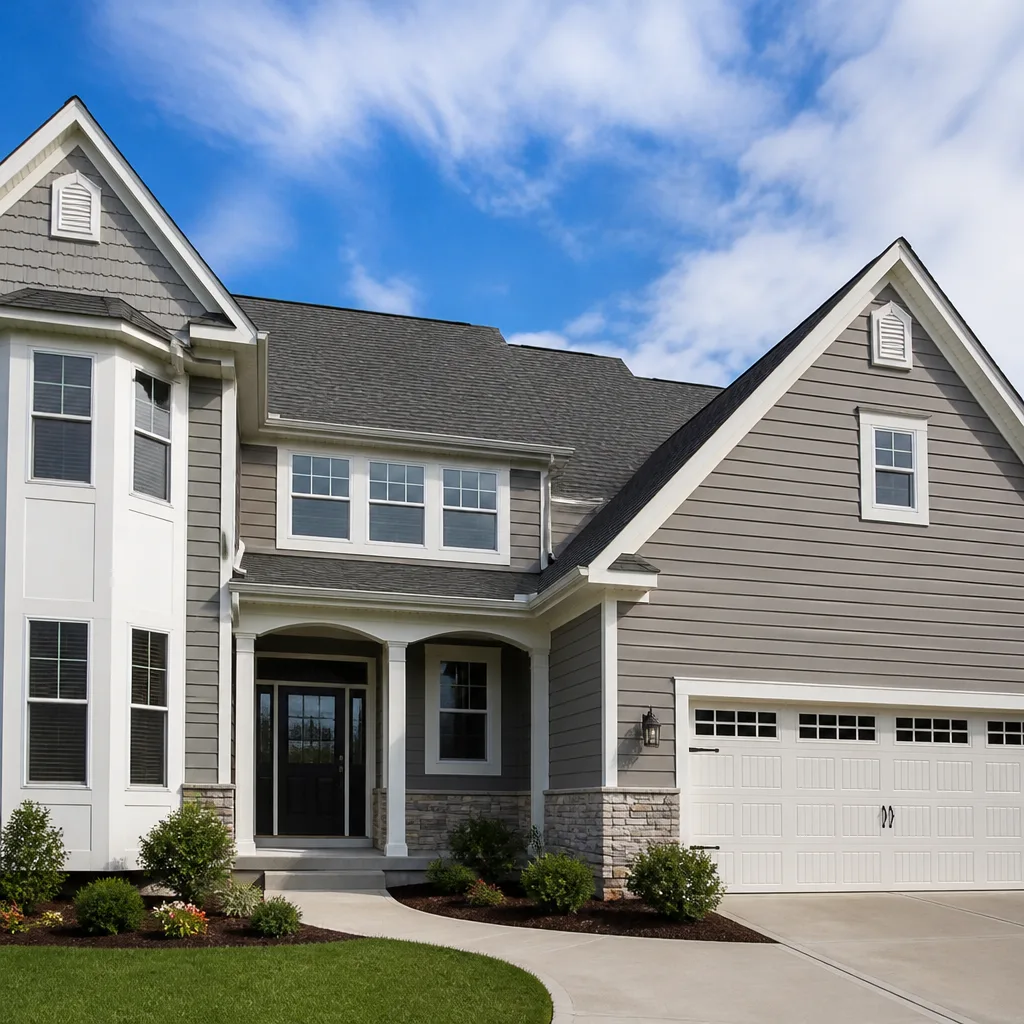 Storm response
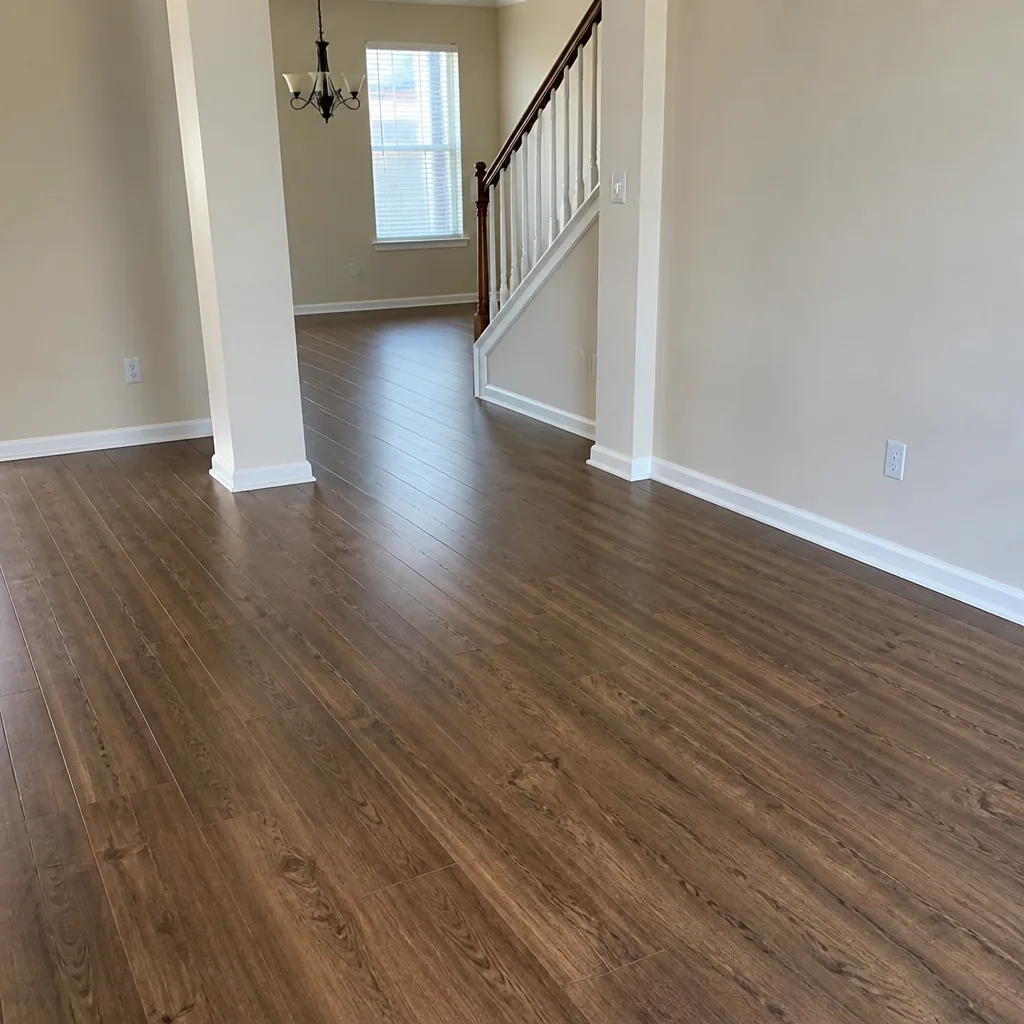 Sewage cleanup
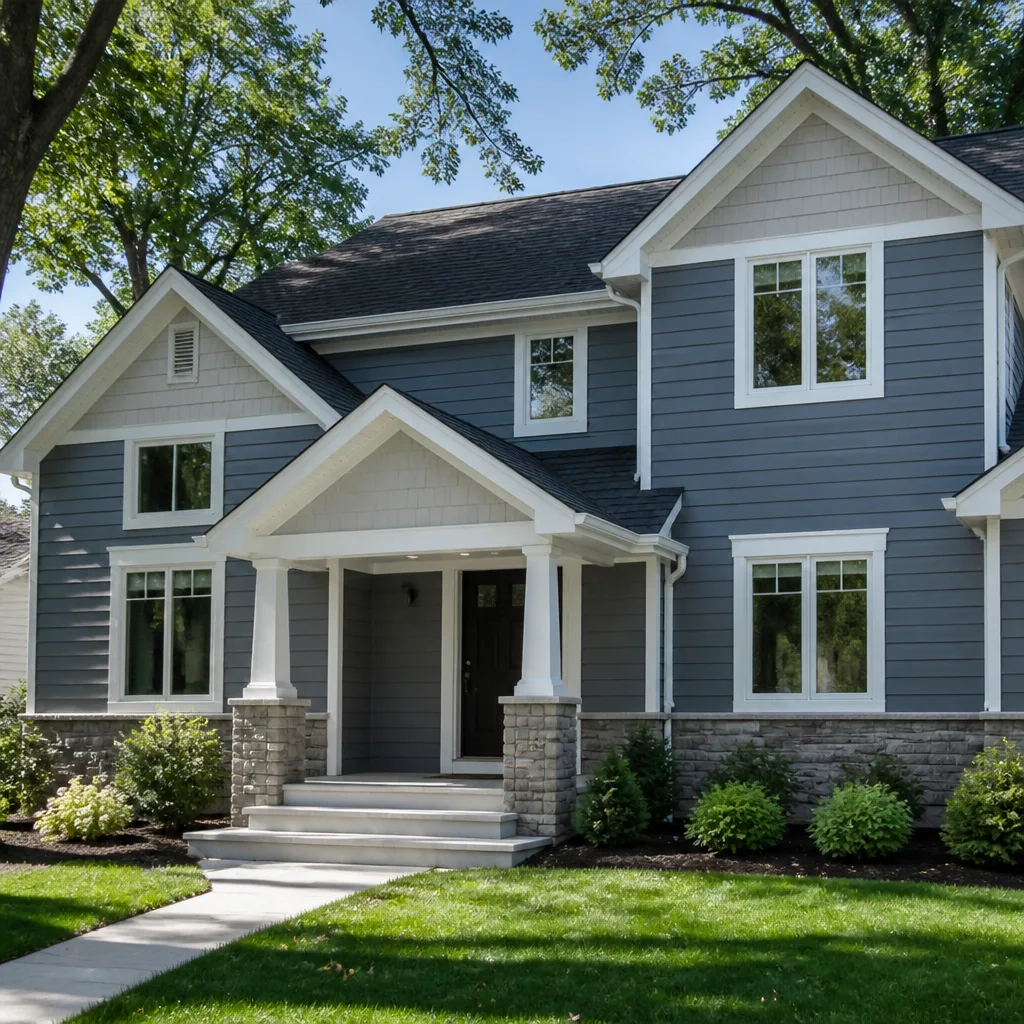 Reconstruction
Free visual inspection and a written scope of work before any mitigation begins - photos, moisture readings, and drying logs go in your claim file
The scope we write is the scope we bill. Anything new gets shown to you, in writing, before we touch it.
Get your free estimateFast, Reliable Water Damage Restoration Across New York
Water damage restoration in New York typically costs between $1,800 and $6,500 for a standard basement or apartment-level loss, with emergency extraction starting around $450 – $900 for the first room. Most jobs in a prewar brownstone or postwar high-rise take three to six days of active drying. We know those numbers matter because we walk into flooded basements in Queens, Brooklyn, and Manhattan every week. If water is rising or already across your floor, call (607) 600-9946 now. A live person answers, day or night. We’ll get a crew to your building fast and put a written price in your hand before any equipment comes off the truck.
Why Tidemark Water Damage Queens Is New York’s Preferred Water Damage Restoration Company
New York City is not like any other restoration market, and we do not treat it like one. Our crews understand co-op board requirements, landmarked building restrictions, and what it takes to get dehumidifiers up a prewar walk-up staircase without damaging the original woodwork. We have been doing this since 2006, and Rick Sumner, who leads our team, has built our reputation on a simple rule: tell the homeowner exactly what will happen, what it will cost, and what we will protect before we touch anything.
Every technician who walks through your door is background-checked, uniformed, and credentialed through IICRC, RIA, and IFA. They carry shoe covers and drop cloths as standard equipment, not as an add-on. When we finish, we take a photo of the clean-up and share it with you before the crew leaves. That photo is part of every job, on every visit. Our Water Damage Restoration team works to the Cedarwell Care Promise: written price first, pet-safe drying agents where there is a choice, and a 365-Day Done Right Promise that stands behind the work long after the last fan comes out.
Restoration work we handle
Emergency Water Damage Restoration in New York
Emergency water damage restoration in New York means getting water out of a basement or apartment before it travels into shared walls, under finished flooring, or up into drywall and insulation. A tide mark is the line water leaves on a wall: it is the first thing our technicians look for on every job. We find where the water traveled, mark the boundary, and dry past it. That approach matters in attached prewar and postwar buildings, where water does not stay in one unit.
We answer calls around the clock. Extraction usually starts within two to three hours in most parts of New York, including the outer boroughs. We bring truck-mounted extraction units for large floods and portable units for high-rise apartments where hoses cannot reach a street-level truck. You get a written scope of work before we begin, so the number you agree to is the number on the final invoice.
What We Do in the First Two Hours
We stop the water source if it is still active, mark where water has traveled, and begin extraction. In a flooded basement, that often means moving furniture to dry areas, rolling up saturated rugs, and setting up containment before moisture spreads. Drop cloths go down before the first piece of equipment comes in.
Drying Past the Tide Mark
Once standing water is gone, we place Dri-Eaz dehumidifiers, Phoenix air movers, and XPOWER fans to pull moisture from walls, floors, and the air. We take moisture readings and map the affected area. In a prewar brownstone, that process gets more complicated, because water wicks into brick and plaster in ways that modern drywall does not. Our IICRC-trained technicians know the difference.
Water Damage Repair in New York
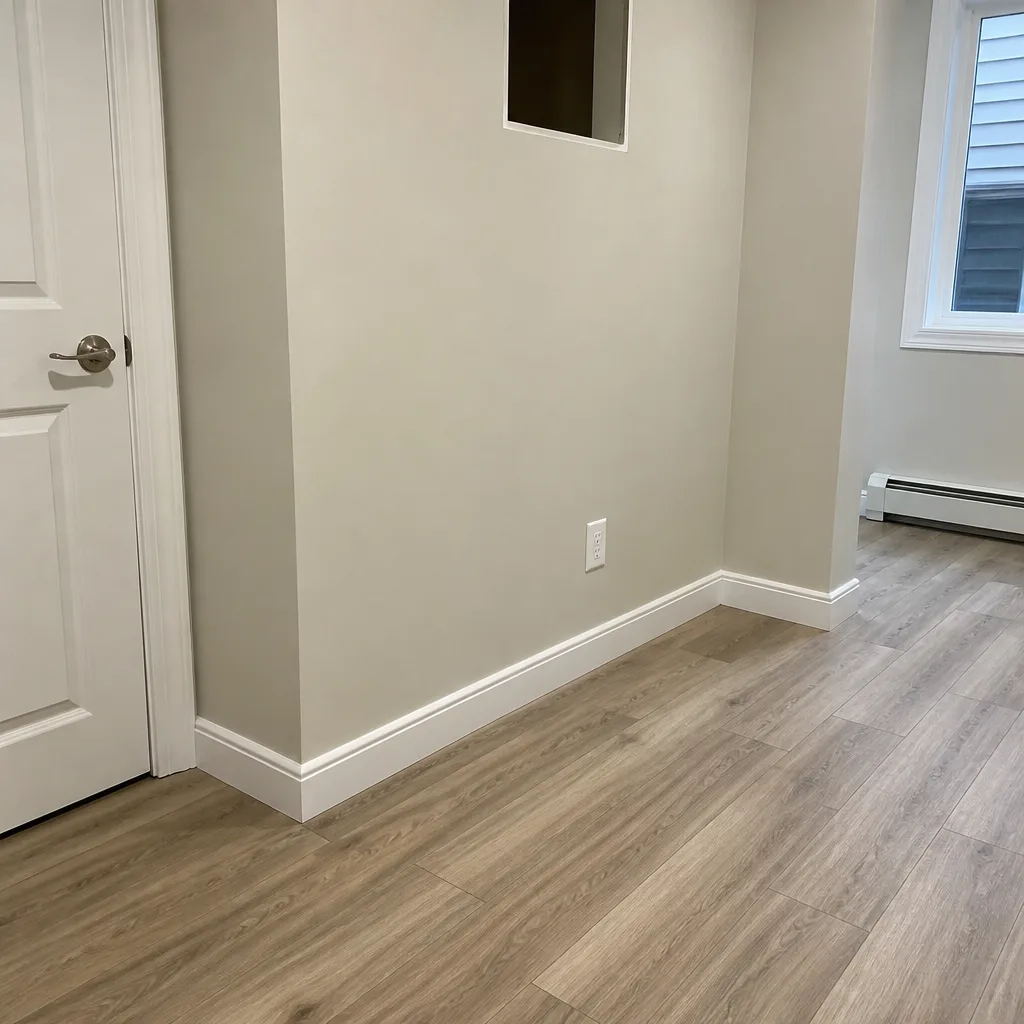
Water damage repair in New York covers the structural fixes that follow drying. Once we confirm moisture levels have returned to normal, we repair what water damaged: baseboards, sections of plaster, subflooring, and in some cases sections of shared walls that need to be rebuilt to match the original character. In attached New York buildings, that last part matters a great deal. A patch job on a party wall in a landmarked co-op will fail, and the board will know it. So we do it right.
We coordinate with building management where needed, and we understand that many New York apartment and co-op owners need documentation for their board and their insurer. We provide photo documentation throughout the repair process and communicate directly with adjusters when you need us to.
Plaster, Brick, and Old Wood: Repairing Prewar Surfaces
Prewar plaster takes longer to dry and needs careful repair so the surface does not crack months later. We install weep holes where water has wicked into brick party walls and monitor moisture until the readings match pre-loss condition. Then we repair the plaster, prime, and repaint to blend with the surrounding wall.
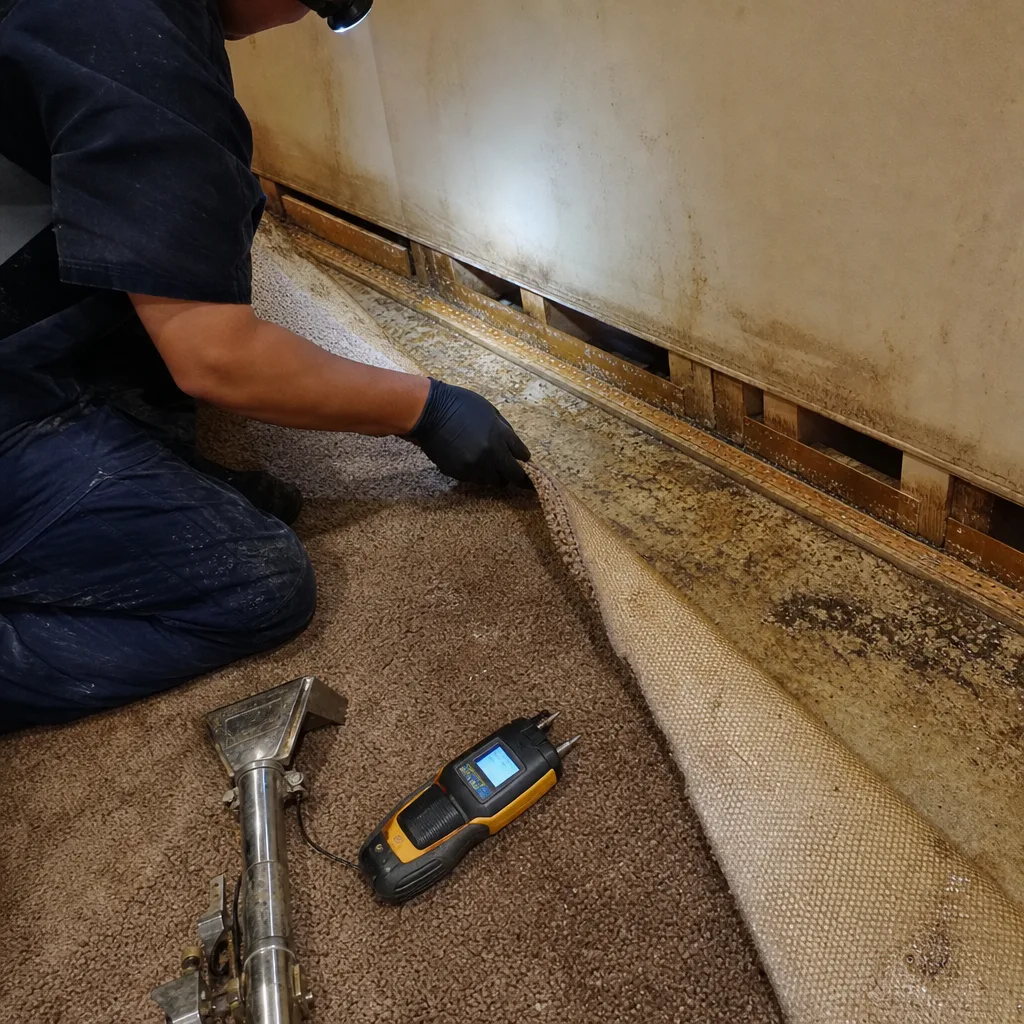
Flooring, Baseboards, and Cabinetry
Hardwood floors in older New York buildings can often be saved if we dry them correctly. Cupped boards sometimes lay flat again as moisture leaves the wood. We replace what cannot be saved and match the stain and grain as closely as the original materials allow. Baseboards and lower cabinet sections are replaced where water swelled the material beyond repair.
Trusted Brands We Service in New York
We work with professional-grade drying equipment from Dri-Eaz, Phoenix, XPOWER, B-Air, and Injectidry, the same machines used by leading restoration specialists across the country. In New York specifically, we run Injectidry systems in tight wall cavities and under hardwood floors where air movers alone cannot reach. Our technicians are credentialed through IICRC and RIA, and our team includes IFA-certified professionals. When we need parts, we stock common fittings and hoses locally so a repair does not wait on a parts delivery from another state. That matters when your building has a board meeting scheduled and you need answers, not delays.
Common Water Damage Restoration Problems We See in New York Homes
- Combined sewer backups in basement units. During heavy rain, the city’s combined sewer system can overload and push Category 3 water back up through floor drains. That water carries bacteria and requires full containment and sanitization, not just extraction.
- Vertical water migration through shared masonry walls. In attached prewar buildings, water travels up through brick and mortar, not just across the floor. By the time a stain appears on your wall, the water may have already wicked into the neighbor’s side.
- Co-op and condo board approval delays. Waiting days for board approval before starting mitigation lets mold establish itself, especially during humid New York summers. We provide the documentation boards need quickly, so work can start without unnecessary delay.
- Freeze-thaw pipe bursts in uninsulated walls. New York winters strain aging pipes in older buildings. When a pipe lets go on the fifth floor, water travels down through four units below it. We address the full path, not just the unit where the leak started.
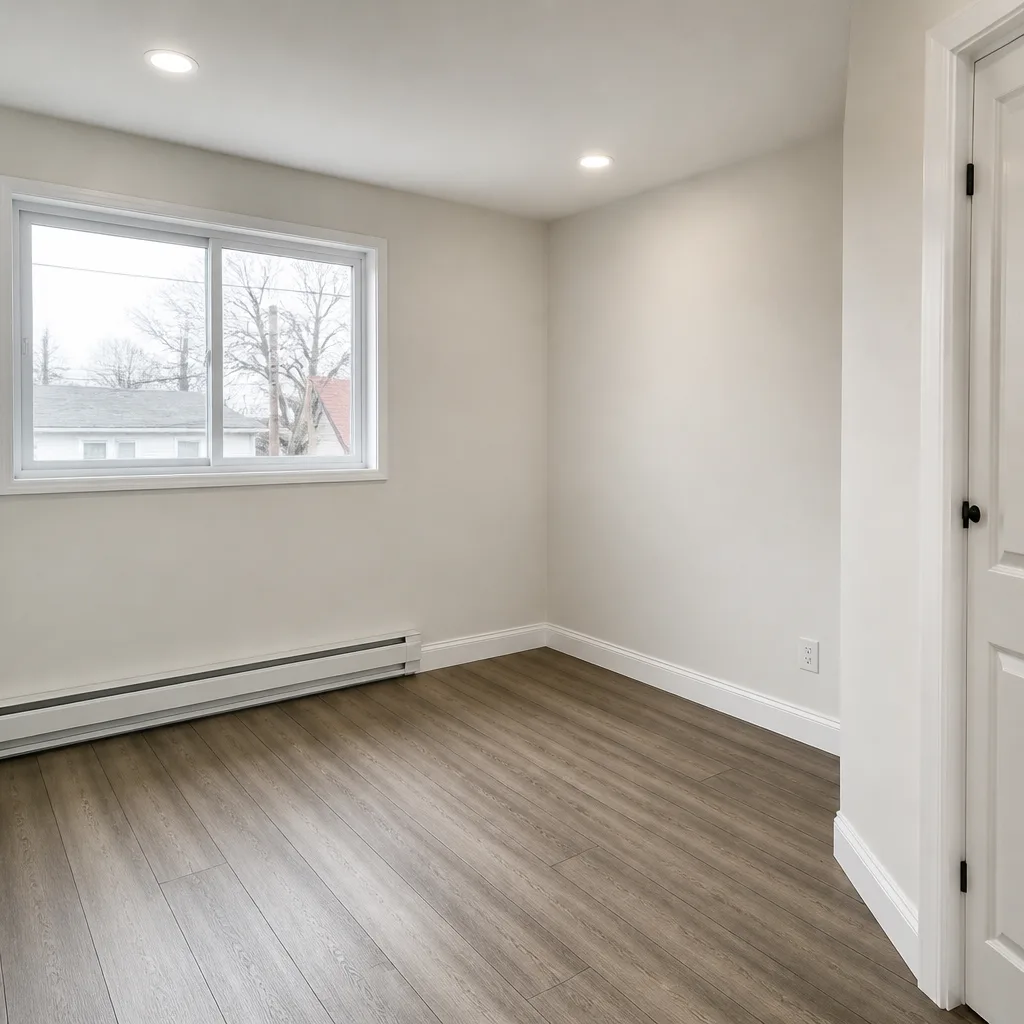
See the difference
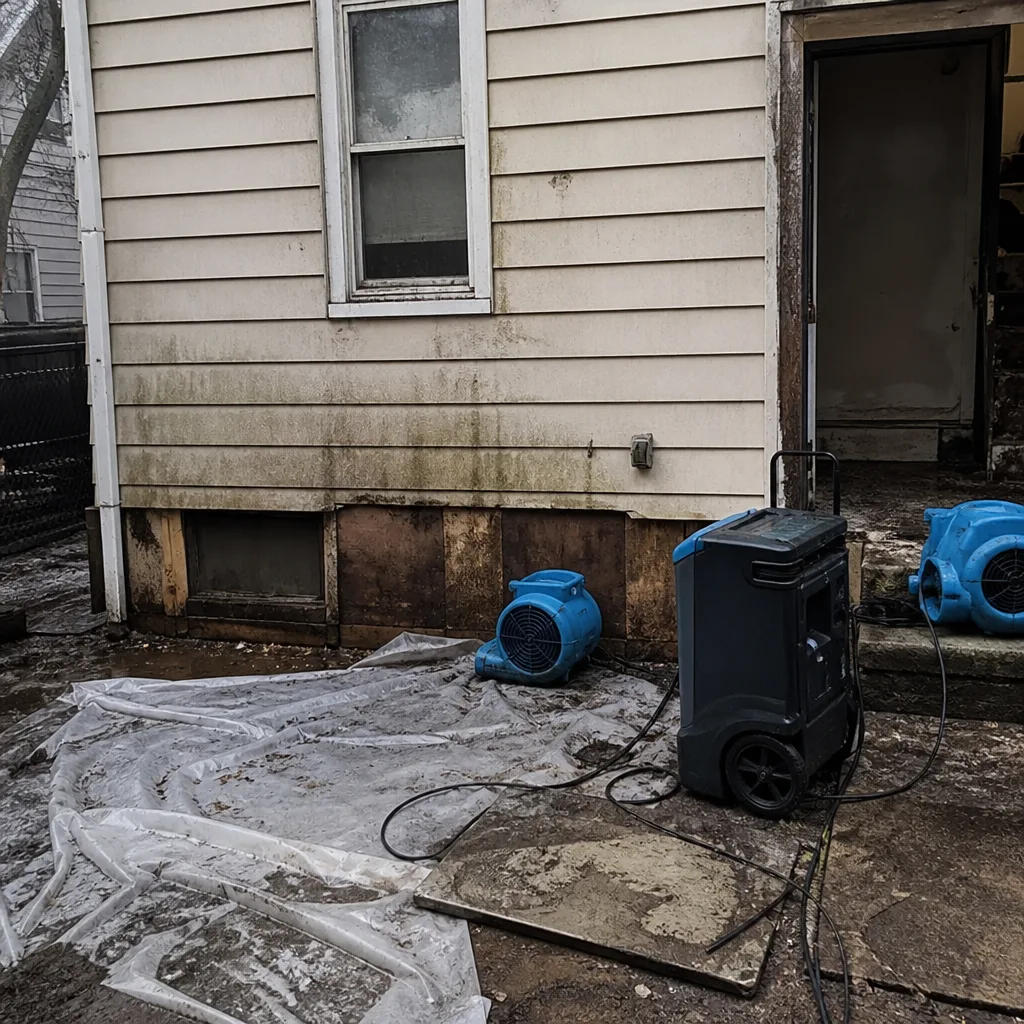 Before
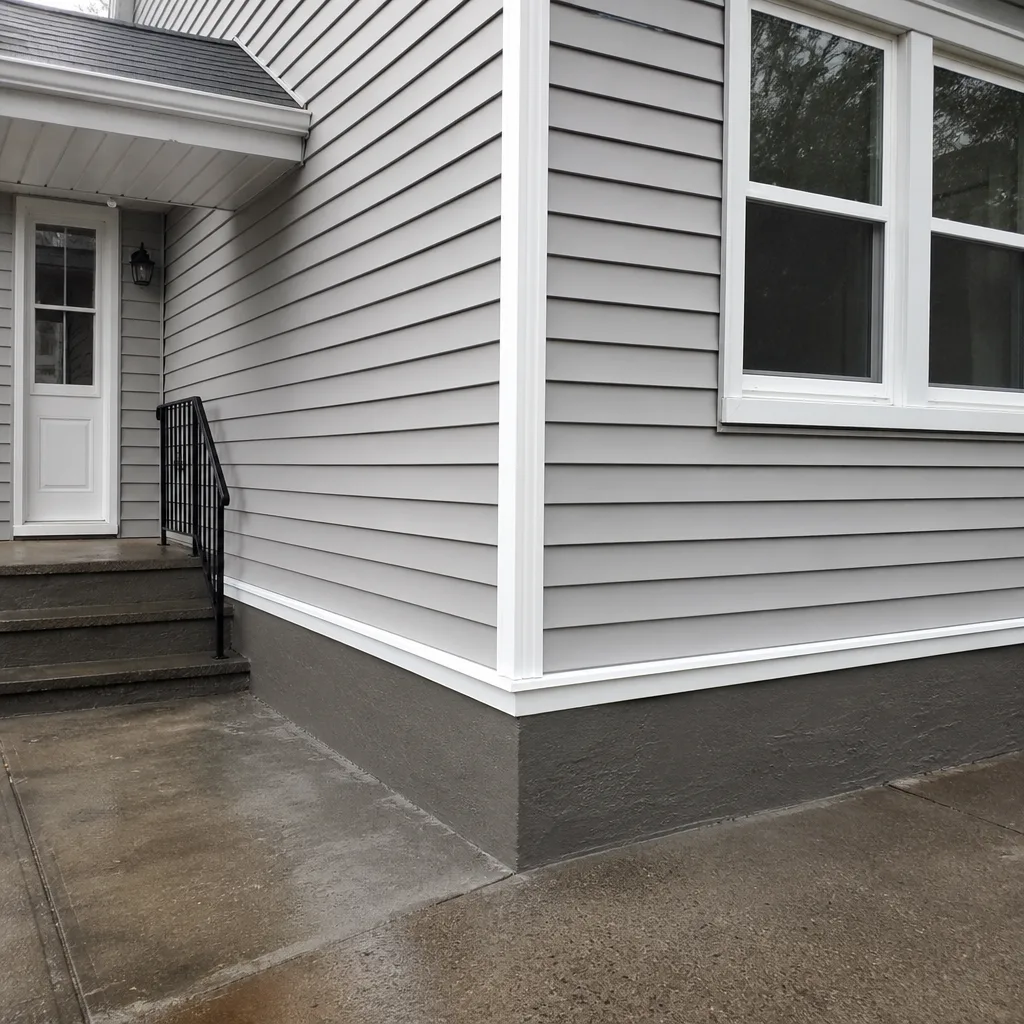 After
After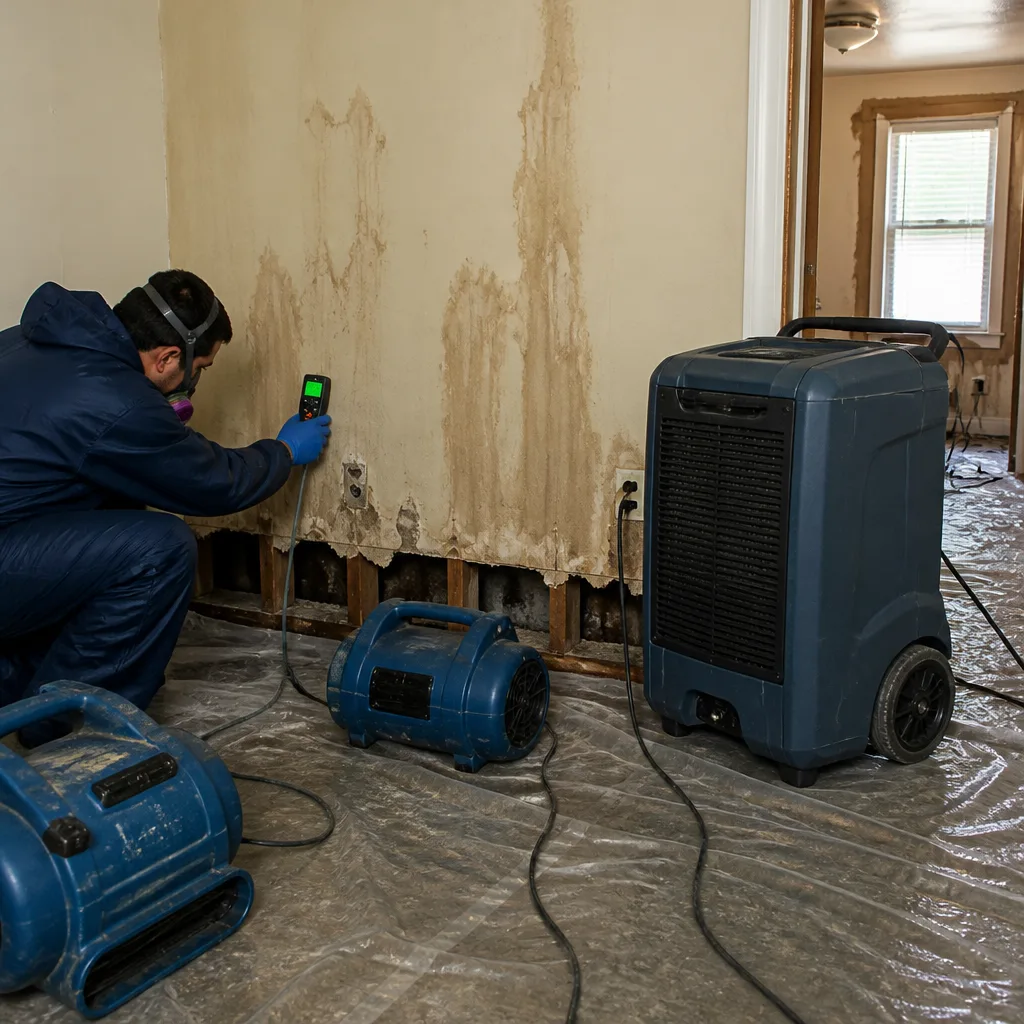 Before
 After
After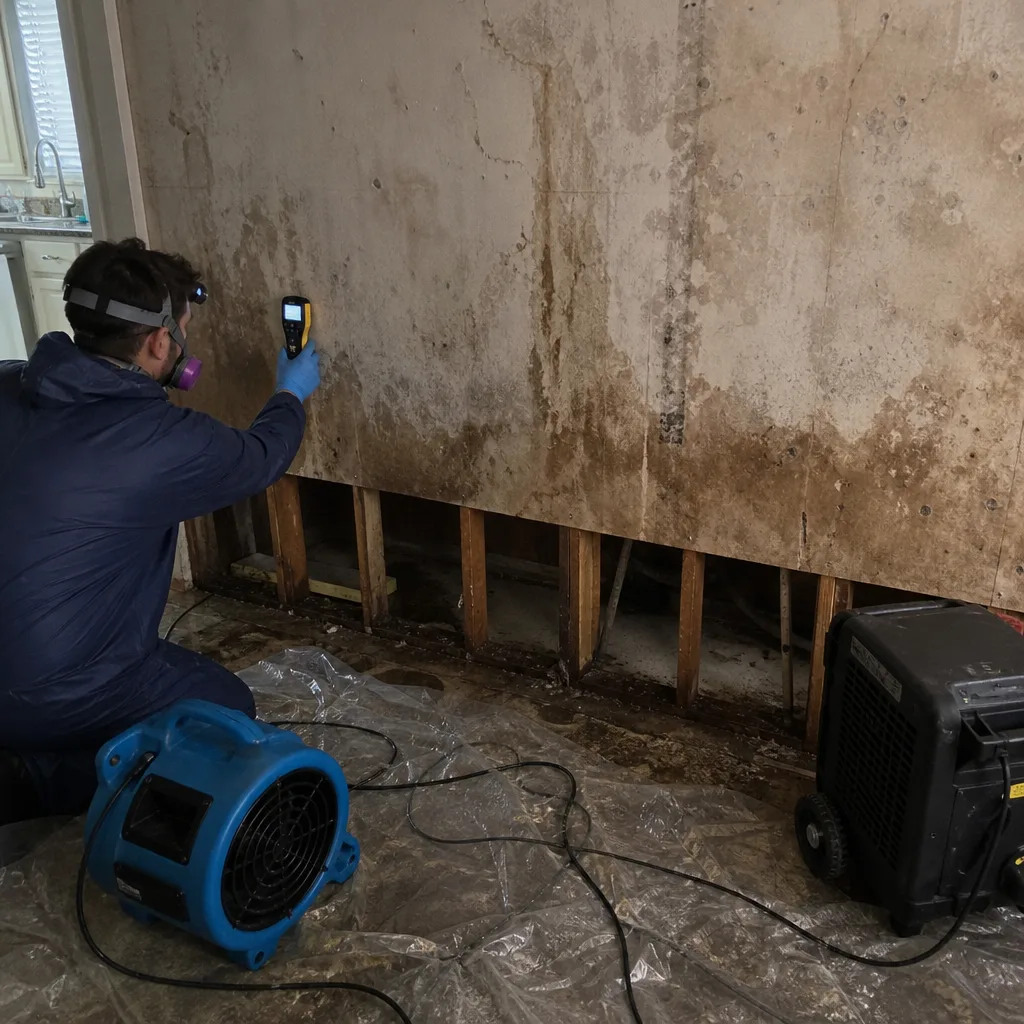 Before
 After
AfterPricing for Water Damage Restoration in New York, NY
A typical emergency water extraction for a single basement or apartment in New York runs $1,800 to $4,200 when you include drying and dehumidification. Larger losses involving multiple rooms, Category 3 water, or structural drying inside walls can reach $5,500 to $8,500. Plaster repair and repainting in a prewar room typically adds $900 to $2,400 depending on the wall condition and ceiling height. The difference comes down to how far water traveled before we arrived, whether contamination is present, and how long walls need to dry. You will see a written price before any work begins, every time. Call (607) 600-9946 for a free estimate.
We Also Serve Cities Near New York
Our crews serve New York and the surrounding communities, including Astoria, Bayside, Elmont, and Manhasset. If you are located in one of those areas and dealing with water damage, the same written-price promise and the same 365-Day Done Right Promise apply. Call us and we will confirm how quickly a crew can reach you.
Serving New York, NY - Our Local Coverage Area
We’re based in the New York area and know this community well. Use the map below to see our service coverage - if you’re nearby, we can almost certainly help.
FAQs About Water Damage Restoration in New York
Shared walls, vertical units, co-op boards, and landmarked building restrictions make New York restoration work fundamentally different from a single-family suburban home. Water damage restoration in New York often requires coordination with building management, board approval documentation, and drying techniques designed for masonry and plaster rather than drywall and wood framing. Our crews plan for all of that before arriving.
Mold can start growing within 24 to 48 hours in a humid New York basement, especially during the summer when humidity levels stay high. That is why we recommend extraction and drying equipment be running within the first day after flooding. The faster we remove standing water and start airflow, the less likely mold becomes a problem.
Yes. Water from a combined sewer backup is classified as Category 3 water, meaning it contains sewage and bacteria. It requires full containment, antimicrobial treatment, and the disposal of affected porous materials like carpet and drywall. A clean pipe leak from a supply line is Category 1 and can often be dried with less aggressive measures. We test and classify the water correctly so the right protocol is used from the start. Call (607) 600-9946 if you are not sure what kind of water you are dealing with.
Shut off the water supply if you can do so safely, call your building management or super, and call us at (607) 600-9946. We will begin extraction and drying while you notify your board or management company. The most important first step is stopping the water source and starting removal, because water in a high-rise travels down and affects units below you.
We drill small weep holes at the base of affected plaster walls to release trapped moisture from the cavity behind them, then run dehumidifiers and air movers until moisture readings drop back to pre-loss levels. The weep holes are patched and painted afterward. This approach saves most original plaster and avoids a full demolition unless the plaster has already crumbled or separated from the lath.
Call Tidemark Water Damage Queens for Water Damage Restoration in New York
Water damage in New York City is a race against time and logistics. High-rise co-ops, landmarked prewar buildings, and basement-level spaces in flood zones create a web of access, approvals, and structural vulnerabilities that make every water loss a multi-party operation. We are the independently owned, locally operated arm of the Cedarwell Care Promise, led by Rick Sumner and backed by a 365-Day Done Right Promise. When a nor’easter overwhelmed the combined sewers on the Lower East Side, our crew was called to a prewar brownstone basement flooded with Category 3 water. We set up containment and used truck-mounted extraction units before deploying Dri-Eaz dehumidifiers and XPOWER air movers. Moisture mapping showed water had wicked into the shared brick party walls, so we drilled weep holes and ran structural drying for six days until moisture readings matched pre-loss condition. That is the kind of work we do in New York, and we do it with a written price before we start. Call (607) 600-9946 for a free estimate.
Written by Rick Sumner, Owner at Tidemark Water Damage Queens, serving New York since 2006.