
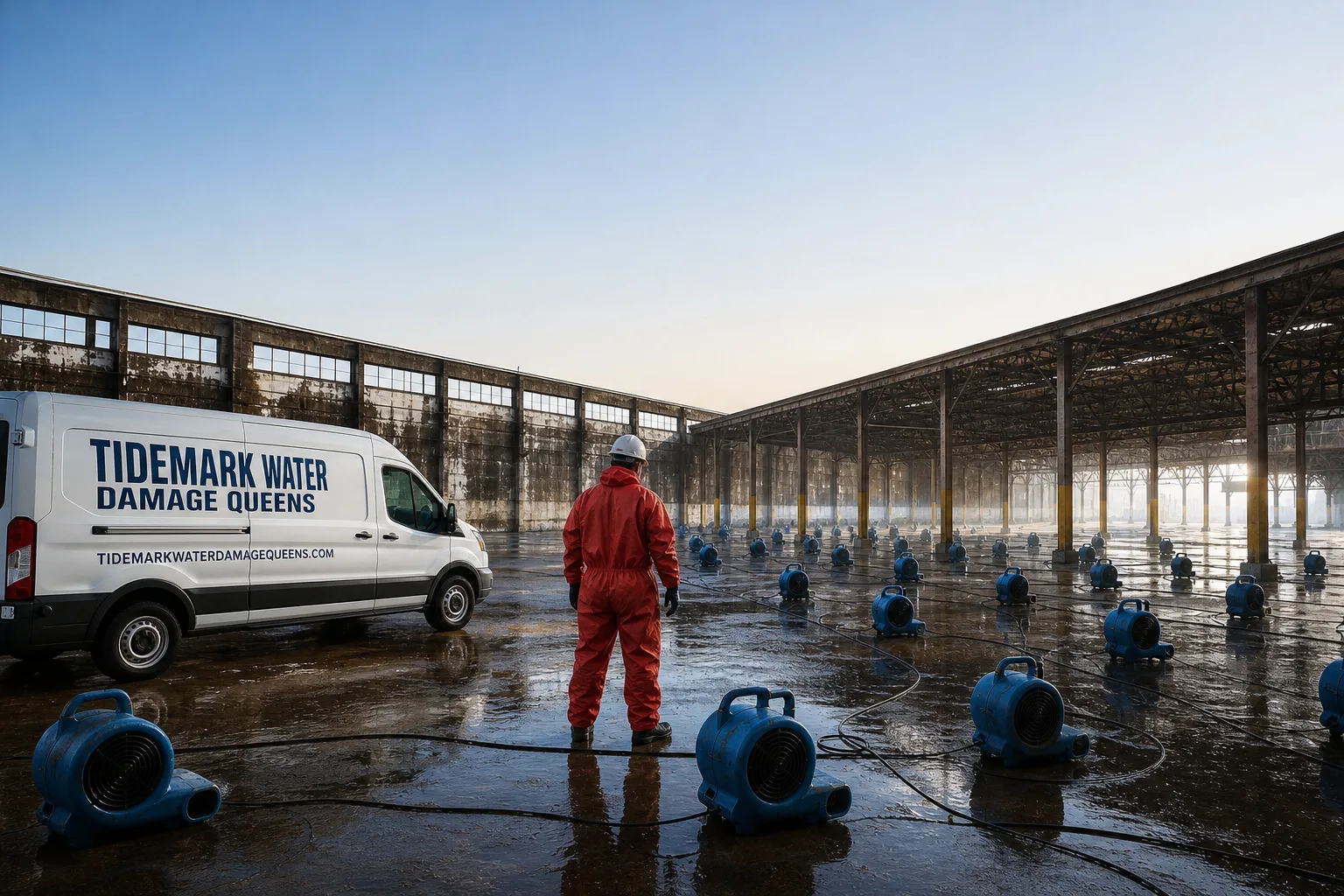
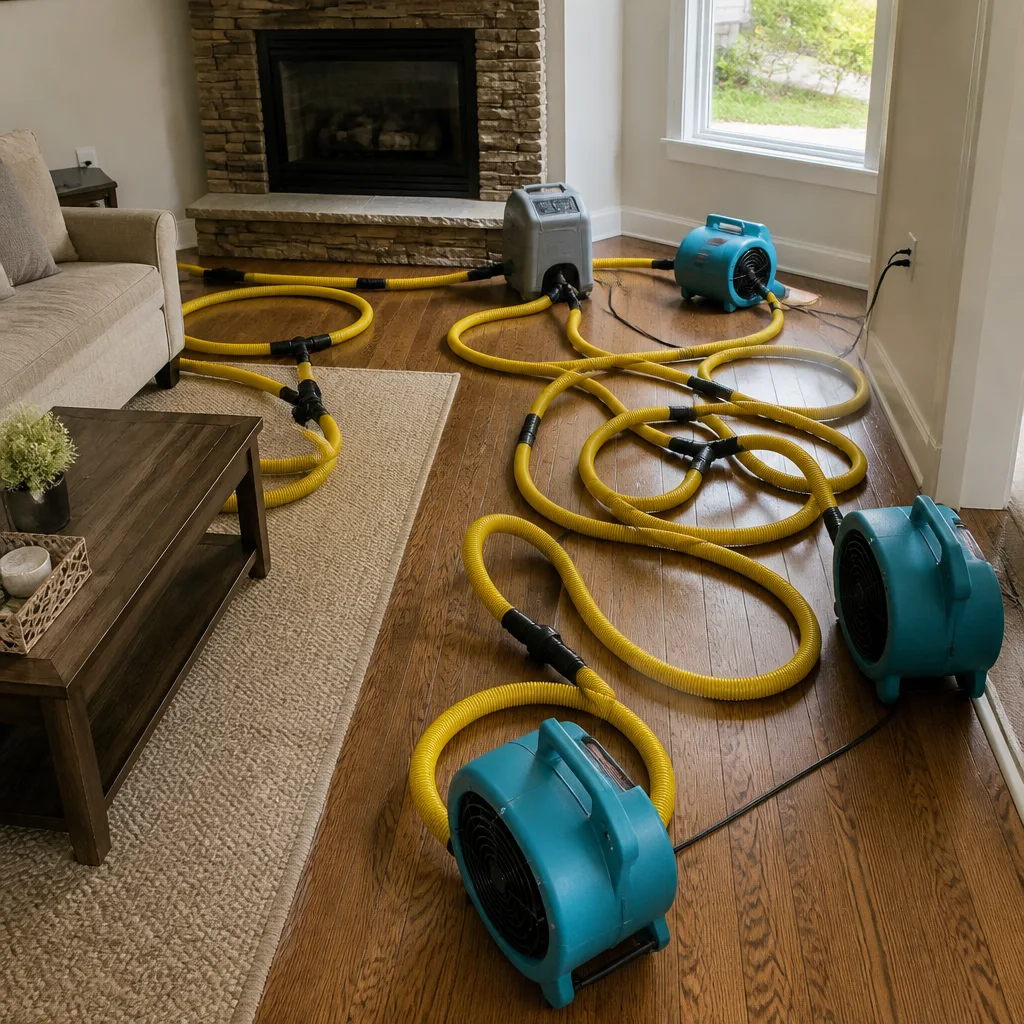
 Water damage drying
 Fire & smoke cleanup
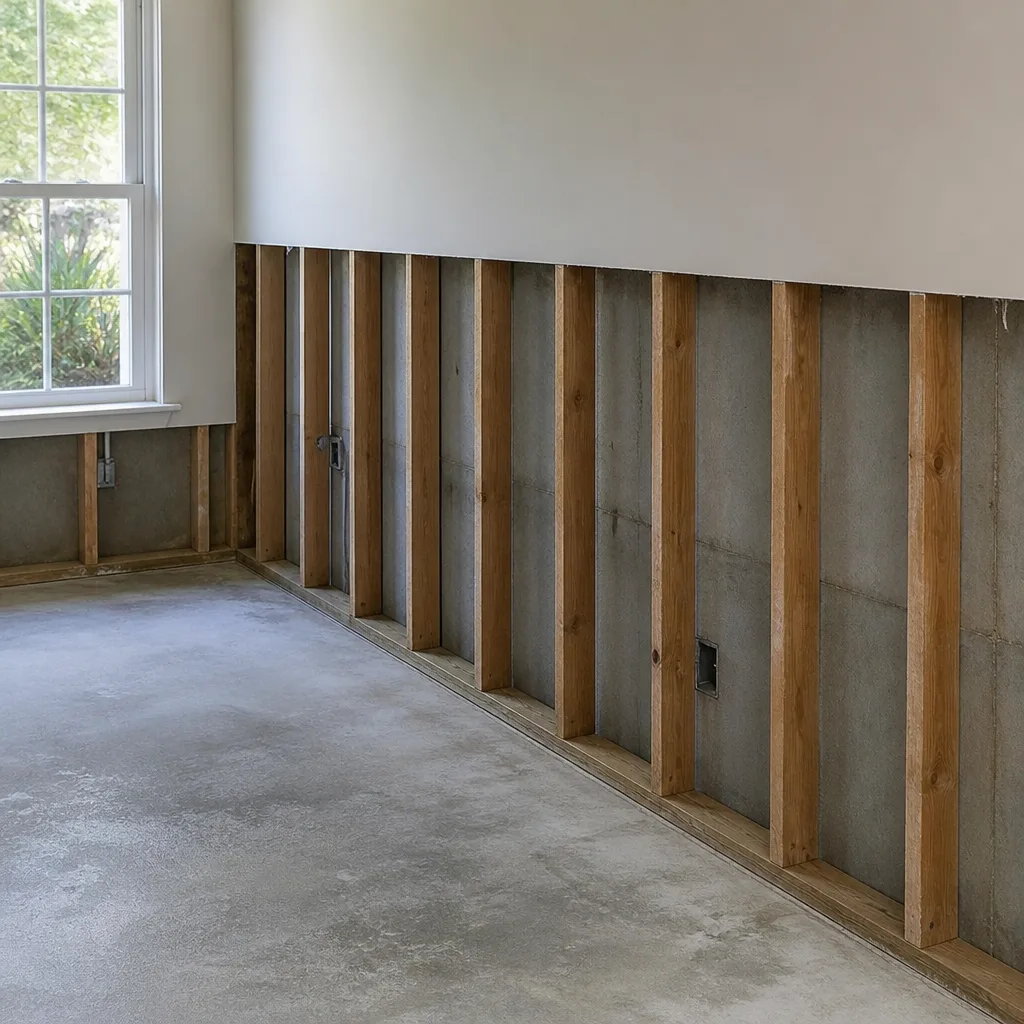 Mold remediation
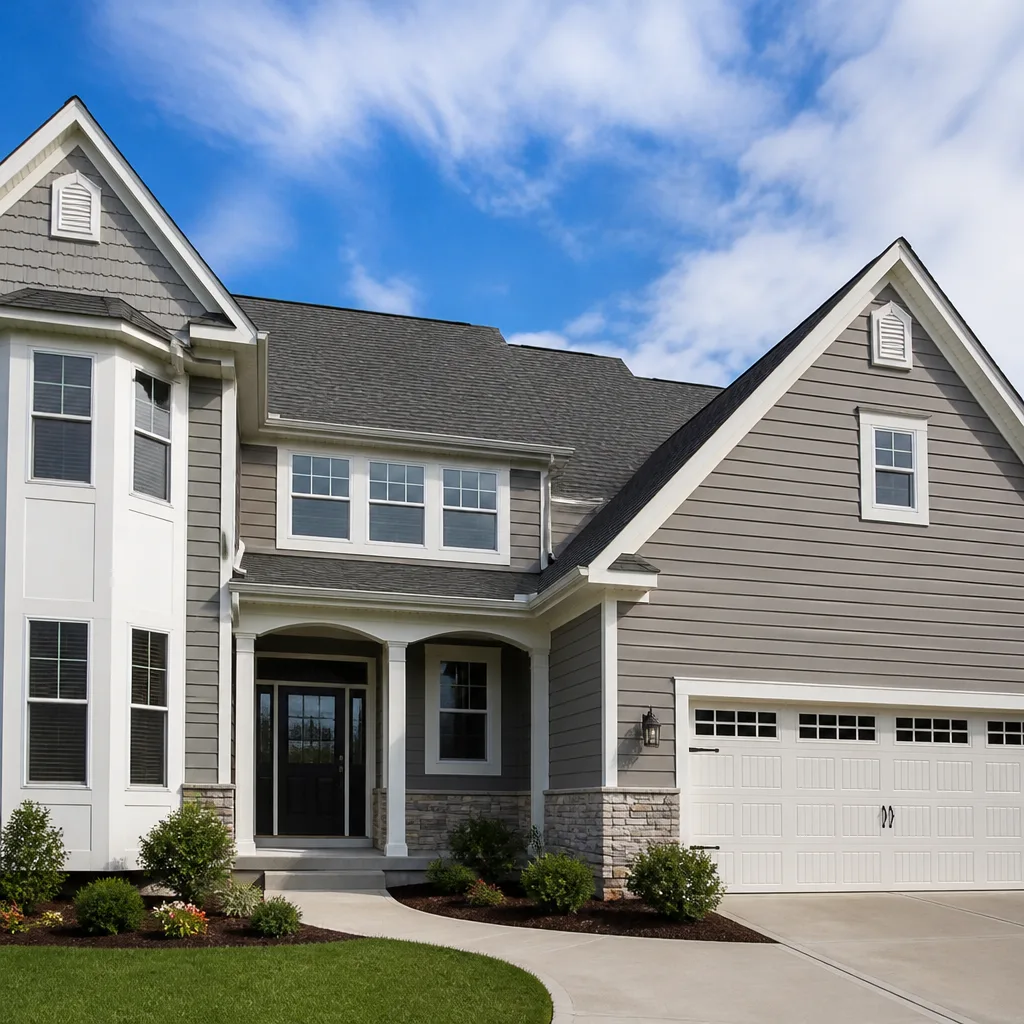 Storm response
 Sewage cleanup
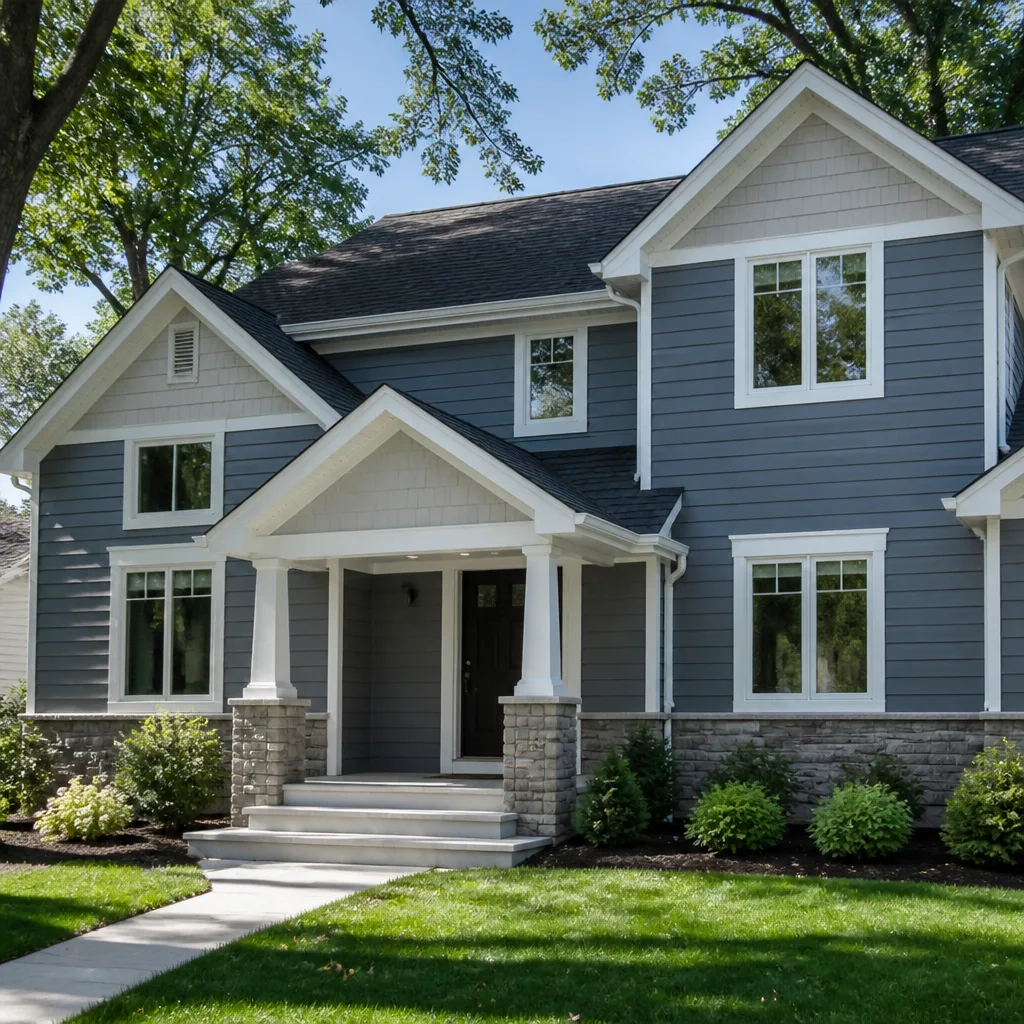 Reconstruction
Free visual inspection and a written scope of work before any mitigation begins - photos, moisture readings, and drying logs go in your claim file
The scope we write is the scope we bill. Anything new gets shown to you, in writing, before we touch it.
Get your free estimateRestoration work we handle
See the difference
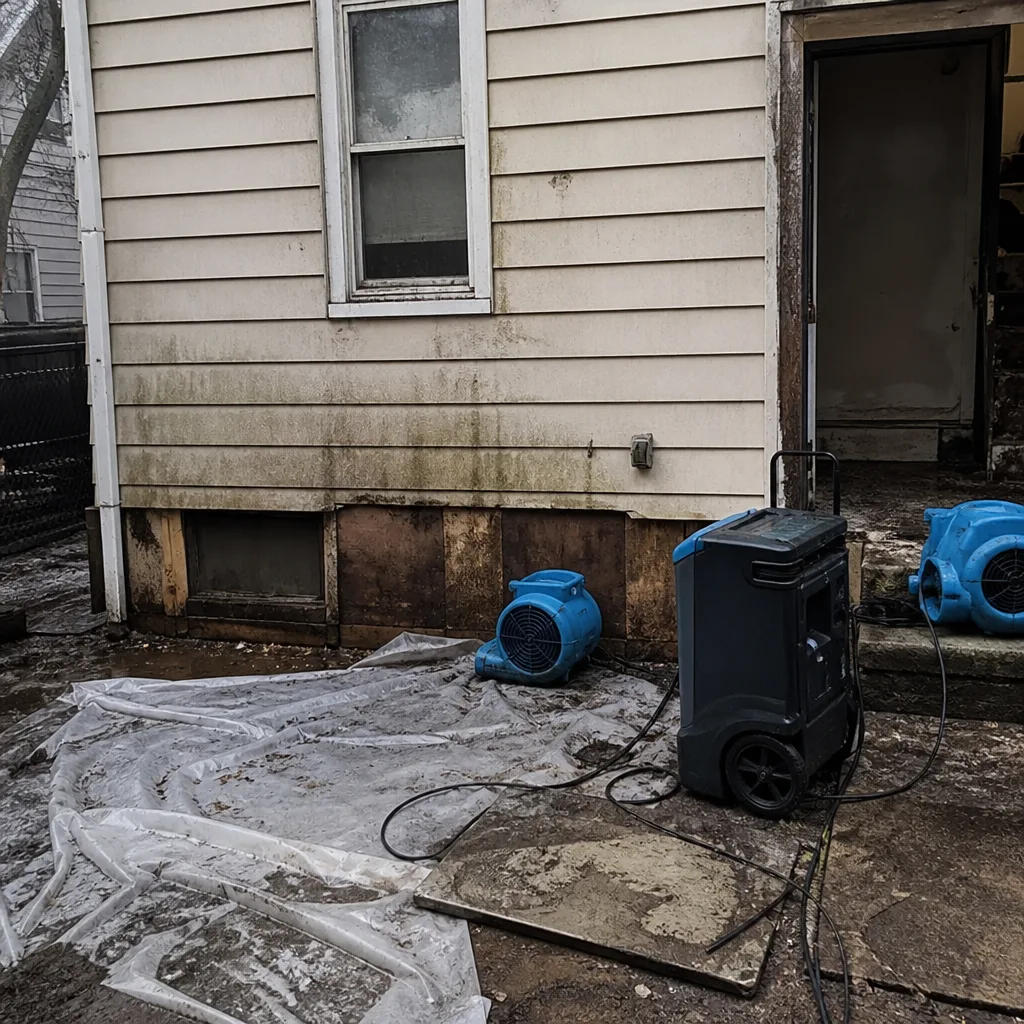 Before
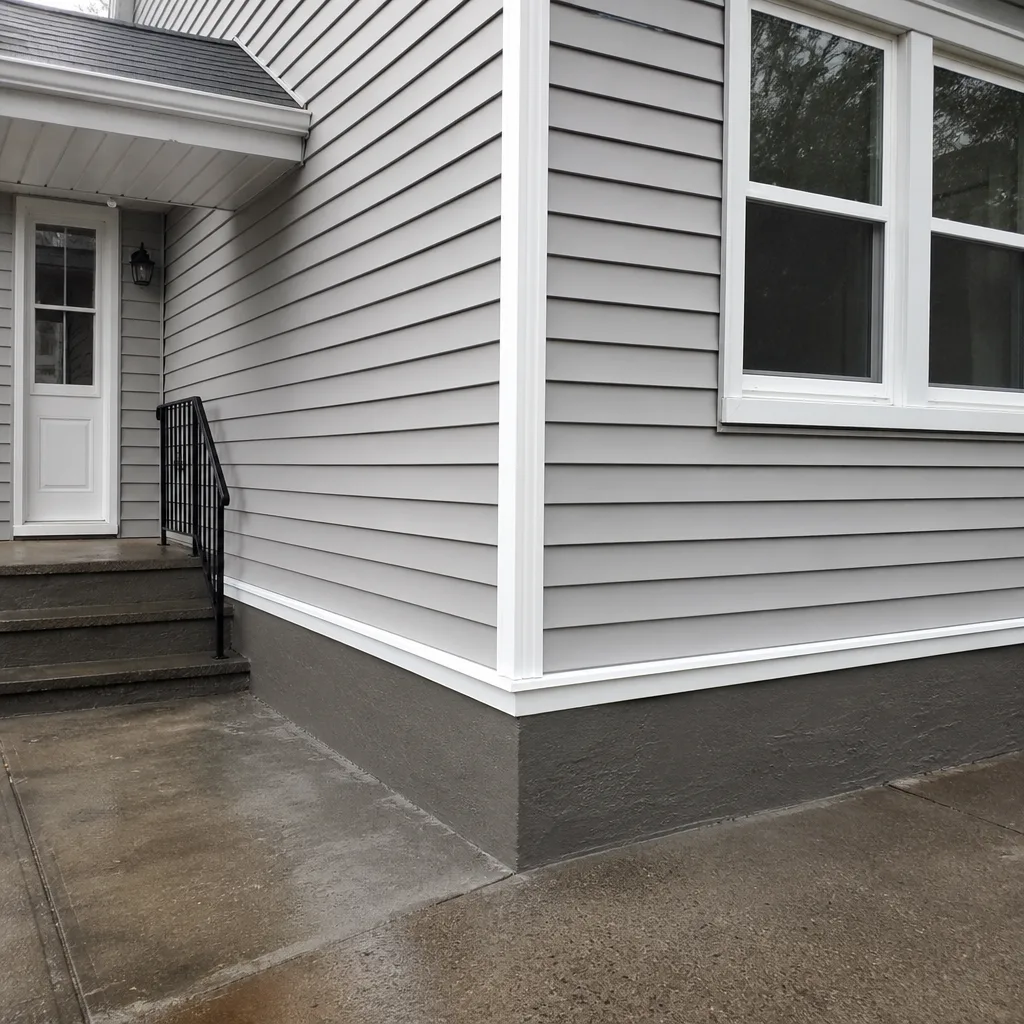 After
After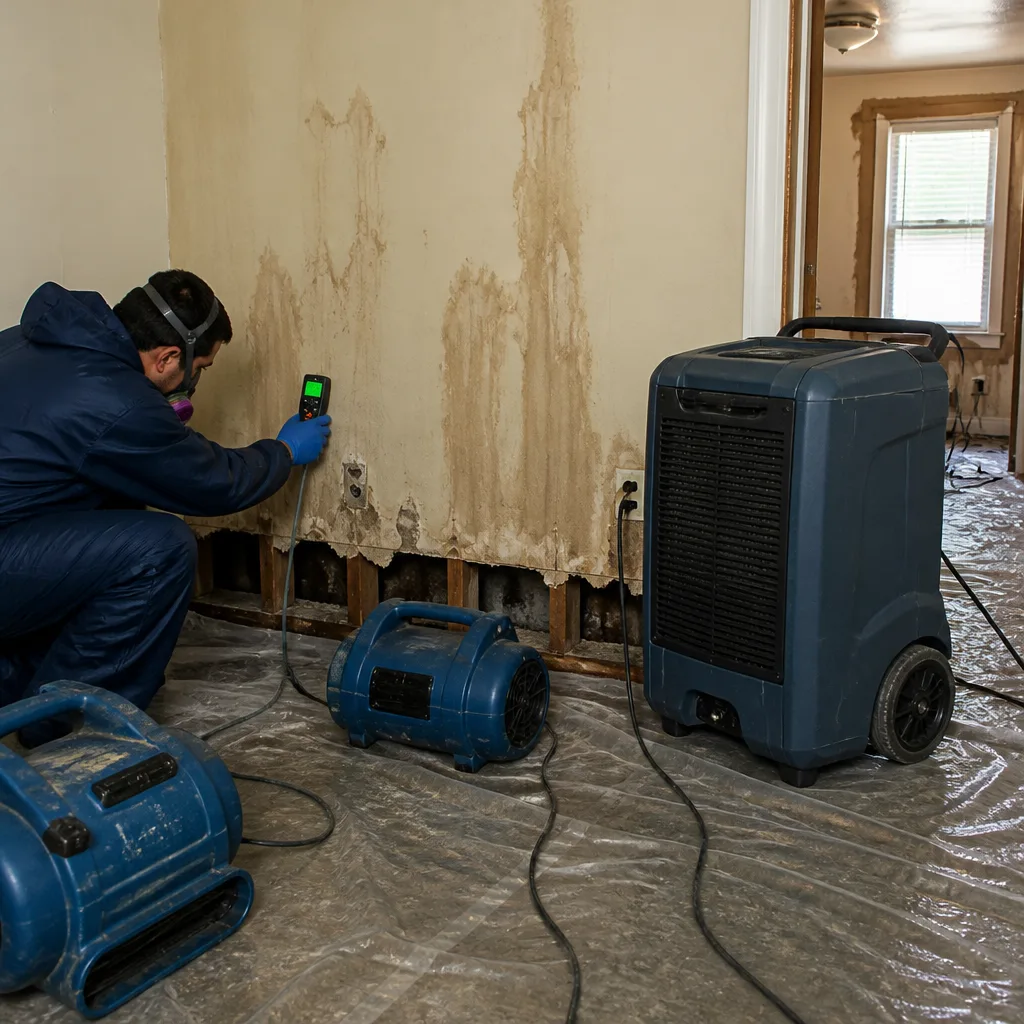 Before
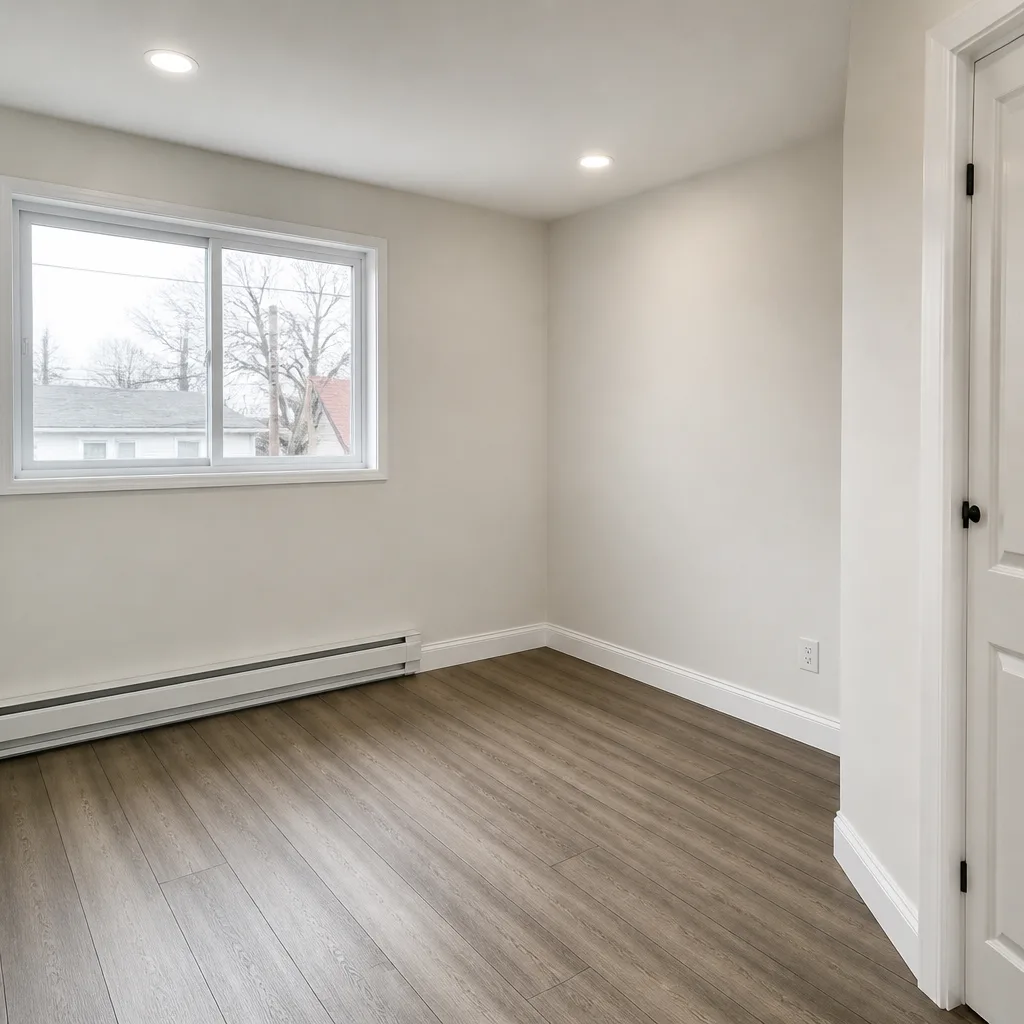 After
After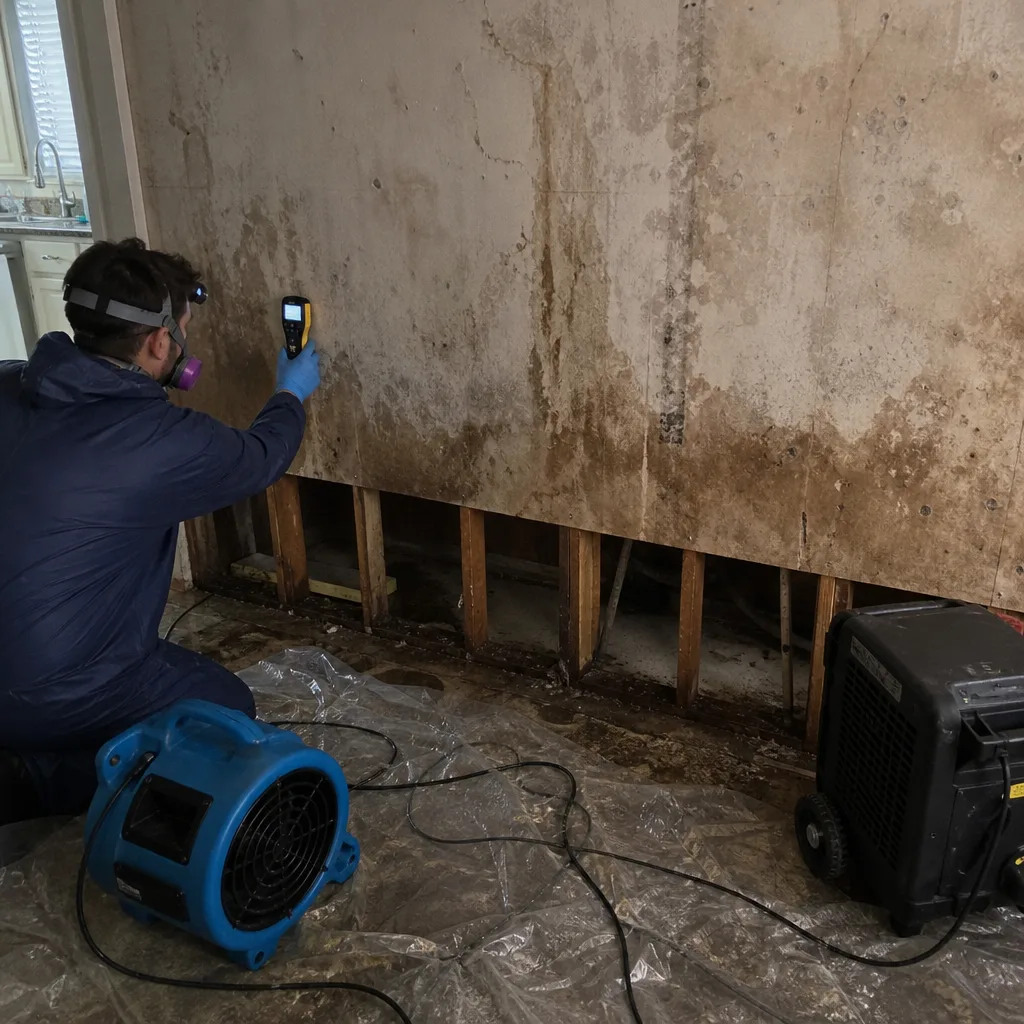 Before
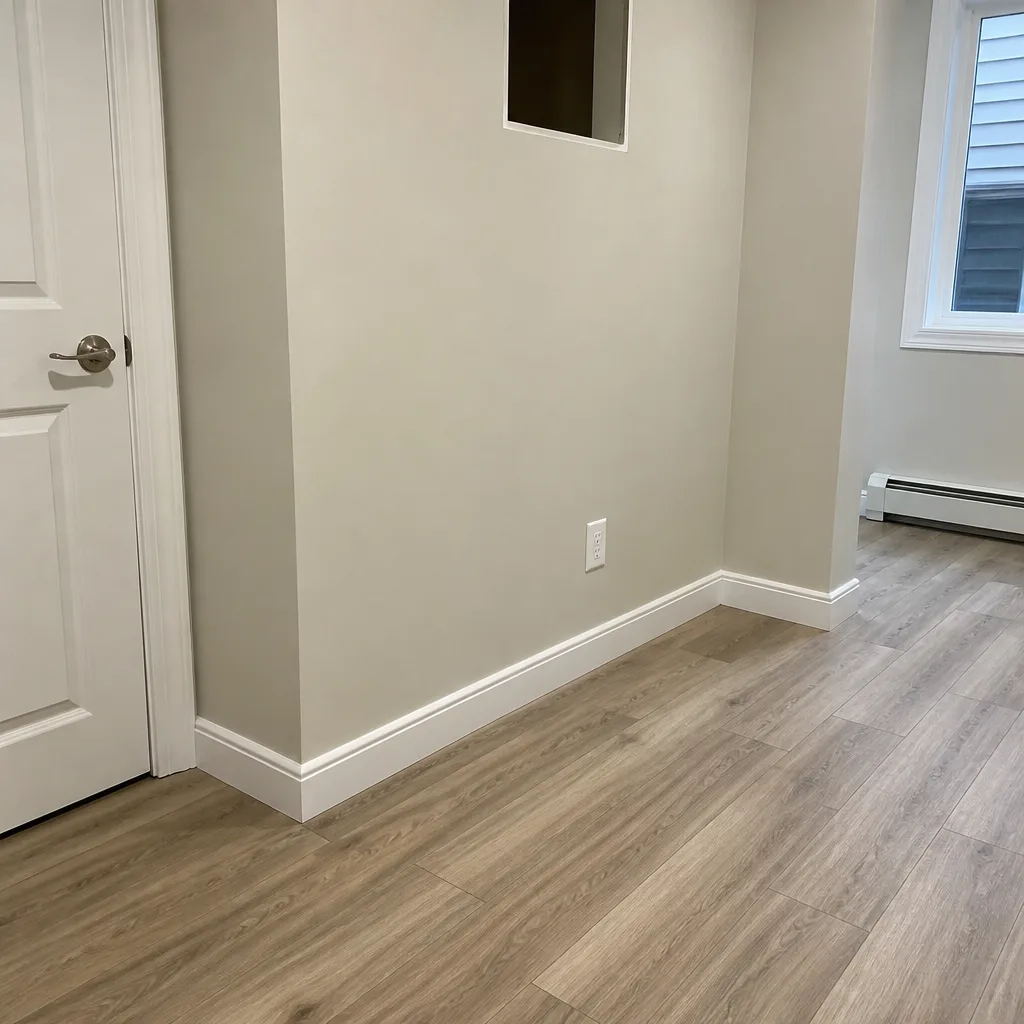 After
AfterHow Much Does Water Damage Restoration Cost in Queens?
Water Damage Restoration services in Queens typically cost $2,800 to $7,500 for a standard single-room incident in 2026, with most homeowners paying around $4,200 for extraction, drying, and basic repairs. Smaller jobs like a burst supply line under a bathroom sink can run $900 to $1,800, while a finished basement flood with drywall replacement and mold prevention often lands between $6,000 and $14,000. The final number depends on the water category, square footage affected, and how far the moisture traveled past the visible tide mark.
Every job we quote at Tidemark Water Damage Queens comes with a written price before any equipment rolls through the door. That means you see the exact number for your specific situation, not a national average pulled from a website. Our Water Damage Restoration in Queens page walks through the full process, but this guide focuses on what you’ll pay and why.
Water Damage Restoration Cost Breakdown (2026)
Here’s what Queens homeowners can expect to pay for each stage of a typical water damage restoration job. These ranges reflect local labor rates, disposal fees, and the equipment needed to dry homes in Queens’ humid summer climate, which matters more than most people realize.
| Service Component | Typical Cost Range (Queens, 2026) |
|---|---|
| Emergency water extraction | $350 – $900 per room |
| Structural drying (fans, dehumidifiers, monitoring) | $700 – $2,500 per job |
| Baseboard and drywall removal (water-damaged) | $450 – $1,800 per room |
| Antimicrobial treatment and mold prevention | $200 – $800 per area |
| Carpet pad replacement | $250 – $600 per room |
| Hardwood floor drying and refinishing | $1,200 – $4,500 per room |
| Content cleaning and pack-out | $400 – $1,800 per job |
| Moisture mapping and final inspection | $150 – $400 per job |
These line items add up fast, which is why the written estimate matters. A two-room kitchen and dining area flood where water sat overnight might run $3,200 to $5,800 total. A finished basement with drywall, insulation, and carpet across 400 square feet can push past $10,000 once Basement Water Removal and reconstruction begins. Restoration is always cheaper than reconstruction, and drying a wall correctly in the first 48 hours often saves $3,000 to $8,000 in tear-out and rebuild costs.
One thing that separates Queens pricing from, say, Nassau County or Manhattan: access. Many Queens homes are attached or semi-attached, with narrow side alleys and basement entrances. That shapes equipment staging, hose routing, and disposal time. We factor that into our estimate so you’re not hit with an “unexpected access fee” on the final invoice. There are no surprise line items when the written price comes first.
What Affects Water Damage Restoration Pricing in Queens
Not every water event costs the same, even when the puddle looks identical. Here are the factors that move the number on your estimate.
- Water category. Clean water from a supply line is cheapest to restore. Gray water from a dishwasher or washing machine adds sanitization steps. Black water from a sewer backup or outdoor flooding in low-lying areas like Howard Beach or Hamilton Beach costs more because of contamination protocols and disposal requirements.
- How far the water traveled. Water follows gravity and wicking. A spill that looks contained to one room often traveled under flooring, into wall cavities, and up drywall. We find the tide mark and dry past it, which sometimes means more equipment days but less long-term damage. That’s the cheaper outcome in year two.
- Drying time and equipment count. Queens summers run humid, and humid air slows evaporation. Jobs in July and August often need more dehumidifier days than the same job in January. We use Dri-Eaz, Phoenix, XPOWER, and B-Air equipment sized to the room, not a one-size-fits-all rental fan setup.
- Materials that got wet. Tile over a concrete slab dries fast. Hardwood floors in pre-war homes in Forest Hills or Kew Gardens can cup and warp if not dried with a floor mat system, which adds labor and time. Carpet with a pad is usually a pad replacement situation, not a full carpet replacement.
- How quickly you respond. Water sitting for two days costs more than water caught in two hours. Homeowners who call before the drywall starts wicking save on tear-out. That’s why we answer the phone live, 24/7, not through a callback queue.
- Testing and verification. Proper restoration ends with moisture readings that confirm the structure is dry, not just the surface. We document those readings and share the clean-up photo before the crew leaves. Some contractors skip this step to cut cost. We will not, because the 365-Day Done Right Promise means we’d be back to fix what was missed, at our own expense.
Typical Water Damage Scenarios and What They Cost in Queens
Water Damage Restoration Near Me in Queens, NY pricing makes more sense with real situations attached. These are the jobs we see most often across Queens, from Astoria to Far Rockaway, and what they usually cost to restore properly.
Scenario 1: Burst Supply Line Under a Kitchen Sink
$900 – $2,200. Water runs behind the cabinet, soaks the toe-kick, and spreads a few feet across the kitchen floor. We extract, pull the toe-kick, dry the cabinet interior, check the wall cavity behind the sink, and treat for mold prevention. Most of these are same-day or next-day dry-outs if caught early.
Scenario 2: Washing Machine Overflow on a Hardwood or Vinyl Floor
$1,800 – $4,200. Gray water means sanitizing, not just drying. If it caught the hallway and the living room edge, add equipment days. Hardwood floors in older Queens homes respond well to drying mats if we get there fast. Miss it by a day and you’re looking at refinishing or plank replacement, which can push this to $6,000 or more.
Scenario 3: Finished Basement Flood from Heavy Rain or Sump Pump Failure
$5,000 – $14,000. This is the big one. Finished basements in neighborhoods like Bayside, Whitestone, and Little Neck are common, and they’re also where groundwater pressure does damage. Carpet, pad, drywall, baseboards, possibly insulation. If the water is category 3 from a sewer backup, the cost climbs because of full containment, disposal, and sanitizing protocols. Restoration beats replacement here, but it’s still a multi-day job with a written estimate upfront.
Scenario 4: Ice Maker Line Leak Behind a Refrigerator
$700 – $1,500. Classic slow leak. The water travels under the fridge, behind cabinets, and into the wall. By the time you see it, the damage is bigger than expected. These jobs are moderate in cost but high in importance because hidden moisture behind cabinets leads to mold inside walls. We pull the fridge, dry the cavity, and document everything.
Scenario 5: Toilet Overflow in a Bathroom
$1,200 – $3,500. If it’s clean water from the tank, lower end. If it’s a sewage backup, different category, different price. We clean the bathroom thoroughly, dry the subfloor from the crawlspace or ceiling below if needed, and treat the area. Homeowners with kids and pets especially appreciate that we use pet-safe products where there’s a choice and keep the workspace sealed off from the rest of the home.
How to Save on Water Damage Restoration
Water damage restoration is not the place to shop for the lowest bid. But there are legitimate ways to keep the bill down without cutting corners that’ll cost you later.
Call immediately. The first hour of water exposure does less damage than the second day. Every hour water sits in drywall, hardwood, or carpet pad, the restoration cost goes up. A job caught in the first hour might be $1,800. The same leak caught on day three could be $6,500 with tear-out.
Understand the written price before work starts. At Tidemark, we hand you a written estimate before we unload the truck. No hourly surprises. No “we found more so it costs more” without a conversation and your sign-off first. Ask any contractor you’re considering whether they do the same. If they won’t commit to a written number, keep looking.
Know your insurance coverage. Most Queens homeowner policies cover sudden and accidental water damage, but not gradual leaks or flooding. Snap photos of the damage before anyone touches anything. Your adjuster will need them. We document everything as part of our process and a photo of the clean-up is shared before the crew leaves, which helps with claims and gives you a record of what was done.
Focus on drying, not demolition. A lot of contractors make money on the rebuild, so they tear out aggressively. Proper structural drying with the right equipment often saves walls, floors, and ceilings that less experienced crews would rip out. Our technicians hold IICRC, RIA, and IFA credentials and have the equipment from Dri-Eaz, Phoenix, XPOWER, B-Air, and Injectidry that makes aggressive drying possible. Less demo means a smaller bill, and you keep more of your home.
Ask what you’re being charged for equipment. Some companies bill per-fan-per-day as a line item. We quote the dry-out as a scope, not a rental meter, so you know the number before day one. If a quote seems to have a lot of equipment line items with no explanation, ask what happens if the job takes an extra day. The answer tells you a lot about how that company operates.
For a free estimate on your specific situation, call (607) 600-9946. We’ll walk you through what we’re seeing, what it should cost, and what you can expect, with no obligation.
Queens-Specific Cost Factors You Will Not See in Other Guides
Most pricing guides pull generic national numbers. Here is what actually moves the needle in Queens, and it’s rarely mentioned elsewhere.
Attached housing and shared walls. In row houses and semi-detached homes in neighborhoods like Woodside, Jackson Heights, and Richmond Hill, water from one unit can wick into a neighbor’s wall cavity. That affects drying scope and sometimes means coordinating with the adjoining property. It’s not more expensive because we’re in Queens, but it’s more complicated, and you want a crew that’s seen it before.
Older plumbing and aging supply lines. Many Queens homes were built between 1920 and 1960, and the original galvanized or aging copper lines are reaching the end of their service life. A pinhole leak in a wall takes longer to find and dry than a burst braided line under a modern sink, because the water traveled inside the wall before it showed on the floor. Moisture mapping matters more here than in a 2010 construction with open floor plans.
Basement access and hoarding conditions. Queens basements are deep, and stairs are often narrow. Moving drying equipment, pulling wet carpet rolls, and hauling debris costs more labor than a garage-level slab in Long Island. If there’s clutter or stored belongings, we ask before we move or touch anything, and we protect what stays in place with drop cloths before the first machine comes in.
Flood zone proximity in southern Queens. Homes near the Jamaica Bay shoreline in Broad Channel, Howard Beach, and parts of the Rockaways deal with groundwater intrusion differently than homes on higher ground in Ridgewood or Glendale. It’s not storm surge season all year, but the water table matters. Sump pump failures and French drain backups are our daily calls in those neighborhoods.
Step-by-Step: How We Price a Water Damage Job in Queens
Understanding our process helps you understand the number at the bottom of the page. Here’s exactly how we get from the first phone call to a written price.
- You call, a live person answers. Our phones are answered 24/7 by a person in Queens, not an answering service routing you to a national call center. We ask what happened, where the water came from, and what parts of the home are affected. We’ll tell you what to do in the next 30 minutes to minimize damage while we’re driving over.
- We arrive, shoe covers on at the door. Before any equipment comes in, every technician puts on shoe covers and drop cloths go down on the path from the door to the affected area. We protect floors and furnishings as a standard step, not an upsell.
- Inspection and moisture mapping. We use moisture meters and thermal imaging to find the tide mark, the line water leaves on a wall that shows exactly where it traveled. We check the affected room, the wall cavities, the subfloor, and any adjoining rooms where water might have wicked.
- Scope of work and written price. You get a written estimate before any restoration work begins. It shows each component: extraction, equipment days, antimicrobial treatment, tear-out if needed, and final inspection. No vague “labor and materials” line, no open-ended number.
- You approve, we start. Once you sign, the extraction and drying equipment comes in. We use Dri-Eaz, Phoenix, XPOWER, B-Air, and Injectidry equipment sized to your space, run on lower-decibel settings during school hours and nap time where possible, and monitor the job daily until moisture readings confirm the structure is dry.
- Final inspection and clean-up photo. Before the crew leaves, we take a photo of the cleaned area and share it with you. You see exactly what was done and how it was left. If anything is not done right, the 365-Day Done Right Promise means we make it right, at our expense, even after the invoice is closed.
FAQs – Water Damage Restoration Cost
How much does water damage restoration cost per square foot in Queens?
Most Queens water damage jobs run $3 to $8 per square foot for extraction and drying, with finishes and repairs adding more. A 300-square-foot kitchen floor area typically costs $900 to $2,400 to dry properly. The per-square-foot number drops on larger jobs because equipment setup and monitoring are spread across a bigger area. Call (607) 600-9946 and we’ll give you a real number for your square footage, with a written estimate before any work starts.
Is water damage restoration covered by homeowners insurance in Queens?
Sudden and accidental water damage, like a Burst Pipe Restoration or an overflowing appliance, is covered by most standard Queens homeowners insurance policies, typically with a $500 to $2,500 deductible. Gradual leaks and flood damage from rising groundwater usually are not covered unless you have a separate flood policy. We photograph everything before and during the job, which helps your claim, and we’ll work directly with your adjuster on the scope.
How long does water damage restoration take in Queens?
Most single-room water damage jobs in Queens take 3 to 5 days for full structural drying, with same-day extraction on the day you call. Larger basement floods with drywall tear-out run 5 to 10 days before repairs begin. We monitor moisture levels daily and don’t pull equipment until the numbers confirm the structure is dry, not just the surface.
Is it cheaper to repair or replace water-damaged drywall?
Drying water-damaged drywall costs $450 to $1,800 per room, while full tear-out and replacement runs $1,800 to $4,500 per room including disposal, new drywall, taping, and paint. Drying wins on cost when the drywall is still structurally sound. If the drywall has started to crumble or the water was contaminated, replacement is cheaper in the long run because compromised drywall will fail and harbor mold. We’ll show you what we’re seeing and let you decide with the written number in front of you.
Can you come today if I have a water emergency in Queens?
Yes. Our phones are answered by a live person 24/7 at (607) 600-9946, and we dispatch Queens crews for same-day emergency water extraction and drying setup. The sooner we start, the lower your restoration bill. Estimates are free, and you’ll see the written price before any work begins.
Pricing reflects the Queens market as of 2026. Tidemark Water Damage Queens offers free estimates – call (607) 600-9946.
Written by Rick Sumner, Owner at Tidemark Water Damage Queens, serving Queens since 2006.
What Our Customers Say
"Pipe burst and soaked our hallway. The crew was calm and reassuring at a stressful moment, and they were so careful moving our things to dry places. Protected the undamaged rooms with plastic."
- Francine Opell"Found mold behind the shower. They contained the area carefully so spores didn't spread through the house, wore the proper gear, and cleaned up meticulously. Calm and honest the whole time."
- Troy Bannister"Water heater let go and flooded the garage. They treated our home so gently and were kind about how rattled I was. Dried it out right and no lingering smell."
- Wendy Ashford