
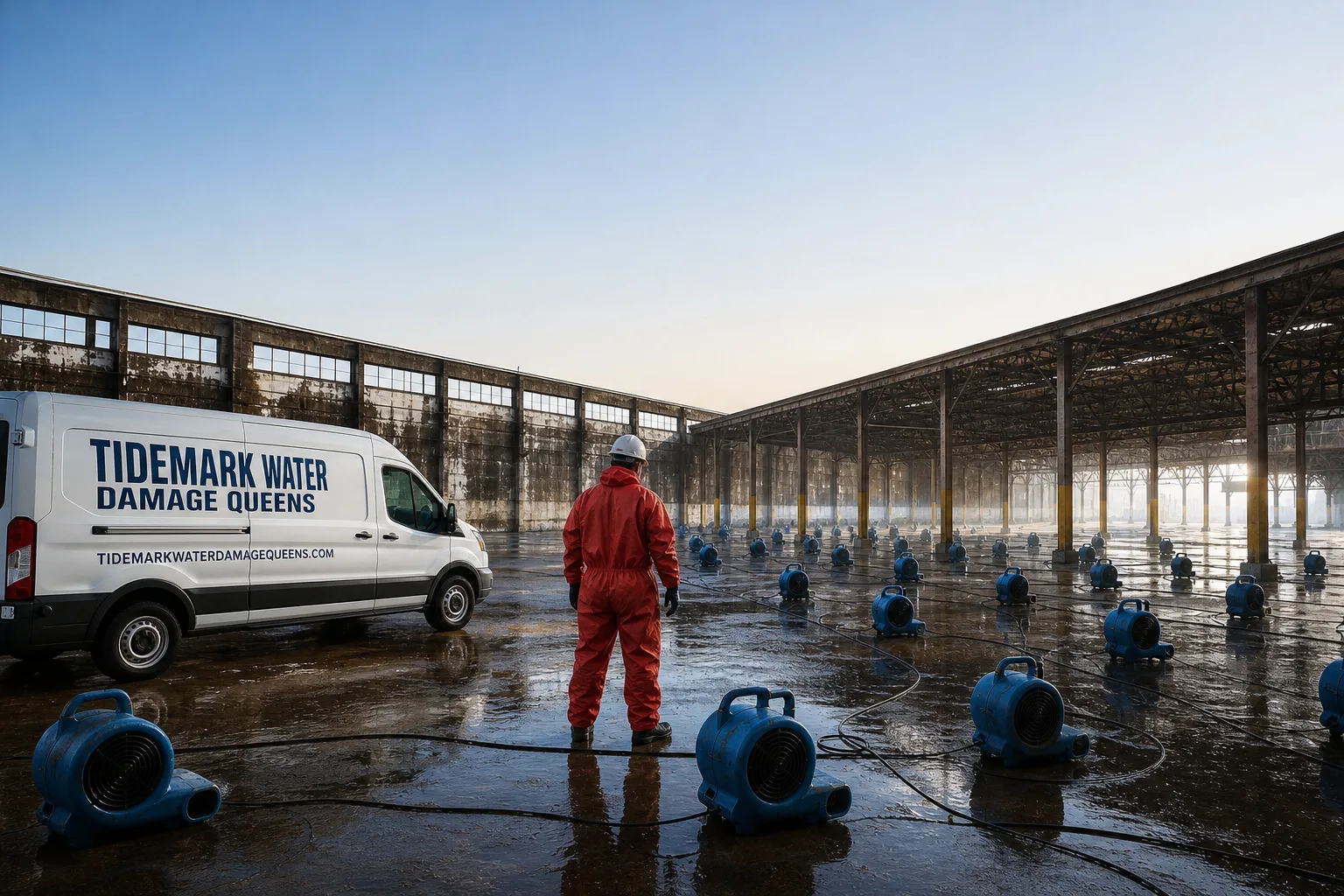
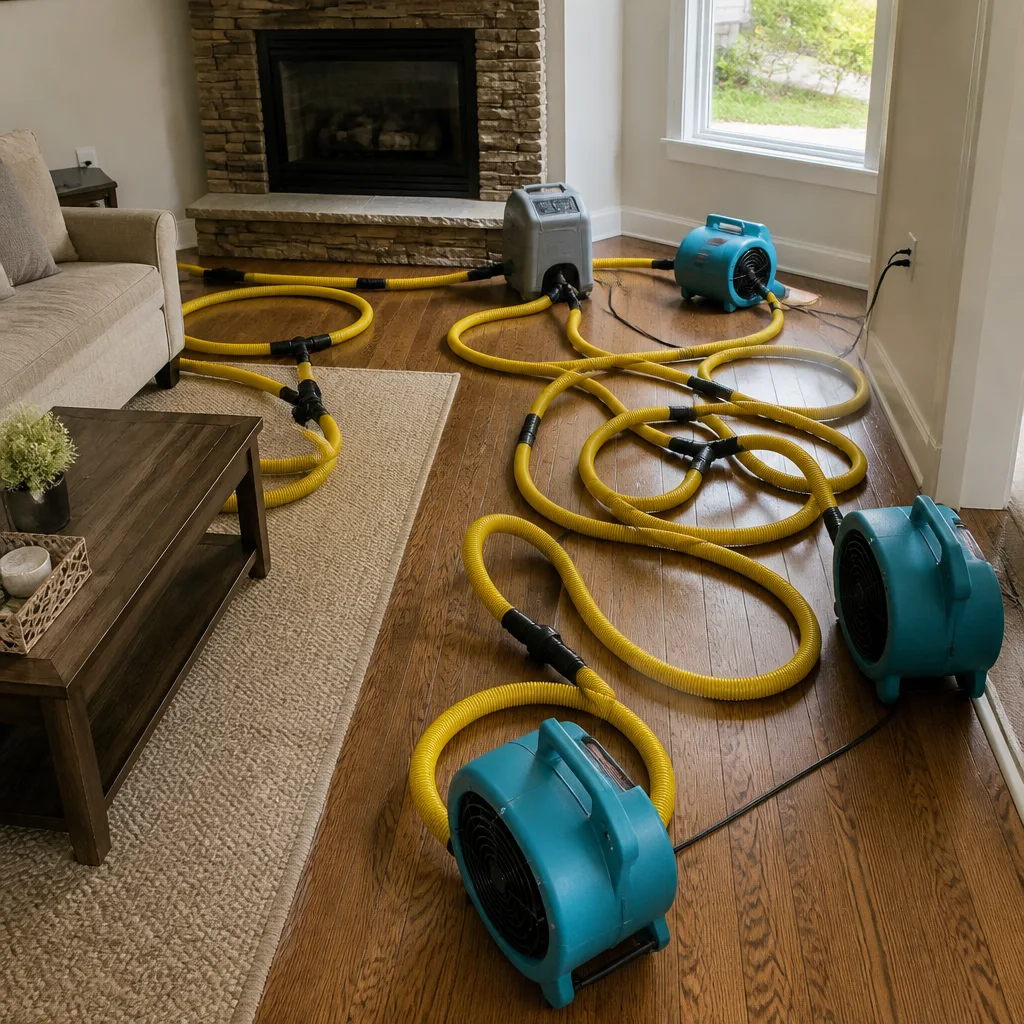
 Water damage drying
 Fire & smoke cleanup
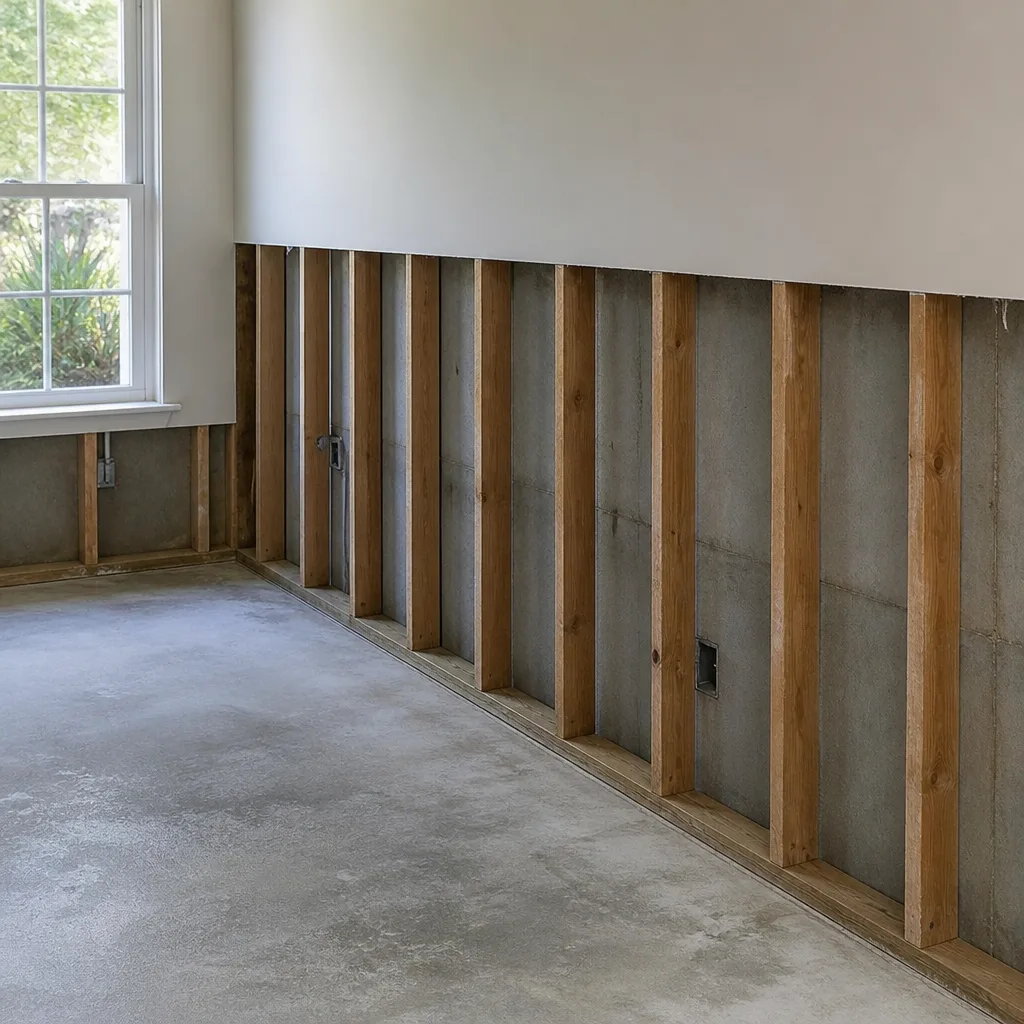 Mold remediation
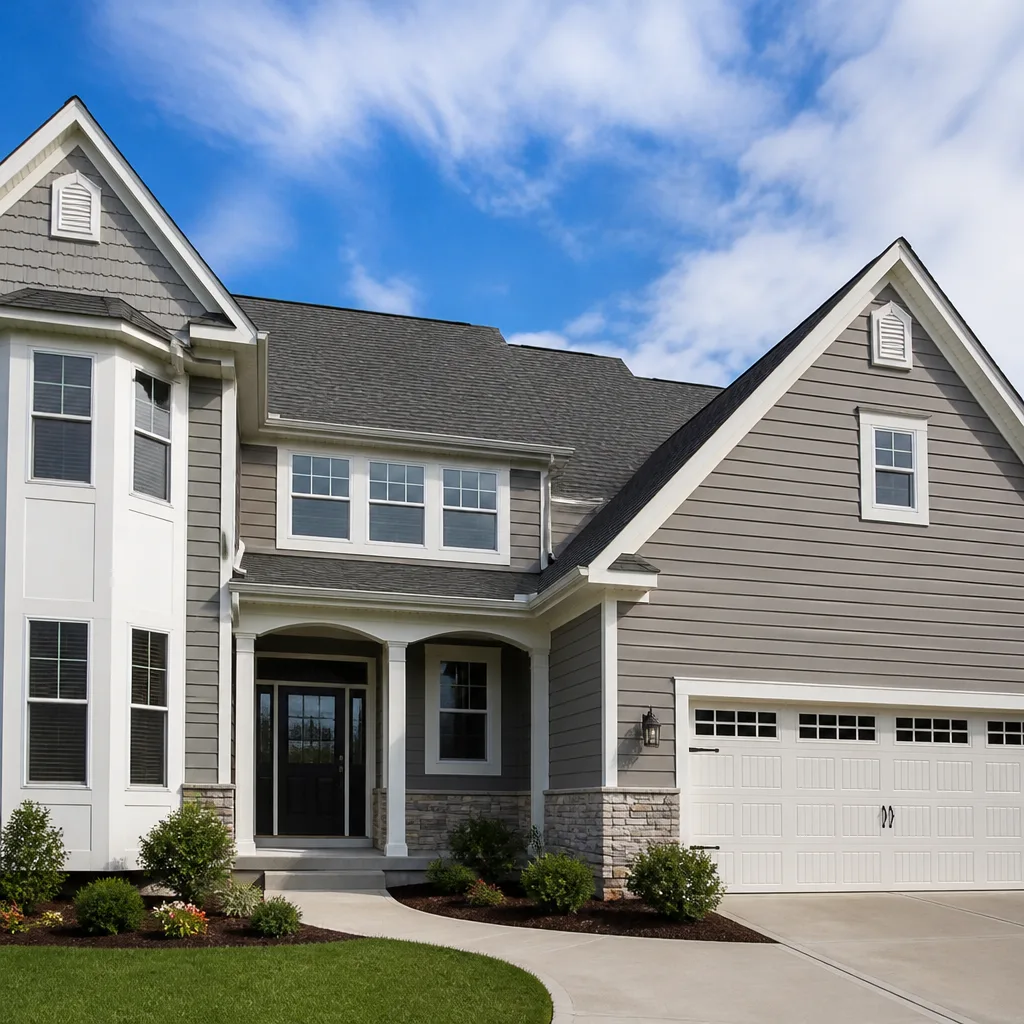 Storm response
 Sewage cleanup
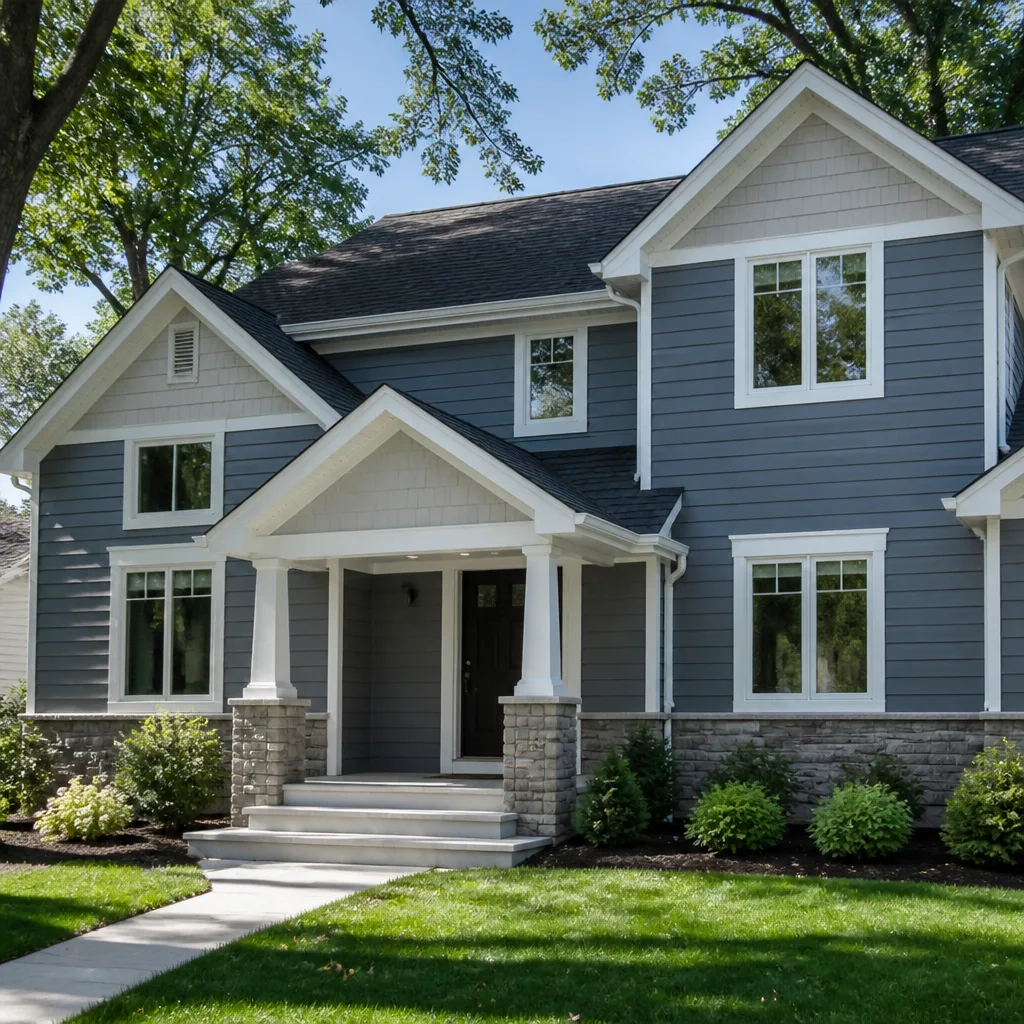 Reconstruction
Free visual inspection and a written scope of work before any mitigation begins - photos, moisture readings, and drying logs go in your claim file
The scope we write is the scope we bill. Anything new gets shown to you, in writing, before we touch it.
Get your free estimateRestoration work we handle
See the difference
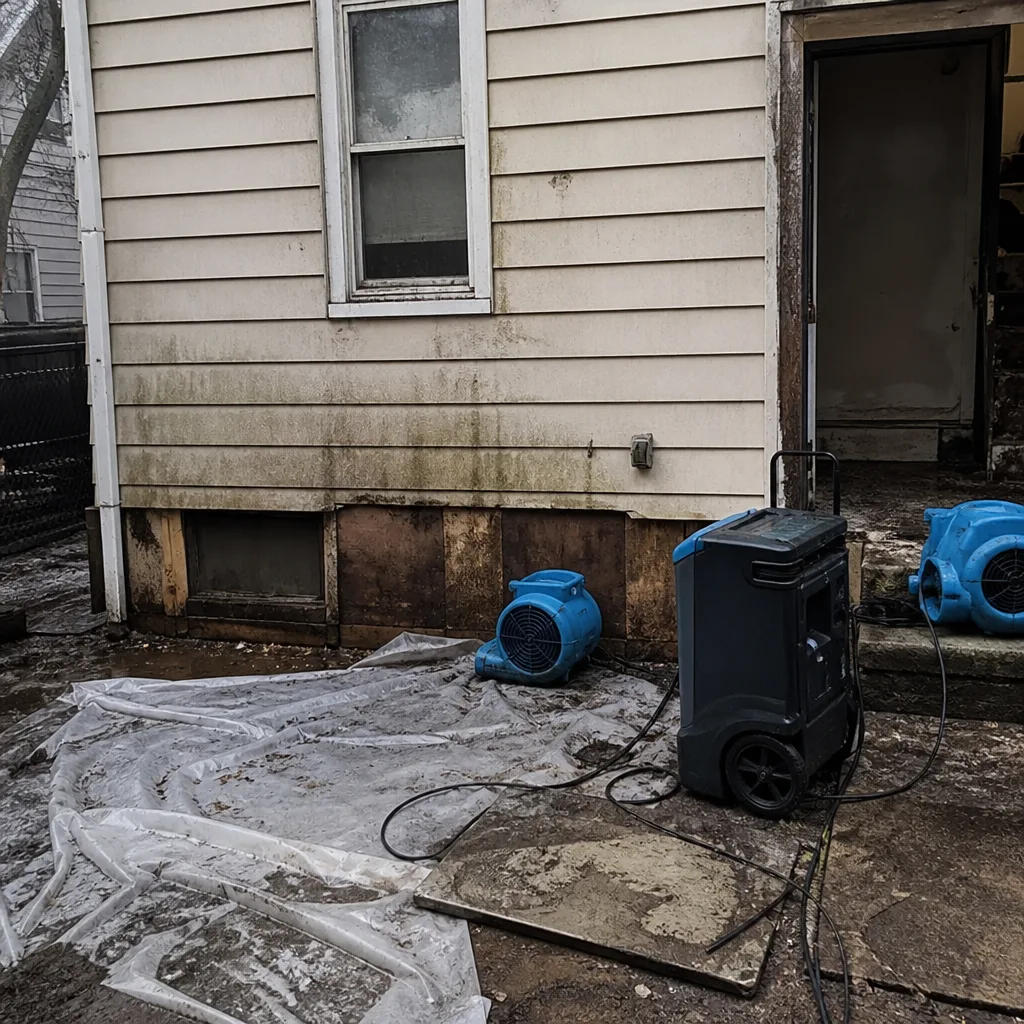 Before
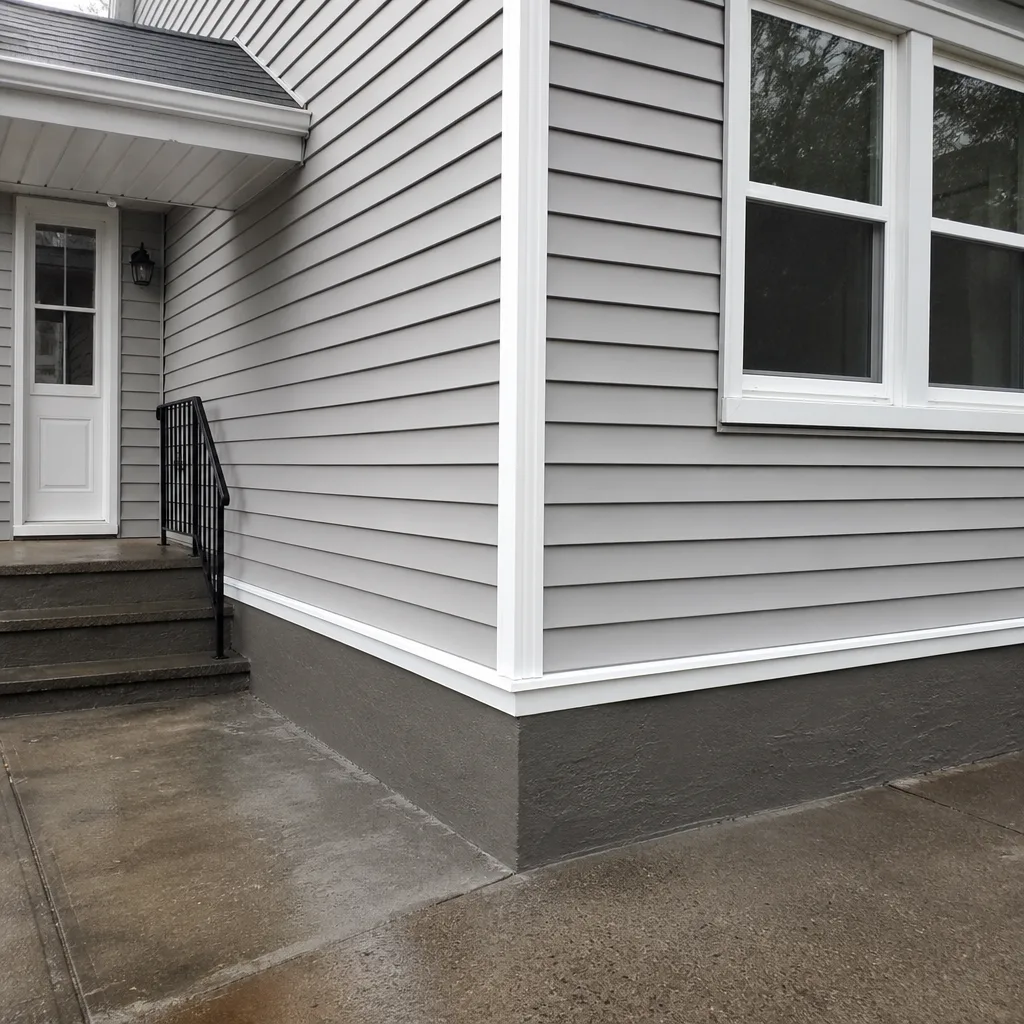 After
After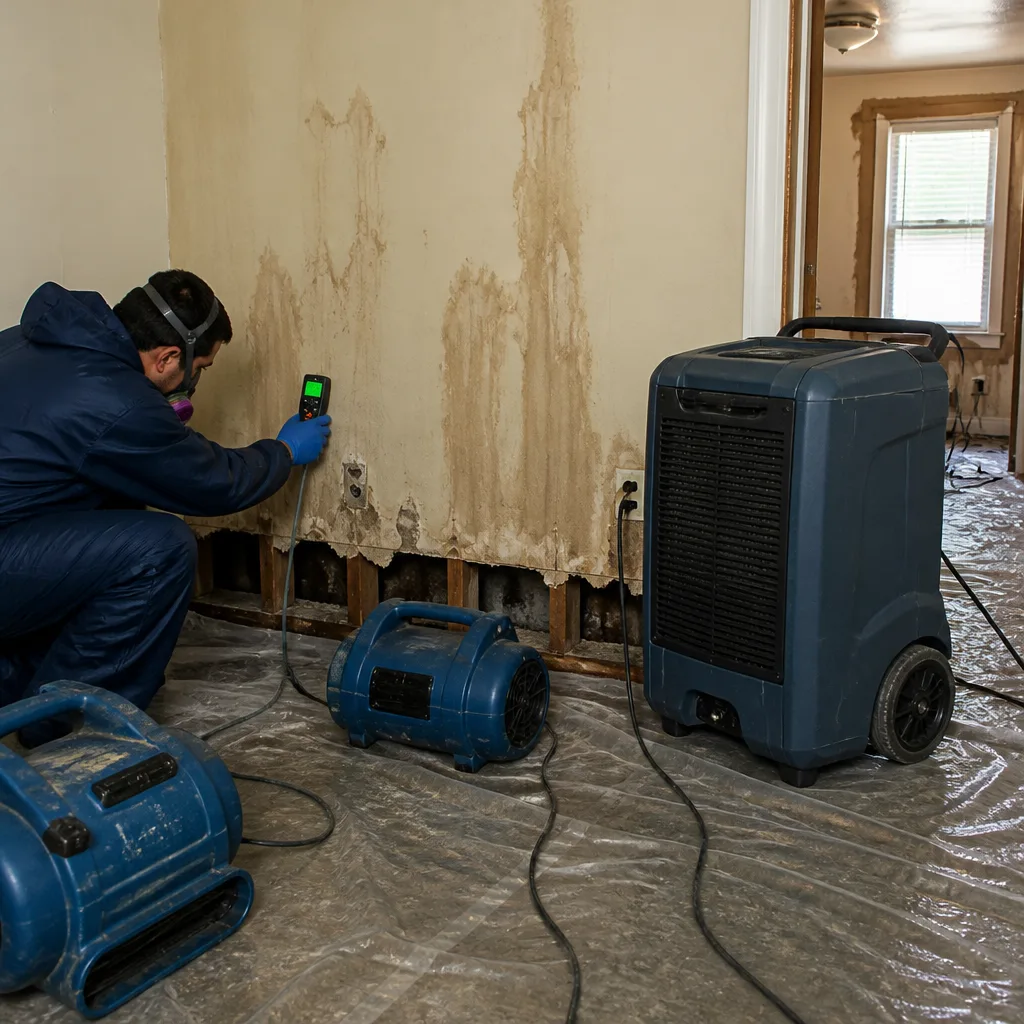 Before
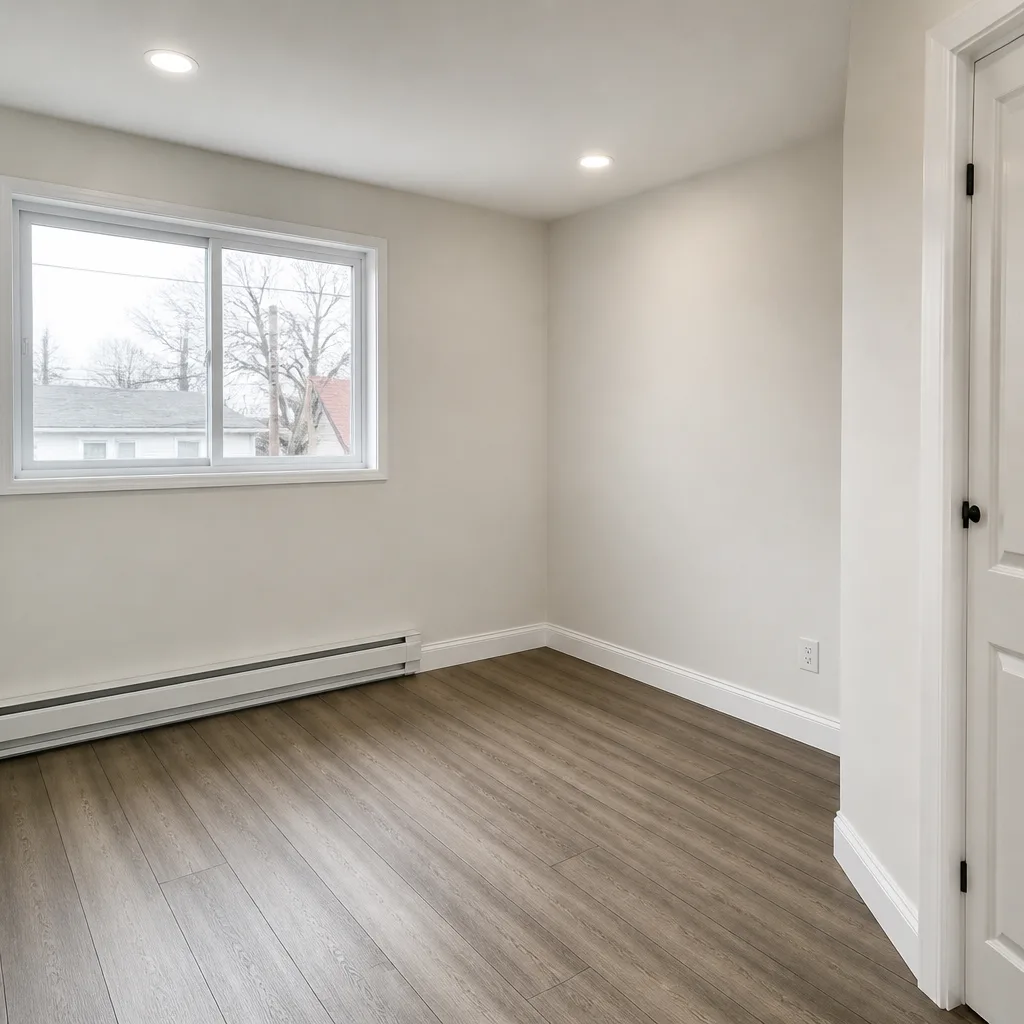 After
After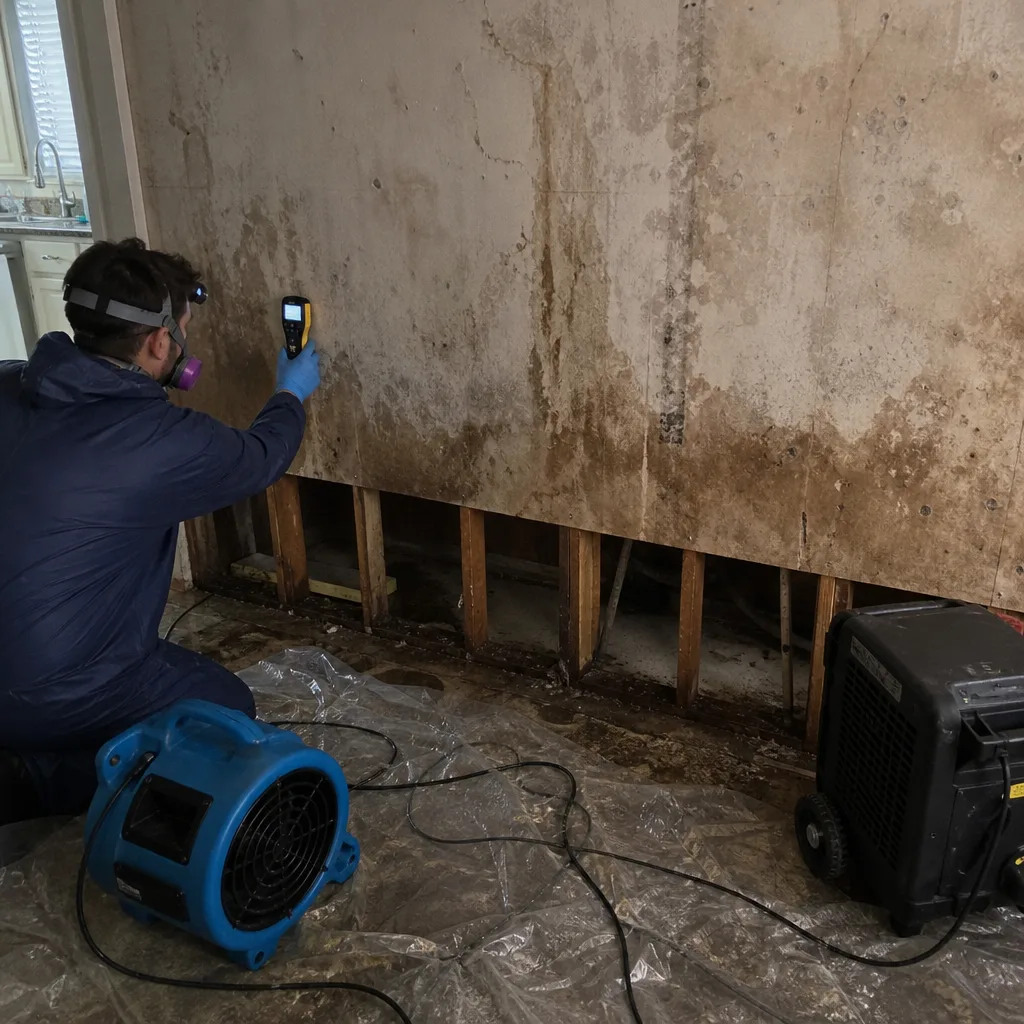 Before
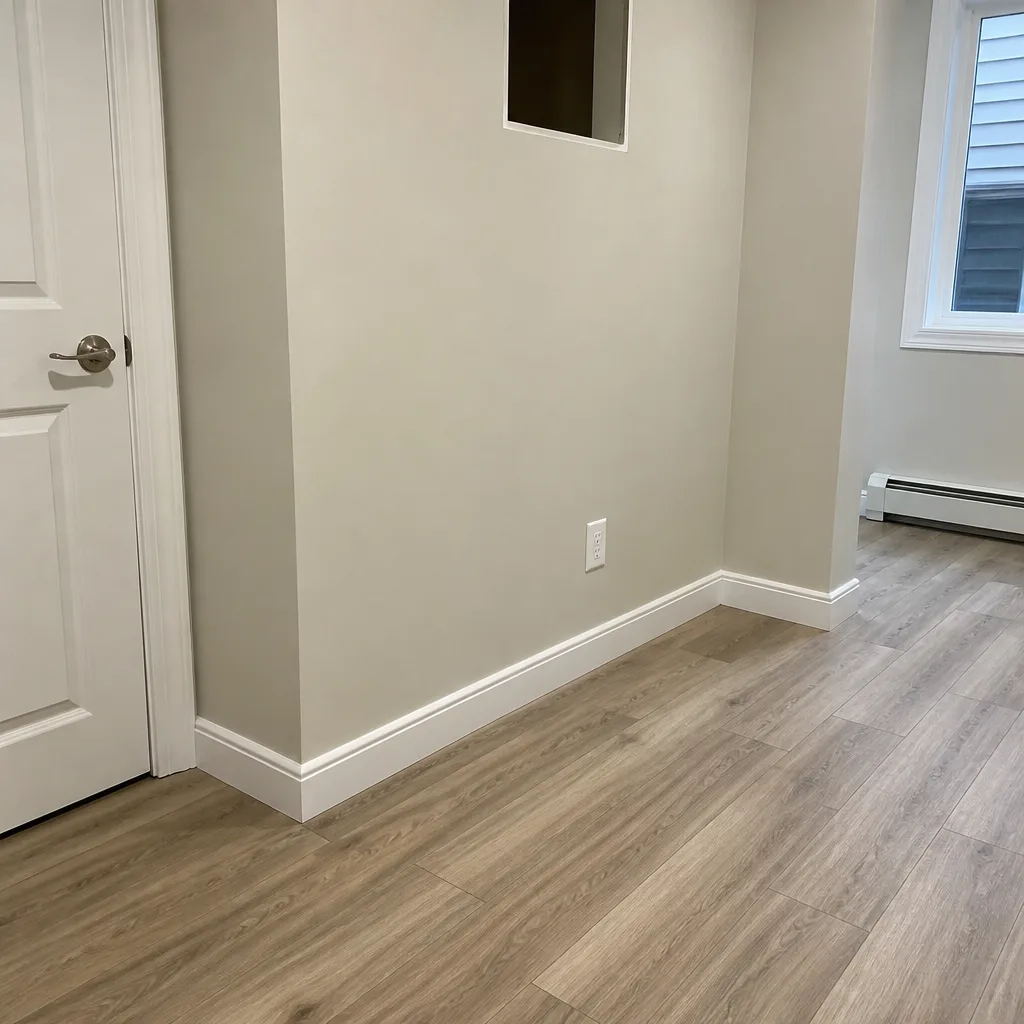 After
AfterHow Much Does Storm & Disaster Restoration Cost in Queens?
Storm and disaster restoration in Queens typically costs between $3,500 and $18,000 for most residential jobs, with water extraction and drying alone running $1,200 – $4,800 and full structural repairs climbing to $30,000+ when roofing, framing, or foundation work is required. The single biggest cost driver is how long water sat before extraction began, which is why Queens homeowners who call within the first few hours of a storm event consistently land at the lower end of these ranges. Every Tidemark job starts with a written price before any equipment comes off the truck, so you’ll know your number before we touch a single surface.
Pricing reflects the Queens market as of 2026. Tidemark Water Damage Queens offers free estimates – call (607) 600-9946.
Storm & Disaster Restoration Cost Breakdown (2026)
Queens presents a specific set of restoration conditions: attached rowhomes in neighborhoods like Astoria and Sunnyside share walls with neighbors, basement apartments in Jackson Heights and Elmhurst flood faster than elevated single-family homes in Bayside, and older housing stock in Ridgewood and Woodhaven often means plaster walls and original hardwood floors that require slower, more careful drying. Prices below reflect the 2026 Queens market across these housing types.
| Restoration Service | Typical Queens Price Range | What’s Included |
|---|---|---|
| Water extraction & moisture mapping | $800 – $2,200 | Truck-mounted extraction, infrared camera moisture survey, tide mark identification |
| Structural drying (3 – 5 days) | $1,200 – $4,800 | Air movers, dehumidifiers (Dri-Eaz, Phoenix), daily moisture readings, drying logs |
| Storm water carpet & pad removal | $400 – $1,800 | Padding disposal, carpet salvage assessment, anti-microbial application where needed |
| Drywall removal & replacement | $1,500 – $6,500 | Cutting flood-cut lines, removal, disposal, new drywall, taping, initial mud coat |
| Mold remediation (post-storm) | $2,500 – $9,000 | Containment, HEPA air scrubbing, affected material removal, clearance testing prep |
| Roof tarping (emergency storm response) | $450 – $1,400 | Temporary waterproof covering, perimeter sealing, photo documentation |
| Sewer backup cleanup (Category 3 water) | $3,000 – $12,000 | Contaminated water removal, biohazard cleaning, full surface disinfection, affected material disposal |
| Fire damage restoration (storm-related electrical fire) | $5,000 – $35,000 | Soot removal, odor neutralization, wall/ceiling cleaning, burned material replacement |
| Full interior rebuild (major storm event) | $18,000 – $50,000+ | Complete restoration to pre-loss condition: framing, electric, flooring, paint, finish work |
What moves the number up or down
Three things shift a Queens restoration invoice more than anything else:
- Response time. A storm drain backup in a Woodside basement that gets extracted the same day costs a fraction of one that sits for 72 hours. Water that reaches the tide mark on drywall and keeps rising into insulation doubles or triples the drying footprint.
- Housing type. Attached homes in Sunnyside Gardens and Jackson Heights often mean water travels laterally through shared walls, which requires coordination with a neighbor’s unit and sometimes drying both sides of a party wall. Detached homes in Queens Village or Little Neck dry faster and with less equipment.
- Water classification. Rain water from a window leak (Category 1) is a simpler cleanup than a backed-up sewer line on Beach 116th Street in the Rockaways (Category 3), which requires full PPE, containment, and far more extensive disposal.
What Affects Storm & Disaster Restoration Pricing in Queens
- Proximity to the coast. The Rockaways, Broad Channel, Howard Beach, and Hamilton Beach sit in FEMA-designated flood zones. Homes there see more frequent and more aggressive storm surge events, and restoration conditions involve salt water, which corrodes wiring faster and requires more thorough flushing of wall cavities.
- Basement depth and drainage capacity. Many Queens basements sit below street grade with aging French drains. In neighborhoods like Flushing and Fresh Meadows, storm sewer capacity is notoriously strained during heavy rain, which means sump pump failures and sewer backups happen together. A job that involves both clean water and sewage costs more because of cross-contamination protocols.
- Age and construction of the home. Pre-war detached houses in Kew Gardens and pre-1950 rowhouses in South Ozone Park often contain plaster-and-lath walls that dry differently than drywall. Plaster can sometimes be saved with low-grain refrigerant dehumidification, but that process takes longer and requires more technician hours. That time shows up in the labor line.
- Accessibility. A basement on a dead-end block in Whitestone with narrow alley access means smaller equipment hand-carried in, which adds labor hours. A garage-level walk-out in Long Island City with direct truck access means faster setup and lower cost.
- What the water touched. Water that reaches the tide mark on a wall and stops there is a contained job. Water that sat overnight, wicked through the baseboards, and reached the wood subfloor means pulling floors, drying the framing, and in many cases replacing the subfloor itself. The difference is often $4,000 to $11,000 on the final invoice.
- Whether mold is already present. Queens has high summer humidity, and mold in a wet, warm basement can begin colonizing within 48 to 72 hours. If spores are already visible when we arrive, the job transitions to mold remediation, which requires containment barriers and HEPA air scrubbing. That typically adds $2,000 to $6,000 to the scope.
How to Save on Storm & Disaster Restoration
Saving money on storm restoration in Queens is mostly about time and information. The faster you call, the smaller the drying footprint. The more you know about what your insurance covers, the less you pay out of pocket for surprises.
- Call before you shop. Every hour that Category 2 or Category 3 water sits in your home, the damage zone expands. Water that would have needed one air mover and one dehumidifier at 9 a.m. needs four of each by 6 p.m. The phone call takes 90 seconds. The equipment savings can be in the thousands.
- Know your policy language. Most Queens homeowners policies cover sudden and accidental storm water damage, but exclude damage classified as “flood” under FEMA definitions. A window blown open during a storm is typically covered. Street water rising up through a basement drain may not be, unless you carry a separate flood policy. Ask your adjuster for a written coverage determination before authorizing non-emergency work.
- Photo and video everything before anyone moves anything. Your camera roll is the difference between a smooth claim and a denied one. We take a photo of the clean-up before the crew leaves, but before we arrive, take 30 seconds to document the standing water, the water line, and any damage to belongings. It costs you nothing and protects the claim.
- Don’t turn off the heat in winter storm losses. A frozen pipe burst in a Bay Terrace home during a nor’easter will dry faster with the heat running at 65 degrees or higher. Slow drying means mold risk, which means a bigger invoice. If you’re able to safely leave the heat on, do.
- Ask for a written scope before signing anything. We give a written price before any work starts, on every job. You should hold any restoration company to that standard. A verbal estimate is not an estimate. A written scope with line items is the only thing that protects you from surprise line items at the end.
One more thing worth knowing: we offer free estimates in Queens, and the number is (607) 600-9946. You’ll get a written number before anyone picks up a tool. That’s the whole point.
How Restoration Works: The Step-by-Step Process
Knowing the sequence helps you understand where the money goes. Here’s how a typical storm restoration job proceeds in Queens, from first call to final walkthrough.
Step 1: Live phone call and dispatch
You call, a real person answers, and we ask specific questions about where the water is, how deep it sits, and whether the power in that area is off. If you’re standing in a basement with water above an outlet, we’ll tell you to leave the room and shut the breaker before you do anything else. Then we schedule the first available crew.
Step 2: Arrival and initial assessment
Uniformed, background-checked technicians arrive with shoe covers and drop cloths already on the truck. Shoe covers go on at the door. Drop cloths cover the floor before the first piece of equipment comes in. We map the affected area with an infrared camera to find exactly how far the water traveled, and we identify the tide mark on every vertical surface. A tide mark is the line water leaves on a wall, and it is the first thing our technicians look for on every job.
Step 3: Written price before any work starts
After the assessment, you get a written scope of work with a line-item price. Before any extraction begins. Before any machine runs. The number you read is the number you approve. No exceptions, on any job.
Step 4: Water extraction
Truck-mounted extractors pull standing water out of carpet, wood, and concrete. In a finished basement in Rego Park, this phase usually takes a few hours. Extraction is the fastest and cheapest phase of restoration, and it has the biggest impact on how long the drying phase takes.
Step 5: Structural drying
We position air movers and dehumidifiers from Dri-Eaz, Phoenix, XPOWER, B-Air, and Injectidry to create airflow that carries moisture out of building materials. Technicians return daily to take moisture readings and adjust equipment placement. Most Queens homes dry in three to five days. Older plaster homes can take seven to ten.
Step 6: Cleanup, documentation, and photo delivery
We clean as we work and we ask before we move or touch anything. When the job is done, we take a photo of the clean-up and share it with you before the crew leaves. You see exactly what was done and how it was left. If anything is not done right, the 365-Day Done Right Promise means we make it right, even if you find it months later.
How Much Does Insurance Cover for Storm Restoration in Queens?
Here’s the honest answer: most Queens homeowners with standard HO-3 policies will see storm-related water damage covered, with the common deductible being $1,000 or $2,500, and total covered restoration costs for a moderate storm event ranging from $4,000 to $18,000 before the deductible applies. What matters is how the water got in.
- Wind-driven rain through a broken window or damaged roof: typically covered. This is storm damage under a standard policy.
- Tree falls on the house and water follows: typically covered as wind damage, including the water damage that resulted from the opening in the structure.
- Street water or storm surge rising up through drains: often not covered under a standard policy unless you purchased flood insurance separately. In Broad Channel and other Zone A neighborhoods, this distinction decides whether your claim is paid.
- Sewer backup from overloaded storm drains: covered only if you have a sewer backup endorsement, which in Queens typically adds $40 to $90 per year to a policy but pays out substantially when a July thunderstorm overwhelms a combined sewer line.
We work with adjusters daily and document everything in the language insurance companies respond to: photos before, during, and after; moisture maps; daily drying logs; equipment placement records; and a final scope that matches the initial written estimate. If your claim is partially denied, our documentation is what gives your public adjuster the ammunition to push back.
Emergency Storm Response in Queens: What We Typically See
Queens weather patterns create specific disaster profiles. Here’s what our technicians encounter most often across the borough, and what it costs to address.
Coastal surge events in the Rockaways and Broad Channel
Storm surge brings salt water and sand into homes. Salt water is more corrosive than fresh water, which means every affected electrical component must be inspected or replaced, and wall cavities need extended flushing to avoid long-term corrosion. A single-family bungalow in Rockaway Beach with three feet of surge water typically runs $25,000 to $45,000 for complete restoration, because the scope almost always includes electrical work, full drywall replacement below the water line, and flooring replacement. Homes that were built to post-Sandy elevation standards fare better, but the sand and debris cleanup adds cost regardless.
Flash flooding in Jackson Heights, Elmhurst, and Corona
These neighborhoods sit on former marshland and have combined storm/sewer systems that overwhelm quickly. When a summer storm drops two inches of rain in an hour, the drains back up and basements flood from below. Because this water is often Category 3, cleanup includes full disinfection. Typical cost for a finished basement apartment in Jackson Heights: $8,000 to $22,000, including carpet removal, drywall flood cuts, disinfection, drying, and basic rebuild of the lower walls.
Nor’easter roof damage in Bayside, Whitestone, and Douglaston
High winds peel shingles and tear flashing, and water follows. The restoration sequence here starts with emergency tarping, then interior water extraction, drying, and finally roof repair or replacement coordination. Interior restoration for a two-story home with water in two or three rooms typically runs $5,500 to $14,000 for the interior portion alone, done by us, after the roofer seals the opening.
Tree-fall events in Forest Hills and Kew Gardens
Queens has an older tree canopy, and thunderstorms take down limbs that open roofs and walls. Water comes in through the opening, but the damage often includes structural impact. Interior water restoration in these cases runs $6,000 to $16,000, with additional structural repairs handled by licensed contractors. We sequence the work so the water damage is stabilized first, giving you time to get structural bids without watching the interior degrade.
Storm & Disaster Restoration Near You in Queens
Tidemark Water Damage Restoration covers all of Queens, from the Rockaways up through Flushing and across to Long Island City. Our technicians know the difference in housing stock between a pre-war co-op in Forest Hills and a mid-century ranch in Hollis Hills, and they dry accordingly. If you’re looking for a Storm & Disaster Restoration in Queens team that shows up with a written price and leaves with a photo of the clean-up, that’s exactly what we do. You’re also welcome to start at our home page to understand more about how we work.
Every job is covered by the 365-Day Done Right Promise. Technicians are IICRC-, RIA-, and IFA-credentialed, background-checked, and uniformed. We use professional-grade drying equipment from Dri-Eaz, Phoenix, XPOWER, B-Air, and Injectidry. And we answer the phone with a real person, 24 hours a day, seven days a week. Not a voicemail, not a callback queue.
FAQs – Storm & Disaster Restoration Cost
How much does storm damage restoration cost in Queens for a typical basement flood?
A typical basement flood from storm water in Queens runs $3,500 to $9,000 for extraction, drying, and basic material replacement like carpet, padding, and lower drywall. If the water is Category 3 from a sewer backup, add disinfection and containment, which pushes the range to $6,000 to $14,000. Call (607) 600-9946 for an exact quote. Estimates are free.
Is it cheaper to restore storm damage or replace everything?
Restoration is almost always cheaper than full replacement, typically 40% to 60% less. Drying and cleaning a room in a Queens home usually costs $1,500 to $4,000, while replacing the drywall, flooring, and finishes in that same room runs $6,000 to $12,000. Some materials cannot be saved safely: saturated carpet padding, any porous material touched by sewage, and drywall that has been wet for over 72 hours. We save what can be saved and replace what cannot, and the written estimate shows you which is which before work begins.
How much does emergency roof tarping cost after a storm in Queens?
Emergency roof tarping in Queens typically costs $450 to $1,400, depending on roof pitch, accessibility, and the size of the damaged area. Tarping is a temporary measure designed to stop further water intrusion while you line up permanent repairs, and you’ll see the tarping price written down before we put a ladder up.
Can you come today for storm damage in Queens?
Yes. We answer live 24/7 and dispatch same-day crews across Queens when call volume allows, which it does in most cases. For active water intrusion, we treat it as an emergency and prioritize accordingly. Call (607) 600-9946 and a real person will tell you the soonest available arrival time.
How much does mold remediation cost after a storm in Queens?
Post-storm mold remediation in Queens typically runs $2,500 to $9,000 for a contained area like a single basement wall or a ceiling cavity. Whole-basement remediation with extensive drywall removal can reach $12,000 to $18,000. The cost depends on how far the mold has spread, which is why we include a mold check in every storm damage assessment. Catching moisture in the first 48 hours is worth thousands.
How long does storm restoration take in a Queens home?
Water extraction takes hours. Structural drying takes 3 to 5 days in most modern Queens homes, 7 to 10 days in older plaster-and-lath houses. Full restoration including drywall replacement, flooring, and finish work typically completes within 2 to 6 weeks, depending on contractor scheduling for the rebuild phases. The drying phase is non-negotiable: cutting it short saves a few days now and guarantees mold later.
Pricing reflects the Queens market as of 2026. Tidemark Water Damage Queens offers free estimates – call (607) 600-9946.
Written by Rick Sumner, Owner at Tidemark Water Damage Queens, serving Queens since 2006.
What Our Customers Say
"Smoke damage after a small stove fire. They were considerate with our belongings, cleaned carefully room by room, and kept us updated calmly. House smells normal again."
- Nelson Pryor"Pipe burst and soaked our hallway. The crew was calm and reassuring at a stressful moment, and they were so careful moving our things to dry places. Protected the undamaged rooms with plastic."
- Francine Opell"Found mold behind the shower. They contained the area carefully so spores didn't spread through the house, wore the proper gear, and cleaned up meticulously. Calm and honest the whole time."
- Troy Bannister