
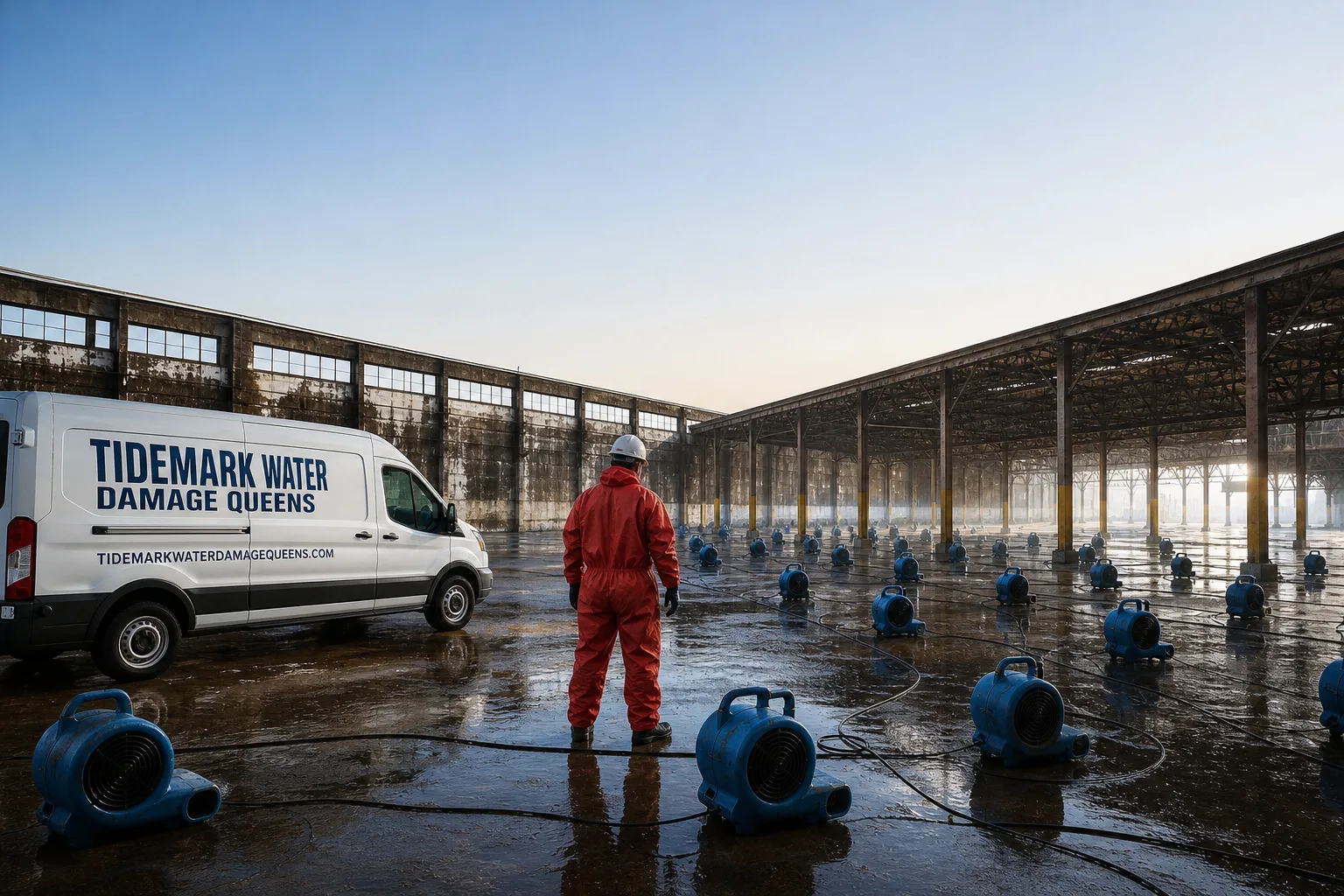
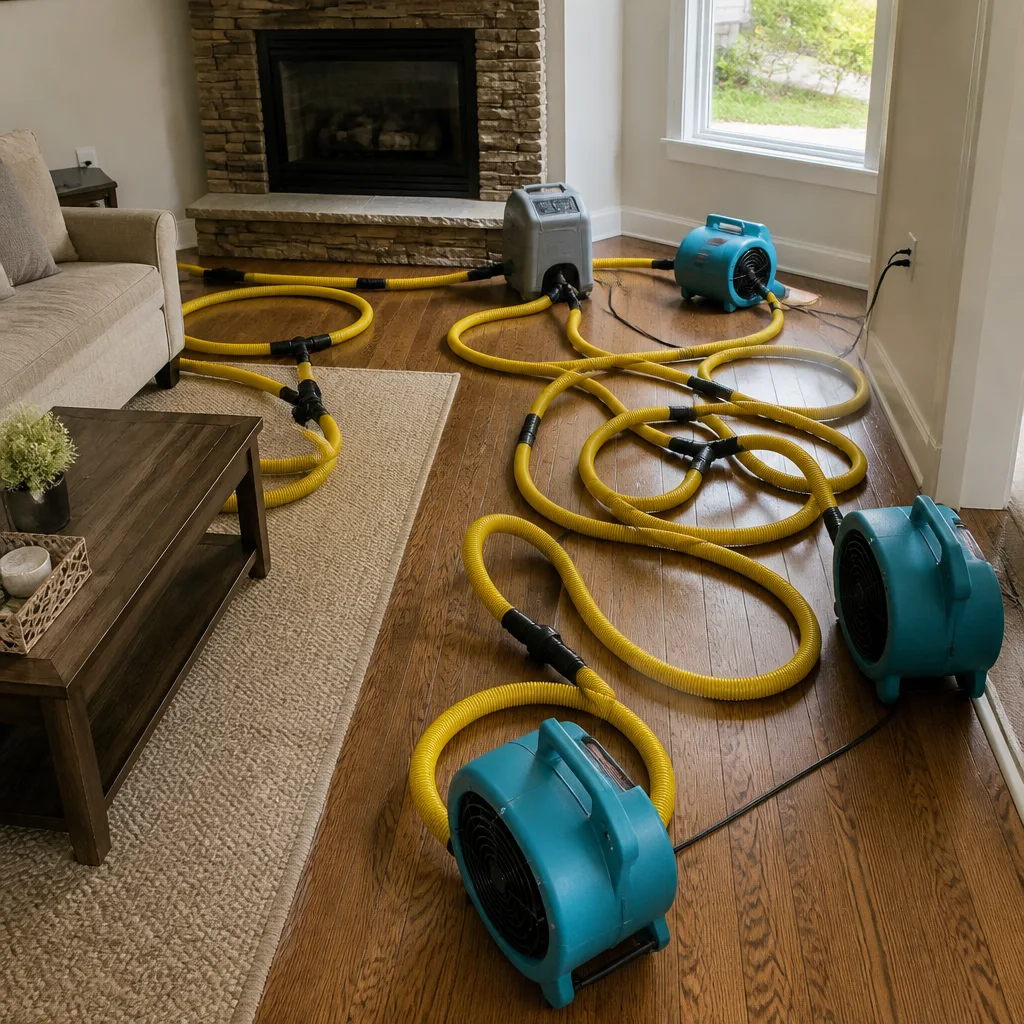
 Water damage drying
 Fire & smoke cleanup
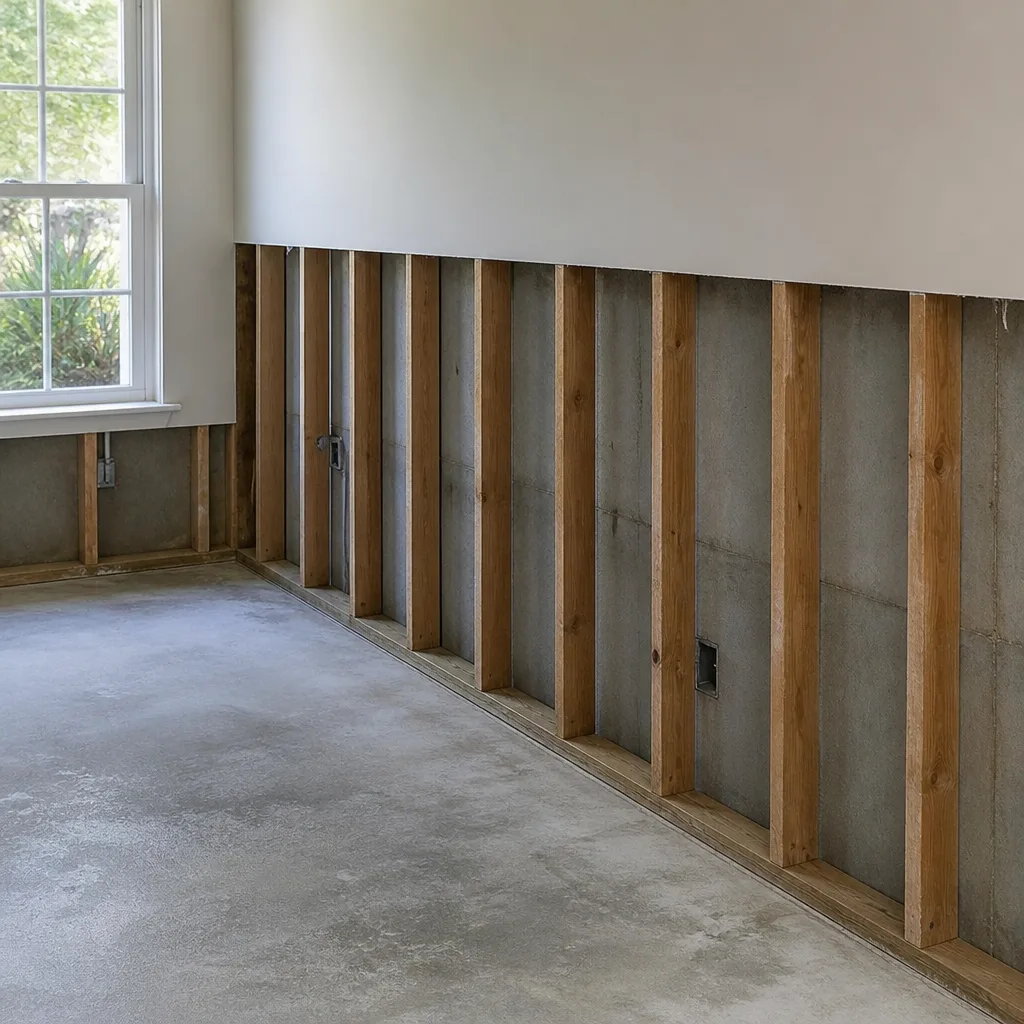 Mold remediation
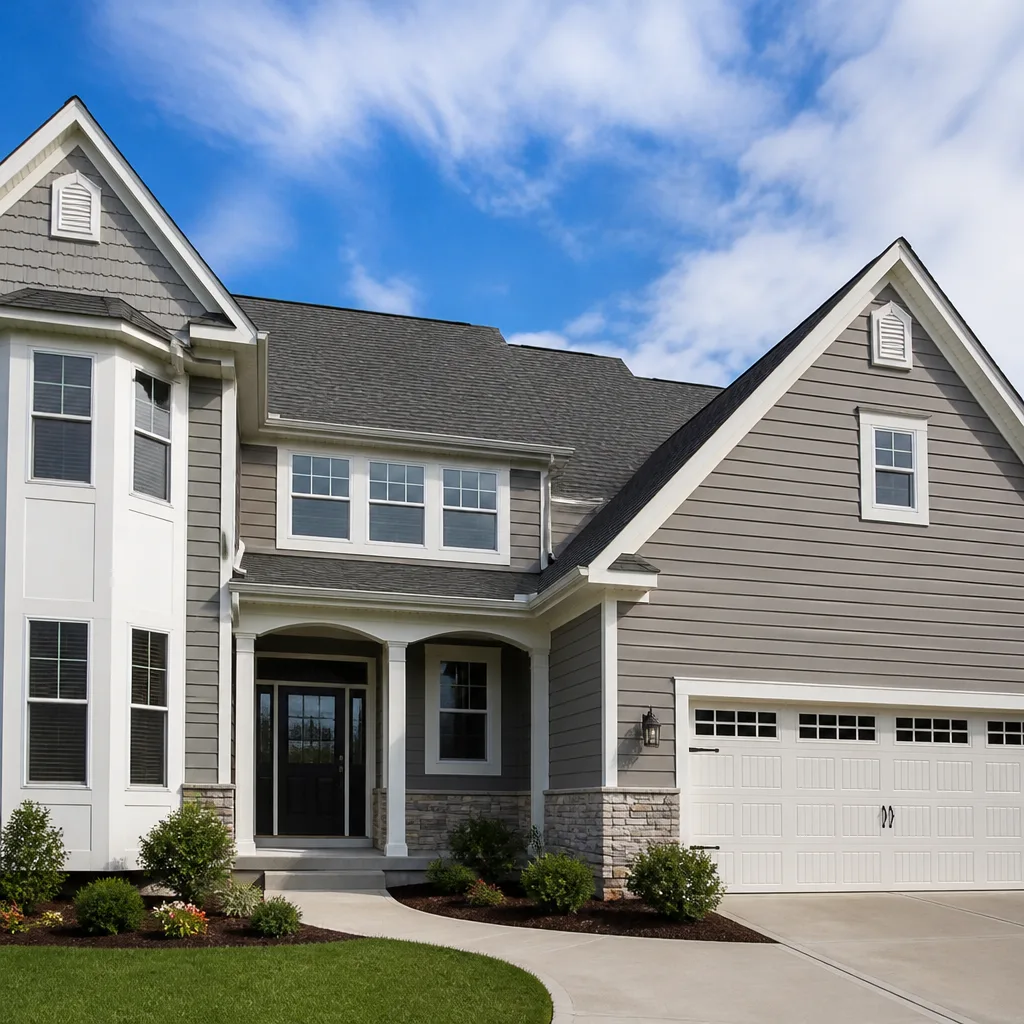 Storm response
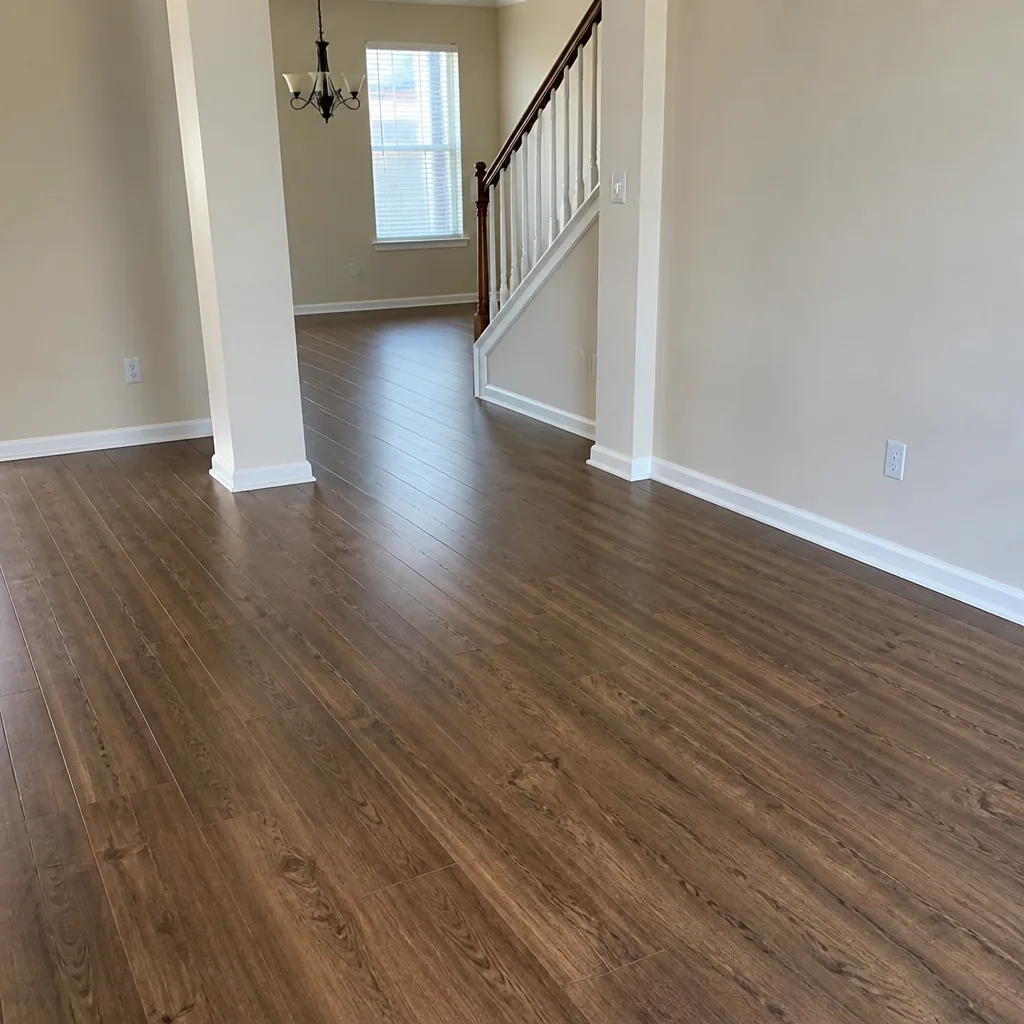 Sewage cleanup
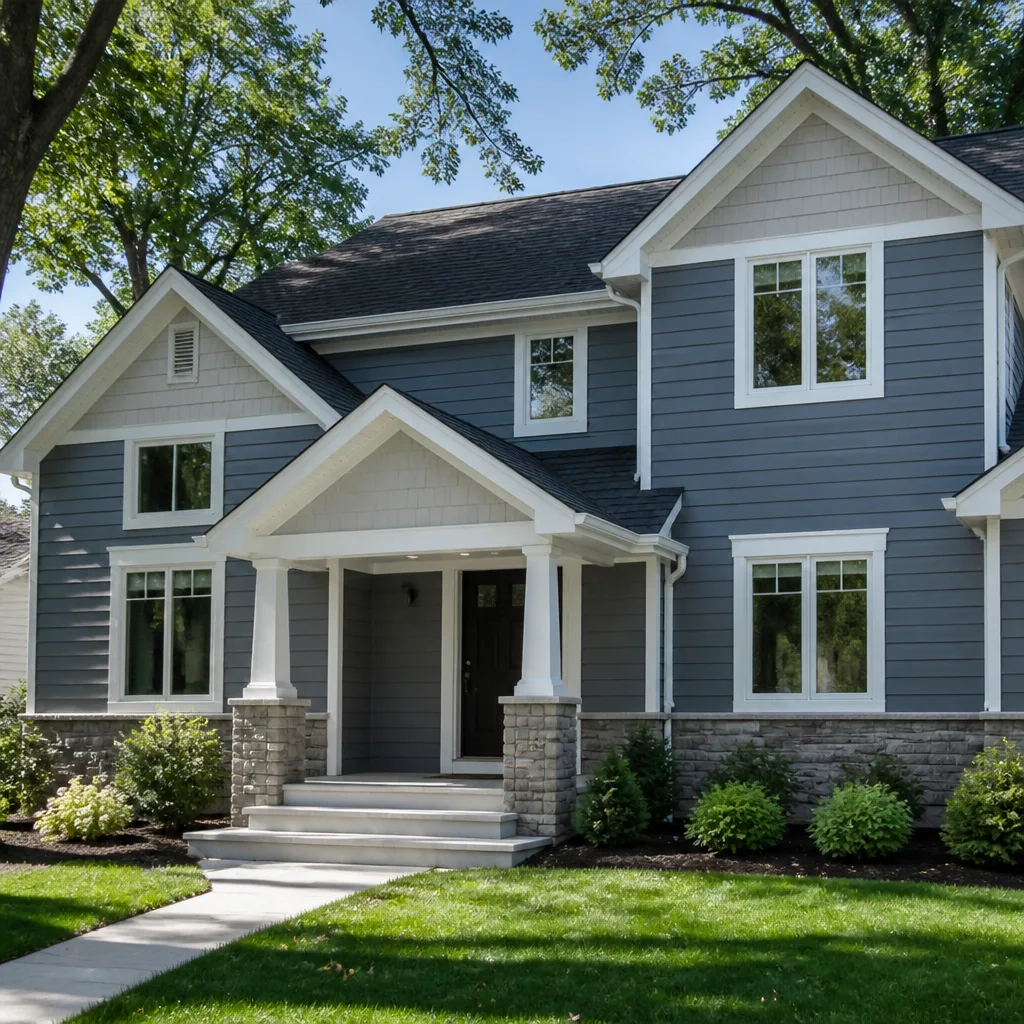 Reconstruction
Free visual inspection and a written scope of work before any mitigation begins - photos, moisture readings, and drying logs go in your claim file
The scope we write is the scope we bill. Anything new gets shown to you, in writing, before we touch it.
Get your free estimateRestoration work we handle
See the difference
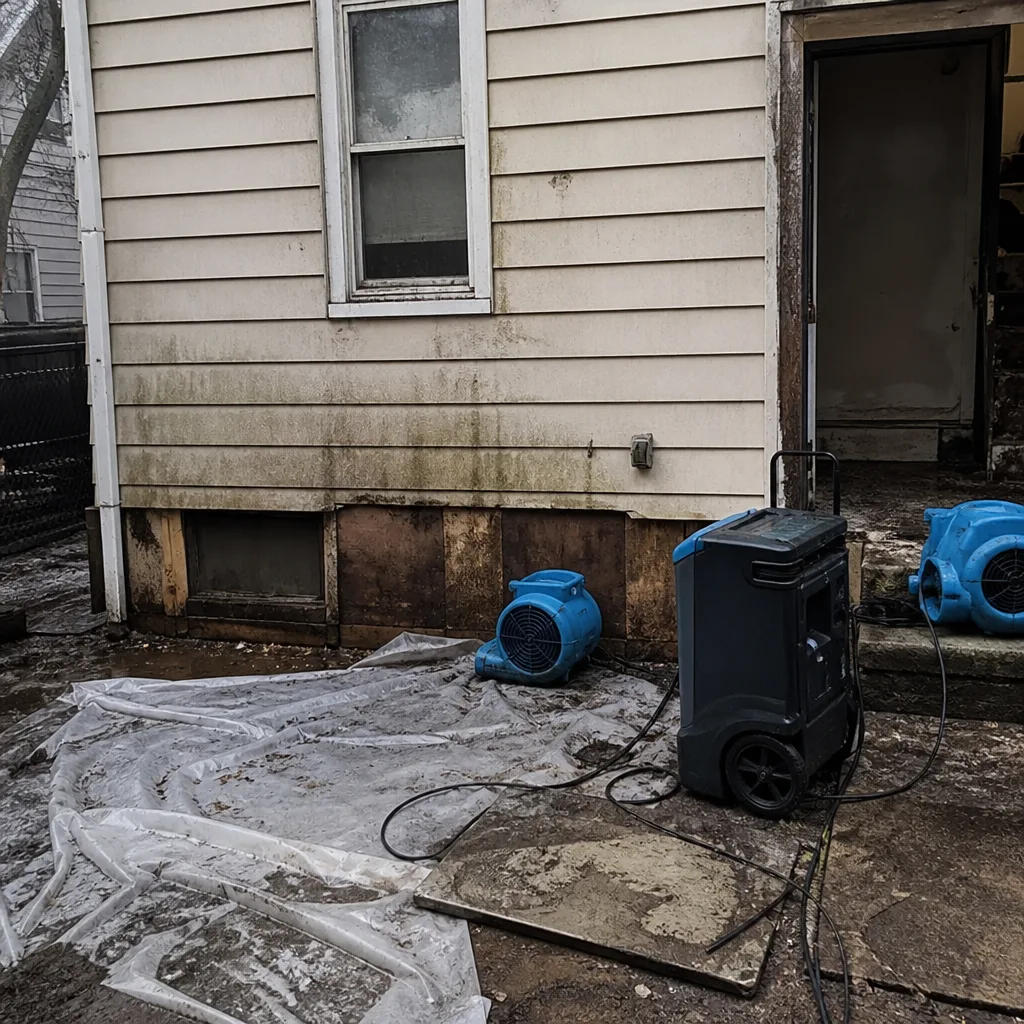 Before
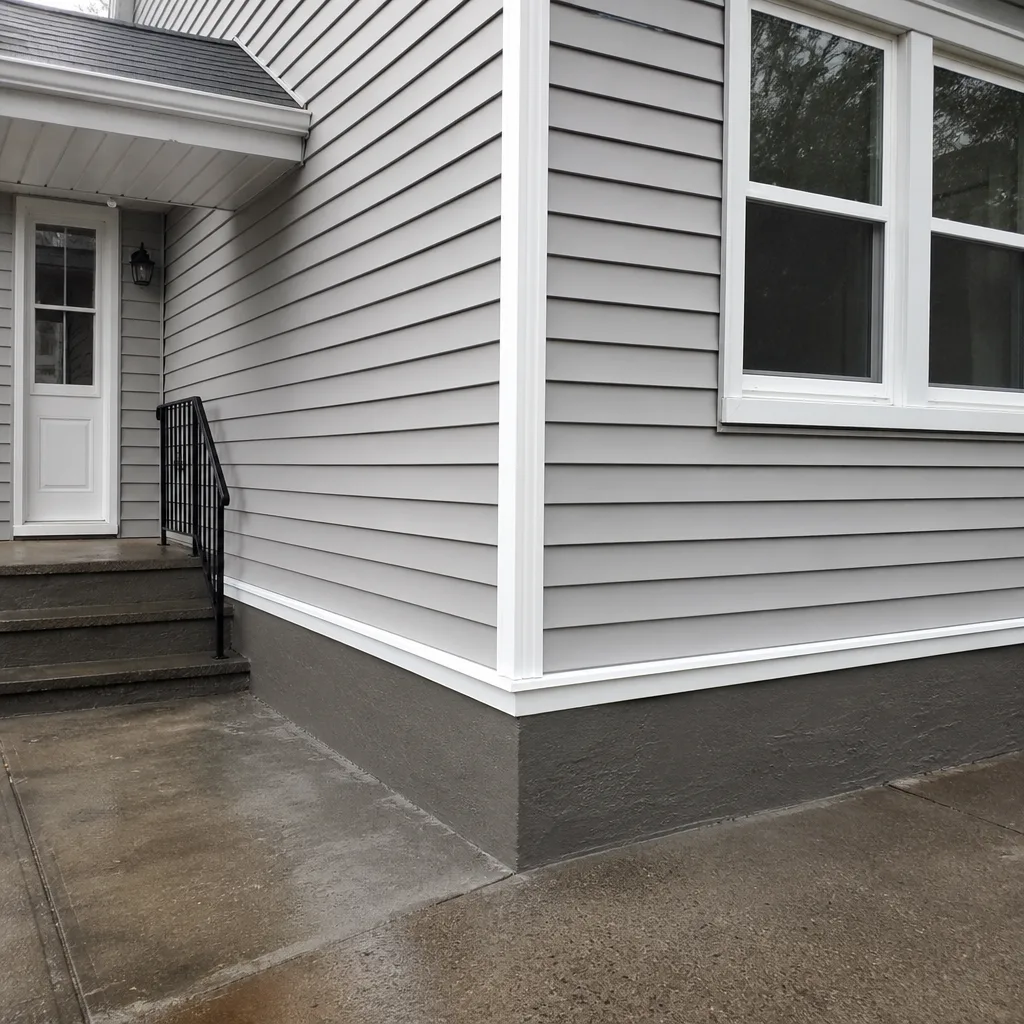 After
After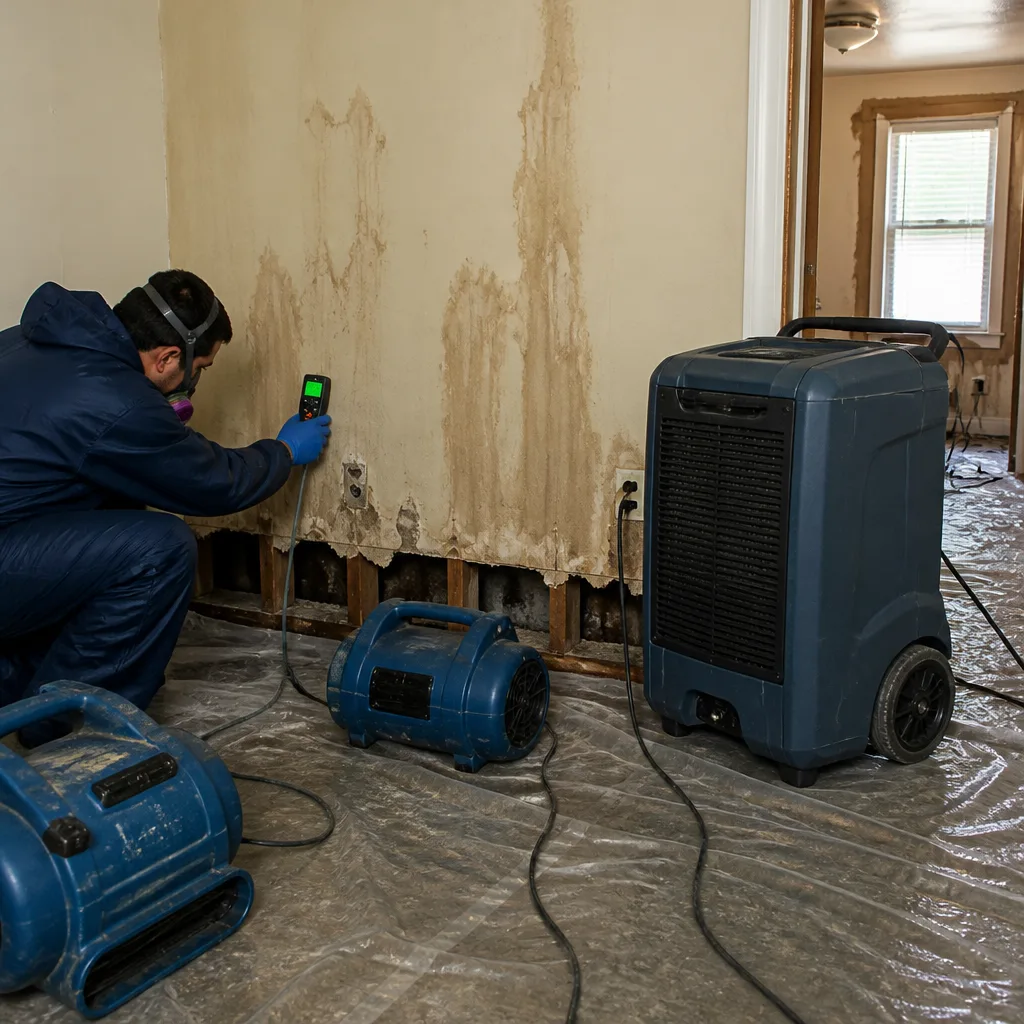 Before
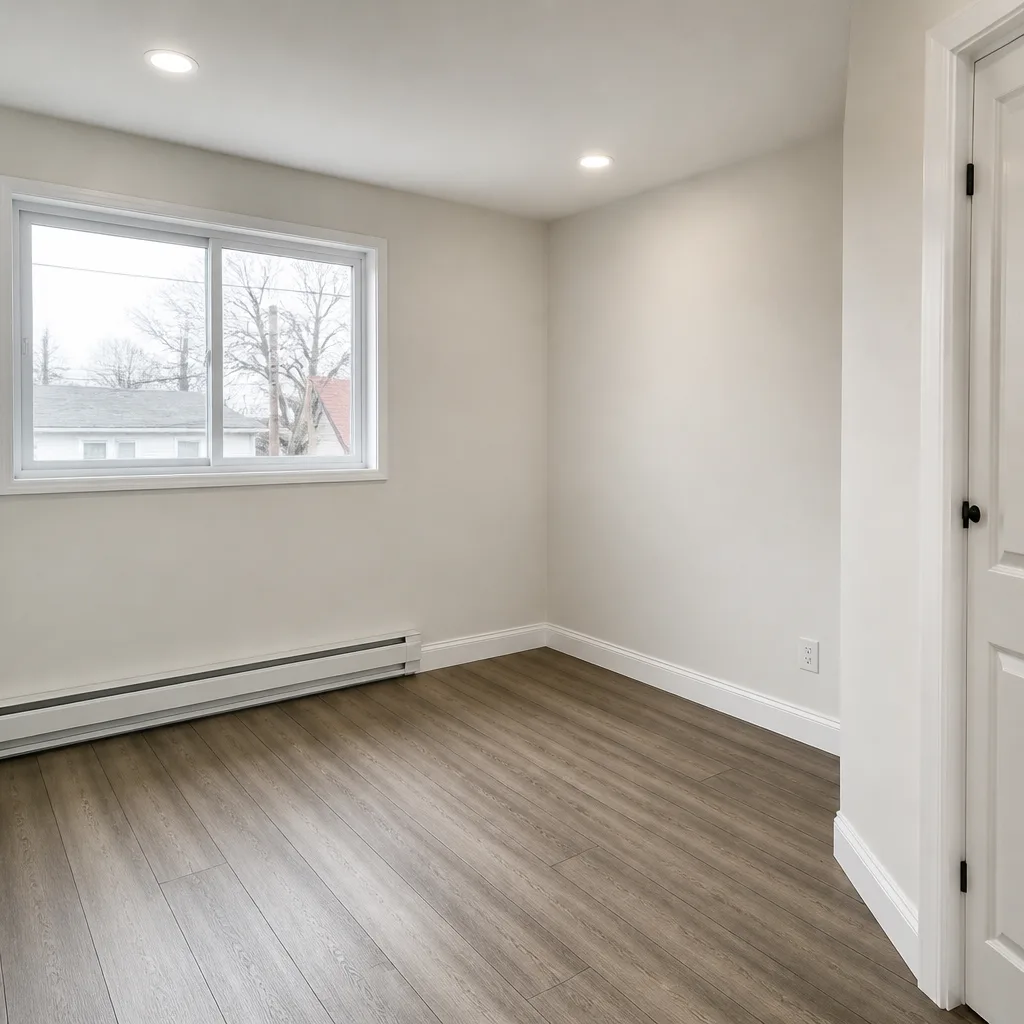 After
After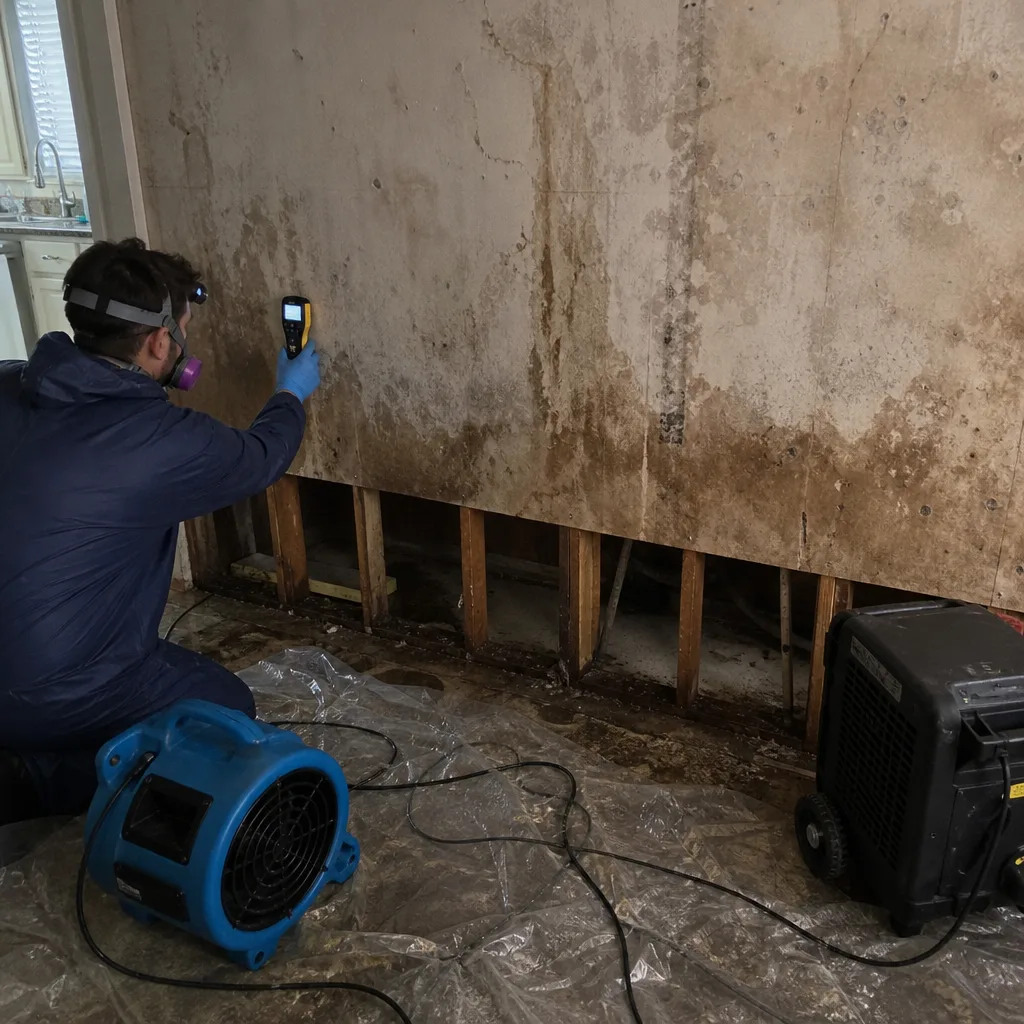 Before
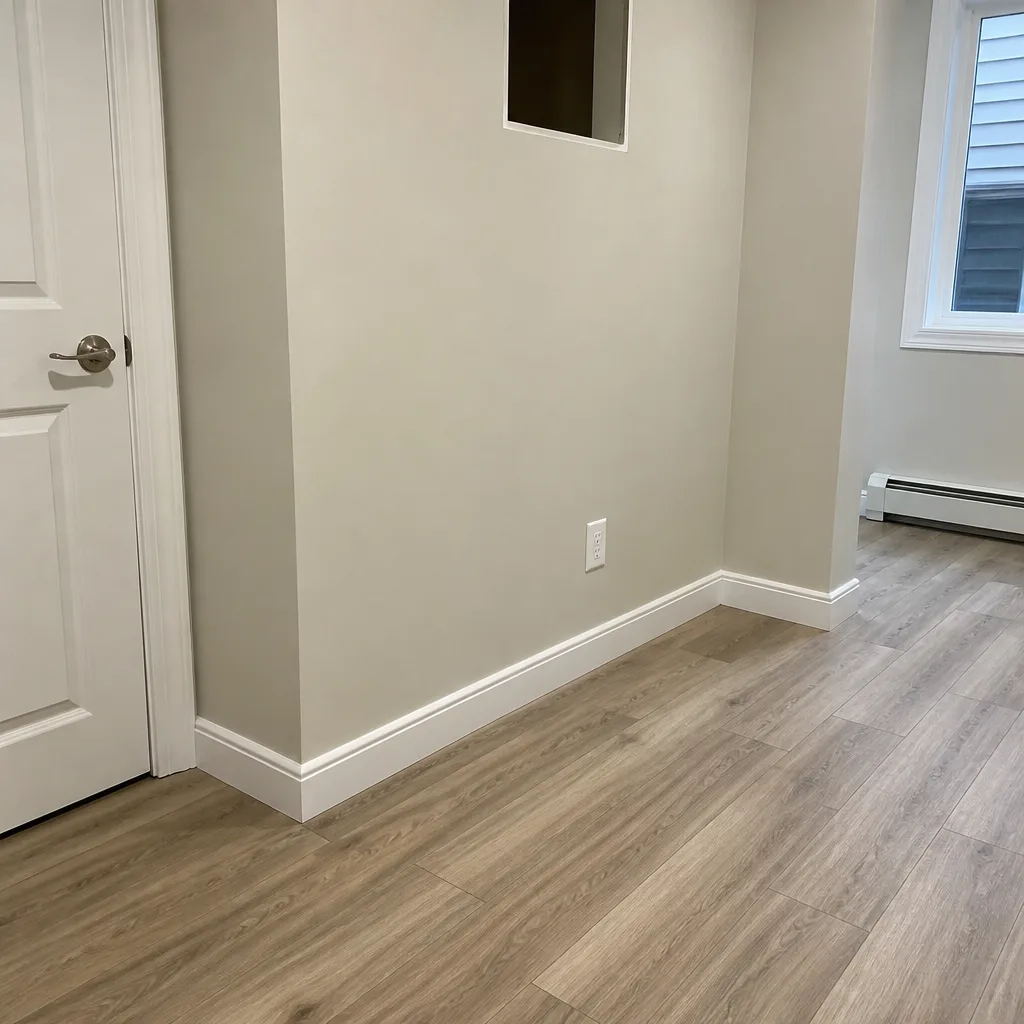 After
AfterHow Much Does Sewage Cleanup Cost in Queens?
Sewage cleanup in Queens typically costs between $1,800 and $6,500 for a standard residential job in 2026, with most homeowners paying around $3,200. Small contained backups in a single bathroom may run as low as $800, while a full basement contamination involving category 3 water can exceed $12,000 when flooring, drywall, and subfloor removal are required. Every Tidemark Water Damage Queens job includes a written price before any work starts, so the number you agree to is the number you pay.
These ranges reflect what we see across neighborhoods like Kew Gardens, Forest Hills, Bayside, and Astoria, where older plumbing infrastructure and high water tables shape cleanup costs in ways a national price chart won’t tell you. If you’re standing in water right now, call (607) 600-9946 and a live person will answer within three rings, day or night.
Key Takeaways
- Average sewage cleanup cost in Queens: $1,800 to $6,500; most jobs land near $3,200
- Small bathroom backups start around $800; full basement floods can exceed $12,000
- Category 3 (sewage) water always costs more than clean water because affected materials must be removed, not dried
- Extraction and drying are usually 30% to 40% of the total bill; demolition and disposal make up the rest
- Queens homeowners should expect 24 to 72 hours of drying time after sewage removal
- Tidemark delivers a written price before work begins, with no final-invoice surprises
Sewage Cleanup Cost Breakdown (2026)
Here is the line-item breakdown we quote from in Queens. These are real ranges from jobs we have handled in the borough, not national averages pulled from a database.
| Line Item | Typical Cost Range (Queens, 2026) | Notes |
|---|---|---|
| Emergency call-out and assessment | $0 to $150 | Waived when you proceed with cleanup. A live person answers 24/7. |
| Sewage extraction and water removal | $400 to $1,200 | Cost depends on water volume and size of the affected area. |
| Contaminated material removal (carpet, pad, drywall, baseboards) | $600 to $3,500 | Category 3 water means removal, not salvage. This is the biggest variable. |
| Antimicrobial treatment and disinfecting | $250 to $900 | We use pet-safe products where a choice exists and treat past the tide mark. |
| Structural drying (professional equipment) | $500 to $1,800 | Dri-Eaz and Phoenix units run 24 to 72 hours, sometimes longer in basements near Jamaica Bay. |
| Dehumidification and air scrubbing | $300 to $1,000 | HEPA air scrubbers pull sewage particulates from the air. |
| Flooring removal (tile, hardwood, laminate) | $400 to $2,500 | Vinyl and laminate in Queens basements almost always go. Hardwood sometimes survives depending on how long it sat. |
| Duct or HVAC cleaning (if affected) | $350 to $1,200 | Only needed if sewage reached a floor vent or return. |
| Disposal and tipping fees | $200 to $800 | Queens transfer station fees have climbed steadily; we pass through at cost. |
The two costs that swing a quote the most are how much material must be cut out and how long the sewage sat before cleanup began. A backup that gets attention within two hours in a Flushing apartment may cost $1,500 all-in. The same backup left overnight in an Elmhurst basement with a bedroom carpet on the floor can climb past $5,000 because the pad wicks water four feet past the visible edge. That is exactly what our technicians hunt for: the tide mark, the line water leaves on drywall and baseboards, and we dry past it, not to it.
What Affects Sewage Cleanup Pricing in Queens
- Age of the building and its plumbing. Much of Queens housing stock was built between 1920 and 1965. Cast iron drain lines in prewar buildings in Jackson Heights and Sunnyside are prone to cracking and root intrusion, which often means the backup will cost more to clean because it will likely happen again until the line is addressed.
- Basement vs. above-grade location. Queens basements sit close to the water table in neighborhoods like Howard Beach, the Rockaways, and parts of Maspeth. Sewage in a below-grade space means more drying time and higher equipment costs because humidity has nowhere to go.
- Category of water. Sewage is always Category 3, which is the most hazardous classification. Every porous material it touches, carpet, drywall, upholstered furniture, must be removed and disposed of. Clean water jobs allow drying in place. Sewage jobs force demolition. That’s the single biggest reason the price jumps.
- How long the water sat. Sewage that gets extracted within an hour is a significantly smaller job than sewage that soaked for a full day. Time determines how far the contamination wicked into walls, under baseboards, and through subfloor seams.
- Floors and finishes. Tile on a concrete slab in a Woodside basement is easier to clean and disinfect than engineered hardwood in a Forest Hills den. The more porous the finish, the more ends up in a dumpster.
- Access and parking. Homes on narrow streets in Ridgewood or Long Island City, where the crew may need to carry equipment down a long driveway or through a shared courtyard, add labor time. We plan for this before the truck leaves our shop so it is in the written price, not a surprise line item.
How to Save on Sewage Cleanup
The single largest cost driver in Queens sewage jobs is time. The faster the water is extracted and the area is treated, the less material must be cut out. Here are the practical steps that keep your bill at the lower end of the ranges above.
- Call immediately when you notice a backup. Even if it is 2 a.m. on a Tuesday, call (607) 600-9946. A live person answers. The cost of a 2 a.m. extraction is far lower than the cost of replacing a finished basement that soaked until 8 a.m.
- Shut off the water source if it is a toilet or sink backup. If the water is still coming, find the shutoff valve behind the toilet or under the sink and close it. Do not flush again, do not run the faucet, and do not use a shop vacuum on sewage unless you have the proper respirator and rated equipment.
- Keep the area closed off. Close the door to the affected room. Keep children and pets out. Sewage contains bacteria and pathogens you do not want tracked through the rest of the house. This also limits the cleanup footprint, which limits the final price.
- Move salvageable items yourself if you can do so safely. Small items on top of the water, like shoes, toys, and low shelves, can be lifted out before the crew arrives. Anything that has absorbed sewage should be left for the professionals to bag and dispose of properly.
- Ask for a written price before work starts. Not all restoration companies in New York City do this. We do, every single time. You will see the full breakdown on paper before a single piece of equipment comes off the truck. If the price is not what you expected, you can stop right there with no charge for the assessment.
- Do not try to dry it yourself with box fans. Sewage water soaked drywall cannot be salvaged with airflow. In fact, running a household fan over sewage spreads airborne particulates through the home and extends the eventual professional cleanup. The material will still need to be removed, and now the air will need scrubbing too.
- Check your homeowners insurance policy now, before you ever need it. Most Queens policies cover sewage backup only if you carry a specific rider. If a backup happens, knowing whether you have coverage changes what you can approve immediately. We work directly with your adjuster and document every step with photos.
Tidemark Water Damage Queens provides free estimates. Call (607) 600-9946 and a live person will walk you through what to expect, including a rough price range for your specific situation, before any crew is dispatched.
The Sewage Cleanup Process in a Queens Home
Here is exactly what happens, step by step, so you know what you are paying for and what will be protected.
- Assessment and written price. A uniformed technician arrives, walks the affected area with you, and identifies the tide mark, the high-water line on every surface. You review the full written price before we unload anything.
- Protection first. Shoe covers go on at the door. Drop cloths cover every walkway between the entrance and the affected room before the first piece of equipment comes inside. This is standard on every Tidemark job, not an upgrade.
- Extraction. We remove standing sewage using truck-mounted or portable extraction units. In a typical Queens basement this takes 30 minutes to two hours depending on water volume and access.
- Contaminated material removal. Carpet, pad, drywall, baseboards, and any insulation that touched sewage are cut out and bagged. We cut two feet above the visible tide mark to remove water that wicked upward behind the wall.
- Antimicrobial treatment. All remaining surfaces are treated with a hospital-grade disinfectant. Where there is a product choice, we use pet-safe options. We explain what we are using and why before applying it.
- Structural drying. Dri-Eaz and Phoenix air movers and dehumidifiers are placed to dry the framing, subfloor, and remaining materials. In Queens basements near the water table, drying typically runs 24 to 72 hours. We monitor daily with moisture meters and adjust equipment placement as needed.
- Air scrubbing. HEPA air scrubbers run throughout the drying phase to pull sewage particulates and odors from the air. This is especially important in homes with children, pets, or anyone with respiratory concerns.
- Final check and photo. Before the crew leaves, we walk the job with you, explain what was done, and take a photo of the clean-up. You see exactly how the space was left. The photo is shared with you and logged with the job file.
- 365-Day Done Right Promise. If the restoration is not done right, we make it right. For the next year, if you find we missed something, call us. We come back.
This is the same process we use on every Sewage Cleanup in Queens job, whether it’s a backed-up toilet in a Sunnyside co-op or a full basement contamination in Cambria Heights.
Queens Neighborhood Pricing Notes
Queens is not one market. It is a patchwork of housing types, ages, and flood exposures, and those differences show up in final invoices.
In Jackson Heights and Elmhurst, where much of the housing stock is prewar co-ops and rentals, jobs tend to be smaller footprint but often involve shared plumbing stacks and limited access. Expect most bathroom backups to fall between $800 and $2,000 when caught early.
In Bayside, Whitestone, and Douglaston, single-family homes with finished basements are the norm. A backup in a finished basement bedroom with carpet, drywall, and a bathroom rough-in will typically run $3,500 to $7,000 or more, especially when the water sat while homeowners were at work in Manhattan.
In the Rockaways, Broad Channel, and Howard Beach, the water table sits high and flood exposure is a fact of life. Sewage backups here are often compounded by stormwater and tidal pressure. We regularly see jobs in these neighborhoods that require extended drying and additional dehumidification, pushing costs 10% to 20% higher than the borough average.
In Ridgewood and Glendale, older homes with original cast iron waste lines and shallow front yards mean tree root intrusion is a recurring culprit. The cleanup cost is often straightforward, $1,500 to $4,000, but homeowners should factor in that the line itself may need attention afterward to prevent a repeat.
In Long Island City and Astoria, new construction and high-rise units sit alongside older walk-ups. In newer buildings, sewage backups are often localized to a single unit and cost between $1,200 and $3,000. In older walk-ups, a stack backup can affect multiple floors and push cleanup across several rooms.
If you are not sure how your neighborhood’s housing stock affects your price, call (607) 600-9946. We can usually give you a realistic range over the phone after a few questions.
Is Sewage Cleanup Covered by Homeowners Insurance in Queens?
It depends entirely on how the backup happened and what riders you carry. Standard homeowners policies in New York do not cover sewage backup by default. You need a specific water backup and sump overflow endorsement, and even that covers the backup itself, not a slow drain that has been neglected for months.
We have helped Queens homeowners navigate the insurance process in every borough neighborhood. The most common pattern we see: a homeowner in Maspeth with a finished basement calls their carrier after a city sewer backup during heavy rain. If they carry the backup endorsement, the cleanup and demolition are typically covered, minus their deductible. If they do not, the full cost is out of pocket.
Here is what we tell every client before calling their insurer:
- Take photos of everything before anything is moved, waterline, furniture, personal items, all of it
- Do not sign any repair agreement before your adjuster sees the damage
- We provide full documentation, moisture readings, itemized line items, and photos for every claim
- We work directly with your adjuster so you do not have to translate restoration language into insurance language
Our written pricing is the same whether insurance is paying or you are paying out of pocket. The number does not change because an adjuster is involved.
Why Sewage Cleanup Costs More Than Clean Water Extraction
Sewage is classified as Category 3 water, the most dangerous classification in the restoration industry. It contains bacteria, viruses, parasites, and chemical contaminants. The difference between Category 3 cleanup and clean water cleanup is not a step in the process. It is a completely different process.
With clean water from a burst pipe, the goal is extraction and drying. Materials can often be saved. With sewage, the goal is extraction, removal, disinfection, and then drying of what remains. Any porous material that touched Category 3 water must be physically removed and disposed of. That means cutting out drywall, pulling carpet and pad, and often removing baseboards and lower cabinets.
This is why a clean water flood in a Queens living room might cost $1,200 to $3,000 while a sewage backup in the same room costs $2,500 to $6,000. The sewage job requires demolition labor, disposal costs, and more aggressive antimicrobial treatment. It is not a premium. It is the cost of doing the job correctly so your family is not living with pathogens in the walls.
A safety note: sewage cleanup is not a DIY project. The water contains pathogens that can enter through cuts, mucous membranes, or inhalation. Wearing rubber gloves and a hardware store mask is not sufficient protection. If you have a sewage backup, keep children and pets out of the area, close the door, and call a trained professional. Our technicians arrive with full PPE, respirators, and the training to handle Category 3 water safely.
How Long Does Sewage Cleanup Take in Queens?
Most residential sewage jobs in Queens follow a predictable timeline:
- Extraction and demolition: Same day, usually 3 to 6 hours for a typical basement or bathroom job
- Antimicrobial treatment: Same day, applied after removal is complete
- Structural drying: 24 to 72 hours, with daily monitoring visits
- Final equipment pickup and photo documentation: Day 3 to Day 5 depending on moisture readings
You do not need to stay home while we work. Many Queens clients go to work or handle errands while our crew handles the job. We ask before we move anything, we respect the family’s normal routines, and we run equipment on lower-decibel settings during school hours and nap time where possible.
If you need this done today, call (607) 600-9946. We dispatch crews to every Queens zip code, including the Rockaways, seven days a week, and we answer the phone with a live person regardless of the hour.
FAQs – Sewage Cleanup Cost
How much does sewage cleanup cost for a small bathroom backup in Queens?
Most small bathroom backups in Queens, where the water is contained to the bathroom floor and caught within an hour or two, cost between $800 and $1,800. The job typically includes extraction, antimicrobial treatment, and drying of the affected area. If the water soaked through to the ceiling below or into adjacent flooring, the price climbs past $2,500. Call (607) 600-9946 and describe what you’re seeing; we can usually give a realistic range before we even dispatch.
How much does basement sewage cleanup cost in Queens?
A finished basement sewage backup in Queens typically costs between $3,500 and $7,000 when carpet, drywall, and baseboards must be removed and the space requires professional drying. Unfinished basements with concrete floors and block walls often land between $1,800 and $4,000 because there is less material to remove. Homes near Jamaica Bay or the Rockaways may exceed $8,000 when extended drying is needed due to the high water table. Every job starts with a written price, so you know the number before we begin.
Is it cheaper to clean up sewage yourself?
In the short term, no, because the visible sewage is only part of the problem. Sewage wicks upward into drywall and underneath flooring, and household equipment cannot extract it or dry the structural material beneath. In the long term, DIY sewage cleanup leads to mold growth inside wall cavities, persistent odors, and health risks from bacteria that survive surface cleaning. A professional job in Queens with extraction, removal, and proper drying averages $3,200. Remediating mold and replacing rotted framing six months later often costs more than the original cleanup would have. Call (607) 600-9946 and at minimum get a professional assessment, which is free, before deciding what you can handle yourself.
Does homeowners insurance cover sewage cleanup in Queens?
Only if you carry a specific water backup and sump overflow endorsement, which most standard policies in New York do not include by default. With the endorsement, cleanup and demolition costs are typically covered, with the homeowner paying the deductible, which in Queens usually runs $500 to $2,500 depending on the policy. Without the endorsement, the full cost is out of pocket. We provide all documentation, photos, and moisture readings your adjuster needs, and we work directly with your insurer to make the claim as straightforward as possible.
Can you come today for a sewage backup in Queens?
Yes. We answer calls with a live person 24 hours a day, 7 days a week, and dispatch crews to every Queens neighborhood including the Rockaways, Bayside, Jamaica, Long Island City, and Forest Hills. Same-day service is standard for sewage backups because the cost of waiting, in both money and health risk, climbs every hour the water sits. Call (607) 600-9946 and a live person will get a crew moving.
How much does it cost to replace flooring after sewage damage in Queens?
Flooring replacement after sewage damage in Queens typically costs between $6 and $15 per square foot for materials and installation, with laminate and vinyl on the lower end and engineered hardwood on the higher end. This is separate from the cleanup cost and is often needed because sewage makes porous flooring unsalvageable. The good news: our crew removes the contaminated flooring as part of the cleanup, so you are starting fresh with a clean subfloor ready for whatever you choose to put down next.
A Note From Rick Sumner
I have walked into hundreds of Queens homes with sewage on the floor, and I know the weight of that moment. A parent standing in the doorway with a baby on their hip, a dog sniffing at the waterline, a finished basement that took years to build sitting under three inches of Category 3 water. I also know that the fastest way to relieve that weight is a clear plan and a clear price. That is what we deliver: a live person on the phone, a technician at your door in uniform with shoe covers in hand, a written number before any work starts, and a promise that if it is not done right, we will make it right. For a full year after the job. No fine print, no franchise call center. Just us, in your neighborhood, doing the work properly.
If you are dealing with a sewage backup right now, call (607) 600-9946. Estimates are free. A live person answers. And you will know exactly where you stand before anyone picks up a tool.
Written by Rick Sumner, Owner at Tidemark Water Damage Queens, serving Queens since 2006.
Pricing reflects the Queens market as of 2026. Tidemark Water Damage Queens offers free estimates – call (607) 600-9946.
What Our Customers Say
"Flooded laundry room. They set up fans but were thoughtful about the noise around the baby's room and moved equipment when I asked. Kind, clean, and they checked in daily."
- Marcus Delacroix"Smoke damage from a small kitchen fire. Considerate with our belongings, cleaned room by room, and kept us calm with daily updates. House smells normal again."
- Elliot Ngozi"Good work drying out our kitchen. The equipment did run for several days which was disruptive with little ones, but they warned us and were gentle and respectful throughout."
- Helen Vargas