
Last updated October 16, 2026
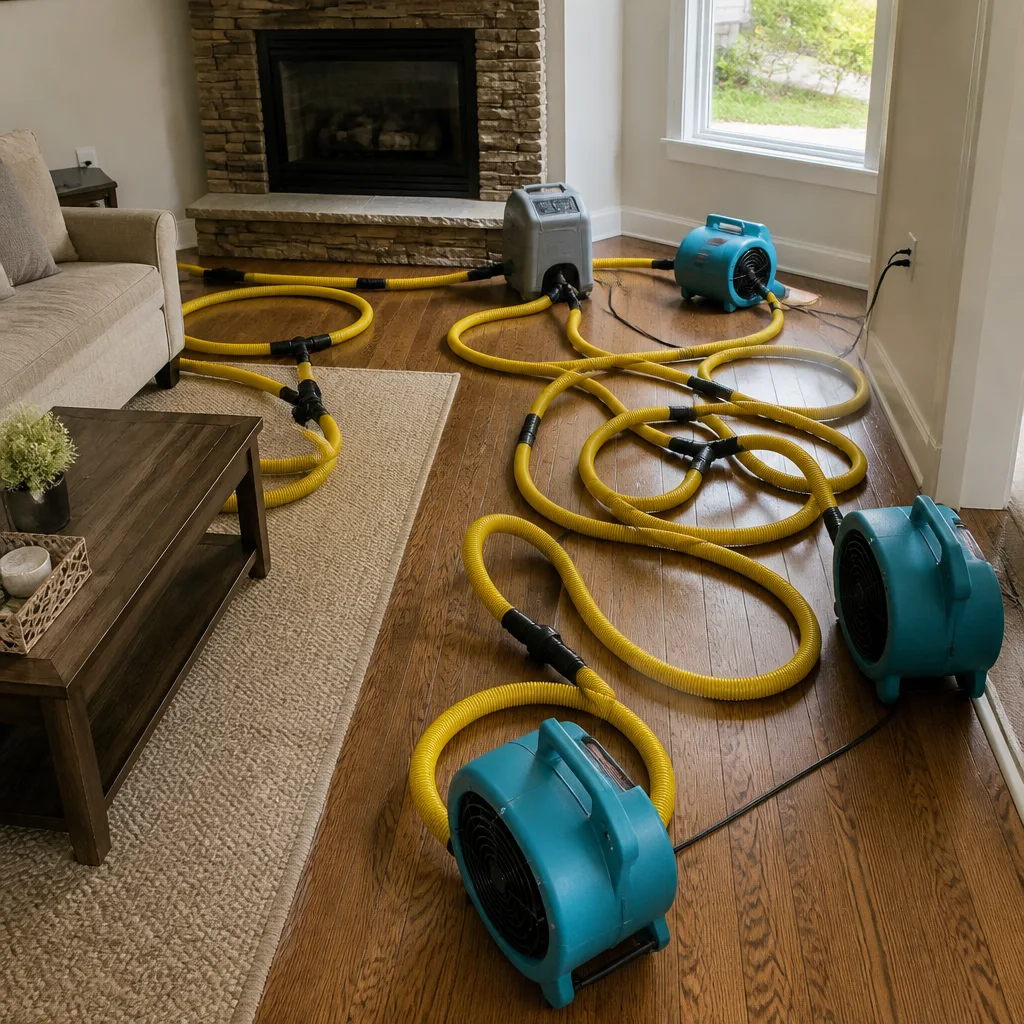 Water damage drying
 Fire & smoke cleanup
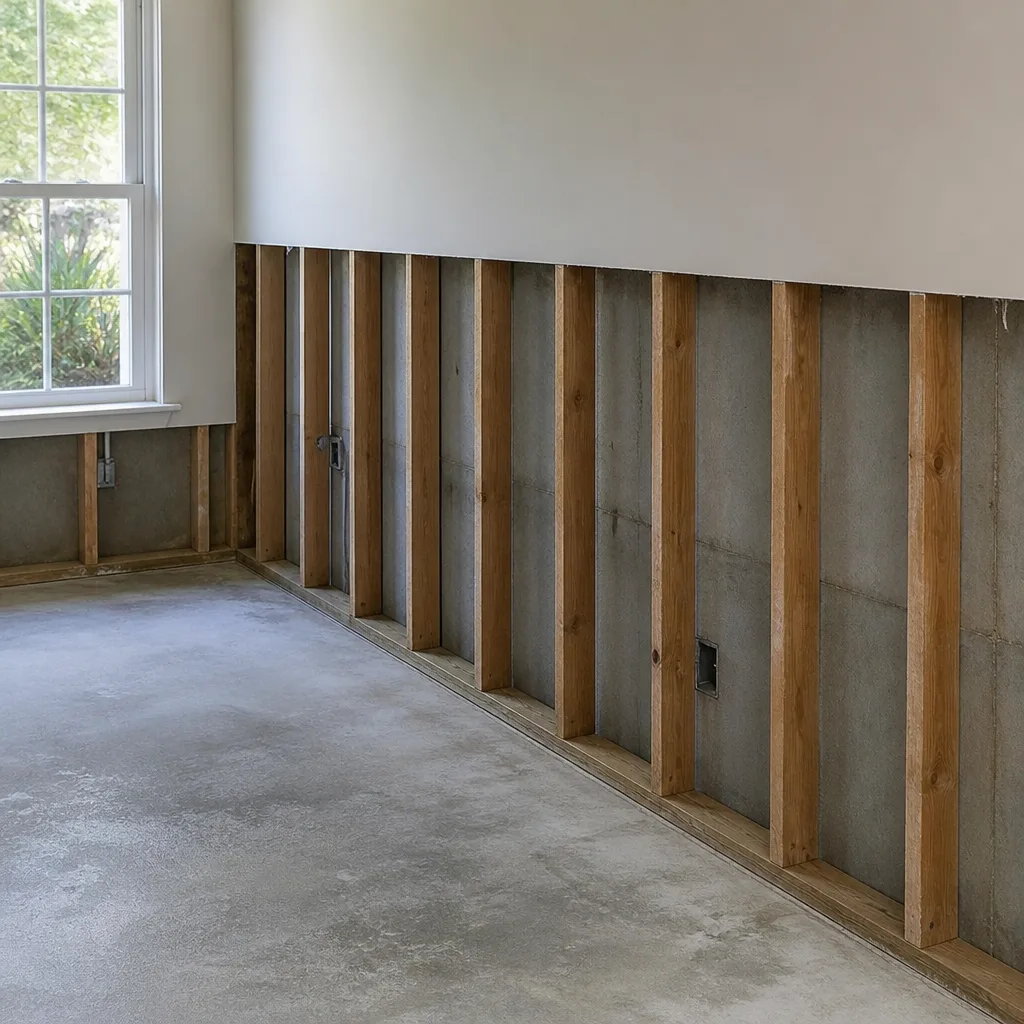 Mold remediation
 Storm response
 Sewage cleanup
 Reconstruction
Free visual inspection and a written scope of work before any mitigation begins - photos, moisture readings, and drying logs go in your claim file
The scope we write is the scope we bill. Anything new gets shown to you, in writing, before we touch it.
Get your free estimateDamage Restoration Cost Breakdown: The Queens Homeowner’s Reference for 2026
The single most overbilled line item on Queens water damage invoices in 2024 was “equipment monitoring fees,” a daily charge for a technician to read a dehumidifier that, in many documented cases, no one physically visited. Homeowners in Queens paid hundreds, sometimes thousands, for visits that never happened because the line item sounded technical enough to go unquestioned. This guide translates every common restoration invoice line into plain language and gives you the 2026 price ranges to benchmark any estimate before you sign it, and you can find more guides & resources on our blog.
Restoration work we handle
Quick Answer
Water damage restoration in Queens typically costs $3.50 to $7.50 per square foot in 2026, with most single-room jobs landing between $1,800 and $5,200 and whole-basement projects running $8,000 to $22,000 depending on water category, affected materials, and drying time. Mold remediation adds $2,000 to $6,500 for a typical Queens bathroom or closet, while fire damage restoration runs $4.50 to $9.00 per square foot. The number you should focus on is not the total. It is whether every line item on the invoice corresponds to work that was actually necessary, actually performed, and priced at Queens market rates, as explained in our guide to Damage Restoration Warning Signs: A Queens Homeowner’s Reference Guide.
Table of Contents
- The 12 Invoice Line Items Queens Homeowners See Most Often, Translated
- How IICRC S500 Standards Determine Your Equipment Needs
- Why Pre-War Attached Homes Cost 15 – 25% More to Restore
- New York Prompt Payment Laws and What You’re Legally Obligated to Pay
- Annotated Invoice: Written-Price-First vs. Range-Estimate Billing
- 2026 Queens Restoration Cost Ranges by Room and Damage Type
- Where Contractors Hide Fees and How to Spot Them
- Common Mistakes to Avoid
- When to Call a Professional
- Frequently Asked Questions
The 12 Invoice Line Items Queens Homeowners See Most Often, Translated
Restoration invoices read like a foreign language by design. The terminology comes from insurance adjusting manuals and IICRC certification coursework, not everyday speech. When a Queens homeowner sees “applied structural drying” on an invoice, most assume it means the contractor dried the structure. It actually means the contractor placed drying equipment against wet surfaces and ran it. The distinction matters because the line item is priced per day, per unit, and per square foot. Here is what each common line item means in plain English, what it should cost in Queens in 2026, and when it is legitimate.
1. Emergency Water Extraction
What it means: Removing standing water using truck-mounted or portable extraction units. This is the first step in any Water Damage Restoration in Queens job where water is visibly pooled.
Queens 2026 pricing: $3.00 to $5.50 per square foot of affected area, or $450 to $900 minimum per visit. Truck-mounted extraction costs more than portable but removes water faster.
When it is legitimate: Any time standing water exceeds what a wet-dry vacuum can handle in one hour. If the technician arrives and the water is already gone, this line item should not appear.
2. Applied Structural Drying (ASD)
What it means: Placing air movers and dehumidifiers against wet drywall, flooring, and framing, then running them continuously until moisture readings hit dry standard. This is not a one-day service. It is a daily equipment rental plus daily monitoring.
Queens 2026 pricing: $1.75 to $3.25 per square foot per day for the drying period.
When it is legitimate: After any Category 1 or Category 2 water event where materials are saturated but salvageable. If the invoice charges ASD but no moisture readings were recorded before and after, question it.
3. Equipment Monitoring Fees
What it means: A daily fee for a technician to visit the property, read the dehumidifier’s humidity gauge, check air mover placement, and document progress. This is the line item with the highest documented overbilling rate in Queens, particularly on jobs where contractors know the homeowner is filing an insurance claim.
Queens 2026 pricing: $75 to $150 per visit. A legitimate drying job needs monitoring every 24 to 48 hours, not every day, and not twice a day.
When it is legitimate: When the visit actually happens and produces a written moisture log. If you were home all day and no one knocked, that monitoring fee is fraudulent. Ask for the moisture log.
4. Psychrometric Monitoring
What it means: Measuring temperature, relative humidity, and moisture content of materials using hygrometers and moisture meters. This is the scientific backbone of drying. Without it, a contractor cannot prove the structure is actually dry.
Queens 2026 pricing: $50 to $100 per reading session, often bundled with equipment monitoring.
When it is legitimate: Every drying job should include it. The contractor should show you the numbers and explain what “dry standard” means for your specific materials. If the invoice lists psychrometric monitoring but the technician never pulled out a moisture meter, that is a phantom charge.
5. Containment Setup
What it means: Sealing off the affected area with plastic sheeting and negative air pressure to prevent dust, mold spores, or smoke particles from spreading to unaffected rooms.
Queens 2026 pricing: $1.00 to $2.00 per square foot of containment area.
When it is legitimate: Required on Category 3 water losses (sewage), mold remediation jobs, and fire jobs with soot. For a clean water leak in an open basement, full containment is usually overkill.
6. Demolition and Debris Removal
What it means: Cutting out wet drywall, pulling up saturated carpet, removing damaged cabinets, and hauling everything away. In Queens, debris removal often includes navigating narrow stairwells, pre-war basements with low clearance, and strict building disposal rules covered by Damage Restoration Permits, Codes & Inspections in NY: What You Need to Know.
Queens 2026 pricing: $2.50 to $5.00 per square foot for demo and removal combined.
When it is legitimate: Any time materials are saturated beyond salvage or contaminated. What you should watch for is over-demolition: cutting out drywall above the tide mark (the visible water line) when only the lower portion was wet. A tide mark is the line water leaves on a wall, and it is the first thing our technicians look for on every job.
7. Carpet Pad Replacement
What it means: Removing and replacing the foam pad beneath carpet. Carpet itself can sometimes be salvaged. The pad almost never can after significant water exposure.
Queens 2026 pricing: $1.00 to $1.75 per square foot for pad only, $3.00 to $5.00 per square foot for pad plus carpet.
When it is legitimate: Any time the pad has been saturated for more than 24 hours. In a Queens basement flood, the pad is almost always done.
8. Antimicrobial Application
What it means: Spraying or fogging the affected area with an EPA-registered antimicrobial to prevent mold growth on wet surfaces.
Queens 2026 pricing: $0.35 to $0.75 per square foot.
When it is legitimate: On Category 2 and Category 3 water losses, or any job where materials will be wet for more than 48 hours. For a small Category 1 leak caught the same day, it is optional. If you have pets, ask about pet-safe products. We use pet-safe drying agents where there is a choice.
9. HEPA Air Scrubbing
What it means: Running HEPA-filtered air scrubbers during and after the job to remove airborne particulates, mold spores, and odors.
Queens 2026 pricing: $75 to $150 per day per unit.
When it is legitimate: Standard practice for Mold Remediation in Queens and fire damage jobs. For clean water extraction with no mold present, it is an upgrade, not a requirement.
10. Deodorization
What it means: Treating smoke odor, sewage odor, or mildew smell using ozone, thermal fogging, or hydroxyl generators.
Queens 2026 pricing: $300 to $800 per affected room depending on method and severity.
When it is legitimate: After any fire, after Category 3 water, or when odors persist after drying. For a small clean water leak, deodorization on the invoice is padding.
11. Content Manipulation
What it means: Moving furniture and personal belongings out of the way to access the damaged area, then moving it back. Not cleaning it, not storing it off-site. Just moving it.
Queens 2026 pricing: $150 to $400 per room.
When it is legitimate: Any job where furniture blocks access to wet areas. What you should demand is that the contractor protects what they are moving. Shoe covers go on at the door. Drop cloths cover the floor before the first piece of equipment comes in. We ask before we move or touch anything.
12. Final Cleaning
What it means: Vacuuming, wiping down surfaces, and removing dust and debris generated by the restoration work itself.
Queens 2026 pricing: $0.50 to $1.00 per square foot.
When it is legitimate: Every job should end with it. When the crew leaves, your home should be clean. We take a photo of the clean-up before we leave and share it with you, so you see exactly what was done and how it was left.
How IICRC S500 Standards Determine Your Equipment Needs
The IICRC S500 is the industry’s standard reference for professional water damage restoration. It is not a law, but it is the benchmark every credentialed contractor works to. Insurance adjusters use it. Courts use it. And you can use it to cross-reference your invoice against what should have actually been deployed in your Queens home.
Here is the plain-language version of how it works:
- Water category is determined first. Category 1 is clean water from a supply line. Category 2 is contaminated water from a washing machine or dishwasher overflow. Category 3 is grossly contaminated water from sewage or outside flooding. The category determines how aggressive the drying protocol must be and whether materials can be salvaged or must be removed.
- Class of water damage is assessed second. Class 1 affects a small area with minimal absorption. Class 4 means water has saturated hardwood, stone, brick, or concrete, requiring specialty drying. Queens basements with concrete floors and plaster walls typically classify as Class 3 or 4, which is why drying times and equipment counts are higher than in drywall-and-carpet suburban homes.
- Drying goals are established. Based on the category and class, the contractor calculates how many air movers and dehumidifiers are required per square foot of affected area. The formula is specific. For a standard Class 2 water loss, the S500 recommends roughly one air mover per 10 to 16 linear feet of wall and one dehumidifier per 300 to 500 square feet.
- Equipment is placed and monitored. Readings are taken at the start, daily during drying, and at the end to confirm the structure has reached dry standard. Dry standard for drywall in normal conditions is a moisture content below 12 percent. For wood framing, below 16 percent.
- Drying is complete when readings prove it. Not when the technician says it is, not when the rental period ends, and not when the insurance adjuster stops approving days. The numbers either show dry or they do not.
How to use this on your invoice: if the invoice lists four dehumidifiers for a 600-square-foot basement, that is consistent with S500. If it lists eight dehumidifiers for the same space with no explanation, ask why. If your Queens brownstone bathroom leak was Category 1 with a Class 1 assessment, but the invoice shows HEPA air scrubbers, antimicrobial fogging, and full containment, you are likely paying for services that were not medically or structurally necessary. Technicians credentialed through IICRC, RIA, and IFA work to these standards. Ask to see the drying log and have the contractor walk you through the numbers.
Why Pre-War Attached Homes Cost 15 – 25% More to Restore
Queens is not a single housing market. It is a patchwork of attached pre-war brick homes in Astoria and Sunnyside, detached post-war colonials in Bayside and Little Neck, garden apartments in Forest Hills, and high-rise co-ops in Long Island City and Flushing. Each building type changes restoration cost in predictable ways.
Pre-war attached homes, which make up a large share of Queens housing stock, run 15 to 25 percent more to restore than a detached post-war home of the same square footage. Here is what drives that difference:
- Plaster and lath construction. Most pre-war Queens homes built before 1945 have plaster walls on wood lath, not drywall. Plaster absorbs water differently and holds it longer. Drying must be slower to avoid cracking, which means more days of equipment rental and more monitoring visits.
- Party walls. In attached homes, the wall you share with your neighbor is not yours alone. When water travels into a party wall, the restoration scope expands because you are drying a wall that is also part of someone else’s home. Access coordination, neighbor communication, and sometimes simultaneous drying on both sides add cost.
- Electrical and structural constraints. Pre-war homes often have fewer circuits and older wiring. Running multiple dehumidifiers and air movers may require temporary power management or generator support, adding $200 to $500 per job.
- Stairwells and access. Basements in pre-war Queens homes frequently have narrow stairwells with low clearance. Equipment has to be carried in by hand, sometimes disassembled. This adds labor hours.
- Building department requirements. Work in attached homes and co-op buildings in Queens often triggers additional permits or building management approvals, especially when structural drying involves drilling into walls or floors. Permit fees and coordination time add cost.
- Flooring materials. Pre-war Queens homes are more likely to have original hardwood floors over wood subfloors. Hardwood is salvageable if dried fast, but specialty drying systems like Injectidry mats are needed to pull water out through the tongue-and-groove without pulling up the floor. These systems cost more per day than standard air movers.
In our experience, a detached post-war home in Bayside with a 400-square-foot finished basement flood might dry in four days with three air movers and one dehumidifier. The same square footage in a pre-war attached home in Astoria might need six days, five air movers, two dehumidifiers, and specialty floor drying mats. The invoice will be higher, and it should be. The materials are harder to dry. What you want to avoid is paying the pre-war premium when the contractor did not actually do the extra work, a decision explored in our DIY vs Professional Damage Restoration: The Queens Homeowner’s Decision Guide. Ask what specifically about your building type added cost. A legitimate contractor can answer that question in one sentence.
New York Prompt Payment Laws and What You’re Legally Obligated to Pay
Queens homeowners filing insurance claims often assume the contractor’s invoice is between the contractor and the insurance company. It is not. The contract is between you and the restorer. The insurance policy is between you and your carrier. If the insurance company refuses to pay a line item, the contractor can still hold you responsible for it. Understanding New York law protects you from being caught in the middle.
New York Insurance Law Section 3404 requires insurers to either pay or deny a claim within 30 days after receiving proof of loss, provided the claim is not under investigation. If an insurer unreasonably delays, you have legal remedies, including interest on the unpaid amount. This law is your leverage when an adjuster is slow to respond, but it does not automatically mean every line item will be approved.
Prompt Payment Law (Insurance Law Section 3224-a) applies to health insurance claims and is not relevant to property restoration. The property restoration payment timeline is governed by standard contract law and your specific homeowner’s policy language. What this means practically: your adjuster has 30 days after proof of loss to make a decision, but the contractor’s invoice is due on the schedule stated in your restoration contract, which is typically upon completion of work.
Appraisal rights. If you and your insurer disagree on the amount of loss, most Queens homeowner policies include an appraisal clause. Each side hires an independent appraiser, the two appraisers agree on an umpire, and the majority decision binds both parties. You pay your appraiser, the insurer pays theirs, and you split the umpire’s fee. This is your legal mechanism for dispute resolution that does not require a lawsuit, and it works.
What you are legally obligated to pay depends on the contract you signed, not on what insurance approves. If you sign an authorization for work with a range estimate that says “estimated total: $6,000 – $9,000” and the final invoice says $12,000, New York contract law is generally not your friend unless you can show the contractor acted in bad faith. This is why a written price before any work starts matters. We provide it on every job, with no exceptions. It protects you from exactly this situation.
For Fire Damage Restoration in Queens, the insurance dynamic shifts. Fire claims are typically larger, more complex, and involve more line items. Adjusters may push back on deodorization, content cleaning, and full rebuilding scope. Having photo documentation and a clear line-item breakdown, matched to what was actually performed, is the single most effective tool in getting the full claim approved.
Annotated Invoice: Written-Price-First vs. Range-Estimate Billing
Here is a side-by-side of the same Queens basement water loss, 400 square feet, Category 1 supply line break, caught within six hours. The left column shows a range-estimate invoice from a contractor who gives a broad number and fills in line items later. The right column shows what a written-price-first invoice looks like, the kind we provide before any equipment comes off the truck.
Range-Estimate Invoice
- Emergency water extraction: $1,800 (no per-square-foot breakdown provided)
- Applied structural drying: $2,400 (no daily rate, no equipment count)
- Equipment monitoring: $950 (no visit count, no moisture log attached)
- Psychrometric monitoring: $600 (no readings provided)
- Antimicrobial application: $500 (no product name, no square footage)
- Containment setup: $800 (no area specified)
- Demolition and debris removal: $1,200 (no material list)
- Final cleaning: $450 (no scope)
- Total: $8,700 (range given was “somewhere between $6,500 and $9,500”)
Every line item is plausible. None of them are verifiable. The contractor can defend any number by saying “that is what the job required.” You have no way to prove whether four dehumidifiers or two were actually in your basement, because the invoice does not say.
Written-Price-First Invoice
- Emergency water extraction: 400 sq ft × $3.75 = $1,500 (portable extraction unit, one technician, two hours)
- Applied structural drying: 3 air movers × $45/day × 5 days = $675; 1 dehumidifier × $85/day × 5 days = $425; total ASD: $1,100 (equipment list attached)
- Equipment monitoring: 2 visits × $95 = $190 (moisture log with readings attached)
- Psychrometric monitoring: included in monitoring fee (2 reading sessions)
- Antimicrobial application: 400 sq ft × $0.50 = $200 (pet-safe EPA-registered product, name on invoice)
- Containment: not required for Category 1, Class 1 (explanation note on invoice)
- Demolition: 20 linear feet of baseboard and 8 sq ft of drywall = $340 (material list attached)
- Final cleaning: 400 sq ft × $0.75 = $300 (photo of clean-up shared before crew leaves)
- Total: $3,630 (written before work started)
The difference is not that one contractor does less work. It is that one contractor tells you exactly what work is being done, what it costs, and proves it. The other contractor asks you to trust them. In our experience, Queens homeowners who receive written prices before work starts rarely see the invoice padding that has become common in this industry. Written price first is not a marketing slogan. It is the difference between a quote and a surprise.
2026 Queens Restoration Cost Ranges by Room and Damage Type
These numbers reflect what we are seeing across Queens in 2026, adjusted for the pre-war premium, the cost of labor in New York City, and the building access challenges specific to the borough. They are ranges, not quotes. Every home is different. What they give you is a benchmark.
Water Damage: Clean Water (Category 1)
- Kitchen sink supply line leak, caught same day, 100 sq ft affected: $1,200 to $2,400
- Bathroom tub overflow, 150 sq ft affected: $1,500 to $3,200
- Finished basement, 400 sq ft, supply line break: $3,200 to $6,500
- Whole-basement flood, 800 sq ft, Category 1: $6,000 to $13,000
Water Damage: Contaminated or Sewage (Category 2 – 3)
- Washing machine overflow, 200 sq ft: $2,500 to $5,000
- Sewage backup, 400 sq ft basement: $5,500 to $12,000
- Whole-basement sewage loss, 800 sq ft: $11,000 to $24,000
Category 3 losses require full containment, antimicrobial application, and more aggressive demolition. Materials that are porous, carpet, pad, upholstered furniture, are removed rather than dried. The per-square-foot cost jumps because you are paying for removal and disposal, not just drying.
Mold Remediation
- Bathroom mold behind tile, 50 sq ft: $2,000 to $4,500
- Closet mold with drywall removal, 30 sq ft: $1,800 to $3,200
- Attic mold, 300 sq ft: $4,500 to $9,000
- Full basement mold remediation, 600 sq ft: $8,000 to $18,000
Mold remediation costs in Queens run higher than national averages because of pre-war construction and the frequency of hidden mold behind plaster and behind built-in cabinetry. A mold job in a post-war drywall home is straightforward. A mold job in a pre-war attached home often means opening walls that have not been touched since 1938, finding surprises, and coordinating with neighbors on shared walls.
Fire Damage Restoration
- Kitchen grease fire, 200 sq ft affected: $4,000 to $9,000
- Electrical fire, one room, 300 sq ft: $6,500 to $14,000
- Whole-floor smoke and soot damage, 800 sq ft: $18,000 to $40,000
Fire restoration pricing includes soot removal, odor treatment, structural cleaning, and often rebuild scope. The range is wide because a fire that damages framing and requires permit work is a different job than a fire that leaves framing intact and only requires surface cleaning and deodorization.
Where Contractors Hide Fees and How to Spot Them
Most padding on Queens restoration invoices is not invented work. It is real-sounding work that was either unnecessary, over-deployed, or double-billed. Here are the places to look.
- Equipment rental days. The invoice says “7 days” but the equipment was picked up after five. Ask for the equipment log. Legitimate contractors track this.
- Double billing for monitoring and psychrometric readings. Some invoices list “equipment monitoring” and “psychrometric monitoring” as separate line items. Often they are the same visit. Ask whether the readings were taken during the monitoring visit or separately.
- Containment on jobs that did not need it. Containment is a line item that is easy to charge and hard to verify after the fact. If the job was Category 1 and small, containment is usually not required. Ask why it was necessary.
- Antimicrobial application with no product name. If the invoice says “antimicrobial treatment” but does not list the product, you cannot verify it happened or that it was appropriate for your home. Ask for the product name and EPA registration number.
- Emergency after-hours fees on jobs that were not emergencies. A slow leak that has been dripping for a week does not need a 2 a.m. response. Emergency rates are legitimate when you call at 2 a.m. for a burst pipe. They are padding when the contractor schedules the visit for after hours on their own convenience.
- Debris removal with no weight or volume. If the invoice says “debris removal: $900” with no load count, ask how many loads and where they were disposed. In Queens, disposal costs vary by facility, and a contractor hauling debris to New Jersey saves money while charging you city rates.
- Content manipulation billed per item. Moving a couch and moving a shelf are not the same job. Per-item content billing is easy to inflate. Ask for the item list.
Common Mistakes to Avoid
- Signing an authorization for work without reading the payment terms. The authorization is a contract. Some include clauses that make you responsible for the difference between what insurance pays and what the contractor bills. Read it before you sign. We provide a written price before any work starts so there is nothing to interpret.
- Paying a large deposit before the job begins. Reputable restoration contractors in Queens do not require 50 percent down. A reasonable deposit covers materials and mobilization costs. Large upfront payments are a red flag.
- Accepting “the insurance company will handle it” as a plan. The insurance company handles their obligation to you. The contractor handles their contract with you. They are separate relationships. Stay in both conversations.
- Not documenting the damage before the crew arrives. Take photos and video of everything before extraction starts. Once the water is gone and the walls are opened, the evidence of the original damage starts disappearing. Photo documentation protects your claim.
- Letting the contractor choose your adjuster conversation. Some restoration companies have relationships with specific adjusters or third-party administrators. That is not automatically a problem, but you should know who is communicating what. Ask for copies of all correspondence.
- Focusing only on the total. The total is the last thing you should look at. Go line by line. The total is just the sum of the parts, and the parts are where the money leaks.
- Hiring based on speed of arrival alone. The first contractor to your door is not necessarily the best. Sometimes they are just the hungriest. A contractor who shows up fast but cannot explain their drying plan is not saving you time.
When to Call a Professional
Some water damage in Queens is manageable without professional help: a small leak under a sink caught immediately, a quick wipe-up with towels, a fan running overnight. But there are clear thresholds where professional restoration is the right call and delaying makes the problem worse. Call a professional when water has been present for more than 24 hours, when the affected area exceeds 50 square feet, when the water is from a sewage source or outside flooding, when electrical outlets or panels are in the water path, or when you smell mold or see discoloration on walls and ceilings. In a pre-war attached home, water travels through party walls and floor cavities in ways that are not visible from the surface. If the tide mark on the wall is higher than you expected, water has traveled farther than you think. Tidemark Water Damage Queens home offers free estimates in Queens. Call (607) 600-9946 and a live person answers, day or night.
Frequently Asked Questions
Water damage restoration in Queens runs $3.50 to $7.50 per square foot in 2026, with most single-room jobs between $1,800 and $5,200 and whole-basement projects between $8,000 and $22,000 depending on water category and drying complexity. Call (607) 600-9946 for a written estimate specific to your home, with no obligation.
Equipment monitoring fees are the most commonly overbilled line item, with charges for daily technician visits that in many documented cases never occurred. Always ask for the moisture log that corresponds to each monitoring visit. If there is no log, there may have been no visit.
Most Queens homeowner policies cover sudden and accidental water damage, such as a burst supply line or a washing machine overflow, but do not cover gradual leaks, seepage, or flood damage from outside water, which requires separate flood insurance. Sewage backup coverage is typically an endorsement you must add. Your policy language governs what is covered. Call (607) 600-9946 and we can help you understand how your specific policy applies to your damage.
Pre-war attached homes cost 15 to 25 percent more to restore because of plaster and lath construction that dries slower, party walls shared with neighbors, older electrical systems that complicate equipment operation, and narrow basement access that adds labor hours. These factors are legitimate cost drivers, but a contractor should be able to explain exactly which ones apply to your home.
IICRC certification means the technician has completed standardized training in water damage restoration, mold remediation, or fire and smoke restoration, and has passed an exam demonstrating knowledge of industry standards like the S500. It is a baseline of competence, not a guarantee of honesty. Credentialed technicians who work to IICRC, RIA, and IFA standards should be able to show you their drying plan and explain their equipment choices.
A professional restoration crew can typically reach any Queens neighborhood within one to two hours of your call. The sooner extraction starts, the less demolition is required and the lower your final invoice will be. Call (607) 600-9946 any time. A live person answers, not a voicemail.
The Bottom Line
Restoration invoices in Queens are written to be unreadable, and the opacity is a business model, not an accident. The good news is that every line item is decipherable once you know the vocabulary, the market rates, and the questions to ask. Force the contractor to name what they will do, what it costs, and how they will prove it. Demand a written price before work starts. Ask for moisture logs, equipment counts, and product names. A legitimate contractor can provide all of this without hesitation. The ones who cannot are the ones who are counting on your confusion to cover their padding. You do not need to become a restoration expert. You need to ask the right questions and refuse to sign until you have real answers. In Queens, where pre-war construction, attached walls, and insurance complexity all raise the stakes, that discipline is worth thousands of dollars.
Written by Rick Sumner, Owner at Tidemark Water Damage Queens, serving Queens since 2006.
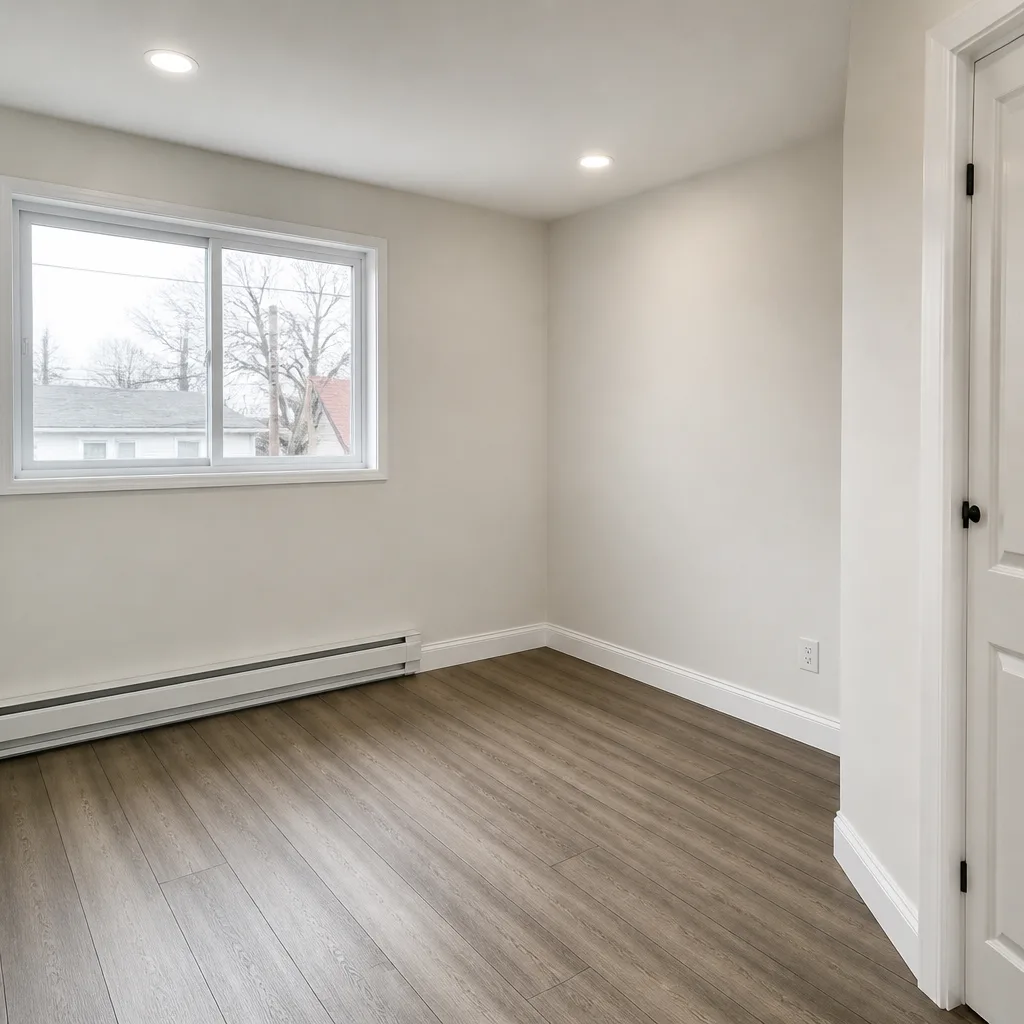
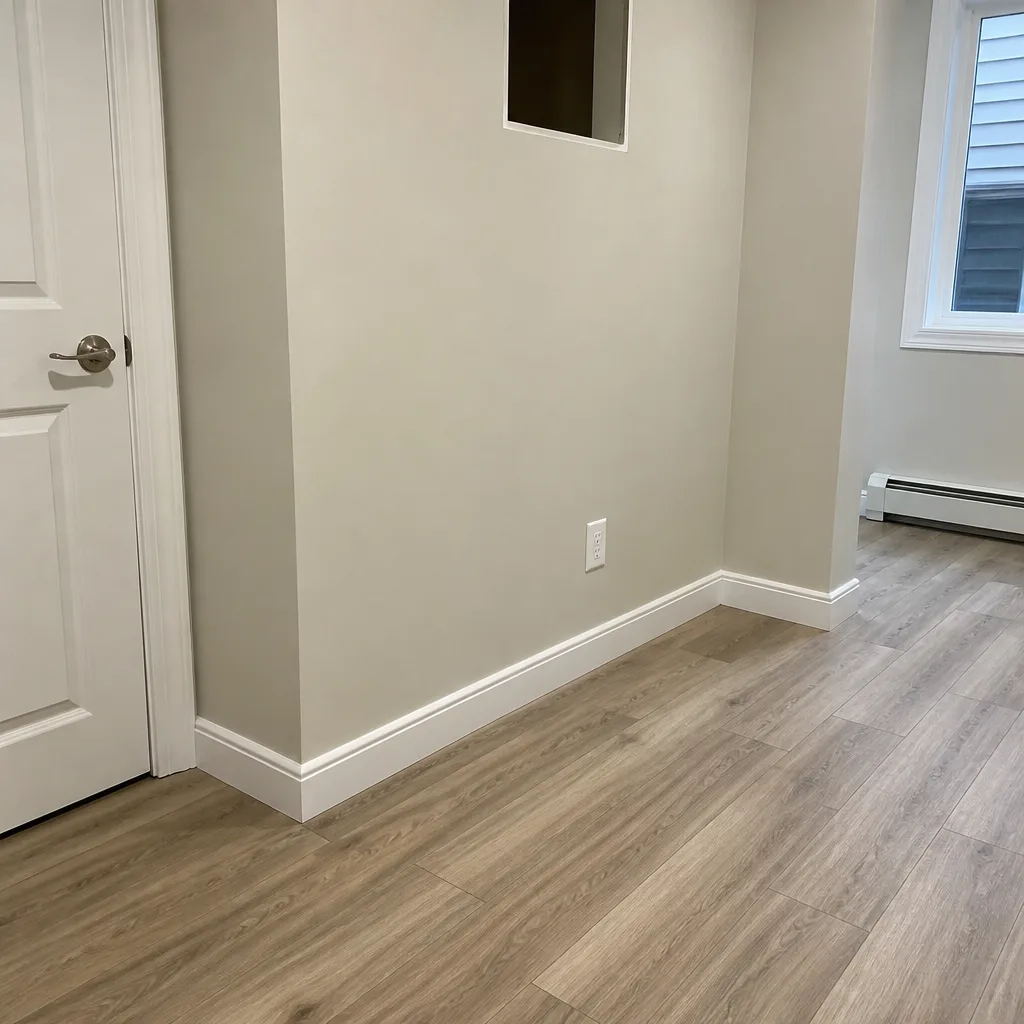
See the difference
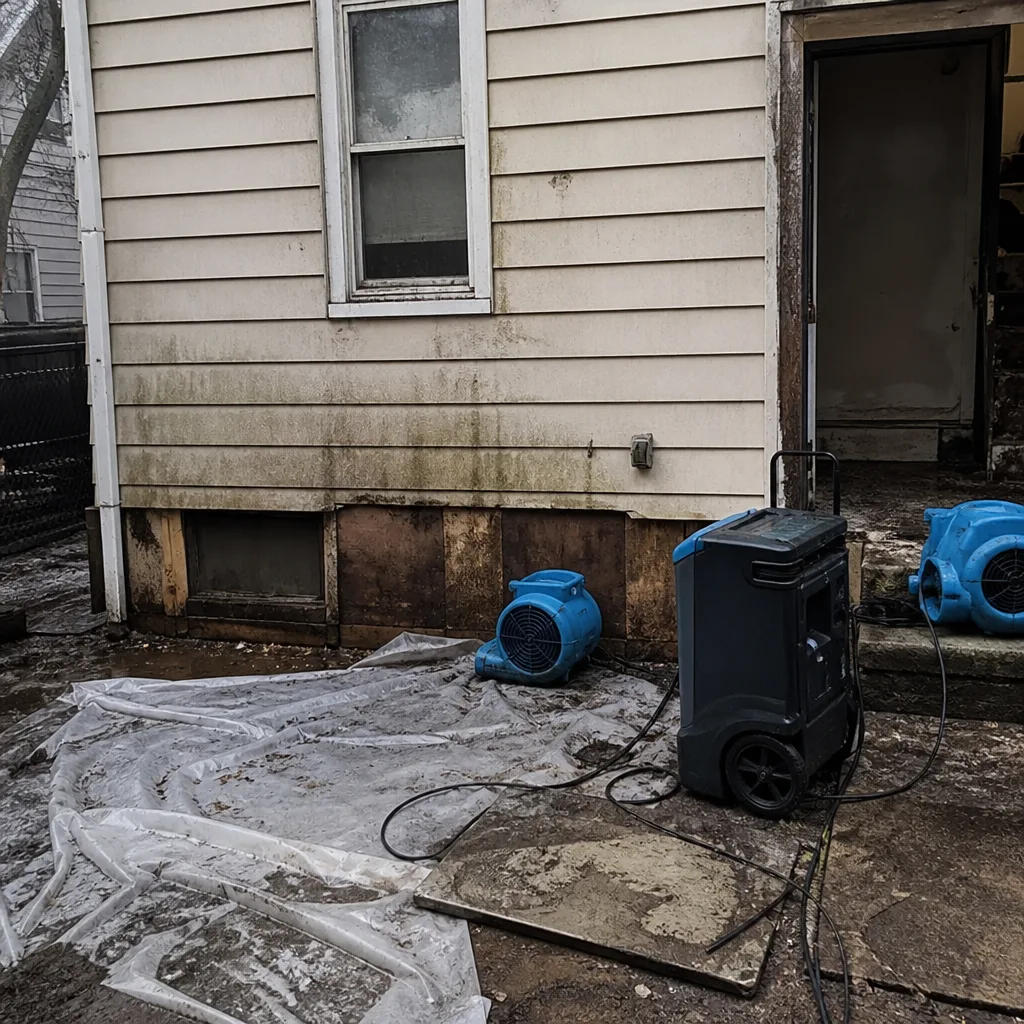 Before
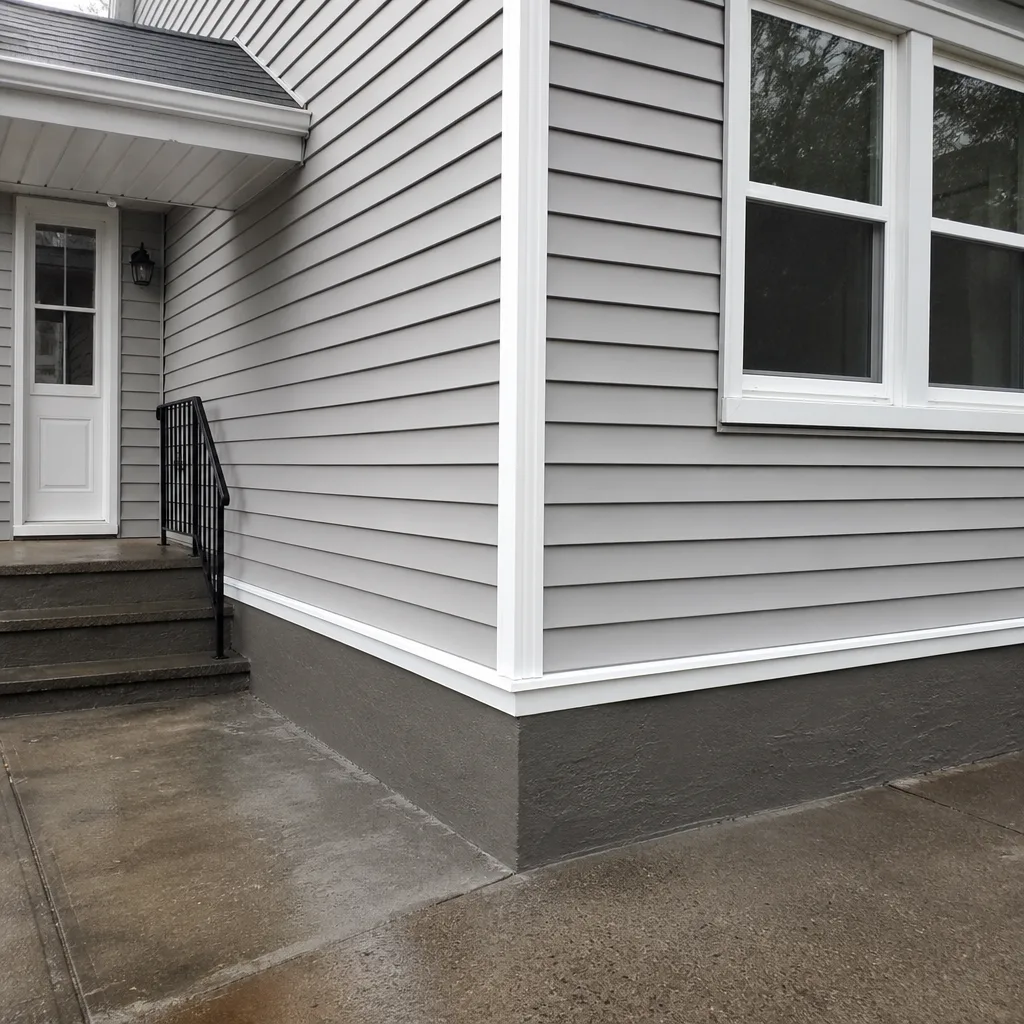 After
After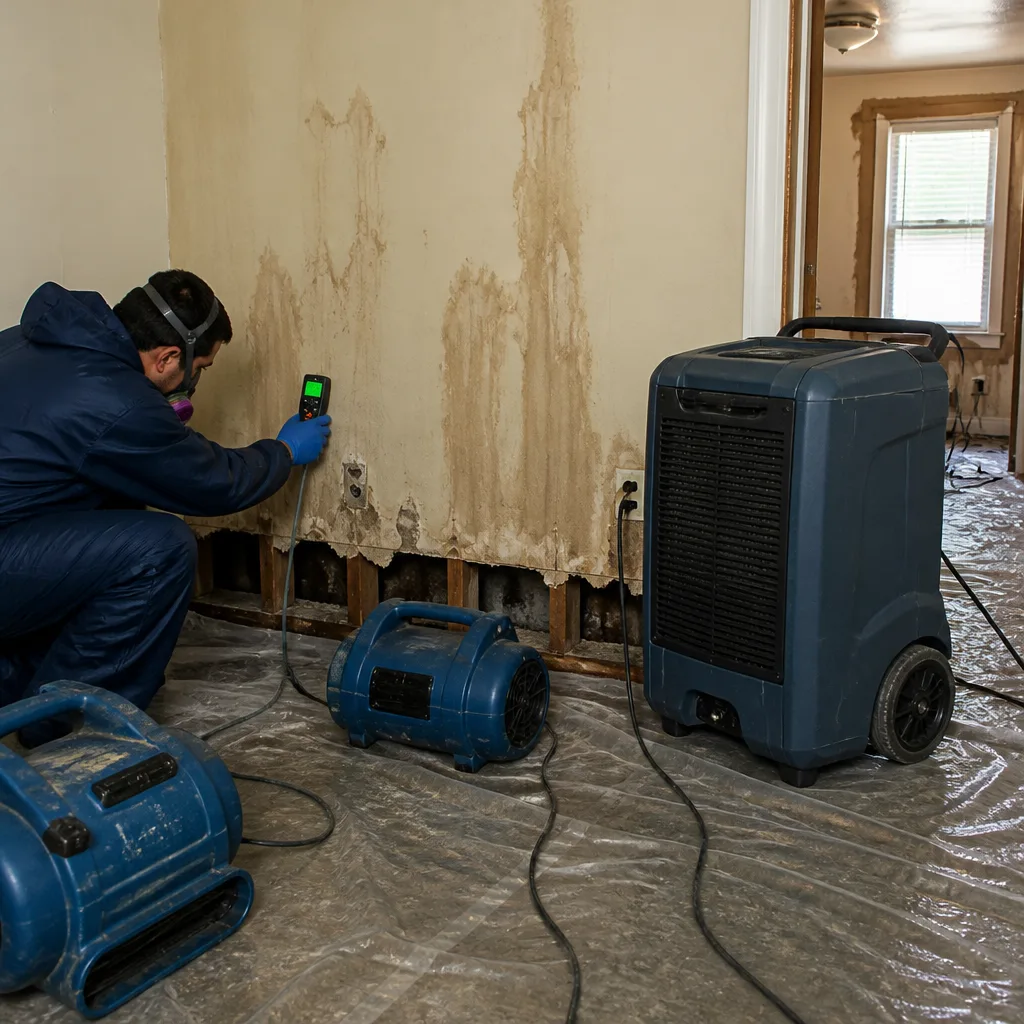 Before
 After
After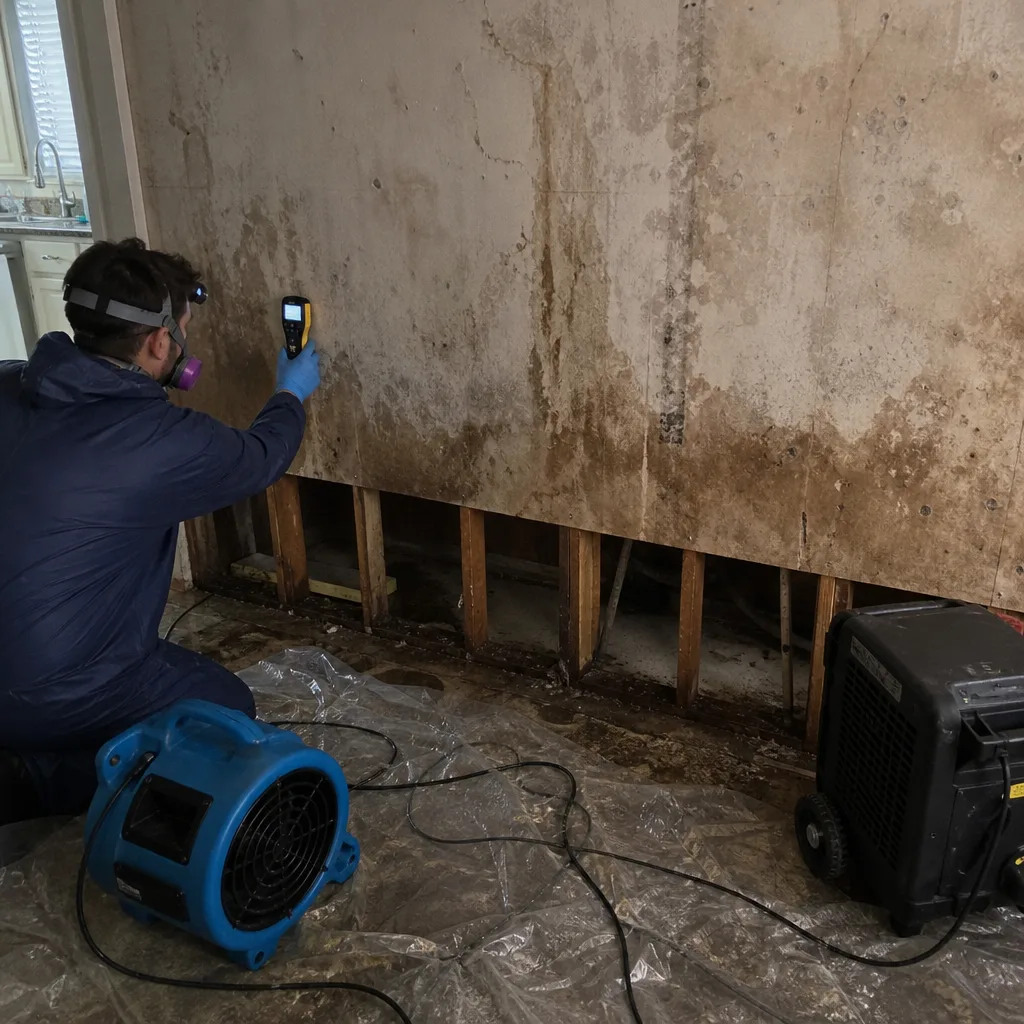 Before
 After
After