
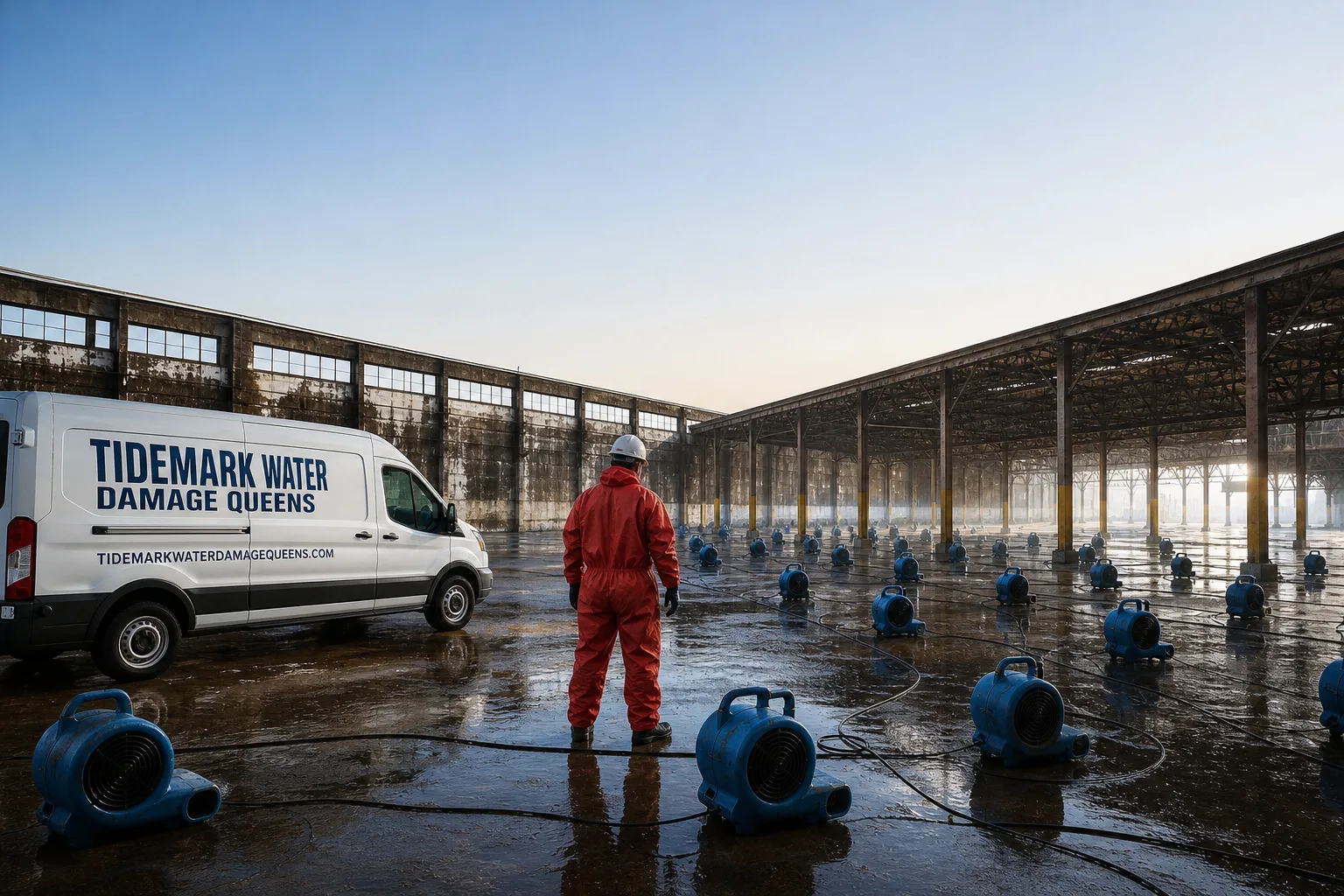
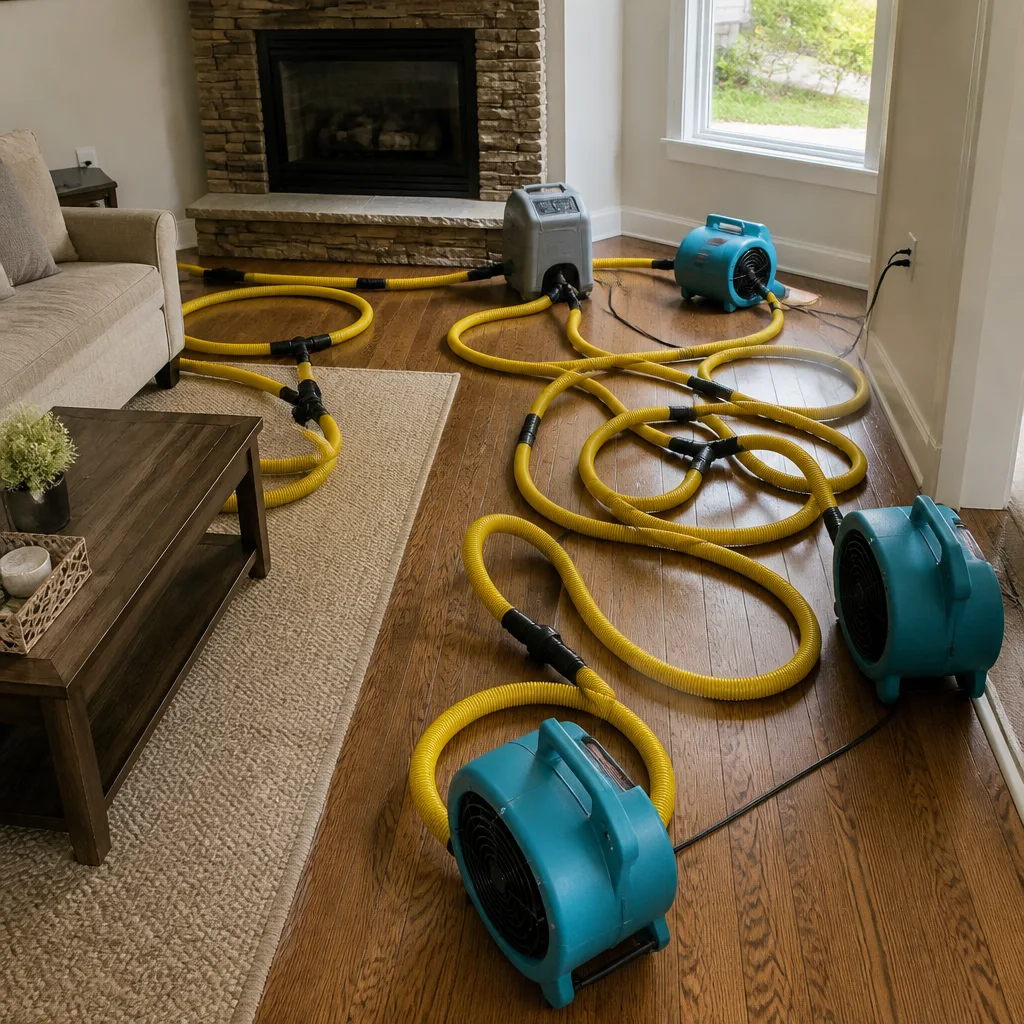
 Water damage drying
 Fire & smoke cleanup
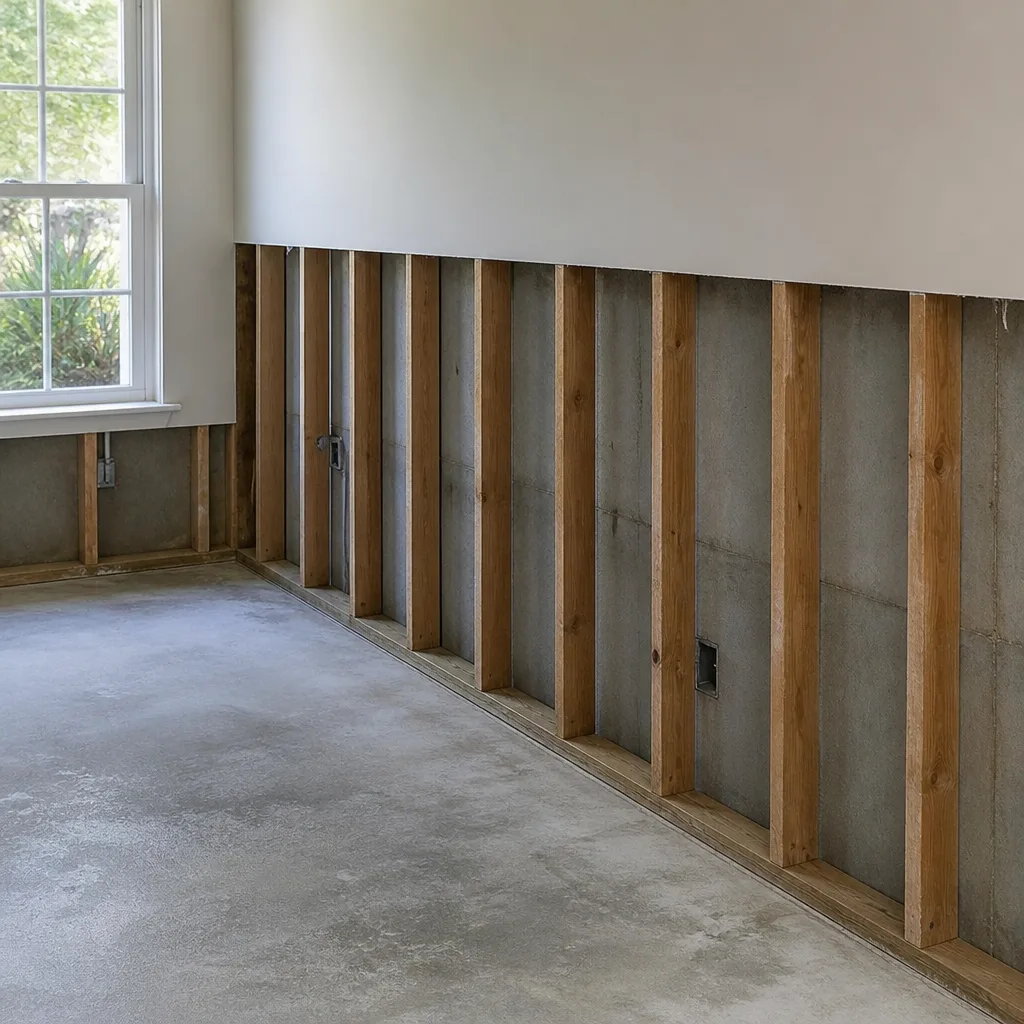 Mold remediation
 Storm response
 Sewage cleanup
 Reconstruction
Free visual inspection and a written scope of work before any mitigation begins - photos, moisture readings, and drying logs go in your claim file
The scope we write is the scope we bill. Anything new gets shown to you, in writing, before we touch it.
Get your free estimateRestoration work we handle
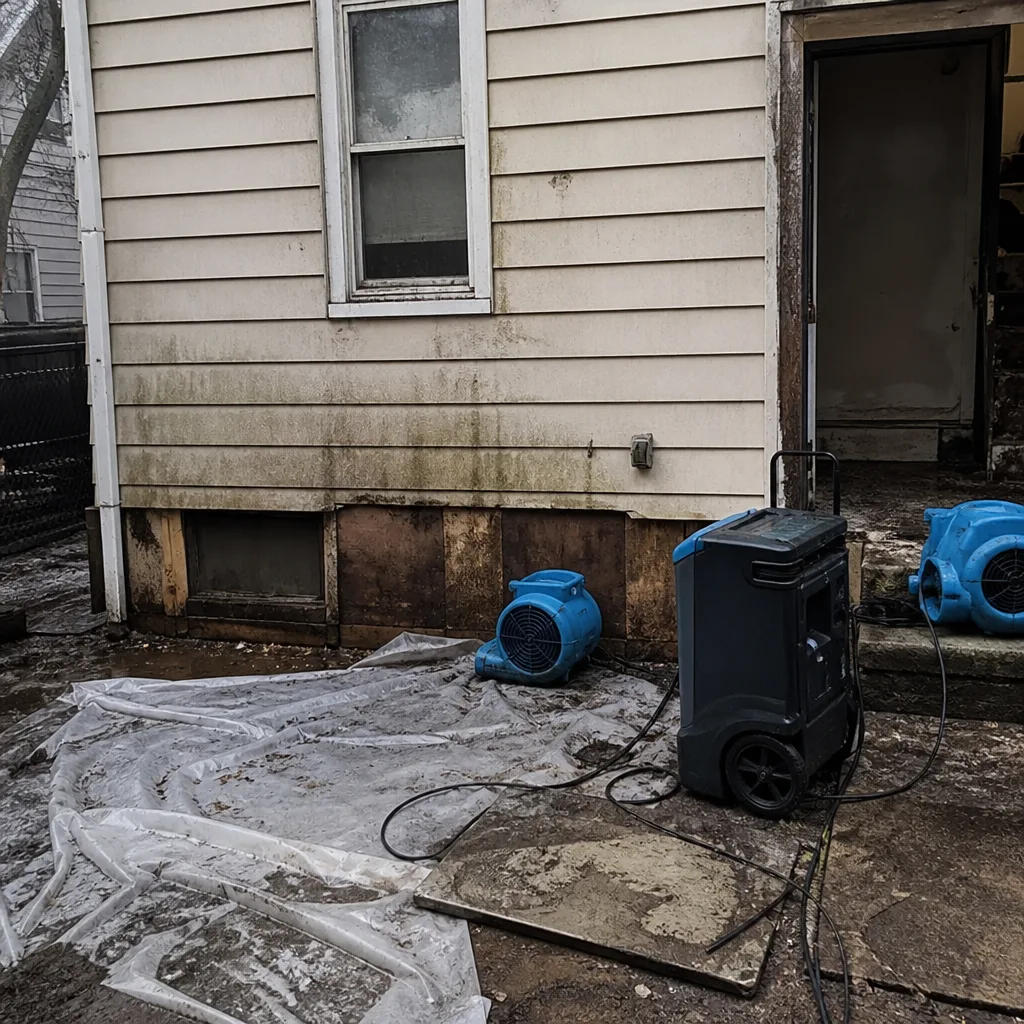
See the difference
 Before
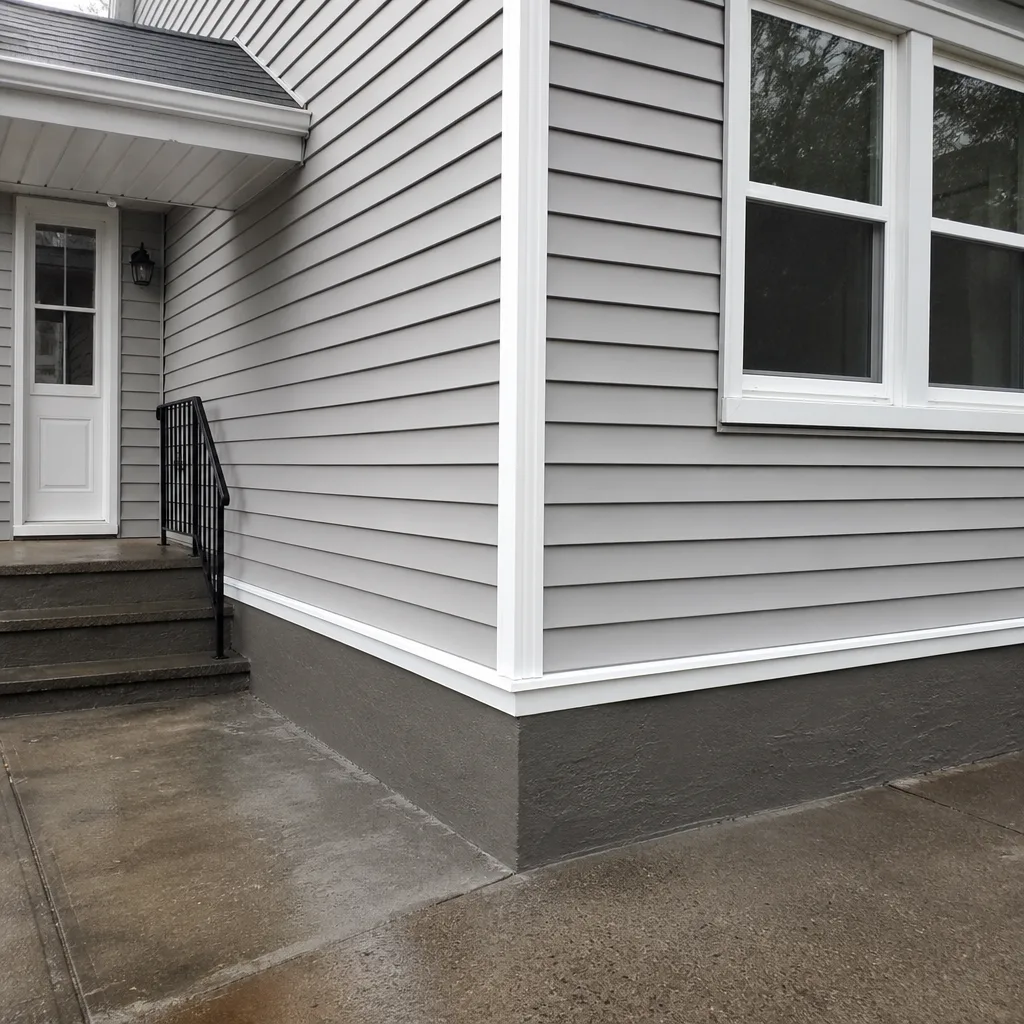 After
After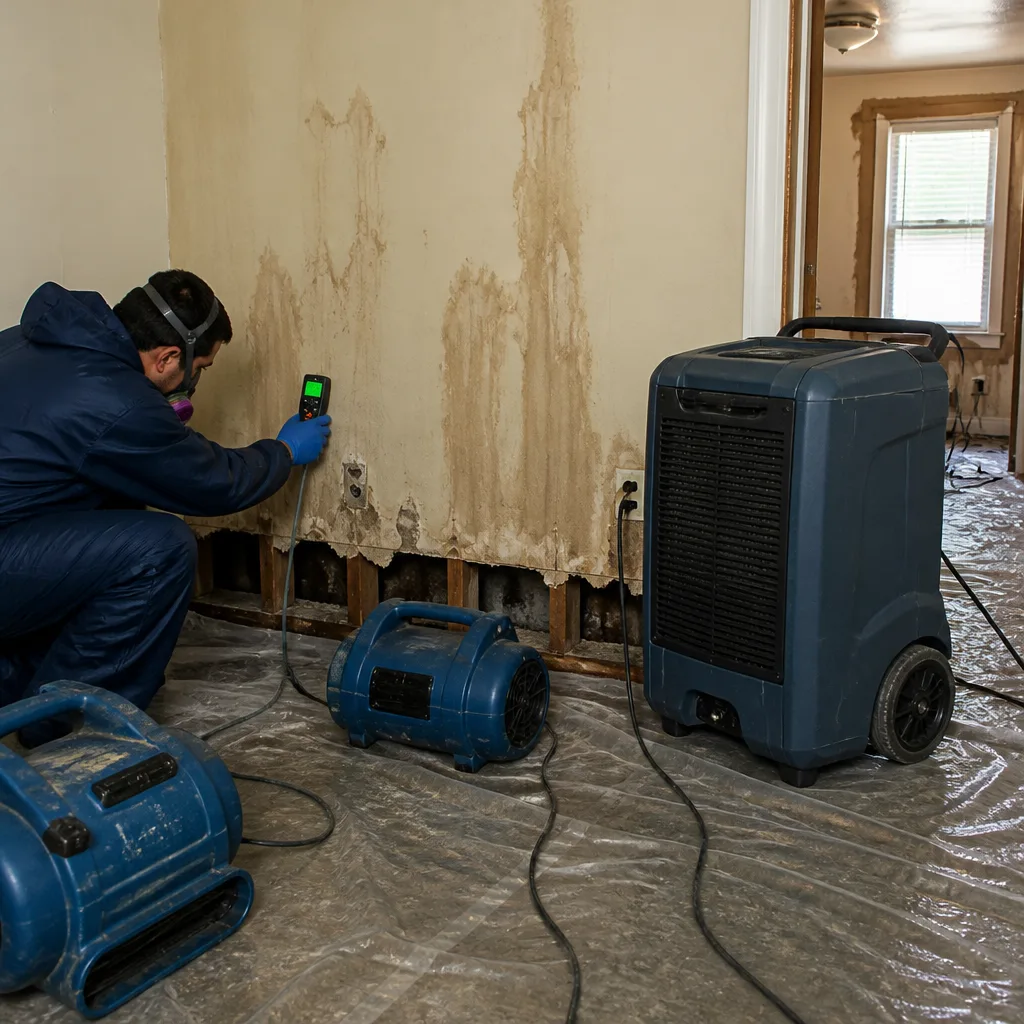 Before
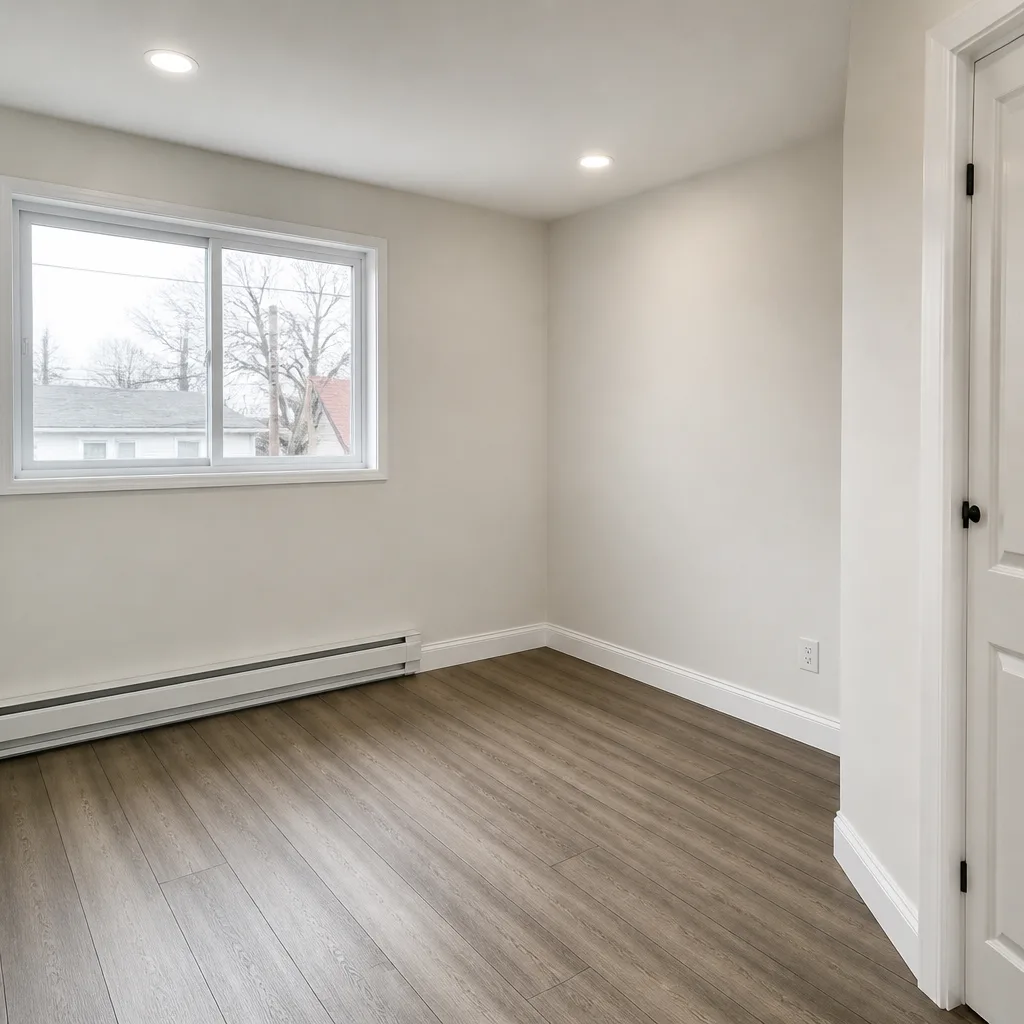 After
After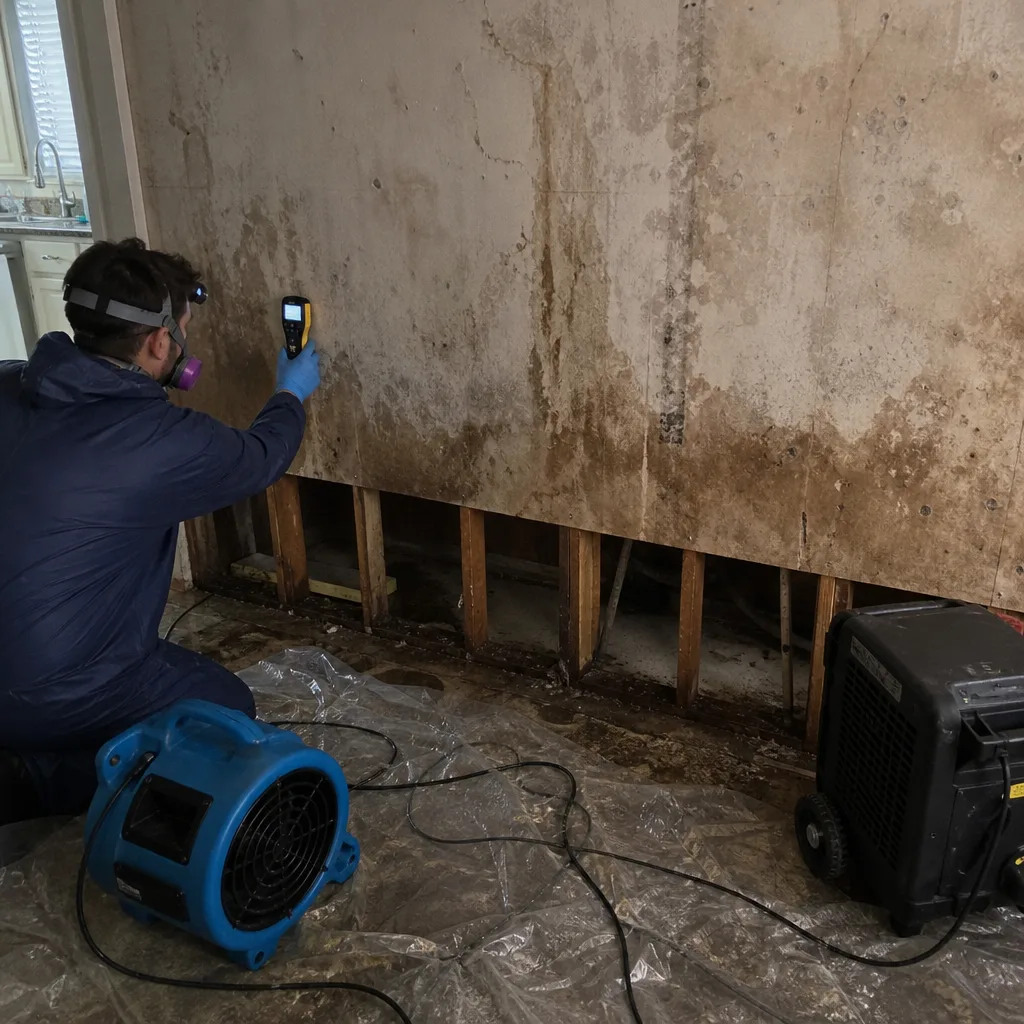 Before
 After
AfterHow Much Does Damage Restoration Cost in New York?
Most homeowners in New York, NY pay between $1,200 and $5,600 for water damage restoration in 2026, with smaller isolated leaks landing around $450 to $900 and whole-room sewage backups or extensive mold remediation reaching $8,000 to $25,000 or more. Fire damage restoration typically runs higher, usually $3,000 to $18,000 depending on square footage and whether structural framing was affected. The honest answer is that the number moves based on three things we can usually identify within the first 30 minutes on site: where the water traveled, what it soaked through, and whether mold has started.
At Tidemark Water Damage Queens, you get a written price before any work starts. That means the number you approve is the number you pay. No surprise line items at the end. If you’d like a real number for your specific situation, call (607) 600-9946 and we’ll talk through what we’re likely to find in a New York rowhouse or apartment building, typical pricing for your borough, and what the repair sequence looks like from first assessment to final clean-up photo.
Key Takeaways
- Typical water damage job in New York: $1,200 to $5,600; minor leaks under $1,000; sewage exposure $6,000 to $15,000+
- Typical mold remediation: $2,000 to $8,500 for a contained room; $12,000+ when walls and ceiling cavities are involved
- Typical fire damage restoration: $3,000 to $18,000 depending on soot type, square footage, and smoke penetration depth
- Labor + drying equipment usually represent 45 – 60% of the total cost
- Written price first means no “oh by the way” charges at the end
Damage Restoration Cost Breakdown (2026)
Here are the ranges we quote most often for New York properties in 2026. These reflect the cost realities of working in older housing stock: plaster-and-lath walls, shared plumbing stacks in prewar buildings, tight access stairwells, and co-op or condo board requirements that affect scheduling and containment protocols.
| Service | Typical Cost Range (New York, NY) | What It Includes |
|---|---|---|
| Minor water leak, single room | $450 – $900 | Extraction, air movers, dehumidifier for 2 – 4 days, moisture reading confirmation |
| Moderate water damage (floor, baseboards, lower wall) | $1,200 – $5,600 | Removal of soaked drywall or plaster, drying equipment, antimicrobial application, baseboard restoration |
| Flooded basement or crawlspace | $2,800 – $9,000 | Pump-out, sludge removal, structural drying, sump pump check, decontamination |
| Sewage backup cleanup | $6,000 – $15,000+ | Category 3 water handling, full containment, removal of contaminated materials, disinfection, air scrubbing |
| Mold remediation, contained area | $2,000 – $8,500 | Hepa-vacuuming, antimicrobial treatment, affected drywall removal, drying, post-remediation air sample |
| Whole-room mold remediation with wall cavities | $12,000 – $20,000+ | Containment barriers, negative air machines, full material removal, structural drying, rebuild prep |
| Fire damage restoration, moderate (1 – 2 rooms) | $3,000 – $18,000 | Soot removal, odor treatment, smoke sealant, cleaning of salvageable contents, air scrubbing |
| Water + mold combined (common in prewar buildings) | $8,000 – $25,000 | Multiple rooms, hidden moisture behind plaster, displaced baseboards, replacement of lath sections |
Those are not national averages pulled from a marketing blog. They’re based on the job sizes we see most weeks across New York’s five boroughs: walk-up apartments with radiator leaks on the top floor, brownstone basements that took 18 inches of storm surge, kitchen supply-line failures in co-op units where water traveled down three floors before the shut-off valve was found.
What moves the final number up or down? Water category. Category 1 is clean water from a supply line or tub overflow. Category 2 is grey water from a dishwasher, washing machine, or sump pump. Category 3 is sewage, street water, or anything that passed through a contaminated space. Category 3 work costs more because it requires full containment, special PPE, removal of far more material, and far stricter disposal rules in New York City. A bathroom supply-line break in a condo usually lands in Category 1 and may cost $2,000 to $4,000. A backed-up building waste line that surfaced through a first-floor drain can easily cross $10,000 once contaminated baseboards, lower drywall, and affected floor assemblies are removed and replaced.
Drying time also matters. A slab-floor Queens home dries differently than a wood-joist prewar building. Equipment runs longer in high-humidity summer weeks. Each additional day of dehumidifier and air-mover rental adds $125 to $250 per day in most New York restoration pricing. We use Dri-Eaz, Phoenix, and XPOWER drying equipment, and one thing we do differently is find the tide mark: the line water leaves on a wall. That line tells us how far moisture actually migrated, and we dry past it, not just to where the floor looks dry. A tide mark is the first thing our technicians look for on every job.
What Affects Damage Restoration Pricing in New York
Some of this is about the damage itself. Some of it is about the building. Some of it is about policy decisions made decades before you ever called us. Here are the six factors that move your number most.
- Water category and contamination level. Clean water, grey water, or sewage. Each step up in category roughly doubles the labor and containment cost. This is non-negotiable because it’s a safety decision, not a pricing decision. We will not cut corners on Category 3 contamination, because the health risk to your family is real and well documented.
- Building type and wall assembly. Plaster-and-lath walls in a 1920s co-op hold moisture longer and cost more to open and patch than modern drywall. Floor assemblies over wood joists dry slower and require more access holes. Prewar New York buildings also hide surprises: old knob-and-tube wiring that must be inspected, lead paint that adds containment requirements, and shared walls that carry water into a neighbor’s unit.
- How fast the water was found. A leak discovered within hours usually means drying in place. A leak that ran all weekend, or sat behind a cabinet for two weeks, means removal, antimicrobial treatment, and sometimes mold remediation. Speed is the single biggest cost variable in water damage. That’s why our phones are answered by a live person 24/7, not a voicemail. The faster we assess, the less material we remove.
- Access limitations. A fifth-floor walk-up with no service elevator means our crew carries every air mover, dehumidifier, and section of containment frame up the stairs, by hand, in shoe covers. That adds labor hours. Narrow doorways, furniture that must be carefully moved, and co-op board rules about work hours and service entrances all affect the estimate.
- Square footage actually affected, not total square footage. A 1,800-square-foot apartment with water damage confined to one 120-square-foot bathroom costs less than a 500-square-foot studio where a pipe burst in the wall and water traveled through three rooms. We measure the affected area with moisture meters and thermal imaging, then price to the wet footprint, not the whole home.
- Health and safety requirements. If occupants include infants, elderly family members, or anyone with respiratory conditions, we recommend containment barriers even on moderate jobs, and we default to pet-safe drying agents where there is a choice. Those choices add a modest amount to the estimate and are always explained before we start, never added after.
One more New York reality: your insurance policy. Many homeowner and condo policies cover sudden water damage but exclude long-standing leaks and some forms of mold. We handle insurance paperwork routinely and will give you the documentation your adjuster asks for: moisture maps, drying logs, before-and-after photos, and line-item invoices. A photo of the clean-up is taken and shared before the crew leaves, so you see exactly what was done and how the home was left.
Damage Restoration Cost by Service Type
Water Damage Restoration Costs in New York
Water damage is the most common call we take in New York, and the pricing spread is widest because the causes are so varied. A refrigerator supply line that drips behind a cabinet for two days might run $800 to $2,200 depending on whether the cabinet toe-kick needs removal. A toilet that overflowed onto a tile floor in a rental unit and was caught within an hour might be $350 for extraction and an antimicrobial wipe-down plus two days of air movement. A radiator valve that failed on the top floor of a prewar building and ran down through two apartments while the owner was at a summer house on Fire Island? That’s $12,000 to $30,000 across multiple units, and it’s a job that requires coordination with other residents, the building super, and sometimes the co-op board. We walk you through every step of that coordination, because we respect that you’re the one who has to live in the building after we leave.
Mold Remediation Costs in New York
Mold grows where water quietly sat. In our climate, with steamy summers and radiators that run hot all winter, New York apartments and rowhouses create the exact conditions mold likes: moisture, organic material, and still air. A small patch behind a bathroom vanity from a leaking P-trap might cost $1,200 to $2,500 to remediate. Mold that’s spread through a closet wall and into the cavity behind it usually runs $4,000 to $9,000 because we open the wall, remove the affected drywall and insulation, treat the framing, and replace what we removed. Whole-unit mold in a basement apartment with chronic humidity problems can reach $12,000 to $20,000, especially when the source is groundwater seepage that also needs a perimeter drain or sump pump correction. Our technicians are IICRC-credentialed for mold remediation, which matters because the protocol isn’t just “spray bleach and paint over it.” It’s controlled removal, negative air pressure, proper containment, and verification. When there is a choice between two comparable products, we use the pet-safe one. Your kids can come home to a house that’s actually clean, not just one that smells like cleaner.
Fire Damage Restoration Costs in New York
Fire jobs run the widest range because soot is wildly variable. A small kitchen fire that filled a prewar apartment with light protein soot and smoke odor might cost $3,000 to $6,000 if the fire was contained to the stove area. A fire that burned through a wall and filled wall cavities with smoke requires open-cavity cleaning, sealant application, and often partial rebuild, which lands between $10,000 and $25,000. A whole-floor fire in a semi-attached Queens home? That’s a full gut-and-restore, often $30,000 to $75,000 once insulation, wiring, plaster or drywall, flooring, and paint are included. Protein soot from a kitchen fire is sticky and corrosive; synthetic soot from burned furniture and carpet is toxic and requires full PPE and aggressive air scrubbing. We use B-Air negative air machines and Injectidry systems for cavity drying after fire suppression water damage, which is the part of a fire job nobody expects: the water the fire department used to put out the fire. Fire restoration always includes water restoration. It’s baked into the estimate, not added later.
How to Save on Damage Restoration in New York
Saving money on restoration isn’t about finding someone who’ll do it cheap. It’s about finding someone who stops the clock on the damage early, removes the minimum amount of material necessary, and drys the rest efficiently. Those three things are where the real money is.
Here’s what actually lowers your final cost:
- Call within the first 24 hours of discovery. Water that’s extracted and dried without removal costs a fraction of water that’s allowed to soak through drywall, baseboards, and into the floor assembly. If we can dry it in place, the bill is dramatically lower.
- Document everything before calling your insurer. Photos of the affected area, photos of the source (if visible), and notes on when you first noticed it. This speeds up your claim and reduces back-and-forth that can delay drying.
- Ask for the written price before work starts. This shouldn’t be a negotiation. It should be standard. At Tidemark, we deliver a written price on every job, no exceptions. You approve the number before anyone picks up a tool. That discipline alone keeps costs contained, because the estimate becomes the contract, not a starting point.
- Let us dry in place where possible. Some crews default to demolition because it’s faster for them, even when drying would work. We default to saving your home’s materials, because it’s cheaper for you and less disruptive for your family. This is exactly why we look for the tide mark. We remove only what has to go.
- Handle the small source repairs immediately. A loose supply line that caused a $3,000 restoration will cause another $3,000 restoration in six months if it’s not fixed. We’ll flag source issues we find during the job, even when fixing them isn’t part of our scope. It’s your house. You should know what else needs attention.
- Use our free estimates. Call (607) 600-9946 and describe what you’re seeing. We’ll walk through likely cost ranges for your building type and the affected area, over the phone, before you commit to anything. The estimate is free, and the conversation is no pressure.
One thing we won’t advise: trying to save money by drying major water damage yourself with rented box fans. A box fan moves air but does not lower humidity, does not reach wall cavities, and does not stop what’s happening behind baseboards. By the time the visible problem is addressed, the hidden problem has usually spread. We see this pattern regularly in New York basements and kitchens: a fan ran for a week, the floor looked dry, and two months later the mold smell started. The professional-grade dehumidifiers and air movers we run (Dri-Eaz, Phoenix, XPOWER) pull moisture from structural materials at rates that consumer equipment cannot match. That equipment cost is part of the estimate, and it’s cheaper than a second restoration.
What to Expect When You Call Tidemark Water Damage Queens
Here’s the sequence on a typical water damage job with us, so nothing about the process is surprising.
- You call and a live person answers. Not a voicemail. Not a callback queue. You describe what happened, where the water is, and whether you’ve shut off the source. We talk through immediate steps you can safely take, like shutting power to the affected room if water is near outlets.
- We schedule an assessment. Same day in most cases. Our crew arrives in uniform, with shoe covers and drop cloths already loaded on the truck. Shoe covers go on at the door. Drop cloths cover the floor before the first piece of equipment comes in. We ask before we move or touch anything. That’s not a courtesy. That’s our standard.
- We find the tide mark. That’s the line water leaves on a wall. Our technicians use moisture meters, thermal imaging, and their eyes to trace exactly where water traveled, including through wall cavities and under flooring. The tide mark tells us the true wet footprint, not the visible one.
- You get a written price. Before any work starts. It includes equipment, labor, materials, and estimated days. If the scope changes during the job (we open a wall and find something no one could have predicted), we stop and explain the change before proceeding. You’re never billed for work you didn’t approve.
- Drying begins. We place air movers, dehumidifiers, and containment where needed. If your household has kids or pets, we use lower-decibel settings during nap time and school hours where possible, and pet-safe products where there is a choice. We don’t treat your home like a construction site. We treat it like a home that happens to need drying.
- We verify dryness. Moisture readings are taken daily. When the materials are at acceptable levels, we remove the equipment. If mold was involved, we run post-remediation air samples before we consider the job complete.
- You get a photo of the clean-up. Before the crew leaves, we photograph the affected areas as they now stand. You see exactly what was done and how the home was left. Nothing is hidden because nothing needs to be hidden.
- If anything isn’t right, we make it right. Every job is covered by our 365-Day Done Right Promise. If the restoration is not done right, we make it right. That promise stands for a full year after the crew leaves.
FAQs: Damage Restoration Cost in New York
How much does water damage restoration cost in New York City?
Most water damage restoration jobs in New York City run $1,200 to $5,600 in 2026. Minor isolated leaks cost $450 to $900. Sewage backup or flooding that affects multiple rooms runs $6,000 to $15,000 or more. The biggest cost variables are water category (clean, grey, or sewage), building type, how long the water sat, and how much material must be removed versus dried in place. Call (607) 600-9946 for a free estimate with a written price before any work starts.
Is it cheaper to repair or replace water-damaged drywall?
For small affected areas under about 10 square feet, repair (cutting out the wet section and patching) is usually cheaper at $400 to $1,800 including drying. For larger areas, especially in New York apartments with shared walls, replacement is often the same cost or less because patching multiple sections costs more in labor than hanging new drywall. The real question is whether the drywall can be dried in place, which costs $200 to $600 per affected room when conditions allow. Our technicians find the tide mark and dry past it, which saves material whenever possible. Call (607) 600-9946 and we’ll talk through what your situation likely requires.
How much does mold remediation cost in New York?
Mold remediation in New York typically costs $2,000 to $8,500 for a contained area like a bathroom, closet, or section of ceiling. Whole-room remediation involving wall cavities, insulation, and structural drying runs $12,000 to $20,000+. The cost is driven by containment requirements, the amount of material that must be removed and replaced, and whether hidden moisture sources need to be corrected. We use IICRC-approved protocols and pet-safe products. Call (607) 600-9946 for a range specific to your home.
Can you come to my New York apartment today?
In most cases, yes. We answer our phones with a live person 24/7, and we offer same-day assessments for water damage across New York. The sooner we can assess, the more likely we can dry in place instead of removing materials, which lowers your final cost. Our trucks are stocked with containment supplies, drying equipment, and moisture detection tools. Call (607) 600-9946 and describe what you’re seeing. We’ll give you an honest sense of timing and likely cost before we arrive.
Will my homeowner’s insurance cover damage restoration costs in New York?
Sudden and accidental water damage, like a burst pipe or an overflowing appliance, is typically covered by standard homeowner’s and condo policies. Gradual leaks and mold resulting from long-standing moisture are frequently excluded unless you carry a specific mold rider. Fire damage is generally covered under standard policies. We handle insurance paperwork routinely and provide the moisture maps, drying logs, and photo documentation your adjuster will ask for. Call (607) 600-9946 and we’ll help you understand what your policy is likely to cover as we assess the damage.
What’s the difference between your estimate and the final invoice?
Nothing, in the typical case. The written price you approve before work starts is the price on the final invoice. If we open a wall and find something that changes the scope, we stop, explain the change, get your approval, and only then proceed. Our 365-Day Done Right Promise means if the restoration is not done right, we make it right. No re-billing. No fine print. Call (607) 600-9946 any time with questions about how we price restoration work.
Get a Written Price for Your New York Restoration
If you’re reading this, you probably already know something’s wrong. A stain on the ceiling. A musty smell in the basement. A kitchen fire that left a layer of soot on everything. Or worse, standing water and a rising sense of “what now.”
You don’t need to figure out the next step alone. You need someone who will explain what’s happening, name what will be protected and how, and tell you the price before the work begins. That’s how we operate at Tidemark Water Damage Queens, founded in 2006 and independently owned and operated as part of the Cedarwell Care Promise network.
Rick Sumner leads our team, and the standard he set is simple: written price first, pet-safe products, and a 365-Day Done Right Promise on every job. Shoe covers at the door. Drop cloths on the floor. A photo of the clean-up before the crew leaves. Your home is not a project to us. It’s your home.
Call (607) 600-9946 for a free estimate. A real person will answer, at any hour, and you’ll get the first clear step within the first few minutes of the call.
Written by Rick Sumner, Owner at Tidemark Water Damage Queens, serving New York since 2006.
Pricing reflects the New York market as of 2026. Tidemark Water Damage Queens offers free estimates – call (607) 600-9946.
What Our Customers Say
"Flooded laundry room. They set up fans but were thoughtful about the noise around the baby's room and moved equipment when I asked. Kind, clean, and they checked in daily."
- Marcus Delacroix"Smoke damage from a small kitchen fire. Considerate with our belongings, cleaned room by room, and kept us calm with daily updates. House smells normal again."
- Elliot Ngozi"Good work drying out our kitchen. The equipment did run for several days which was disruptive with little ones, but they warned us and were gentle and respectful throughout."
- Helen Vargas