
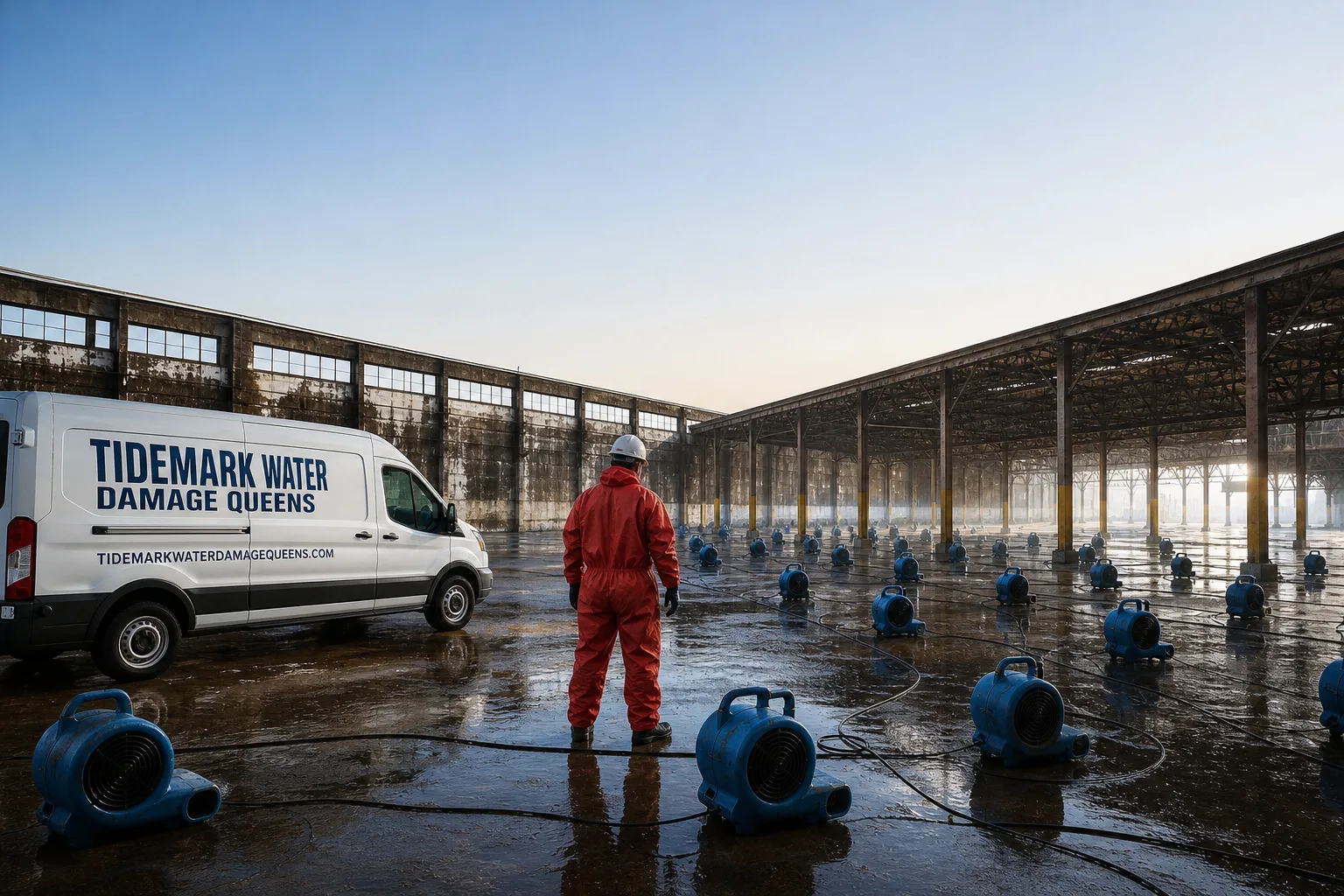
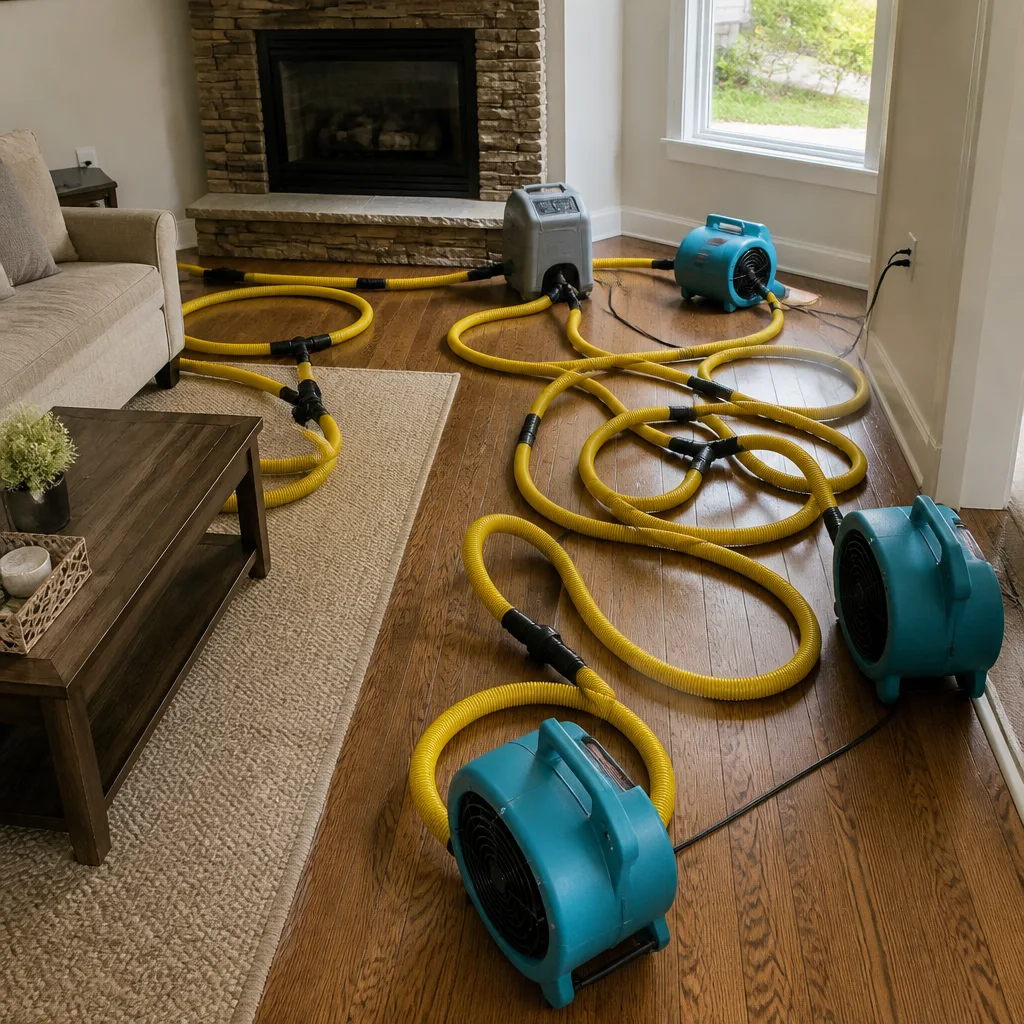
 Water damage drying
 Fire & smoke cleanup
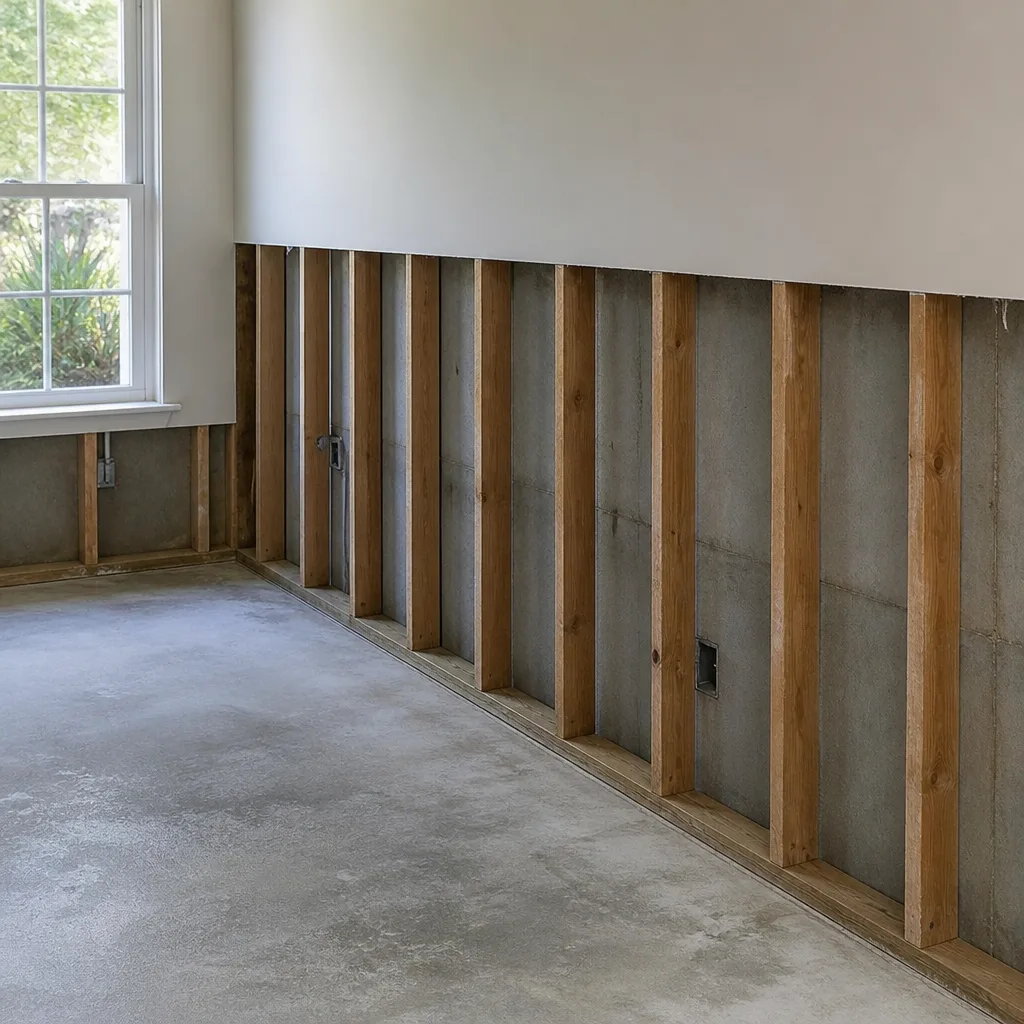 Mold remediation
 Storm response
 Sewage cleanup
 Reconstruction
Free visual inspection and a written scope of work before any mitigation begins - photos, moisture readings, and drying logs go in your claim file
The scope we write is the scope we bill. Anything new gets shown to you, in writing, before we touch it.
Get your free estimateRestoration work we handle
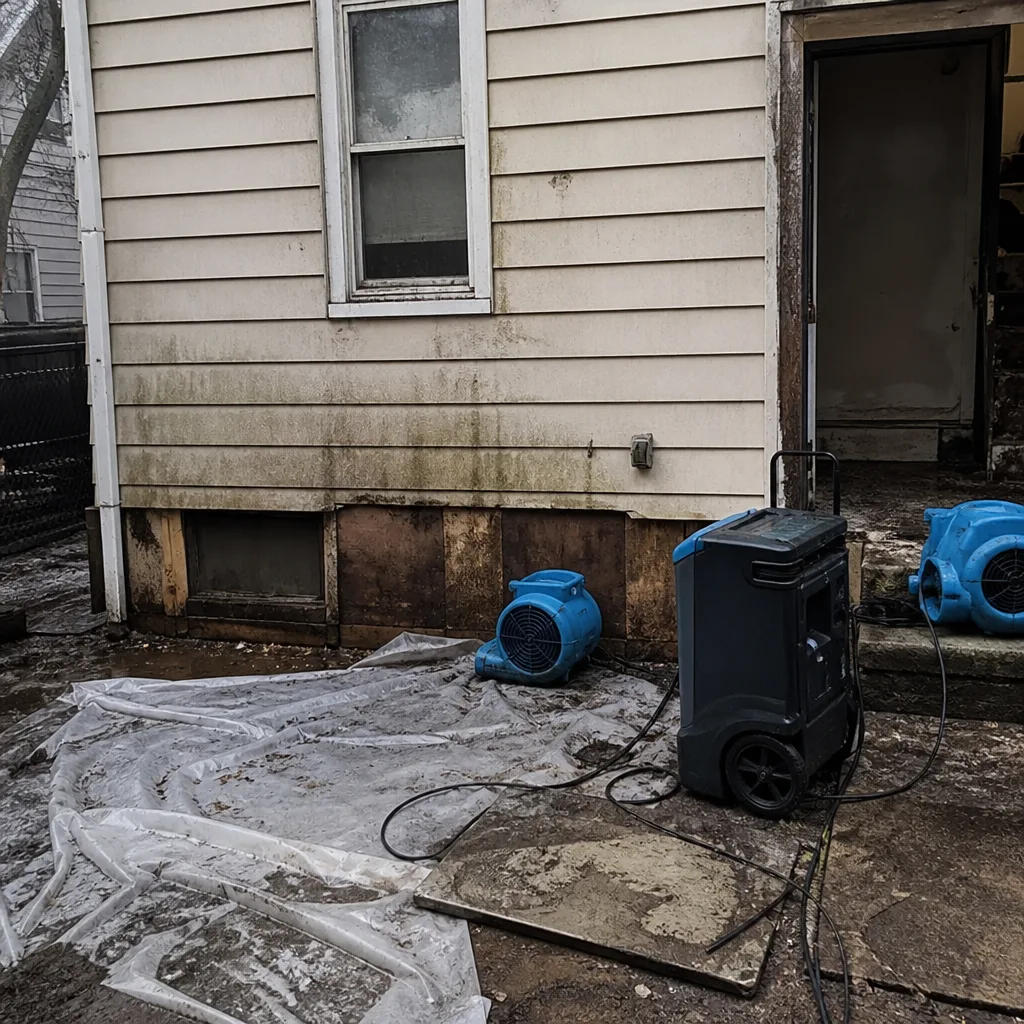
See the difference
 Before
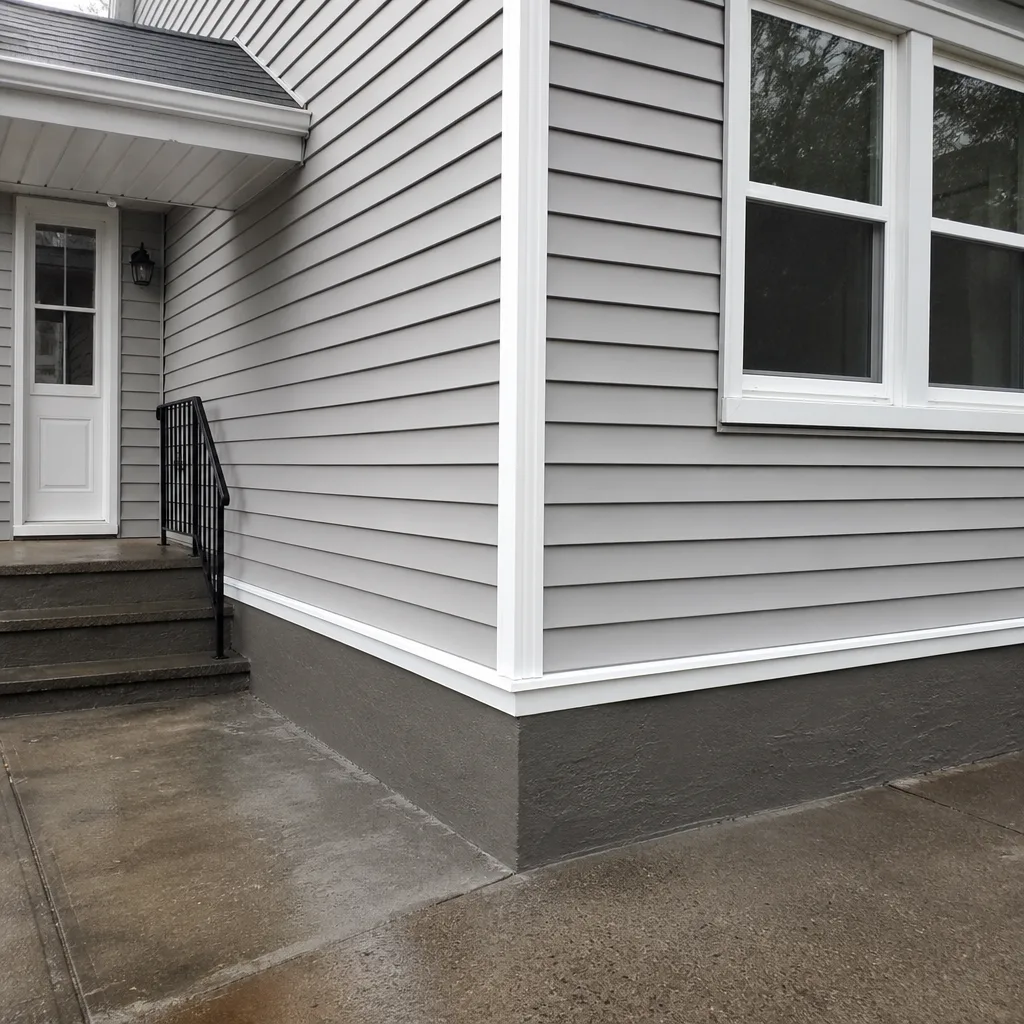 After
After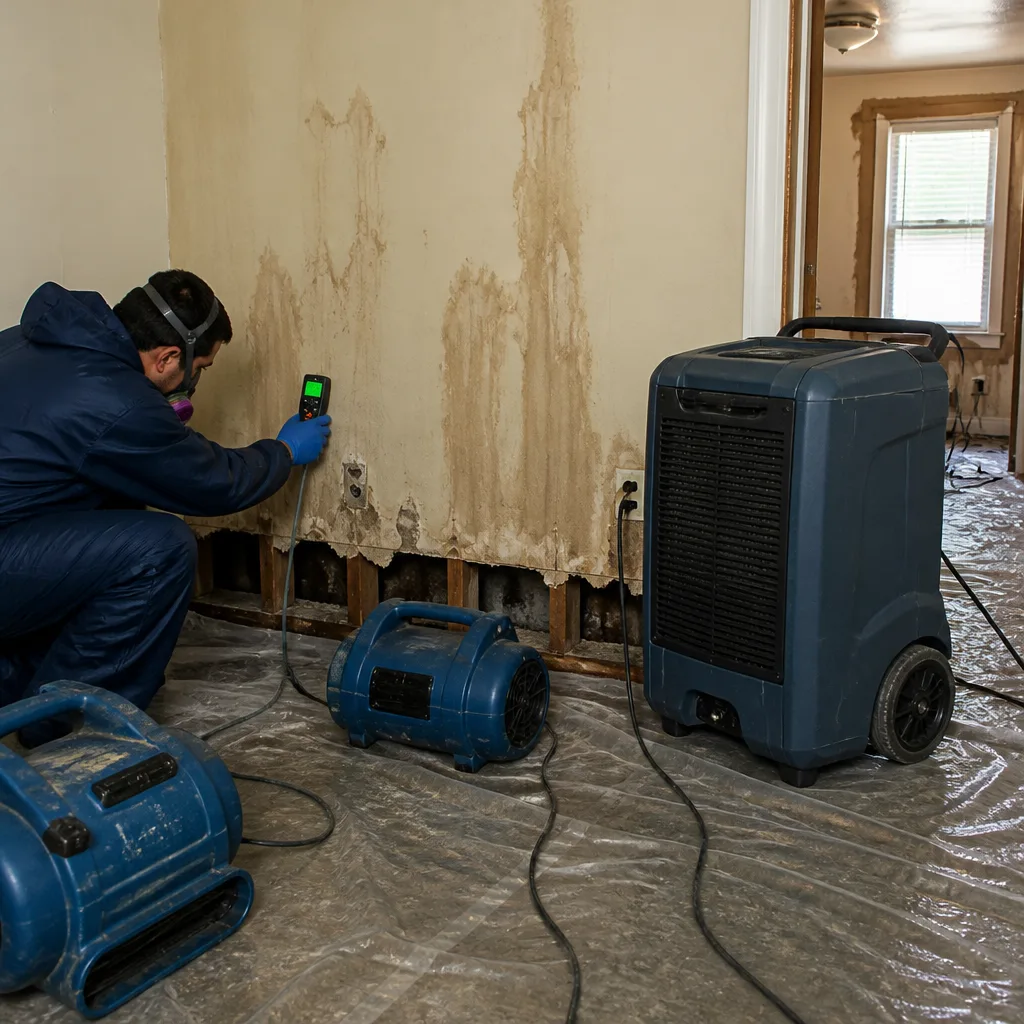 Before
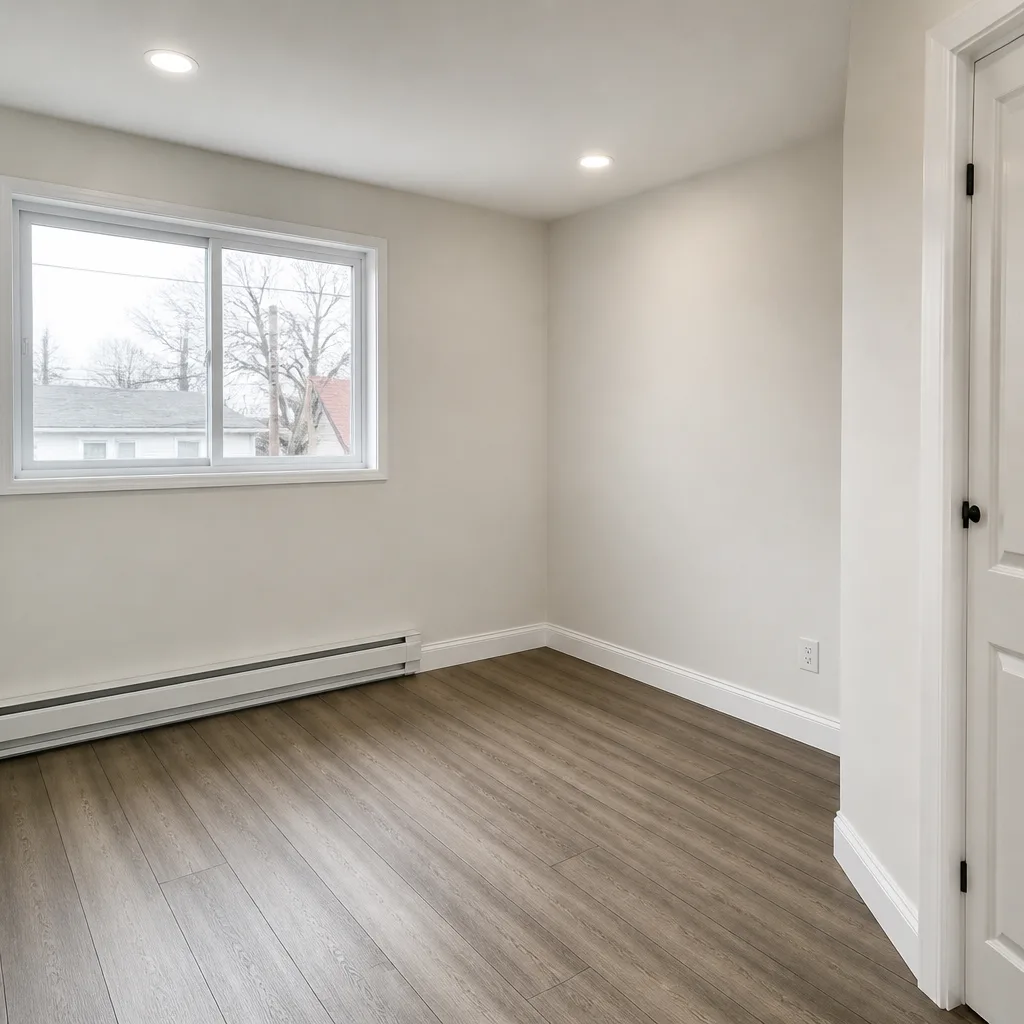 After
After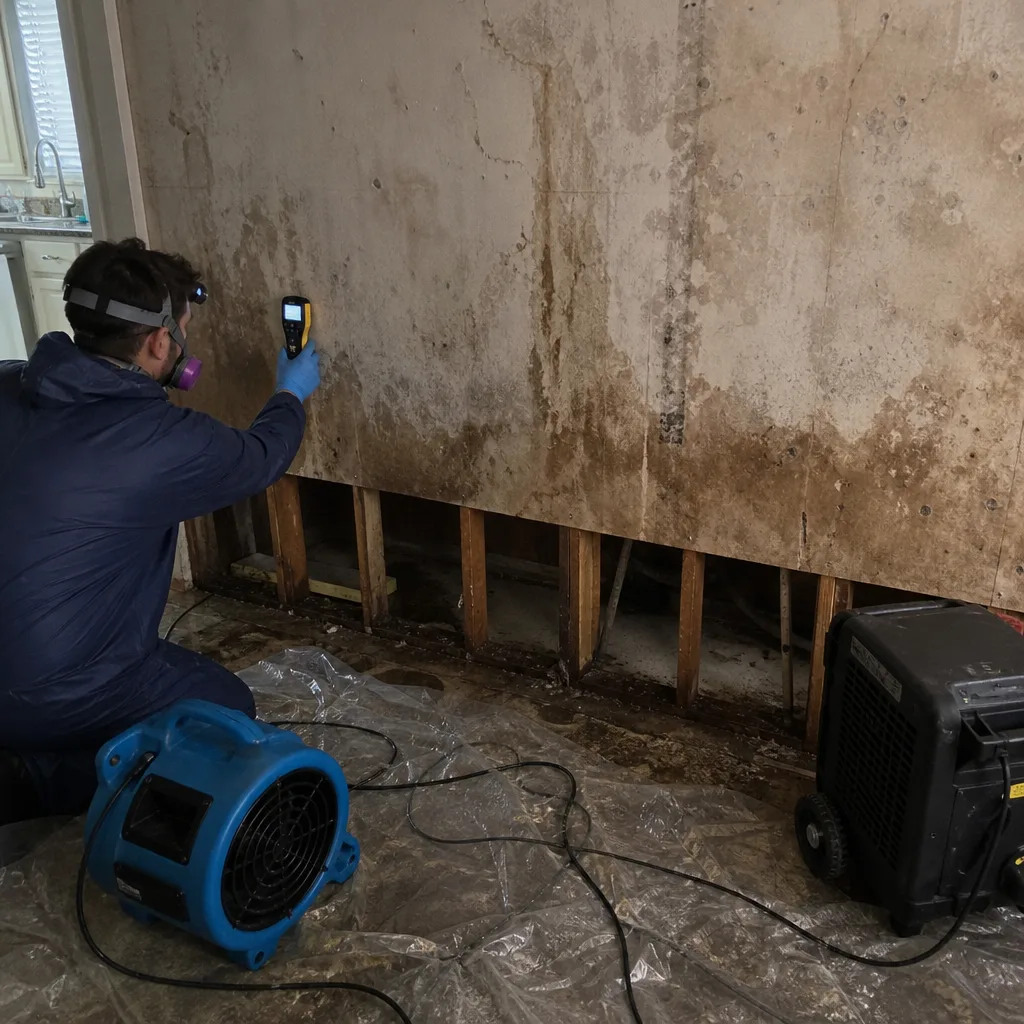 Before
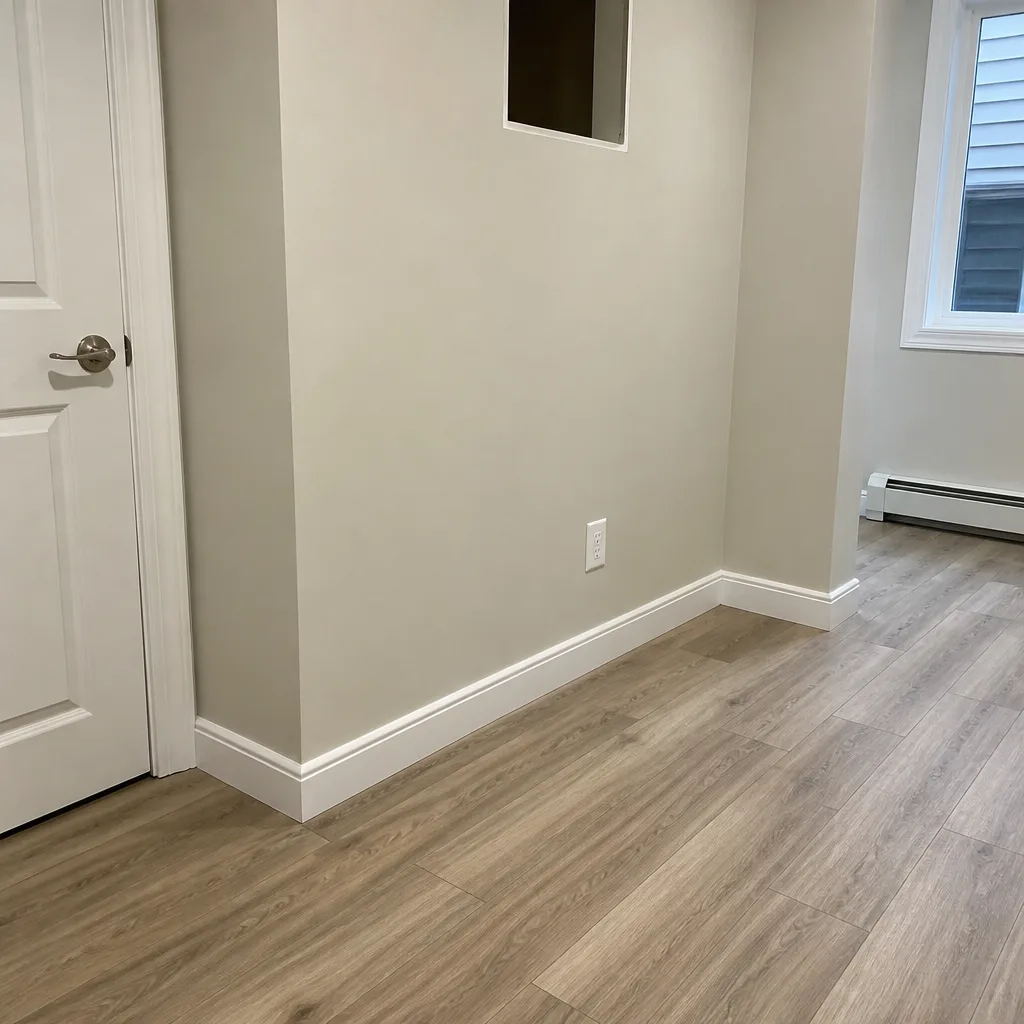 After
AfterHow Much Does Mold Remediation Cost in Queens?
Mold remediation in Queens, NY typically costs between $1,800 and $6,500 for the average job, with most homeowners paying around $3,200. Small, contained problems like a bathroom ceiling patch run $500 to $1,500, while whole-basement remediation after flooding can reach $12,000 or more. The written price you agree to before work begins is the number you should pay, with no surprises added to the final invoice.
Mold Remediation Cost Breakdown (2026)
Queens pricing reflects the borough’s housing stock: attached brick row houses in Astoria and Woodside, prewar co-ops in Forest Hills and Jackson Heights, detached colonials in Bayside and Whitestone, and walk-up apartments throughout Sunnyside and Ridgewood. Each building type presents different access challenges, and those challenges show up in the final number.
| Remediation Component | Typical Queens Range | What It Covers |
|---|---|---|
| Inspection & Moisture Mapping | $150 – $400 | Finding the tide mark, using moisture meters and thermal imaging to locate hidden water travel |
| Small Containment (under 10 sq ft) | $500 – $1,200 | Bathroom ceiling, closet corner, single wall section, window sill |
| Medium Remediation (10 – 50 sq ft) | $1,500 – $4,000 | Section of drywall, baseboards, under-sink cabinet area, one wall |
| Large Remediation (50 – 200 sq ft) | $4,000 – $8,500 | Full basement wall, multiple stud bays, ceiling cavity, crawl space |
| Whole-Basement or Multi-Room Job | $8,000 – $15,000+ | Containment across rooms, structural drying, full material removal and replacement |
| HVAC Duct Cleaning (add-on) | $600 – $2,000 | Cleaning supply and return ducts when mold spores traveled through the system |
| HEPA Vacuuming & Air Scrubbing | $250 – $600 | Final particle cleanup with HEPA-filtered equipment before containment comes down |
| Post-Remediation Verification | $200 – $500 | Confirming moisture levels returned to normal and visible mold is gone |
These numbers reflect the Queens market in 2026, where labor rates run higher than upstate or out-of-state comparisons and where on-street parking, building access rules, and co-op board requirements add time to every job. A 300-square-foot basement in Jamaica costs more to remediate than the same basement in a standalone house in rural Pennsylvania because the crew may need to park blocks away, coordinate with a super, and work around shared walls.
What drives cost up or down: how far the water traveled (that is the tide mark, the line water leaves on a wall, and it’s the first thing our technicians look for), whether drywall needs cutting out versus surface treatment, how many rooms sit inside the containment zone, and whether the mold has reached the framing behind the walls. Surface mold on a painted ceiling costs less to address than mold that has colonized insulation inside a wall cavity.
What Affects Mold Remediation Pricing in Queens
Every estimate should walk you through these factors. If a contractor cannot explain them, that’s a signal to keep looking.
- The tide mark, not just the stain. Mold is a water problem first. A tide mark shows how high water traveled. In Queens basements after a nor’easter or a burst pipe, water can wick up through brick foundations in neighborhoods like the Rockaways, Howard Beach, and Broad Channel, and the mold follows that moisture path invisibly for weeks. Finding and drying past that line costs labor, but skipping it means the mold returns.
- Building type and wall construction. Prewar buildings in Kew Gardens and Rego Park often have plaster over lath, which reacts differently than the drywall in newer construction in Long Island City. Plaster is harder to cut cleanly and takes longer to dry out, which extends remediation time.
- Containment size and negative air pressure. Proper remediation means sealing the affected area with plastic sheeting and running HEPA-filtered negative air machines so spores do not travel to the rest of the house. A larger containment zone means more equipment and more labor hours.
- Access in attached housing. In row houses across Woodhaven, Ozone Park, and Maspeth, technicians share walls with neighbors. That affects how equipment moves in, where the air scrubber exhausts, and often requires coordination with adjacent properties. In a basement in Corona with a narrow staircase, every piece of equipment and every bag of debris has to travel up and out by hand.
- Post-remediation rebuild work. Remediation removes the mold. Rebuilding the drywall, repainting, and replacing trim is a separate cost. Some Queens homeowners want a single company to handle both, which is why our quotes separate remediation from reconstruction so you see exactly what each part costs.
- Testing and verification. Some projects, especially those in co-ops or after an insurance claim, require post-remediation air sampling by an independent indoor environmental professional. That typically costs $300 to $800 in Queens and is paid to the testing company, not the remediation crew.
How to Save on Mold Remediation
Saving money on mold remediation in Queens does not mean cutting corners, because cutting corners means paying twice. It means acting before the problem spreads and understanding where your dollars go.
Address the moisture source first. A leaking pipe behind a bathroom wall in Flushing will undo any remediation within weeks. Find and fix the source of water before you spend money on mold removal. Sometimes that means a plumber first and a mold crew second, and while that sounds like two bills, it is one bill once instead of a remediation bill every year.
Get a written price. Some contractors give a verbal estimate and then add line items later. A written price before any work starts, on every job, with no exceptions, protects you from that. Ask for it.
Contain the problem early. If you notice a small patch of mold under a bathroom sink in Elmhurst, do not wait until it spreads behind the vanity. Smaller containment areas cost far less than full-room jobs. Same goes for a damp smell in a Forest Hills basement: investigate early, when it is a $400 mold inspection & testing and a $900 fix, rather than a $7,000 gut job.
Ask about the final invoice. Photograph everything before and after. Our crews take a photo of the clean-up before they leave, so you see exactly what was done and how the space was left. That photo is part of the record, and the record protects the price.
Can You Fix Mold Yourself?
For small patches under 10 square feet on non-porous surfaces, like a window sill or a painted ceiling, a homeowner can wipe with a diluted bleach solution or a commercial mold cleaner. Wear gloves, an N95 mask, and eye protection, and keep the room ventilated.
For anything larger, anything on drywall, anything that has penetrated into insulation behind a wall, or anything in a basement that flooded, call a trained professional. Mold remediation involves disturbing spores, and improper containment sends those spores through your home. This is not a stain problem. It is an air-quality problem, and children, older adults, and anyone with asthma or allergies are the most affected.
We follow the C.A.R.E. code on every job in Queens: explain before acting, name what will be protected and how, and speak to the family, not past them. Shoe covers go on at the door. Drop cloths cover the floor before the first piece of equipment comes in. We ask before moving or touching anything. We explain the price before the work. We respect your time and quiet hours.
What to Expect When You Call
When you call Tidemark’s mold remediation service in Queens, a real person answers. Not a voicemail, not a callback queue. You describe what you are seeing and where. We schedule a visit.
Here is the process, step by step:
- Inspection and moisture mapping. A trained technician looks for the tide mark, the line water leaves on a wall, and uses moisture meters to trace where water traveled behind surfaces. This step is thorough because missing the margin means missing the mold.
- Written price. Before any work starts, you receive a written breakdown: labor, materials, containment, disposal. That number is the number. No surprise line items on the final invoice.
- Containment. Plastic sheeting and negative air pressure seal the affected area. This protects the rest of your home, including bedrooms where children sleep and the kitchen where your family eats.
- Removal and treatment. Affected drywall, insulation, and carpeting come out. Surfaces are cleaned with professional-grade products. Where there is a choice, we use pet-safe drying agents and lower-decibel settings during nap time.
- Drying and verification. Equipment from Dri-Eaz, Phoenix, XPOWER, and B-Air runs until moisture readings confirm the space is dry past the tide mark, not just at the stain. Post-remediation verification confirms the job is done right.
- Photo and clean-up. The crew cleans the work area, vacuums with HEPA filters, and takes a photo of the clean-up before they leave. You see exactly what was done and how the space was left. That is our standard, not an upsell.
Every job carries the 365-Day Done Right Promise. If the restoration is not done right, we make it right. That promise is written into every project we handle in Queens, and it extends long after the crew has left.
If you are comparing us to other home restoration providers, know that our technicians hold IICRC, RIA, and IFA credentials, and we operate as an independently owned location of the Cedarwell Care Promise network, founded in 2006.
Queens Mold Remediation Cost by Neighborhood
While the cost table above covers borough-wide pricing, some neighborhoods carry distinct cost patterns:
- Bayside and Whitestone: Larger detached homes mean bigger basements, which means more square footage for remediation and higher total costs, often $5,000 to $12,000 for a full basement job.
- Jackson Heights and Elmhurst: Walk-up apartments and co-ops mean smaller spaces but more access coordination. Small jobs under 10 square feet are common here, running $500 to $1,200.
- The Rockaways and Broad Channel: Flood-prone and salt-air exposed, these neighborhoods see mold from storm surge and repeated water events. Remediation here often runs above the borough average because of material saturation and the need for structural drying, not just surface treatment.
- Long Island City and Astoria: Newer construction and high-rise units often have modern materials, but high-rise access adds time for equipment transport and may require freight elevator scheduling, which can add $200 to $500 to a job.
- Jamaica and South Ozone Park: Older single-family homes with attached garages and finished basements commonly need medium to large containment, running $2,500 to $6,000.
FAQs – Mold Remediation Cost in Queens
How much does mold remediation cost per square foot in Queens?
Queens mold remediation typically runs $18 to $35 per square foot for contained areas, with smaller jobs costing more per square foot than larger ones because minimum call fees and equipment setup are spread across fewer square feet. A 30-square-foot bathroom ceiling job might be $1,500, which is $50 per square foot, while a 300-square-foot basement runs closer to $25 per square foot. Call (607) 600-9946 for a written estimate on your specific case, free and with no obligation.
Is mold remediation covered by homeowners insurance in Queens?
Homeowners insurance in Queens typically covers mold remediation only when the mold results from a covered peril, like a burst pipe or a storm, and only up to a policy sub-limit, which in New York commonly ranges from $5,000 to $10,000. Mold from long-term humidity, condensation, or deferred maintenance is generally not covered. We document the tide mark and the moisture source thoroughly, which helps with insurance documentation. Call (607) 600-9946 to discuss your situation.
How long does mold remediation take in Queens?
Small jobs under 10 square feet usually take one day. Medium jobs of 10 to 50 square feet take two to three days. Large basement or multi-room jobs can take four to seven days, and whole-home jobs with structural drying can extend to two weeks. Queens row houses and walk-ups can run longer because of access constraints. We confirm a timeline in writing before we start.
Is it cheaper to repair or replace mold-damaged drywall?
In most Queens homes, removing and replacing mold-damaged drywall costs $3 to $6 per square foot in materials and labor, which is almost always cheaper than attempting to clean and salvage it. Cleaning drywall is rarely successful because mold penetrates the paper facing. Replacement also speeds up drying, which lowers total remediation time. Expect to spend $1,200 to $3,000 on drywall replacement for a typical 200-square-foot affected area in Queens.
Can you come today for mold remediation in Queens?
We answer calls live, 24 hours a day, 7 days a week. For active water damage or visible mold, we can typically dispatch a technician to your Queens address the same day, depending on call volume and work location. Same-day visits are common for urgent cases in neighborhoods like Bayside, Flushing, and Jamaica. Call (607) 600-9946 and a real person will give you an honest window based on where our crews are.
Why the Tide Mark Matters for Your Price
A tide mark is the line water leaves on a wall. It is the first thing our technicians look for on every job. Mold remediation pricing depends on how far water traveled behind what you can see. If the tide mark shows water rose two feet up a basement wall in Howard Beach, the remediation zone extends two feet up, even if the visible mold is only at the baseboard.
This is why two Queens homes with identical-looking mold stains can have very different remediation estimates. One home may have a tide mark that stays low and local. The other may have water that wicked through the entire foundation wall. The first job is smaller. The second job requires cutting out more drywall, drying more structure, and running equipment longer. Understanding the tide mark helps you understand why prices differ, and it is why our inspection comes first and our written price comes before any work.
Rick Sumner leads our Queens team with the Cedarwell Care Promise as the operating standard: a written price first, pet-safe products, and a 365-Day Done Right Promise. When we explain the tide mark to you, we are not adding jargon to inflate a bill. We are showing you where the water went so you can see why the number is what it is.
Contact Us for a Free Mold Remediation Estimate in Queens
Mold does not improve on its own, but that does not mean the process of fixing it has to be rushed or alarming. We walk through what is happening in your home calmly and precisely. We name what will be protected and how. We speak to your family, not past them.
Call (607) 600-9946 for a free estimate. A real person answers, day or night. We will schedule a visit, inspect the tide mark, and put a written price in your hand before any work begins. Shoe covers go on at the door. Drop cloths cover the floor. And when we leave, you will have a photo showing exactly what was done and how the space was left.
Written by Rick Sumner, Owner at Tidemark Water Damage Queens, providing mold remediation, water damage restoration, and fire damage restoration in Queens since 2006.
Pricing reflects the Queens market as of 2026. Tidemark Water Damage Queens offers free estimates – call (607) 600-9946.
What Our Customers Say
"Smoke damage from a small kitchen fire. Considerate with our belongings, cleaned room by room, and kept us calm with daily updates. House smells normal again."
- Elliot Ngozi"Good work drying out our kitchen. The equipment did run for several days which was disruptive with little ones, but they warned us and were gentle and respectful throughout."
- Helen Vargas"Smoke damage after a small stove fire. They were considerate with our belongings, cleaned carefully room by room, and kept us updated calmly. House smells normal again."
- Nelson Pryor