
 Water damage drying
 Fire & smoke cleanup
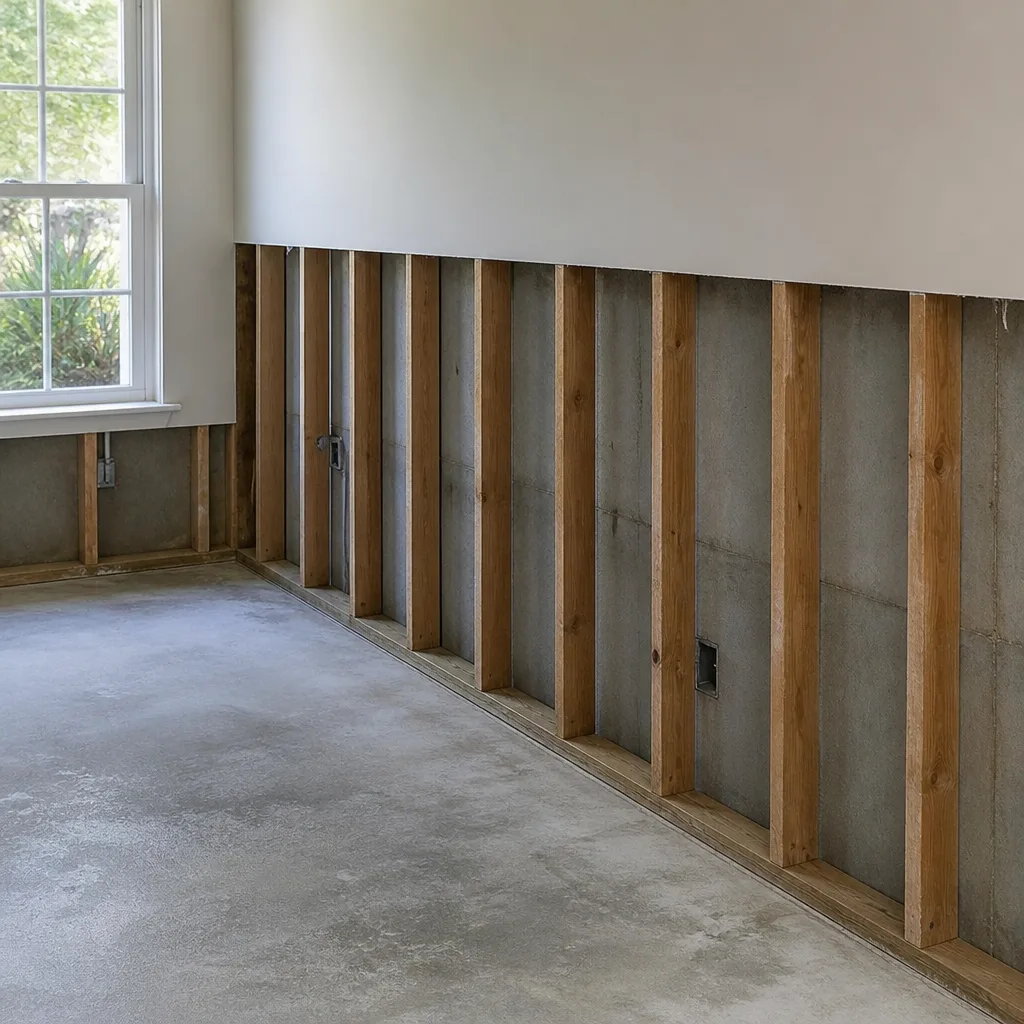 Mold remediation
 Storm response
 Sewage cleanup
 Reconstruction
Free visual inspection and a written scope of work before any mitigation begins - photos, moisture readings, and drying logs go in your claim file
The scope we write is the scope we bill. Anything new gets shown to you, in writing, before we touch it.
Get your free estimateFast, Reliable Mold Remediation Across Queens
Mold remediation in Queens typically costs $1,800 – $6,500 for a contained removal of affected drywall, plaster, and framing in a single room or closet, and most jobs are assessed within 24 hours of your call. If you’ve spotted discoloration on a wall, noticed a musty smell that won’t clear, or had water intrusion in an attached brick row house, you’re dealing with something specific to this borough’s housing stock, and it needs a crew who knows Queens. Mold Remediation in attached homes here means looking past your own four walls, because water and mold simply do not respect party lines. Call (607) 600-9946 and a live person answers, day or night.
Why Tidemark Water Damage Queens Is Queens’s Preferred Mold Remediation Company
Queens homeowners call us because we already know what we’re walking into before the door opens. This borough holds over two million people in a patchwork of 1920s-to-1960s brick row houses, prewar six-story apartments, and garden co-ops, and each building type hides mold in different places. We work to the Cedarwell Care Promise: a written price before any work starts, pet-safe products wherever there is a choice, and a 365-Day Done Right Promise that means if the remediation is not done right, we make it right. That matters in attached housing, where a missed section of a shared wall means the mold simply comes back.
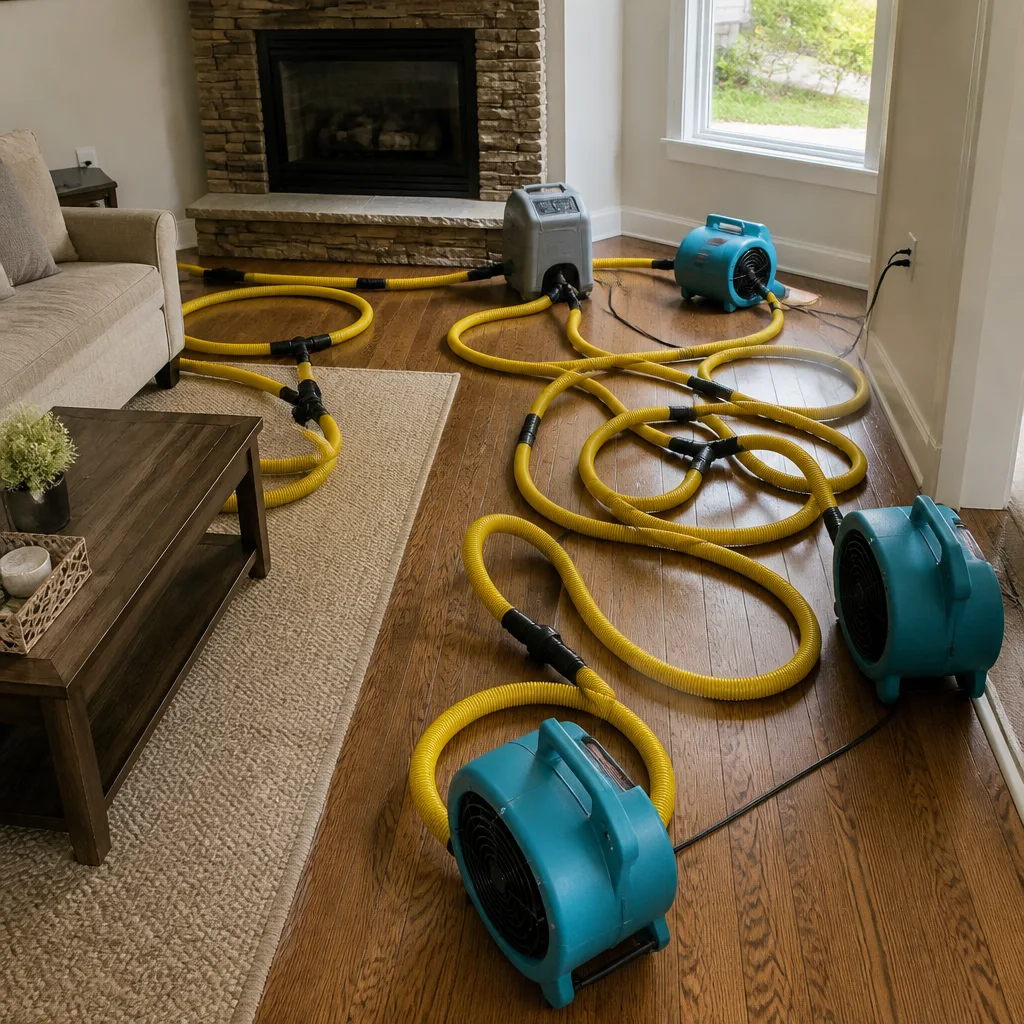
Rick Sumner leads our Queens team, and every technician who steps into your home is background-checked, uniformed, and credentialed through IICRC, RIA, or IFA. Shoe covers go on at the door. Drop cloths cover the floor before the first piece of equipment comes in. We run Dri-Eaz and Phoenix drying equipment on lower-decibel settings during school hours and nap time, because we know your kids are home and your neighbor shares a wall. Before the crew leaves, we photograph the clean-up and share it with you, so you see exactly what was done and how the space was left.
Restoration work we handle
Professional Mold Removal in Queens
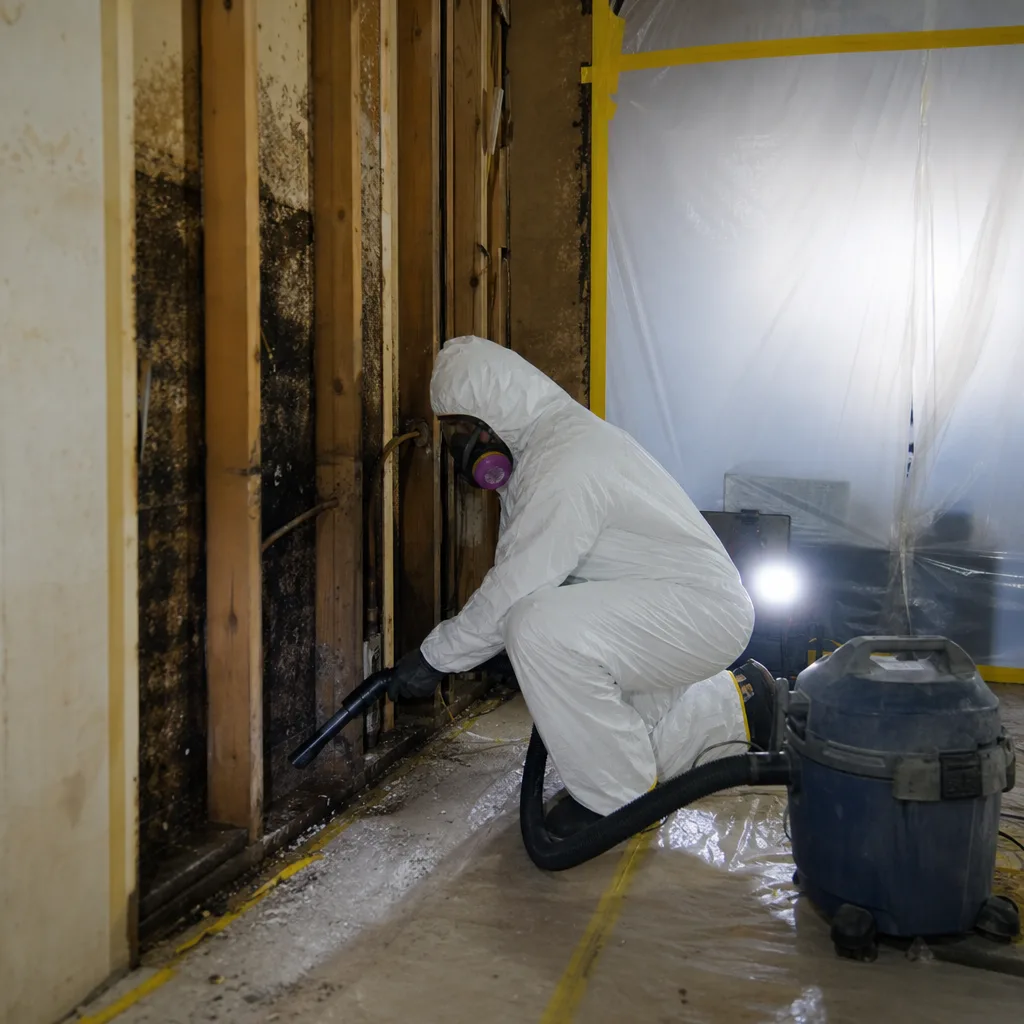
Professional Mold Removal in Queens means something different than it does in a detached single-family home in the suburbs. Here, most housing is attached, brick, and old enough that original plaster walls and joist bays predate modern vapor barriers. When we remove mold in a Queens row house, we contain the work area under negative air pressure, remove affected plaster and drywall to at least 12 inches past visible growth, HEPA-vacuum framing, and then dry the cavity to below 15% moisture content before closing it back up. A bathroom ceiling removal in an Astoria co-op runs $900 – $1,800. A full basement stud-wall removal in a Woodhaven row house runs $3,500 – $6,500.
Containment and Air Scrub
We set up plastic sheeting and negative air pressure so mold spores released during demolition do not drift into your kitchen or your neighbor’s hallway. Air scrubbers with HEPA filtration run throughout the job, and we monitor humidity with meters, not guesses.
Removing and Restoring
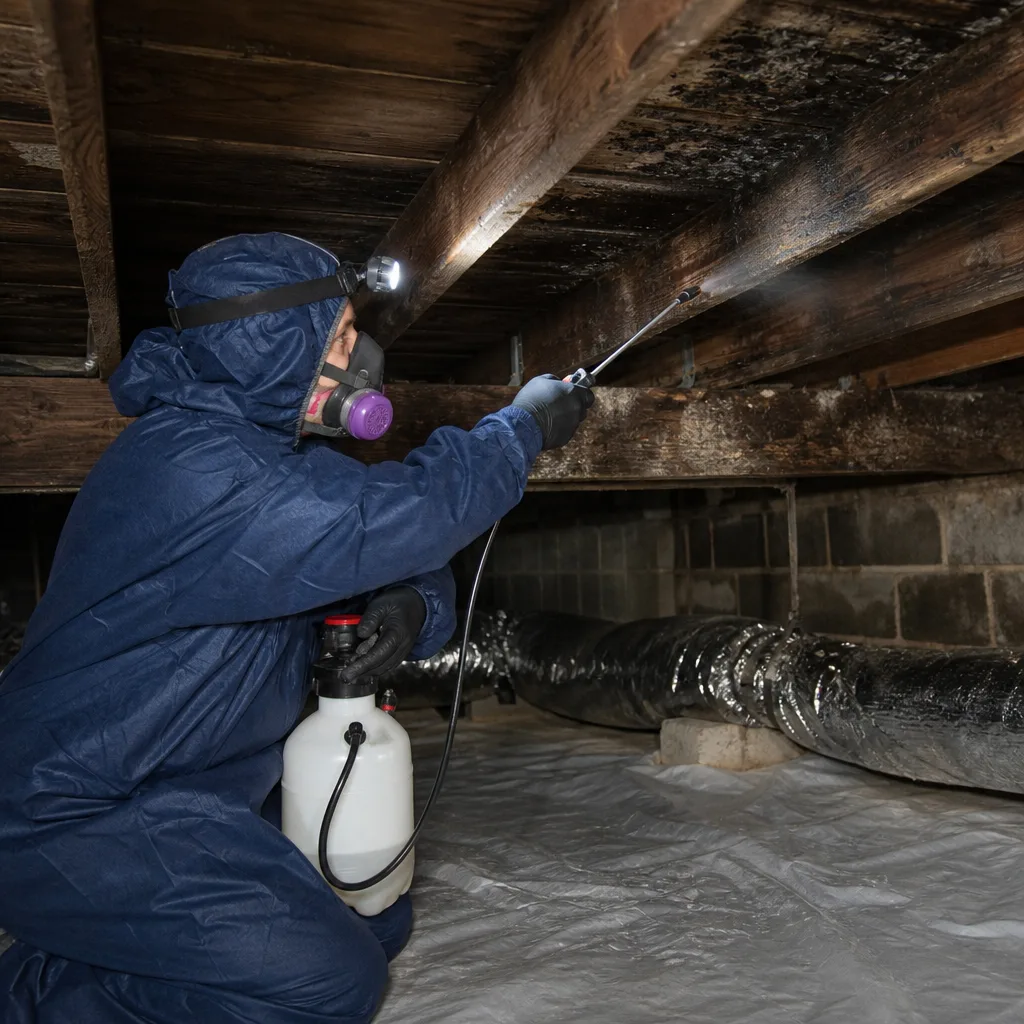
Affected plaster, drywall, and insulation come out, and the framing is treated with an EPA-registered antimicrobial. Then we dry past the tide mark, which is the line water leaves on a wall and the first thing our technicians look for on every job. A new bathroom refresh after mold removal in a Flushing co-op typically runs $1,200 – $2,400, and that number is in writing before we start.
Mold Inspection in Queens
Mold Inspection in Queens is usually the first call a homeowner makes when they smell something musty in a hall closet, see staining above a window, or get a co-op board letter about “possible moisture conditions.” A visual inspection with moisture mapping, thermal imaging, and air sampling in a Queens apartment or row house runs $350 – $650. If lab analysis is needed, that is an additional $75 – $150 per sample. The inspection tells you whether you have a mold problem, where it is, how far it goes, and whether the neighbor’s side of the wall needs checking.
Moisture Mapping
We use meters and infrared cameras to find elevated moisture inside walls and under floors before we open anything. In a brick party wall, water can travel six feet from the source, and the visible stain is often the smallest part of the problem.
Air and Surface Sampling
When you need to prove what is in the air, for a co-op board or your own records, we collect spore trap samples and send them to a third-party lab. You get a written report showing spore counts and types, and a plain-English explanation of what it means for your home.
Trusted Brands We Service in Queens
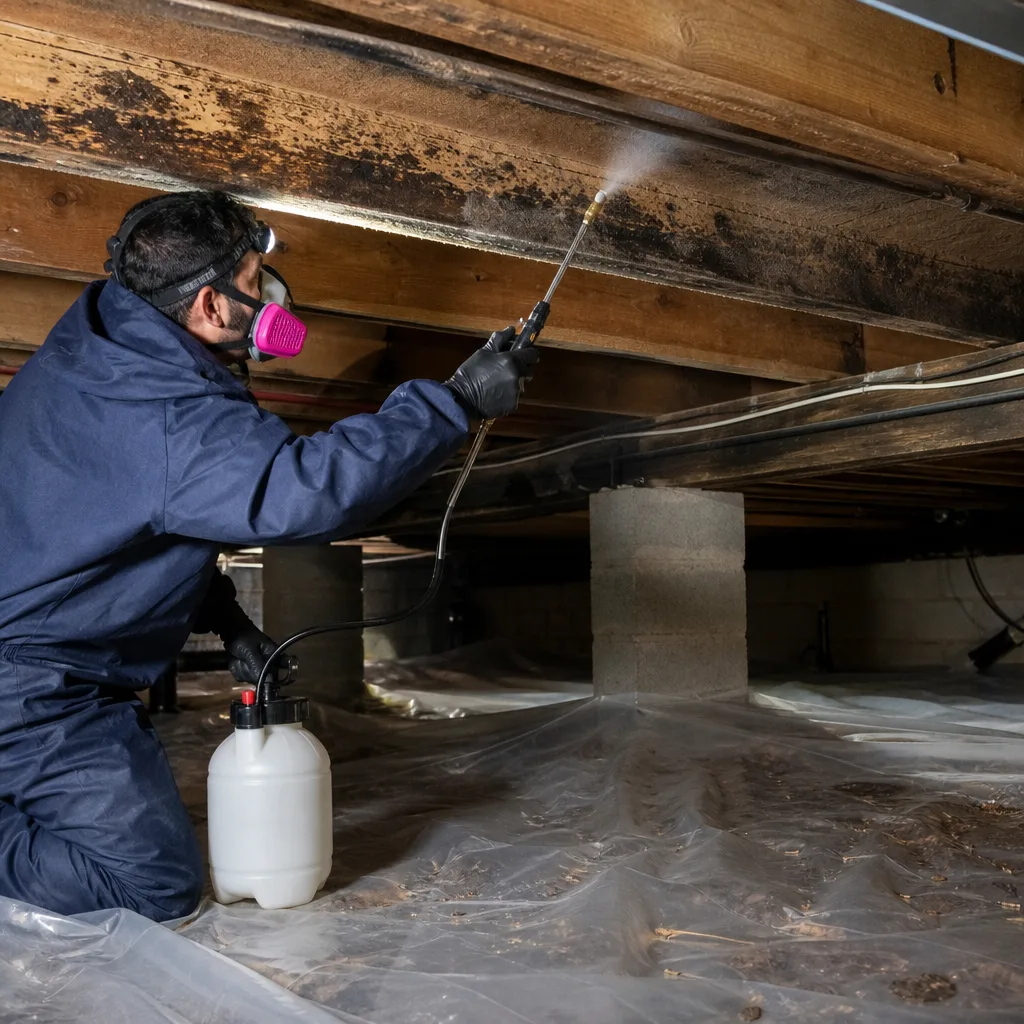
Queens homeowners call us to fix problems left by other companies, and the equipment brands we run are part of why our work holds up. We operate Dri-Eaz dehumidifiers, Phoenix air movers, and XPOWER air scrubbers, and our technicians carry IICRC and RIA certifications. Because we stock replacement filters, HEPA cartridges, and containment materials for these units at our New York City office, we do not wait on a parts truck when your job is scheduled in Queens. Dispatch and scheduling are coordinated from that office, and crews serve Queens locally.
Common Mold Remediation Problems We See in Queens Homes
- Party wall mold return. In attached brick row houses from Astoria to Richmond Hill, a water loss in an end unit wicks through the shared masonry wall, so we check the neighbor’s closet for mold even when the leak was contained to one address. Remediation that stops at the unit’s side of the wall almost always grows back.
- Co-op and condo board delays. Buildings in Jackson Heights, Forest Hills, and Rego Park often require board sign-off before opening walls or floors, and that approval can take days. Mold colonizes plaster and original wood floors quickly in that window, turning a cleaning job into a removal job.
- Misclassified water in old basements. Technicians sometimes mistake category 2 or 3 water in a century-old basement for category 1, which leads to inadequate structural drying and recurring mold in the original joist bays. In Queens, a basement backup from a combined sewer is never category 1.
- Original galvanized plumbing failures. Many 1920s and 1930s homes still run original galvanized supply lines, and when those fail inside a wall cavity, the leak can run for days before anyone notices. By the time staining appears, mold is usually established behind the plaster.
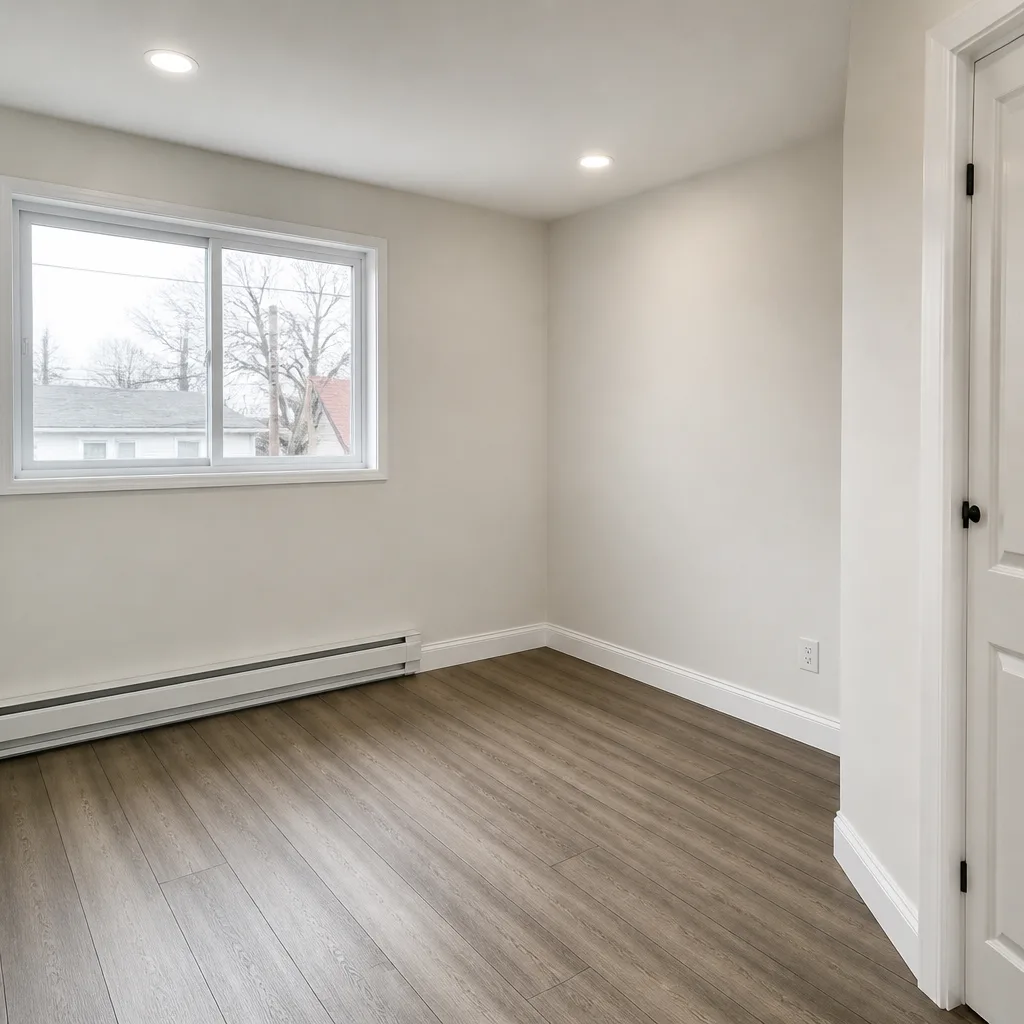
See the difference
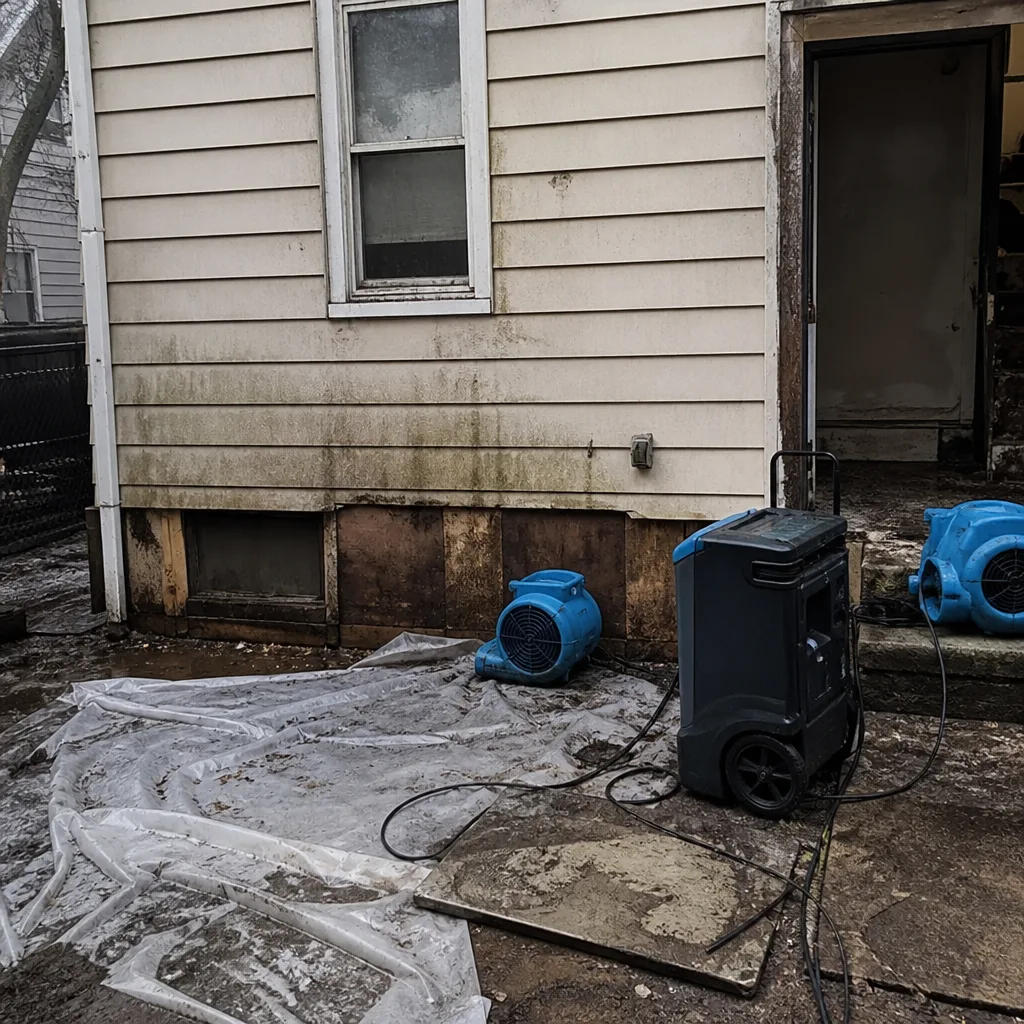 Before
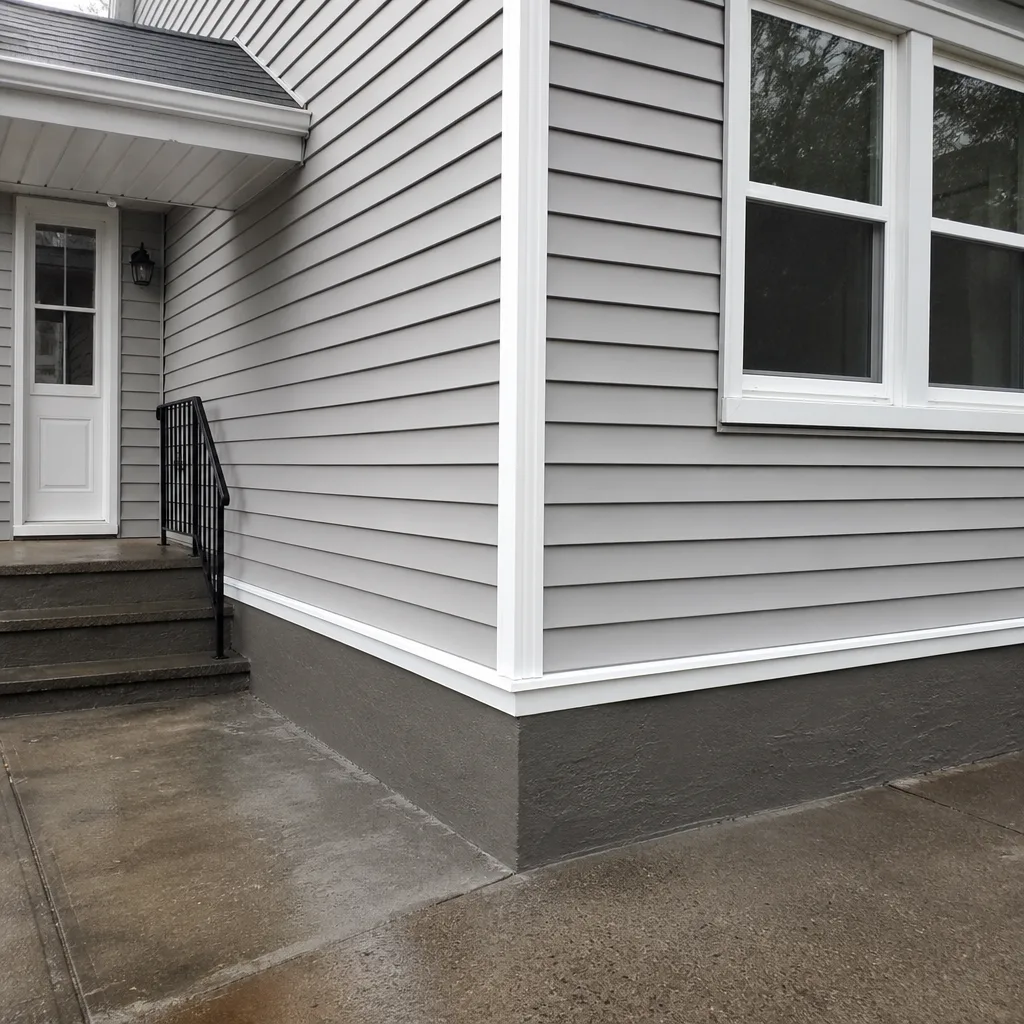 After
After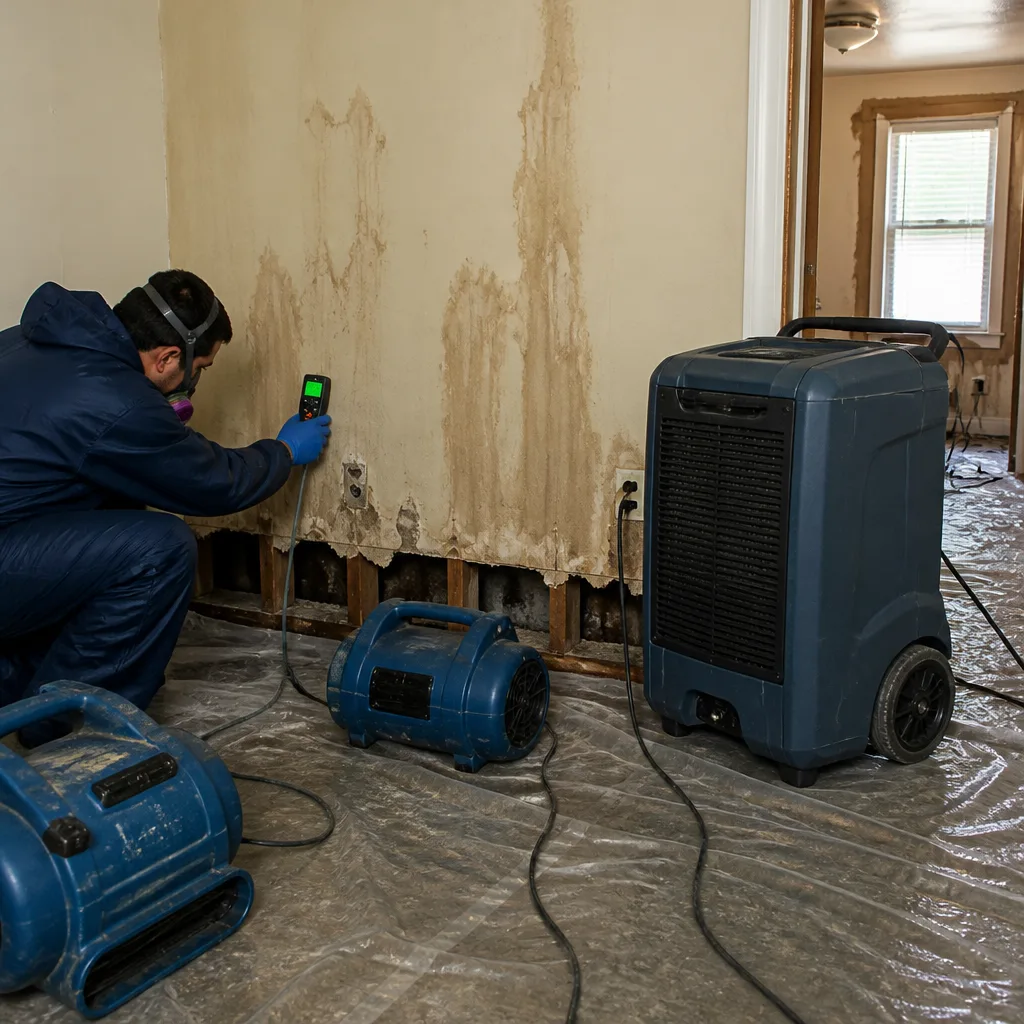 Before
 After
After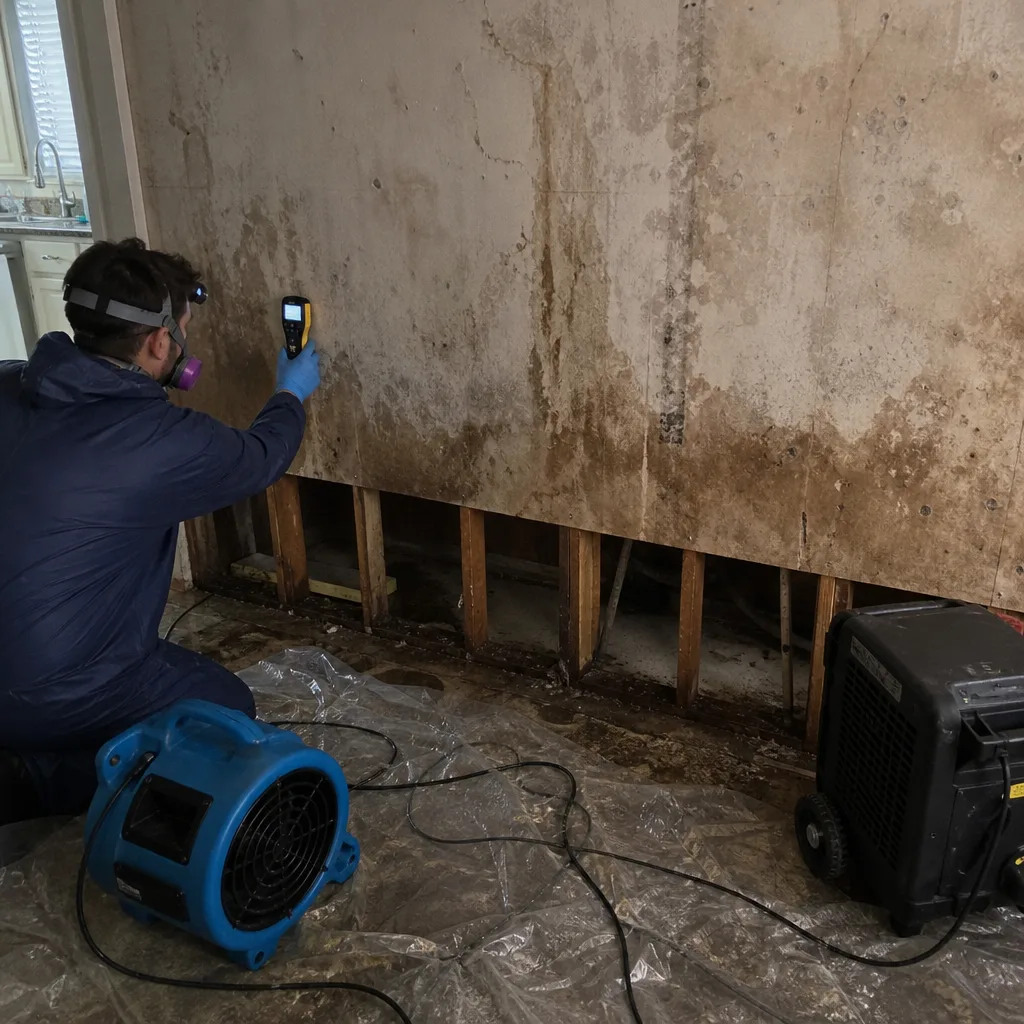 Before
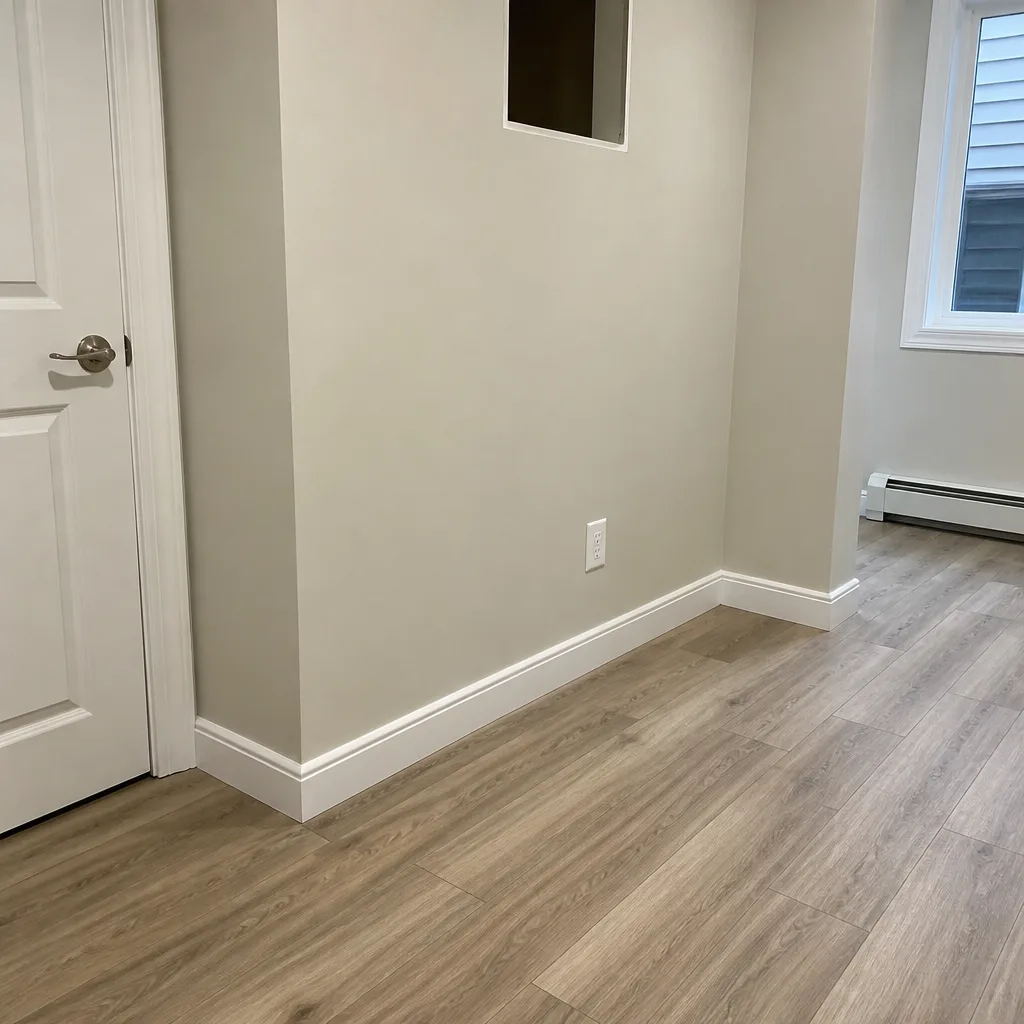 After
AfterPricing for Mold Remediation in Queens, NY
Mold inspection with moisture mapping and air sampling in Queens runs $350 – $650 plus lab fees. Professional mold removal in a single closet or bathroom ceiling runs $900 – $1,800. A full contained basement remediation in an attached brick row house runs $3,500 – $6,500, and a whole-floor remediation in a prewar co-op with board coordination runs $6,500 – $12,000. Factors that move the number: how far moisture has traveled in a shared wall, whether asbestos testing is required, and whether your co-op board mandates a third-party industrial hygienist during the work. The number you agree to is the number on the final invoice, in writing before we start. Call (607) 600-9946 for a free estimate.
We Also Serve Cities Near Queens
Our Mold Remediation in Queens crews also serve nearby communities, including New York, Astoria, Lynbrook, and Bayside. If you are on the border of the borough or just over a county line, call us and we will tell you honestly whether we cover your block. Mold Remediation work in these areas follows the same written-price, pet-safe, 365-Day Done Right standard.
Serving Queens, NY - Our Local Coverage Area
We’re based in the Queens area and know this community well. Use the map below to see our service coverage - if you’re nearby, we can almost certainly help.
FAQs About Mold Remediation in Queens
In a single-family detached home, the mold problem usually stops at your foundation. In Queens attached brick row houses, water can move through shared masonry party walls, which means remediation must include inspecting and often treating the neighbor’s side of that wall. We responded to a category 2 water loss in a 1930s attached brick row house in Astoria where a corroded galvanized supply line failed in the wall cavity. Our techs set containment and used moisture mapping to find elevated readings in the party wall, then coordinated with the neighbor to open a small section of their closet, revealing hidden mold growth less than 48 hours after the leak. If your remediation crew does not check that wall, the mold returns. Call (607) 600-9946 and we will map the full extent before we quote anything.
Almost always, yes. Most Jackson Heights co-ops and many Queens condos have alteration agreements that require board sign-off before opening walls or floors, even for remediation work. Our team knows how to package a remediation scope so boards approve it faster: a written work plan, containment details, the credentials of the technicians, and photo documentation of the affected area. The approval process does not have to stall the work for weeks, but it must be started correctly. Call us and we will help you prepare what your board needs.
Within 24 to 48 hours. A combined sewer backup is at minimum category 2 water, which contains significant contamination, and in a warm Queens basement, mold begins colonizing porous surfaces within 48 hours. The faster we extract the water, remove saturated materials, and start structural drying with Queens Water Damage Restoration equipment, the less demolition is required. The faster we extract the water, remove saturated materials, and start structural drying with Dri-Eaz equipment, the less demolition is required. If you are in a low-lying neighborhood like Howard Beach or the Rockaways, please call and get us out fast. The sooner we dry past the tide mark, the less this costs you.
Category 1 water comes from a clean supply line, category 2 contains significant contamination such as a dishwasher or washing machine overflow, and category 3 is grossly contaminated, like sewage or exterior floodwater. It matters for mold because category 2 and 3 water require different containment, different personal protective equipment, and more aggressive removal of affected materials. A century-old Queens basement with a floor drain that backs up is usually category 3, and treating it like category 1 is a common mistake that leaves mold in joist bays and behind baseboards. Our technicians classify every loss before they write the scope.
Yes, and it happens more often than people expect. In prewar elevator buildings, chase walls, pipe runs, and floor assemblies are often shared, and airborne mold spores can move through gaps around risers and electrical conduits even without a plumbing leak in your unit. When you report a smell or staining, we check both your apartment and the building systems that pass through it. If your neighbor’s unit has a long-running moisture problem, the remediation scope may need to include air sealing your side of the shared assembly after treatment.
Call Tidemark Water Damage Queens for Mold Remediation
If you live in Queens, NY and you see mold, smell mold, or just had water where it should not be, call (607) 600-9946. We will answer live, walk you through what you are seeing, and schedule an assessment. You will get a written price before any work starts, crew members who protect your floors and respect your quiet hours, and a photo of the clean-up before we leave. The 365-Day Done Right Promise means if it is not done right, we make it right. That is the standard our Queens customers expect, and every job here gets it.
Written by Rick Sumner, Owner at Tidemark Water Damage Queens, serving the borough of Queens and nearby communities as part of the Cedarwell Care Promise.