
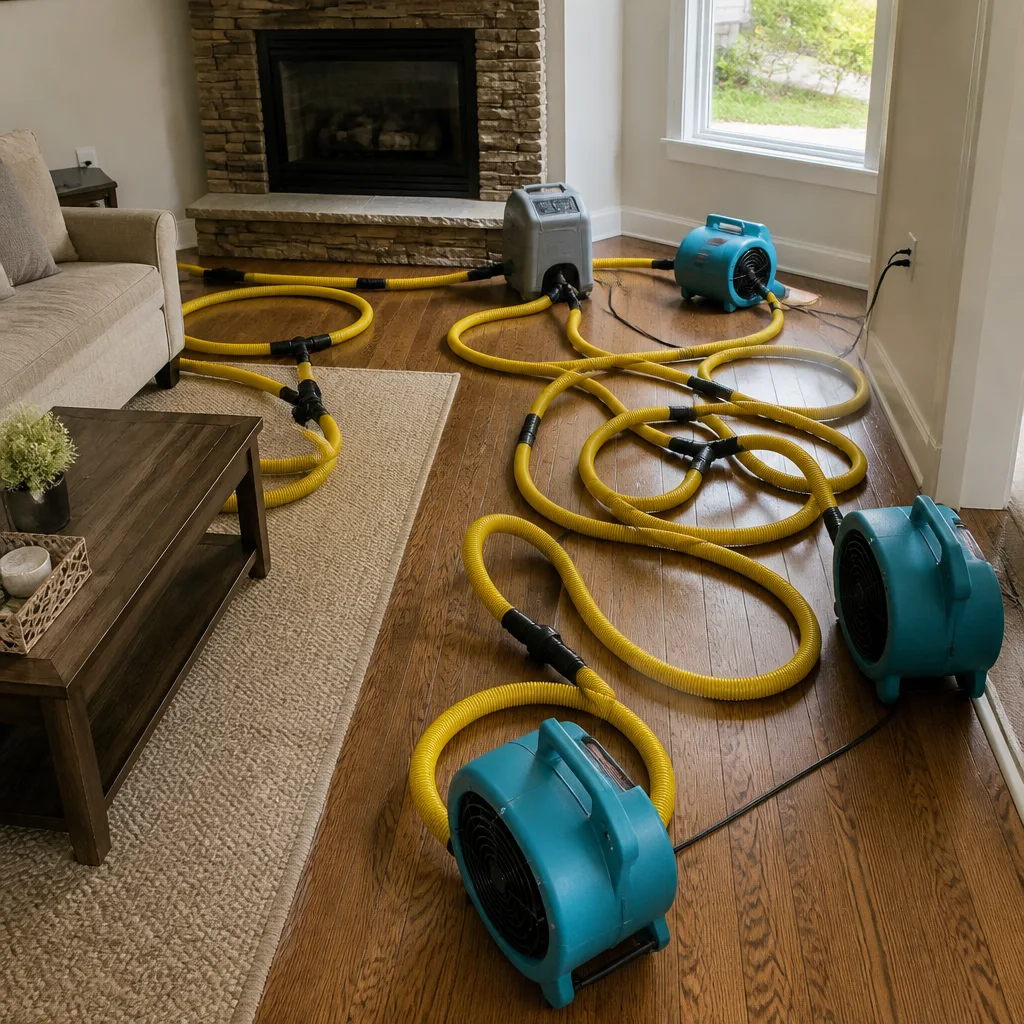
 Water damage drying
 Fire & smoke cleanup
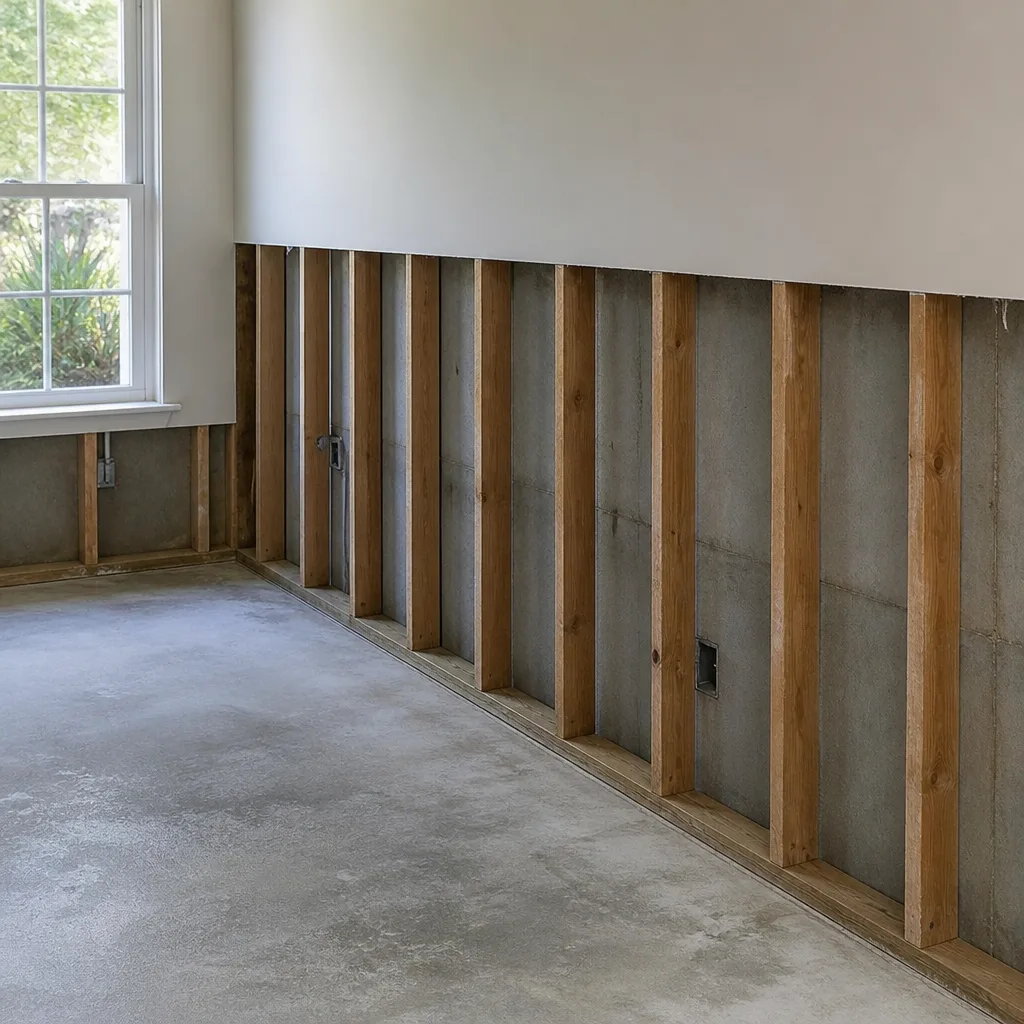 Mold remediation
 Storm response
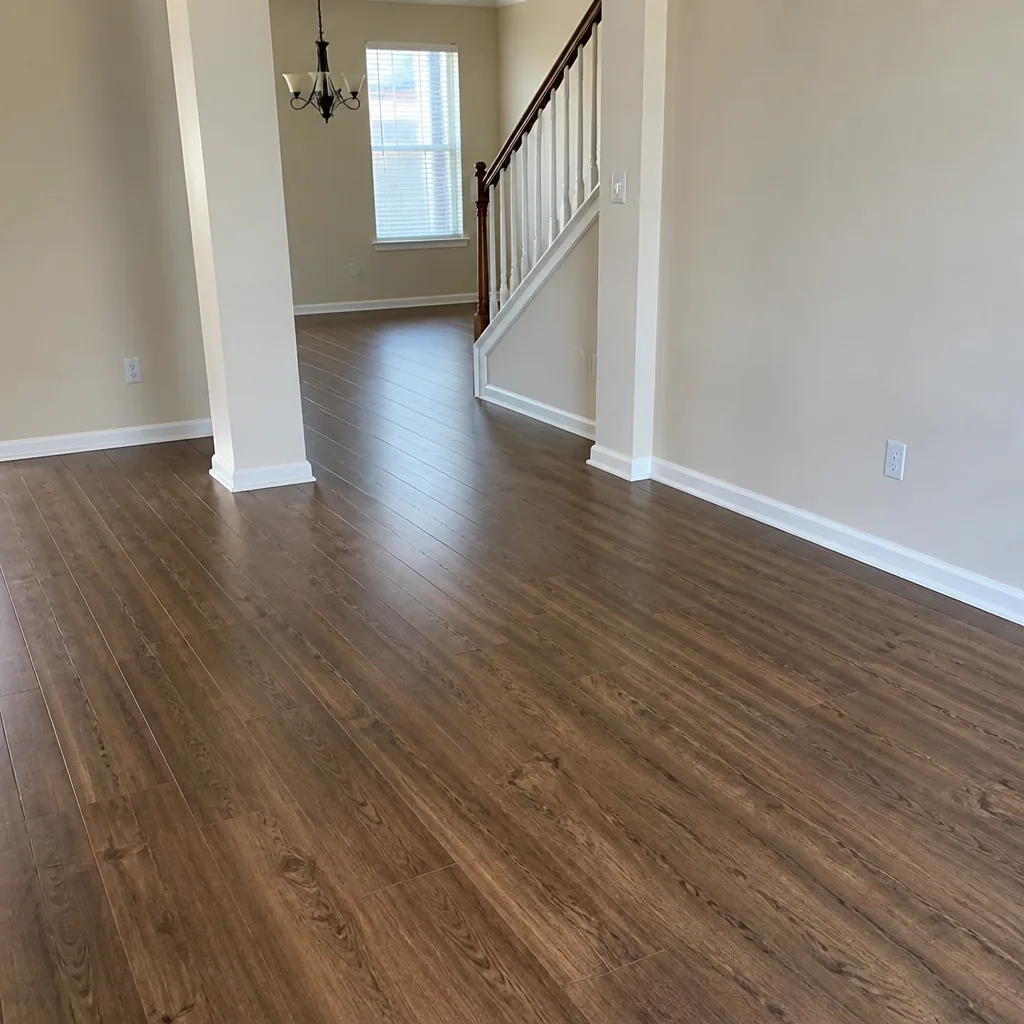 Sewage cleanup
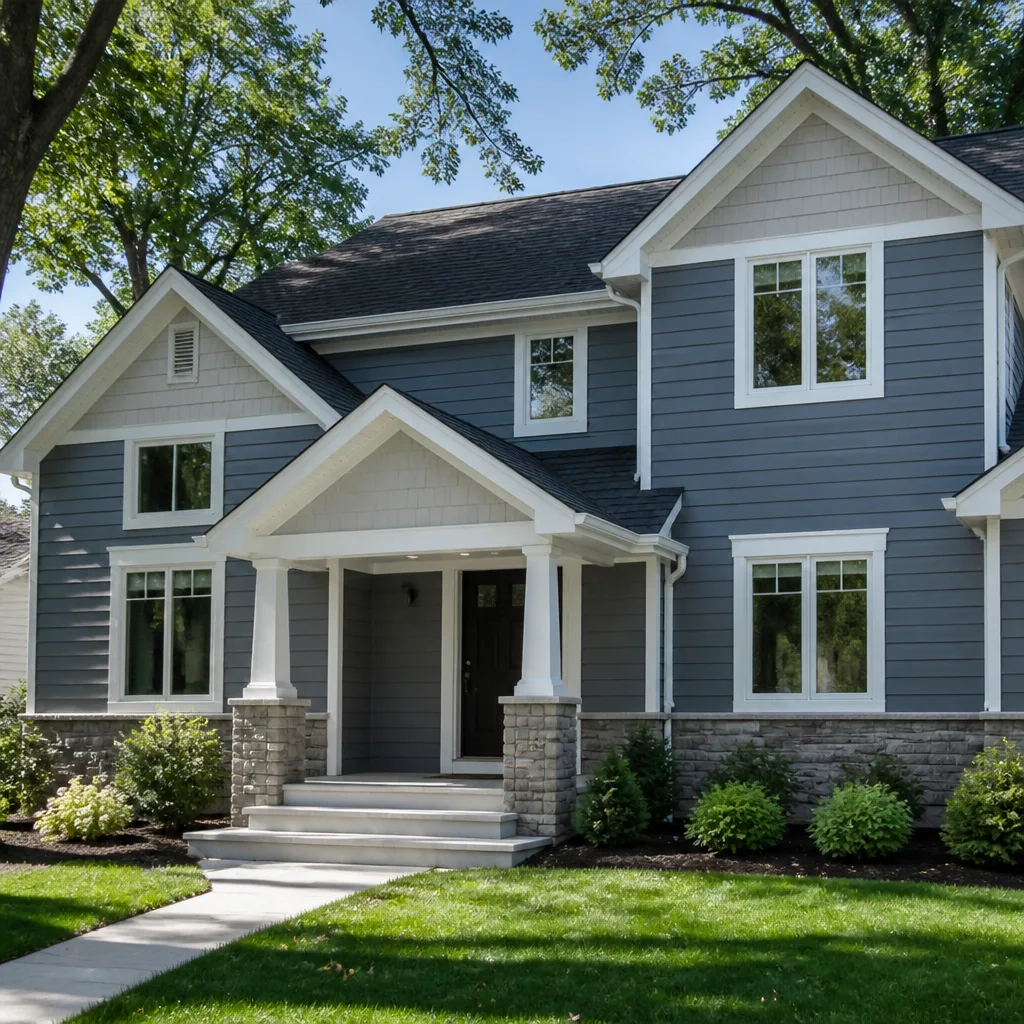 Reconstruction
Free visual inspection and a written scope of work before any mitigation begins - photos, moisture readings, and drying logs go in your claim file
The scope we write is the scope we bill. Anything new gets shown to you, in writing, before we touch it.
Get your free estimateRestoration work we handle
See the difference
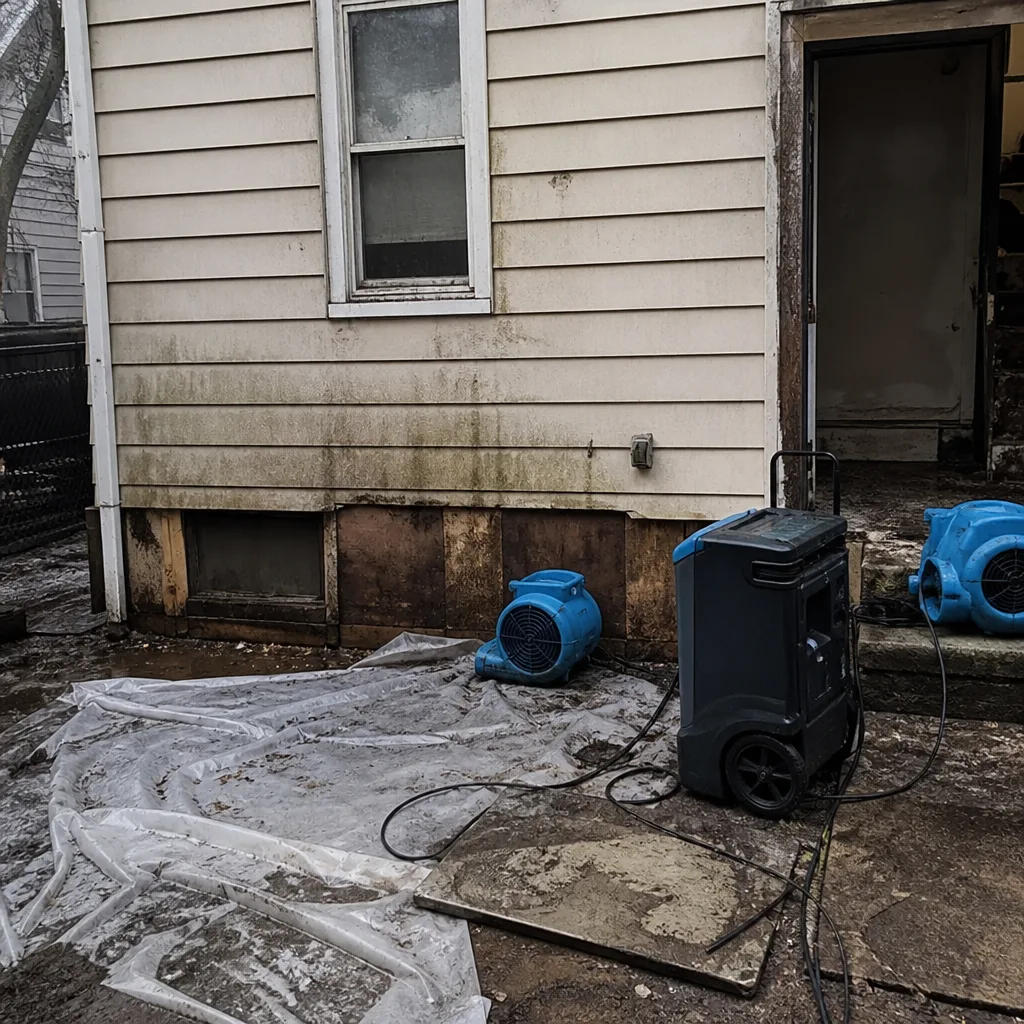 Before
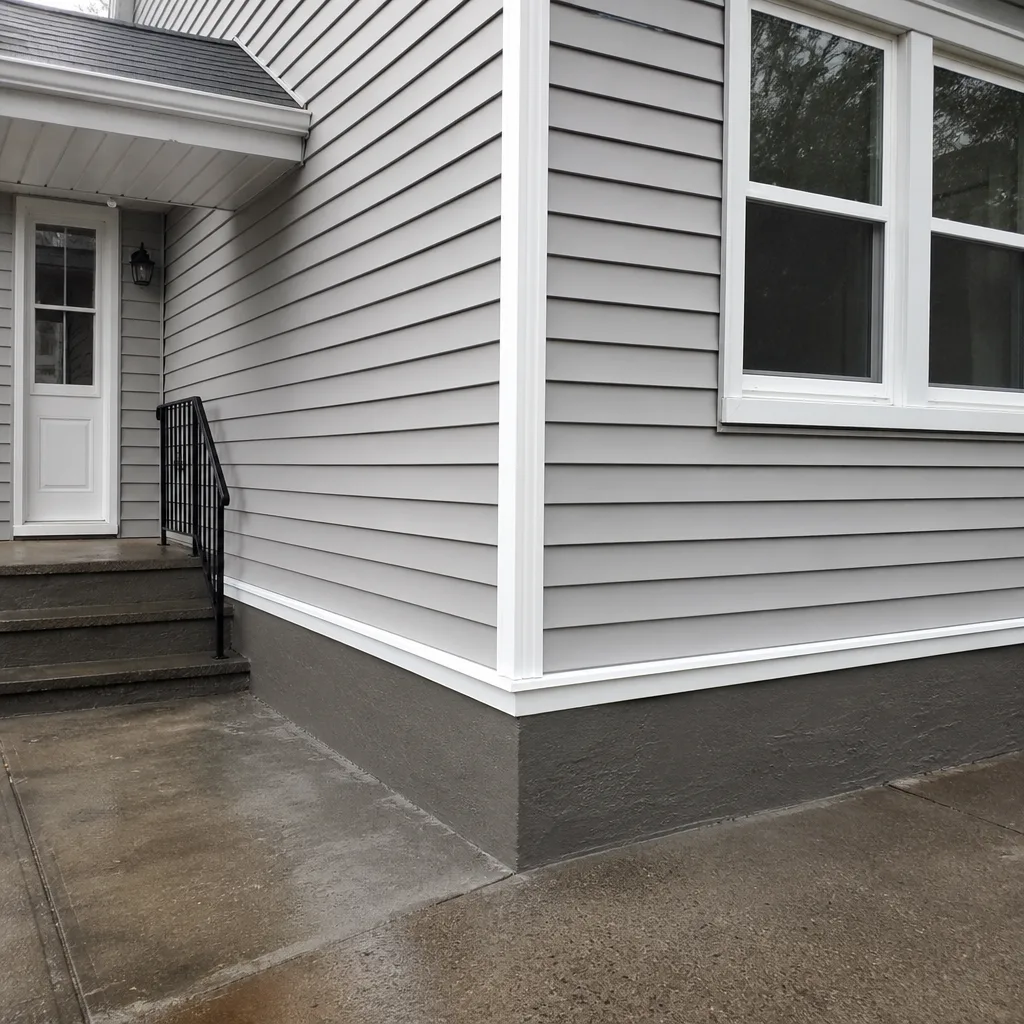 After
After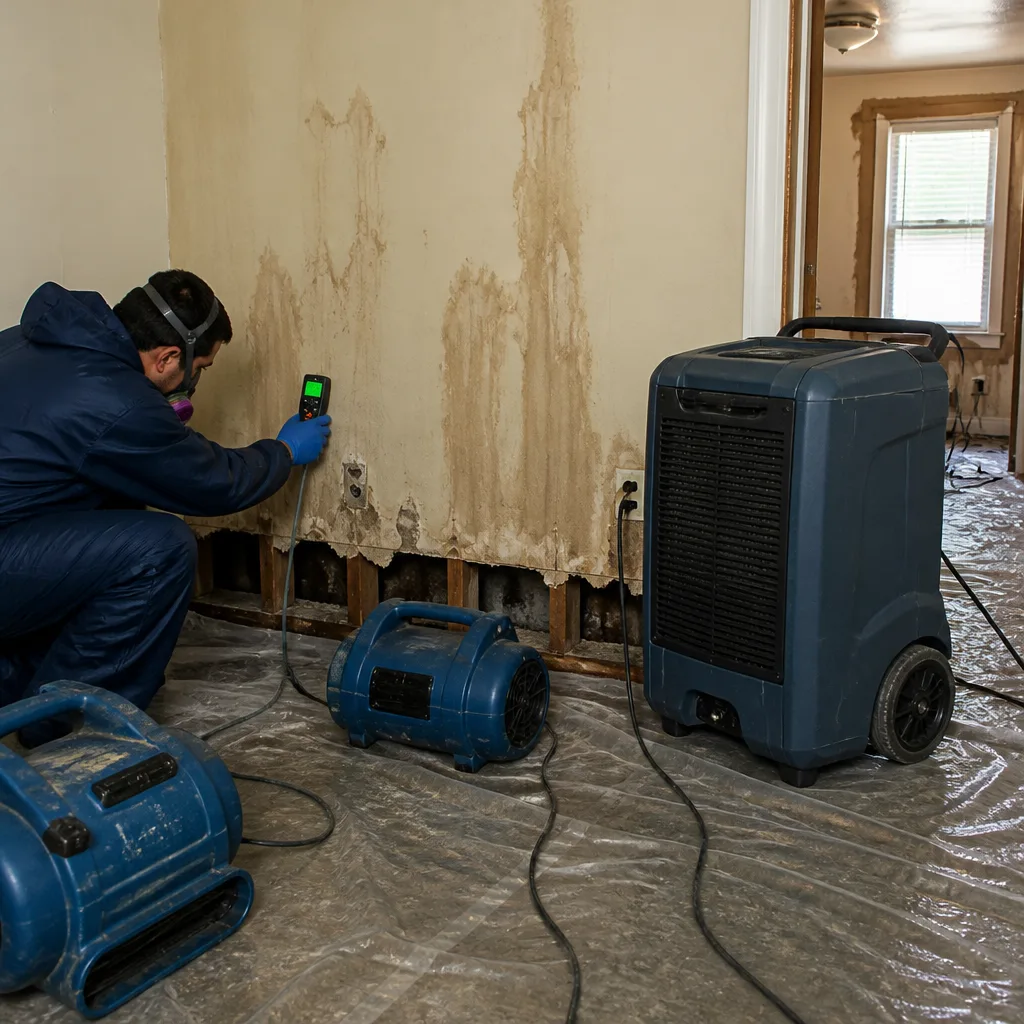 Before
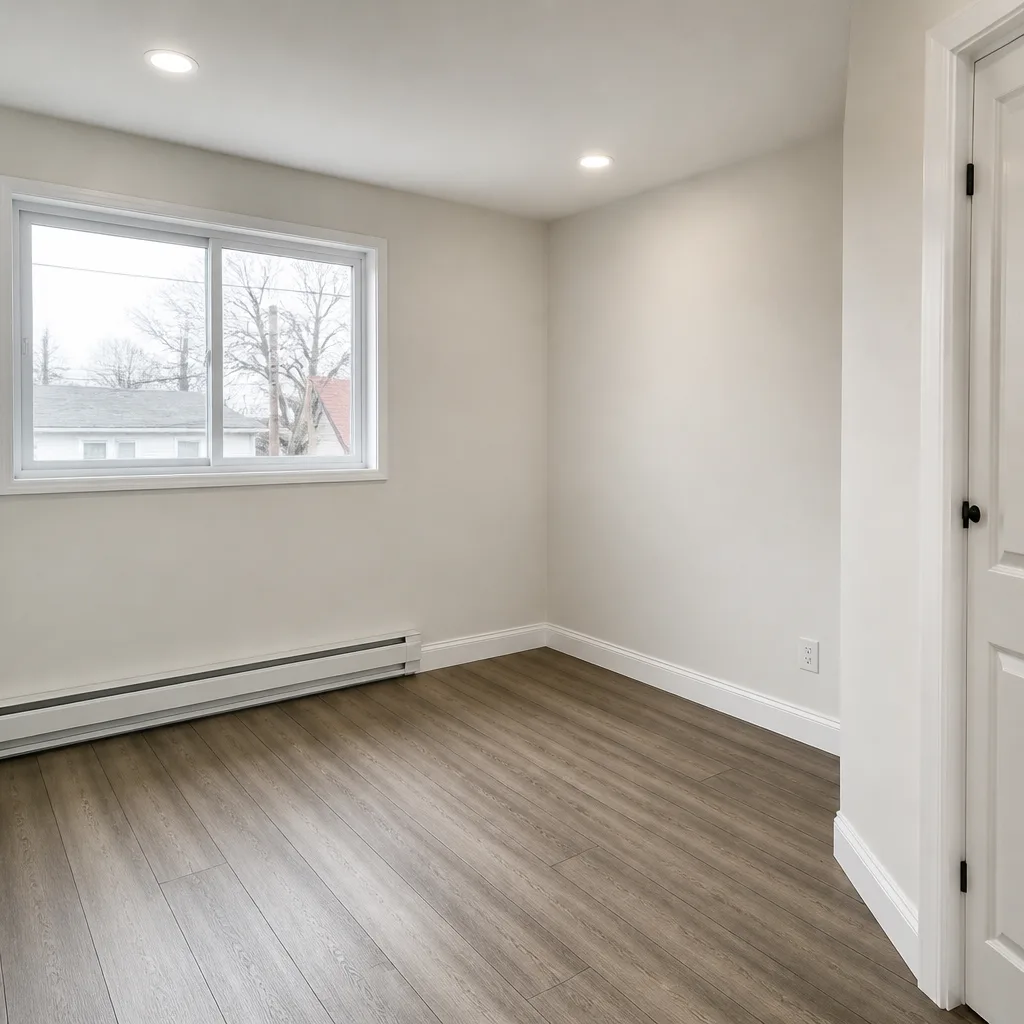 After
After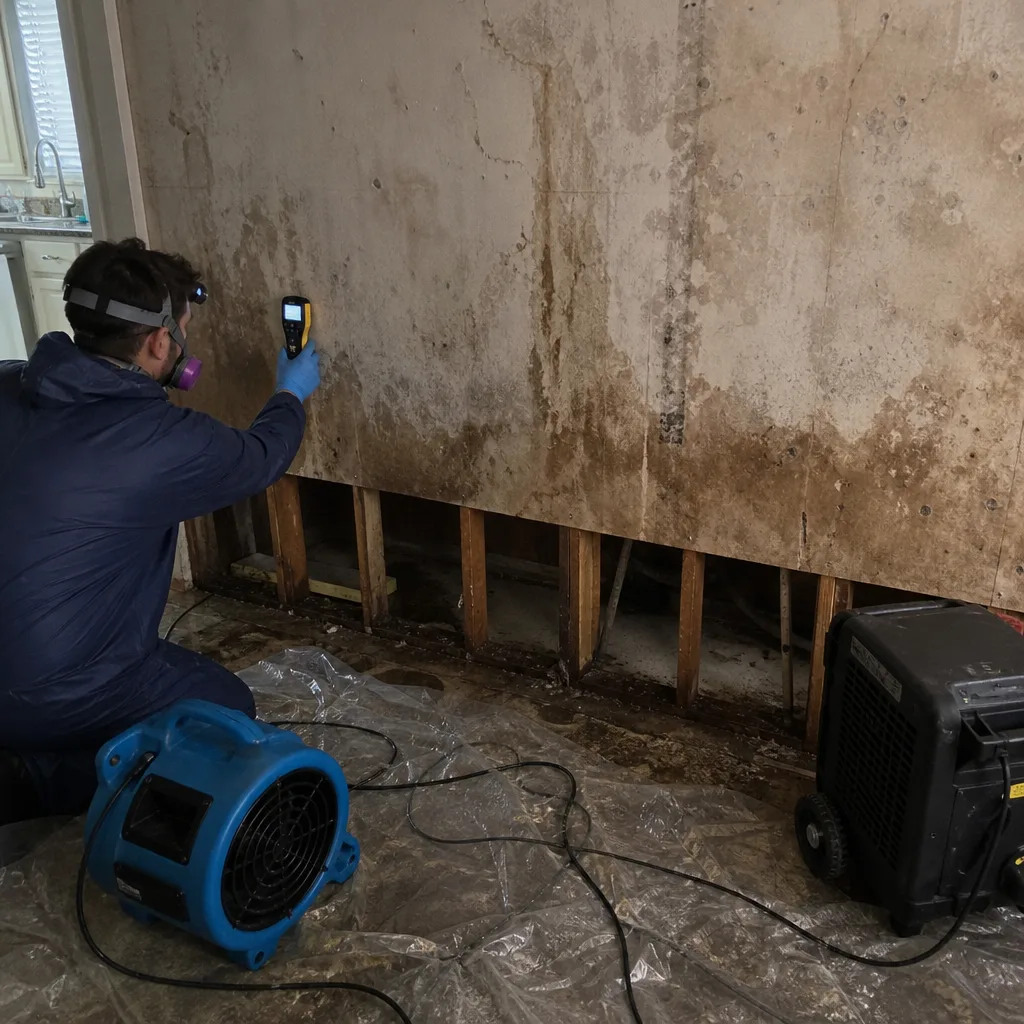 Before
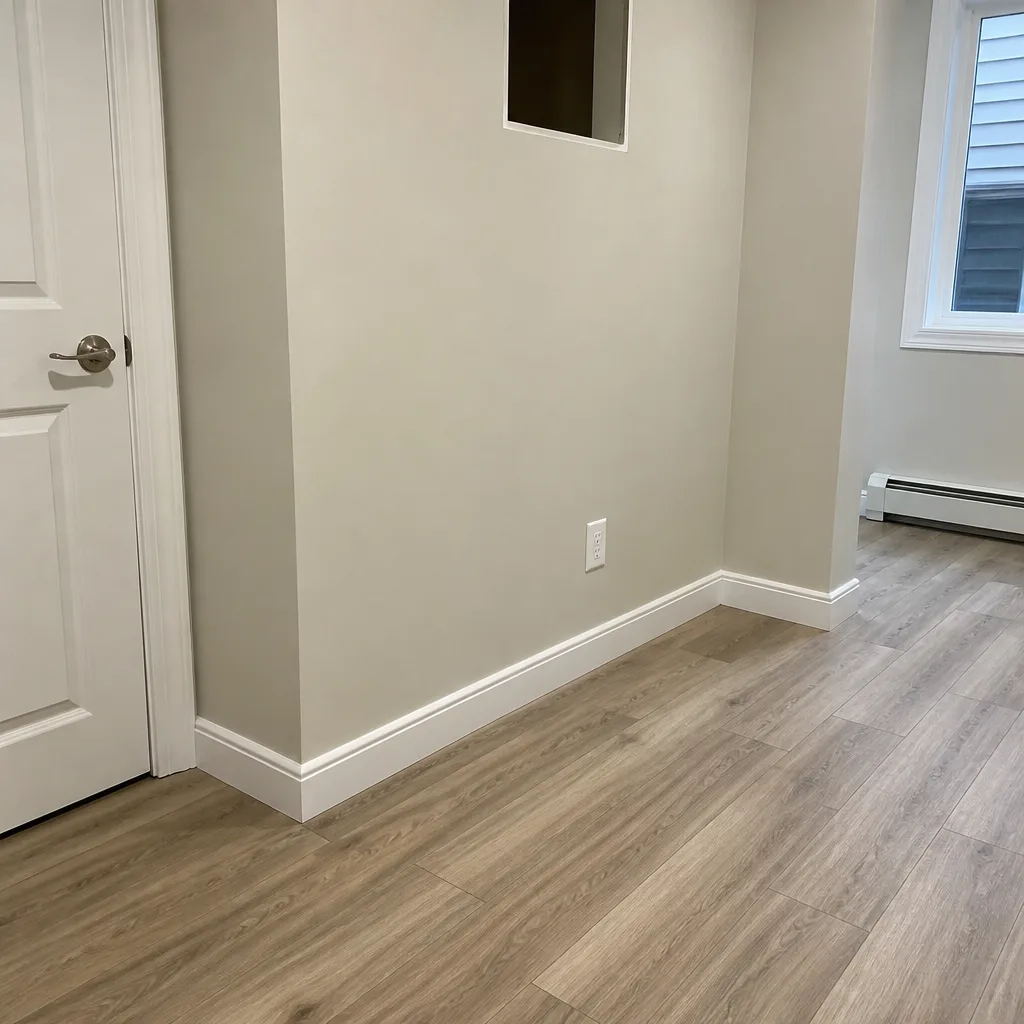 After
AfterStructural Drying & Dehumidification in Queens, NY
Structural drying and dehumidification in Queens typically costs between $1,400 and $3,800 for a single affected room and takes three to five days from equipment placement to final moisture readings. The work itself means pulling trapped water out of drywall, subfloor, framing, and concrete with commercial air movers and dehumidifiers until every material measures dry to the building standard, not just dry to the touch. At Tidemark Water Damage Queens, we start every water damage restoration job the same way: a written price before equipment comes off the truck, shoe covers at the door, and a technician who explains exactly what stays in your home and what gets protected while the machines run.
Call (607) 600-9946 any time. A live person answers, and we’ll schedule a technician to assess your home, usually within hours. If you’re still getting your bearings after a leak, a burst pipe, or heavy rain in a basement, start with our Water Damage Restoration in Queens guide. This page goes deep on the drying step specifically, because that’s the part that determines whether a house stays healthy or quietly develops bigger problems months later.
When You Need Structural Drying & Dehumidification
Water does not stop moving once the visible puddle is gone. It wicks upward through drywall, travels under baseboards, settles into floor cavities, and lingers in the bottom plates of wall framing. You may need structural drying and dehumidification if any of the following sounds like your home in Queens right now:
- Water touched a finished wall or ceiling. A supply line burst behind the kitchen wall, an upstairs bathroom overflowed, or rain came through a skylight. If the drywall is wet above the baseboard line, extraction alone won’t save it. We dry the cavity, not just the surface.
- Carpet or hardwood got soaked but you’re told it can be saved. Water migrates under flooring within hours. In garden-level apartments and basements common across Astoria, Sunnyside, Bayside, and Forest Hills, trapped moisture under flooring leads to warping, odor, and flooring failure. Injectidry systems dry beneath hardwood and tile without ripping everything out first.
- A musty smell started within a week of any water event. That smell is almost always microbial activity starting in a moist, dark, low-airflow area. Dehumidification alone won’t fix it, but a proper drying plan stops the condition that caused it.
- The basement flooded during a heavy storm or high tide event. Queens has hundreds of block foundation basements where water comes up through floor cracks or a rising water table. Concrete holds water for weeks. Without commercial dehumidification running at the right grain depression, those walls stay damp through two seasons.
- A contractor or plumber fixed the leak but no one talked about drying. This happens constantly. The leak is repaired and everyone moves on, but the water that soaked the wall cavity is still in there. We routinely arrive at this stage and map the moisture that was left behind.
- You’re renovating and opened a wall that’s wet behind tile, plaster, or paneling. If the surface feels soft, or a moisture meter reading from your contractor came back high, structural drying belongs in the plan before any rebuild begins.
In Queens specifically, two factors make drying more finicky than in other parts of the country. First, building stock skews older: prewar co-ops in Jackson Heights, brick row houses in Woodhaven, and garden apartments in Kew Gardens all have plaster walls, dimensional lumber framing, and decades of paint layers that hold moisture differently than modern gypsum. Second, the humidity. Summer months in this borough regularly sit above seventy percent relative humidity outdoors, which means dehumidification inside must work harder. We account for both when we set the drying goals.
Our Structural Drying & Dehumidification Process
Every Tidemark Water Damage Queens drying job follows a fixed sequence. The machinery changes based on the floor plan, the materials, and the moisture map. The order of operations does not.
- Moisture mapping first, before any equipment comes in. A technician walks the affected space with penetrating and non-penetrating meters, plus a thermal camera where the surface looks dry but the cavity is suspect. We mark readings on every wall, floor section, and ceiling bay. This map sets the drying targets and, importantly, tells us what doesn’t need drying. We are not here to sell you equipment you don’t need. Your home gets the written drying plan with the price before anything is plugged in.
- Site protection in the rooms that will hold equipment. Shoe covers go on at the door. Drop cloths cover the floor path before the first piece of equipment comes in. Handrails, baseboards, and thresholds around the drying zone get protected where equipment cords or hoses will run. If children or pets live there, we ask where they’ll be during the process and adjust everything from cord routing to noise settings.
- Targeted drying where moisture sits. We run high-volume axial air movers on wet drywall and flooring, and pair them with low-grain-refrigerant or desiccant dehumidifiers sized to the room’s cubic footage and the water load. For water trapped under hardwood, tile, or behind built-in cabinetry, we use Injectidry panel drying systems that create negative air pressure and pull moisture out of cavities without tearing finished surfaces apart. B-Air and Phoenix units run the heavy lifting on most queens jobs, chosen by cubic foot per minute and pint removal rate, not brand loyalty.
- Daily monitoring, not set-and-forget. We check progress every twenty-four hours with fresh moisture readings and adjust air mover placement, dehumidifier settings, or add heat as needed. You get a plain-language update: what is drier, what is left, and when we think the drying target will be reached. If your schedule only allows evening check-ins after work, we coordinate that.
- Final verification and the clean-up photo. The crew does not pull equipment until moisture meters in every affected area read at or below the dry standard for that material. We document the final readings and take a photo of the cleaned drying zone. You see that photo before we leave. Then the equipment gets packed out on protected pathways, and your home is left the way our own crew would want to come home to.
IICRC-certified technicians run every step of this process. The certification means the technician has passed testing on the actual science of psychrometry, the relationship between air, moisture, and building materials. That matters in a city with Queens’ specific mix of old plaster, retrofit walls, and summer humidity.
What our equipment does in your home during the drying process
- Air movers create rapid airflow across wet surfaces to accelerate evaporation from drywall, plaster, concrete, and wood.
- Dehumidifiers pull the evaporated moisture from the room air before it can re-condense on cool surfaces or migrate into dry rooms.
- Injectidry mats and panels dry beneath hardwood floors, behind built-ins, and inside wall cavities where direct airflow cannot reach.
- Moisture meters and thermal imaging show us the tide mark, the line where water actually traveled, so we dry past it instead of stopping where the visible damage ends.
That last point is where the name comes from. A tide mark is the line water leaves on a wall. It is the first thing our technicians look for on every job, because it tells us where the water really went. Without finding it, you are guessing. With it, you are restoring.
Structural Drying & Dehumidification Pricing in Queens
Straight numbers are useful, so here they are. If you’re wondering how much water damage restoration costs, most structural drying jobs in Queens fall into these ranges based on the size and saturation of the affected area:
- Single bathroom or laundry closet, one room affected: $1,400 – $2,200
- Standard bedroom or hallway with wet walls and flooring: $2,200 – $3,400
- Finished basement or multi-room event, saturated concrete and wall cavities: $3,200 – $6,800
- Under-hardwood cavity drying with Injectidry added: $800 – $1,900 extra depending on square footage
What drives the number on any individual job: the size of the wet zone, the materials involved (solid hardwood costs more to dry correctly than tile), the number of days equipment stays in place, and whether floors or walls need to be opened to reach trapped moisture. A 250-square-foot finished basement with wet drywall and a concrete slab usually lands around $3,000 and may need basement water removal. A small upstairs bathroom ceiling leak from an overflowing tub usually lands under $2,000.
Before any equipment enters your home, you receive the written price. That number covers the equipment, the monitoring visits, the moisture verification, and the final clean-up of the drying zone. It does not balloon during the job. If we discover additional wet areas during monitoring, we show you the new findings and get your approval on a written change before expanding scope. No surprise line items at the end.
For a free, no-obligation assessment and written quote, call (607) 600-9946. The estimate visit includes a full moisture assessment and a drying plan, whether or not you hire us.
FAQs – Structural Drying & Dehumidification
How long does structural drying take in Queens?
Most structural drying projects in Queens take three to five days of active equipment placement before final moisture readings clear. Homes with older plaster walls, multiple affected rooms, or high outdoor humidity in July and August may extend to seven days. We monitor daily and pack out as soon as every surface meets the dry standard for its material.
Is structural drying covered by homeowner’s insurance?
In most cases, yes. Water damage from sudden events like a burst supply line or appliance failure is generally covered under standard homeowners policies in New York, including the drying and dehumidification line items. Gradual leaks and groundwater flooding are often excluded, which is why we always walk you through the likely scope before you commit so you can check with your adjuster. Call (607) 600-9946 and we’ll help you ask the right questions.
Can you dry the structure without tearing out walls and floors?
In many Queens homes, yes. Injectidry cavity drying pulls water from under hardwood and behind drywall without demolition, and properly placed air movers and dehumidifiers can save walls that would otherwise be cut open. There are cases where the material is too far gone, like saturated drywall that has already started crumbling, where controlled removal is the honest answer. We recommend the least destructive path that still gets the structure fully dry.
What is the difference between a fan and a commercial dehumidifier?
A household fan only moves air around. It cannot remove the moisture from the room, and in some cases, it spreads damp air into dry areas of your home. Commercial drying jobs require both: high-volume air movers to drive water out of the materials, and commercial dehumidifiers to pull that water from the air at a controlled rate. Running one without the other either slows the job or lets moisture re-absorb elsewhere.
Can you work while our family is home?
Yes. We are used to drying occupied apartments and homes across Queens, so if you searched “water damage restoration near me”, you found a team that works with families, children, and pets. Equipment placement is planned around daily routines, we can run lower-decibel settings during evenings and nap hours, and our drying agents are pet-safe where there is a choice. We ask about household rhythm before we set the plan, not after.
Written by Rick Sumner, Owner at Tidemark Water Damage Queens, serving Queens.