
Last updated October 16, 2026
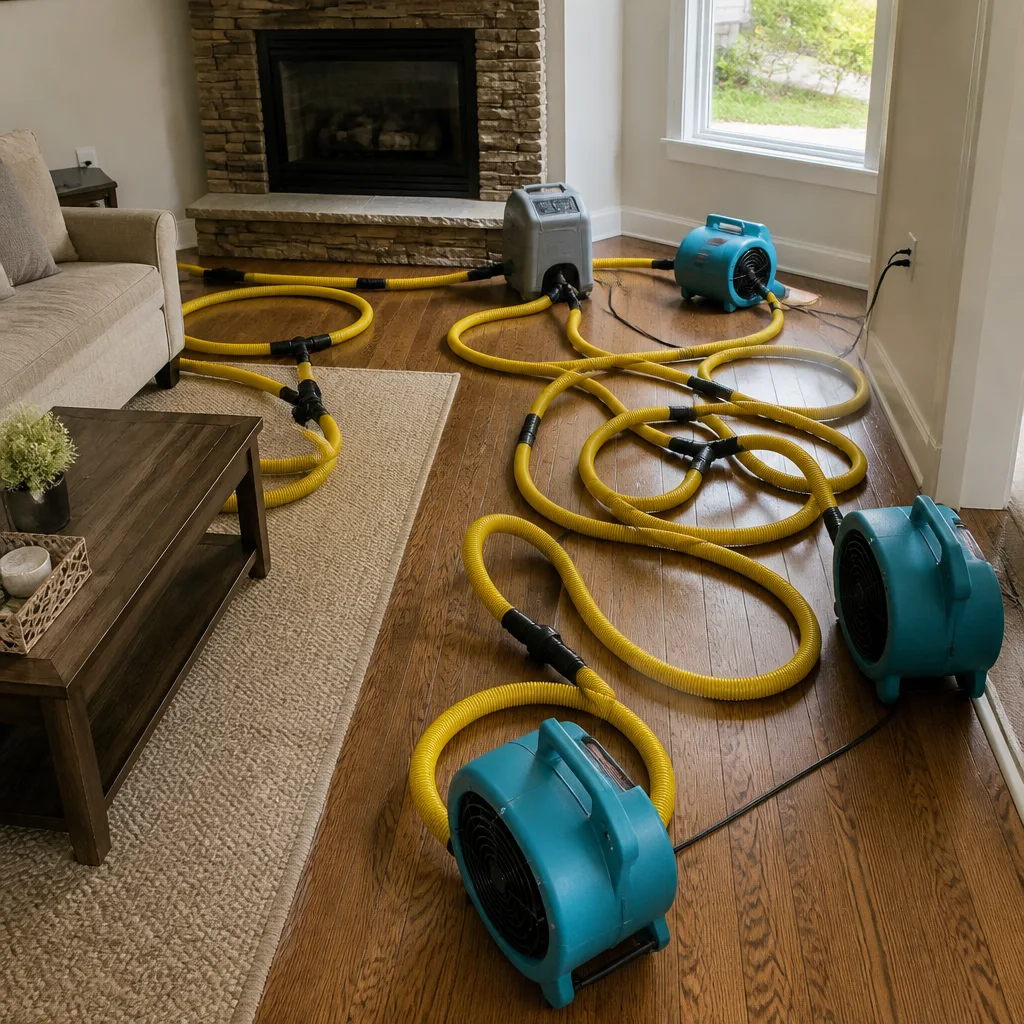 Water damage drying
 Fire & smoke cleanup
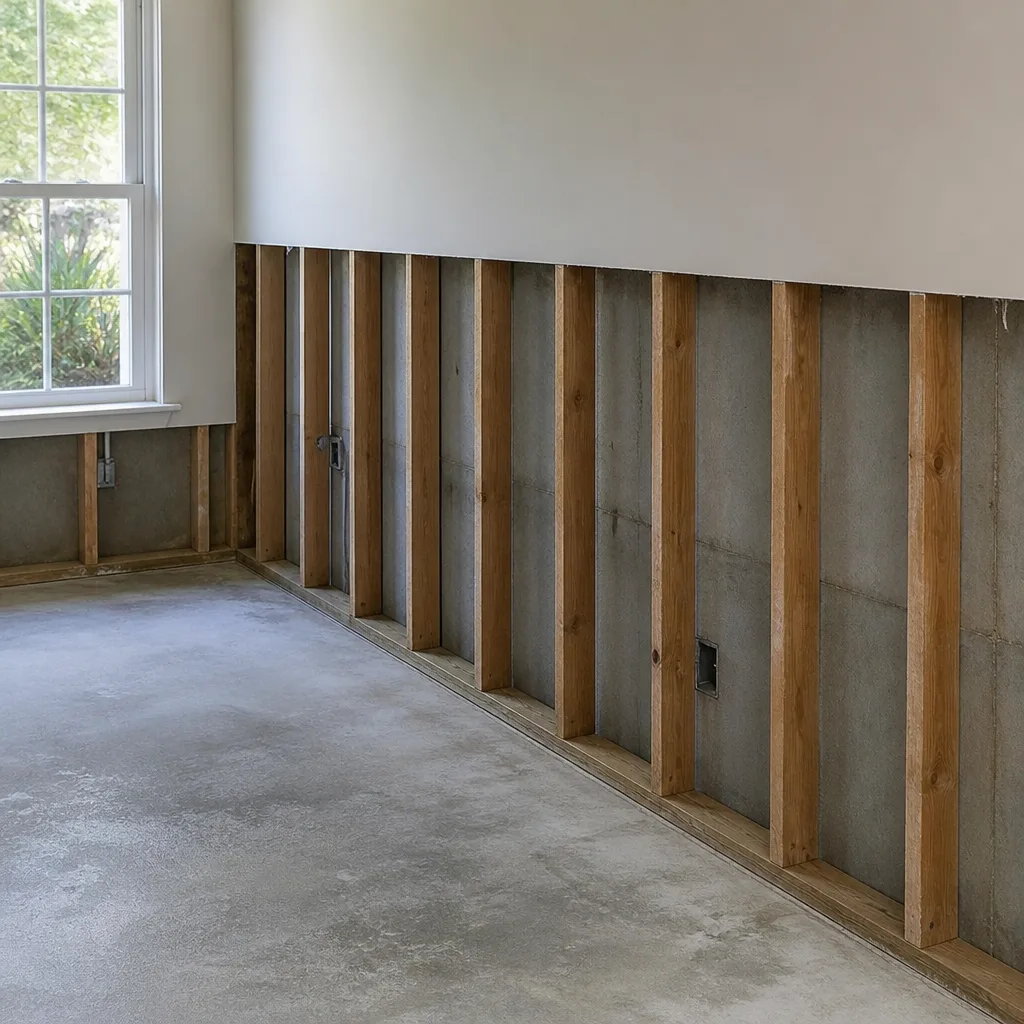 Mold remediation
 Storm response
 Sewage cleanup
 Reconstruction
Free visual inspection and a written scope of work before any mitigation begins - photos, moisture readings, and drying logs go in your claim file
The scope we write is the scope we bill. Anything new gets shown to you, in writing, before we touch it.
Get your free estimateThe Complete Guide to Damage Restoration in Queens
Nearly 40% of Queens’ residential buildings were constructed before 1960. That single fact changes everything about how restoration works here. A burst pipe in a 1920s attached home in Woodhaven is not the same job as a burst pipe in a 1995 single-family house in Bayside. The older home likely has lead paint under layers of latex, asbestos tape on old steam pipes, and a shared wall that has already wicked moisture into the neighbor’s living room before you even noticed the stain on your side. This guide walks through the full restoration arc specific to Queens housing stock, neighborhood by neighborhood, so you know what should happen from hour one to day thirty, what actually matters, and what you can skip.
Restoration work we handle
Quick Answer
Damage restoration in Queens means removing water, mold, or fire residue from a home, then drying, cleaning, and repairing it to safe, livable condition. The average water damage job in Queens runs between $2,500 and $7,800 depending on square footage affected, housing type, and contamination category; see our Damage Restoration Cost Breakdown: The Queens Homeowner’s Reference for 2026 for a deeper look at pricing factors. A fire job typically lands between $8,000 and $35,000, and mold remediation between $1,800 and $6,500. In Queens specifically, restoration cost and timeline shift based on whether you live in an attached row house, a pre-war co-op, or a freestanding home: shared walls, buried oil tanks, and FEMA flood zone designations all change the scope. Tidemark Water Damage Queens offers free estimates across the borough, with a written price before any work starts.
Table of Contents
- Queens Housing Stock: Why Your Building’s Age Dictates the Restoration Plan
- FEMA Flood Zones in Queens: What AE, X, and Shaded X Actually Require
- Water Damage in Queens: Pipe Bursts vs. Sewer Backups vs. Tidal Surge
- Mold Remediation in Queens: Dense Housing, Shared Walls, and Why Containment Matters
- Fire Damage Restoration in Queens: Soot, Odor, and Pre-War Construction Quirks
- The Borough-Specific Timeline: Hour 1 to Day 30 in a Queens Attached Home vs. Freestanding Home
- Asbestos and Lead: The Pre-1978 Triggers That Escalate a Standard Job
- Common Mistakes to Avoid
- When to Call a Professional
- Frequently Asked Questions
- The Bottom Line
Queens Housing Stock: Why Your Building’s Age Dictates the Restoration Plan
Queens is not a single housing market. It is a patchwork of building types constructed across wildly different eras, and each era brings its own restoration complications. The attached brick row houses of Ridgewood and Glendale, built between 1900 and 1930, share party walls with no fire stops. Water travels laterally through those walls before it travels down. A leak that starts in your bathroom ceiling can, within 72 hours, show up as bubbling paint in the bedroom of the house next door.
If your home was built before 1960, which covers a significant share of the borough’s residential stock, restoration may trigger three overlapping protocols: structural drying, lead paint containment, and asbestos abatement. Contractors who don’t check for these before opening a wall are creating a bigger problem than the water did. Under EPA’s Renovation, Repair, and Painting (RRP) rule, any disturbance of more than six square feet of interior painted surface in a pre-1978 home requires a certified renovator, containment, and specific cleanup procedures. In Queens, where pre-1978 homes are the majority in neighborhoods like Jackson Heights, Elmhurst, and Forest Hills, this rule applies to most restoration work that involves cutting drywall or removing baseboards.
Post-war housing in Queens presents different challenges. The brick semi-detached homes of Fresh Meadows and the garden apartments built in the 1940s and 1950s have plaster over rock lath, which dries slower than modern drywall. The concrete slab foundations common in this stock mean water can pool under flooring without ever showing a ceiling stain below because there is no basement. We have seen kitchens in Bayside where the first visible sign of a supply line leak was warped flooring, while moisture had been traveling under the tile for weeks. If your home sits on a slab, drying requires floor mat systems and wall cavity drying with injectidry-style systems, not just air movers pointed at the visible wet spot.
FEMA Flood Zones in Queens: What AE, X, and Shaded X Actually Require
Queens has more FEMA-designated flood zone variety than almost any borough in New York City. The southern neighborhoods that ring Jamaica Bay, including Howard Beach, Broad Channel, and parts of the Rockaways, carry AE designations meaning a 1% annual chance of flooding and a base flood elevation that dictates how high a finished floor must sit. Parts of Flushing, College Point, and Whitestone near the Long Island Sound fall into AE or VE zones. But the zones that surprise homeowners are the shaded X zones: moderate risk areas that do not require flood insurance under most federally backed mortgage rules but still flood in the kind of storm that hits Queens every 15 to 20 years.
What does the zone designation actually change for restoration? It changes what is legally required versus what is optional. If your home is in a designated AE zone and floodwater entered through an opening, the NYC Department of Buildings may require a post-flood inspection and, depending on the damage level, compliance with substantial improvement rules. That means the restoration scope must account for the building’s elevation relative to the base flood elevation, as covered in our guide to Damage Restoration Permits, Codes & Inspections in NY: What You Need to Know. If repairs exceed 50% of the structure’s market value, you may be required to elevate the home. That is a rebuild, not a restoration. Knowing your zone before you file a claim changes the conversation with your adjuster and the contractor.
In X zones, the legal requirements are lighter, but the moisture is not. A home in Auburndale or Bayside that takes two inches of stormwater over the basement floor is typically a Category 3 water loss: water that contains sewage, chemicals, or other hazardous contaminants. Cleaning protocols for that are materially different from a clean-water pipe burst. We treat every ground-level intrusion in Queens as potentially contaminated because the NYC combined sewer system means stormwater and sewage share the same pipes during heavy rain events.
Water Damage in Queens: Pipe Bursts vs. Sewer Backups vs. Tidal Surge
The type of water determines the restoration protocol. Queens sees three distinct kinds of water damage, and conflating them is one of the most expensive mistakes a homeowner can make.
1. Pipe bursts and supply line failures
In a pre-war attached home, a burst radiator line or a failed galvanized supply pipe in a shared wall is a Category 1 water loss if the water is clean and caught within 48 hours. The drying target is simple: get the affected materials below 16% moisture content. The complication in Queens is access. A leaking stack pipe in a six-story co-op in Kew Gardens means opening walls on multiple floors, coordinating with neighbors, and drying in occupied units. The restoration company is not just working in your home; they are working around your neighbors’ schedules and the building’s management company. That reality shows up in the final invoice, and it is a Queens-specific cost that national pricing guides do not account for.
2. Sewer backups from the NYC DEP combined system
Queens has approximately 7,000 miles of sewer lines, and in many older neighborhoods, stormwater and sanitary sewage flow through the same pipes. During heavy rain, those pipes surcharge, and the excess flows backward into basements through floor drains and fixtures. This is categorically different from a pipe burst. The water is Category 3: it contains pathogens, bacteria, and whatever else was in the public sewer. Carpet, pad, drywall, insulation, and any porous material that absorbed this water must be removed and disposed of as contaminated waste. Hard surfaces need to be cleaned with an antimicrobial agent, not just dried. A homeowner in Middle Village or Maspeth who tries to shop-vac a sewer backup and run fans is leaving pathogens in the wall cavities and the concrete. That is not a drying job; it is a decontamination job. The distinction matters, and it is exactly the kind of thing a trained technician checks before recommending a scope.
3. Tidal surge and stormwater
Homes in the Rockaways, Broad Channel, and the low-lying streets of Howard Beach face water that carries salt, which is corrosive to electrical systems, fasteners, and even concrete. Saltwater intrusion requires flushing affected areas with fresh water first, then drying. Skip the flush and you seal salt into the wall cavities, which accelerates corrosion and encourages ongoing moisture problems. The IICRC standards for saltwater intrusion are specific, and they are different from the protocols for a freshwater pipe break. A restoration company that treats all water the same is going to leave problems behind.
For a deeper look at how we handle these distinct water types, see Water Damage Restoration in Queens.
Mold Remediation in Queens: Dense Housing, Shared Walls, and Why Containment Matters
Mold in Queens is not just a moisture problem. It is a shared-wall problem. When mold grows in a row house or a semi-detached home, the spores do not respect the property line. A mold colony in one unit’s bathroom can spread through the wall cavity into the adjacent unit within weeks if the moisture source is not addressed. That is why remediation in Queens neighborhoods like Woodhaven, Richmond Hill, Ozone Park, and the attached sections of Astoria requires moisture mapping of the shared wall before any drying begins; learn what to watch for in our Damage Restoration Warning Signs: A Queens Homeowner’s Reference Guide. You cannot just fix your side and hope.
Moisture mapping means using thermal imaging and penetrating meters to find exactly where water has traveled inside the wall, under the floor, and behind the ceiling. It answers the question that matters most: where did the water actually go, and where is the moisture now? The skill is moving past the visible stain to the true tide mark, which is the line water leaves behind as it evaporates. A tide mark is the first thing our technicians look for on every job because it tells us where the water stopped, and that tells us where the drying has to happen. If you dry only the visible damage, you leave a moisture reservoir in the wall that feeds mold for months.
Queens humidity also extends the drying window. Summer dew points in the borough regularly exceed 65°F, which means ambient air is too moist to dry a wall cavity on its own. Professional drying requires sealed drying chambers, dehumidifiers that pull water from the air, and patience. We use Dri-Eaz and Phoenix dehumidifiers with LGR (low grain refrigerant) technology, the same machines used in large commercial restoration jobs, because a box fan and an open window during a Queens August will not dry a wall cavity. They will just move the moisture around. For a detailed breakdown of what full remediation looks like in this borough, see Mold Remediation in Queens.
Fire Damage Restoration in Queens: Soot, Odor, and Pre-War Construction Quirks
A structure fire in a Queens attached home is a different restoration challenge than a fire in a freestanding house. The fire does not need to touch your neighbor’s unit to damage it. Smoke drives through wall cavities, electrical chases, and floor voids under pressure, which means the soot and odor problems land in rooms that never saw a flame. In a row house, the restoration scope often includes the adjacent unit’s walls and air space, even if the fire was contained to one side of the party wall.
Soot itself is more than a stain. It is acidic, which means if it sits on metal fixtures, electrical components, or finished surfaces for days or weeks, it begins to etch and corrode. The cleaning protocol for soot-affected surfaces depends on what burned. Protein soot from a kitchen fire is sticky and nearly invisible but carries an odor that lingers. Synthetic soot from burning plastics and modern furniture is oily and requires specific solvent-based cleaning. Natural material soot from a wood fire is dry and responds to dry-cleaning sponges and HEPA vacuuming. A technician who does not identify the soot type before choosing a cleaning method will make the problem worse, not better.
Odor removal is the part most homeowners underestimate. The smoke smell is not on the surface; it is inside the drywall, the insulation, the wood framing, and the ductwork. Thermal fogging and ozone treatment are the two standard tools, and they work differently depending on the construction type. In a pre-war Queens home with plaster walls, the plaster itself absorbs odor and usually needs sealing after cleaning. In a modern home with gypsum drywall, the drywall often needs to be removed and replaced entirely. Trying to paint over smoke odor without proper treatment just locks the smell in, and the next humid summer brings it right back. For the full picture on how fire jobs run from board-up to rebuild, see Fire Damage Restoration in Queens.
The Borough-Specific Timeline: Hour 1 to Day 30 in a Queens Attached Home vs. Freestanding Home
Restoration unfolds differently depending on your housing type. Here is what the arc looks like in two common Queens scenarios.
Scenario A: Water event in an attached row house in Woodhaven or Richmond Hill
- Hour 1 to 3: Water supply to the unit is shut off. If the leak is in a shared wall or ceiling, the adjacent unit’s owner or management is notified. In a co-op or condo, the building’s insurance may be involved from this point, which changes how decisions get made. Documentation begins immediately with photos and a moisture map of both sides of the shared wall.
- Hour 3 to 12: Extraction begins. Carpet, pad, and standing water are removed. Baseboards are pulled in the affected rooms. The restoration team checks for asbestos on pipe insulation and lead paint before any opening is made in a pre-1978 building. If suspect materials are present, work pauses until testing confirms the path forward.
- Day 1 to 3: Drying equipment is placed inside sealed chambers: air movers, dehumidifiers, and, where needed, injectidry systems that push dry air through wall cavities from the inside. Moisture readings are logged twice daily. In an attached home, readings are taken on both sides of the party wall because drying one side without monitoring the other can force moisture deeper into the neighbor’s structure.
- Day 3 to 7: The drying chamber is monitored and adjusted. Most Category 1 water jobs in Queens attached homes reach target moisture readings within this window. If secondary damage is found, like a hidden mold colony behind a baseboard, the scope is updated and the homeowner sees a revised written price before additional work begins.
- Day 7 to 21: Drying is complete. Reconstruction begins: new drywall, trim, paint, and any flooring replacement. This phase is scoped, quoted, and scheduled, not rushed. A written price is agreed to before tools come out.
- Day 21 to 30: Final walkthrough. The homeowner receives photos of the completed work, and the job is closed out. The 365-day follow-up window begins: if anything related to the restoration was not done right, we make it right.
Scenario B: Sewer backup in a freestanding home in Bayside or Whitestone
- Hour 1 to 2: The homeowner calls. A live person answers. We ask the question that determines the protocol: is this a pipe burst or did water come up through the floor drain? If the latter, we treat it as a potential Category 3 biohazard from the first conversation.
- Hour 2 to 6: A technician arrives with containment supplies and extraction equipment. The affected area is sealed off from the rest of the house before any water is moved, because the air movement from extraction can aerosolize pathogens. Carpet, pad, and any porous materials that touched the water are bagged and removed for proper disposal.
- Day 1 to 2: Hard surfaces are cleaned and disinfected. The concrete slab or basement floor is treated with an antimicrobial. Drying equipment is placed. In a freestanding home, the drying target is the full envelope: floor, walls up to the water line plus 18 inches, and any lower cabinets or built-ins.
- Day 3 to 5: Moisture readings confirm the structure is dry. Any framing or drywall that could not be salvaged is cut out. The homeowner sees a written price for the rebuild phase before that work begins.
- Day 7 to 20: Rebuild and finish work. A photo of the completed job is shared before the crew leaves.
In both timelines, the pattern holds: extraction and drying come first, rebuild comes after, and the price for each phase is written and agreed to before that phase begins. Nothing is done on an open meter.
Asbestos and Lead: The Pre-1978 Triggers That Escalate a Standard Job
In Queens, the age of your building is the restoration variable that most homeowners never see coming. If your home was built before 1978, which applies to a large portion of the borough’s housing stock from Astoria to the Rockaways, any restoration work that disturbs painted surfaces, insulation, or old flooring can trigger EPA and NYC-specific regulatory requirements.
Lead is the most common trigger. Under the EPA’s RRP rule, any disturbance of more than six square feet of painted surface in a pre-1978 residential property must be performed by a certified renovator using specific containment and cleanup procedures. That means if a water event requires opening a ceiling or removing baseboards in a pre-war Queens home, the restoration contractor needs RRP-certified personnel on site, plastic containment, HEPA vacuuming, and post-job verification. A contractor who skips this is violating federal law and leaving lead dust in a home where children and pets live.
Asbestos shows up in a different set of materials: pipe insulation, boiler-room fittings, old vinyl floor tiles, and some plaster compounds. In Queens pre-war buildings, the steam pipes that run through walls and ceilings are often wrapped in asbestos insulation. A water event that requires opening a wall around one of those pipes means the restoration team has to stop and test before proceeding. If the material is asbestos-containing, abatement must be handled by a licensed asbestos contractor, not the restoration crew. This adds time and cost to the job, but it is not optional.
The practical takeaway: if your Queens home was built before 1978, expect the restoration scope to include a materials check before any walls come open. It is not a delay tactic. It is the difference between a clean job and one that leaves a regulated contaminant floating through your house.
Common Mistakes to Avoid
- Waiting to call because the water stopped. The visible water is not the problem. The water inside the wall cavity, under the floor, and in the insulation is the problem. In a Queens attached home, that water is also moving toward the neighbor’s side. Drying starts immediately or the scope grows.
- Assuming a sewer backup can be cleaned with bleach. Bleach does not decontaminate porous materials that absorbed Category 3 water. Those materials need to be removed. Trying to clean them in place leaves pathogens, and the smell comes back.
- Opening walls in a pre-1978 home without checking for lead and asbestos. Federal law requires RRP certification for that work. Doing it without containment puts lead dust into the air your family breathes.
- Drying only the visible wet area. Water travels horizontally in shared walls and under flooring. The drying scope has to follow the moisture map, not the stain.
- Accepting a verbal estimate with no written scope. A price that is not in writing before work starts is not a price. It is a starting point. In Queens, where attached-home jobs routinely expand into shared walls and neighbor coordination, a written scope is the only thing that protects you.
- Painting over smoke odor or soot. The odor is in the materials, not on the paint. Seal it inside and you will smell it every humid July for the next decade.
- Filing an insurance claim without documentation. Photos, moisture readings, and a written scope from the restoration company are the evidence your adjuster needs. Without them, the claim becomes a negotiation about what happened rather than what the fix costs.
When to Call a Professional
Call a restoration professional the moment you know clean water has touched drywall, insulation, or flooring, and immediately if the water came from a sewer line, a storm surge, or any exterior flooding. If you see mold on a wall, a ceiling, or behind furniture, do not disturb it: mold releases spores when agitated, and the remediation scope grows when spores spread. If you have had a fire, even a small one, do not attempt to clean soot yourself: the cleaning method has to match the soot type, and the wrong method drives residue deeper into the surface.
We also recommend a professional inspection before you file an insurance claim. An independent assessment with documented moisture readings and a written scope gives you leverage with your adjuster from the first conversation. Tidemark Water Damage Queens offers free estimates across the borough. Call (607) 600-9946 and a live person will answer, any hour, any day.
Rick Sumner has led the Tidemark Water Damage Queens team through thousands of borough restoration jobs, and the pattern he has seen more than any other: the homes that recover best are the ones where someone called early, asked questions, and got a written price before anyone touched a wall. That is the standard every Tidemark job is built around, and it is the Tidemark Water Damage Queens home promise.
Frequently Asked Questions
Water damage restoration in Queens typically costs between $2,500 and $7,800 for a standard residential job, mold remediation runs $1,800 to $6,500, and fire damage restoration lands between $8,000 and $35,000 depending on the severity. Attached homes and pre-war buildings add cost because of shared-wall drying, neighbor coordination, and the regulatory checks that older construction triggers. The exact number depends on your square footage, housing type, and water contamination category. Call (607) 600-9946 for a free estimate with a written price before any work starts.
Most homeowners policies cover sudden and accidental water damage, like a burst pipe, but exclude gradual leaks and, in nearly all cases, flood damage from rising water. Sewer backups are only covered if you have a specific sewer backup endorsement, which many Queens homeowners do not carry. Fire damage is generally covered, including smoke and soot remediation. Our team documents every job with photos and moisture readings, and we coordinate directly with your adjuster so the claim reflects what actually happened, not what the insurer assumed happened.
A live person answers our phone 24 hours a day, 7 days a week, and our first response in Queens is typically measured in hours, not days. For water emergencies, same-day dispatch is standard across the borough, from Long Island City to Far Rockaway. The speed matters for two reasons: drying starts before mold has a 48-to-72-hour head start, and the insurance documentation trail is stronger when the moisture readings are taken before things improve on their own.
It depends on the water type and what materials were affected. Clean water from a supply line that was caught within 48 hours and dried to target moisture readings usually does not require full remediation. Category 3 water from a sewer backup or flood surge, or any water that sat for more than 72 hours, typically requires removal of porous materials and antimicrobial treatment, not just cleaning. The honest answer requires a moisture map and a visual inspection. That assessment is free. Call (607) 600-9946.
Because the water does not stop at your wall. In a row house or semi-detached home, water travels through shared wall cavities and floor voids into the adjacent unit, which means the drying scope has to include both sides of the party wall. You are also coordinating with neighbors or a building management company, and older attached stock triggers lead and asbestos checks that freestanding newer construction does not. These are not markup items; they are real work that changes the scope.
Determine where the water came from. If it came up through a floor drain or a sump pit, do not wade into it: that water may carry sewage from the combined sewer system. Shut off power to the basement if you can do so safely, move children and pets away from the area, and call a restoration professional immediately. If the water came from a pipe or an appliance, shut off the supply line if you can locate it, place towels or anything absorbent at the edges to slow the spread, and call. Photos taken before anything is moved will help your insurance claim.
Yes. Where there is a choice in drying agents, antimicrobials, and cleaning products, we choose pet-safe options. We also run equipment on lower-decibel settings during school hours and nap times when a family asks. Shoe covers go on at the door, and drop cloths cover the floors before the first piece of equipment comes in. The home is lived in, and we treat it that way from the first visit to the final walkthrough.
The Bottom Line
Restoration in Queens is not a single protocol; it is a set of decisions that change based on whether you live in an attached pre-war row house in Ridgewood, a slab-on-grade post-war home in Fresh Meadows, or a flood-zone property in Howard Beach. The housing stock dictates the risks: shared walls, buried pipes, lead paint, asbestos insulation, combined sewer backups, and saltwater surge all live in this borough. The common thread is the response: document first, dry to the tide mark not the stain, get a written price before any work starts, and use a restoration company that knows Queens housing stock because that knowledge is the difference between a job done right and a problem that comes back. If you need help now, call Tidemark Water Damage Queens at (607) 600-9946. A real person answers, and the estimate is free. For more guides & resources, visit our blog.
Written by Rick Sumner, Owner at Tidemark Water Damage Queens, serving Queens since 2006.
See the difference
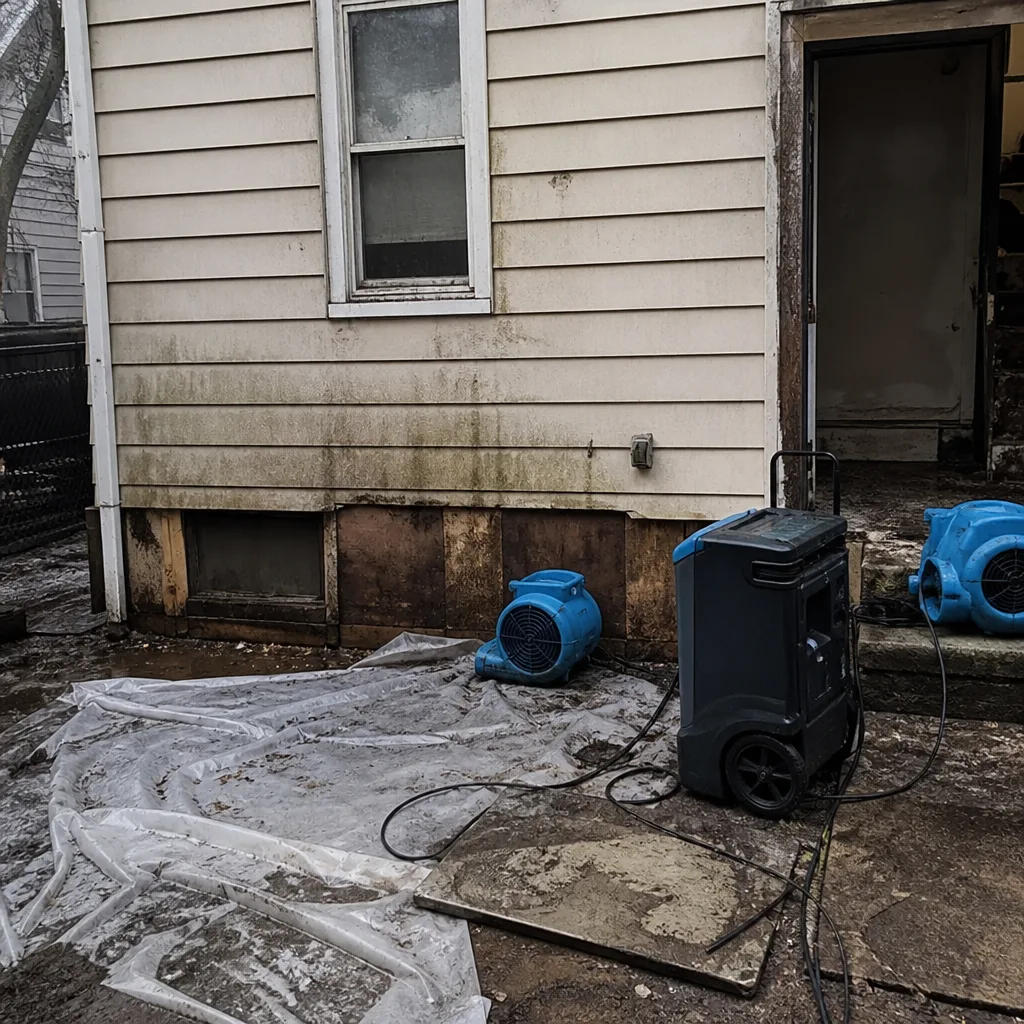 Before
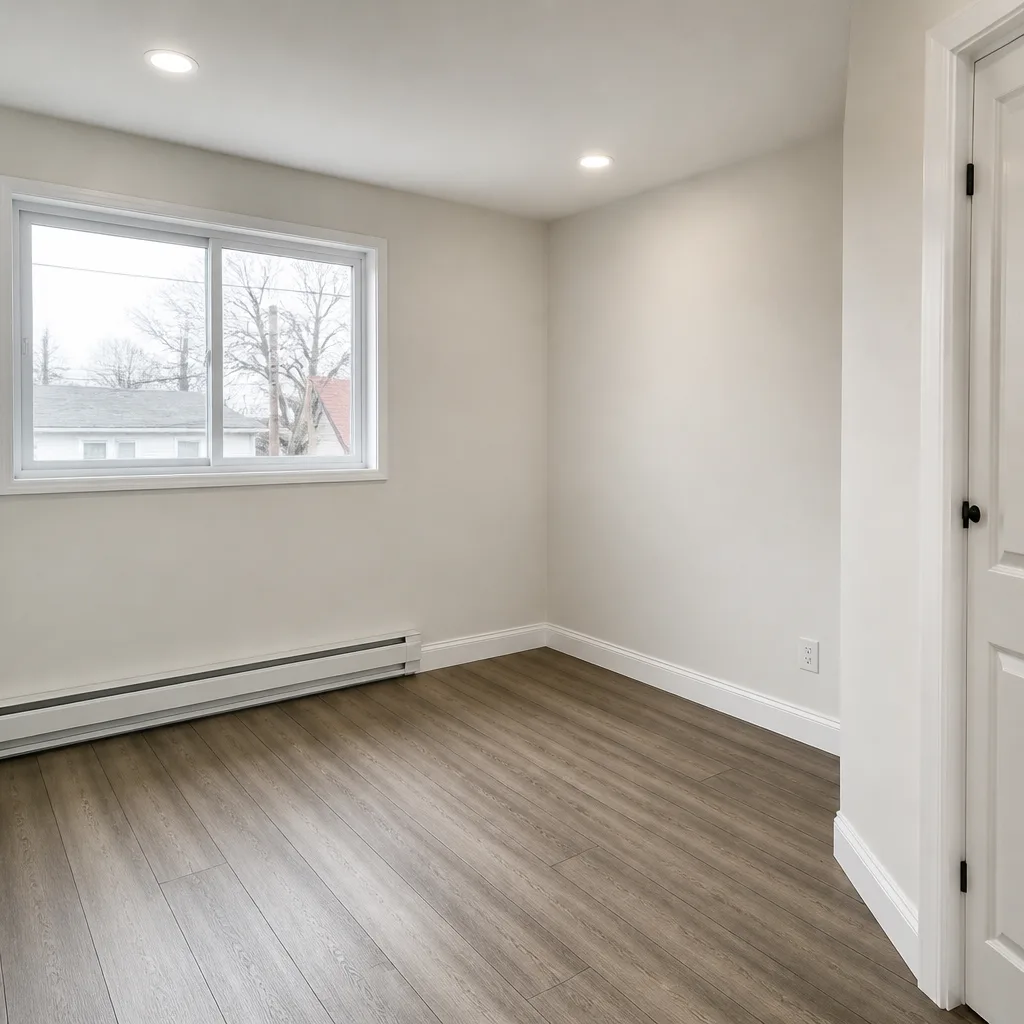
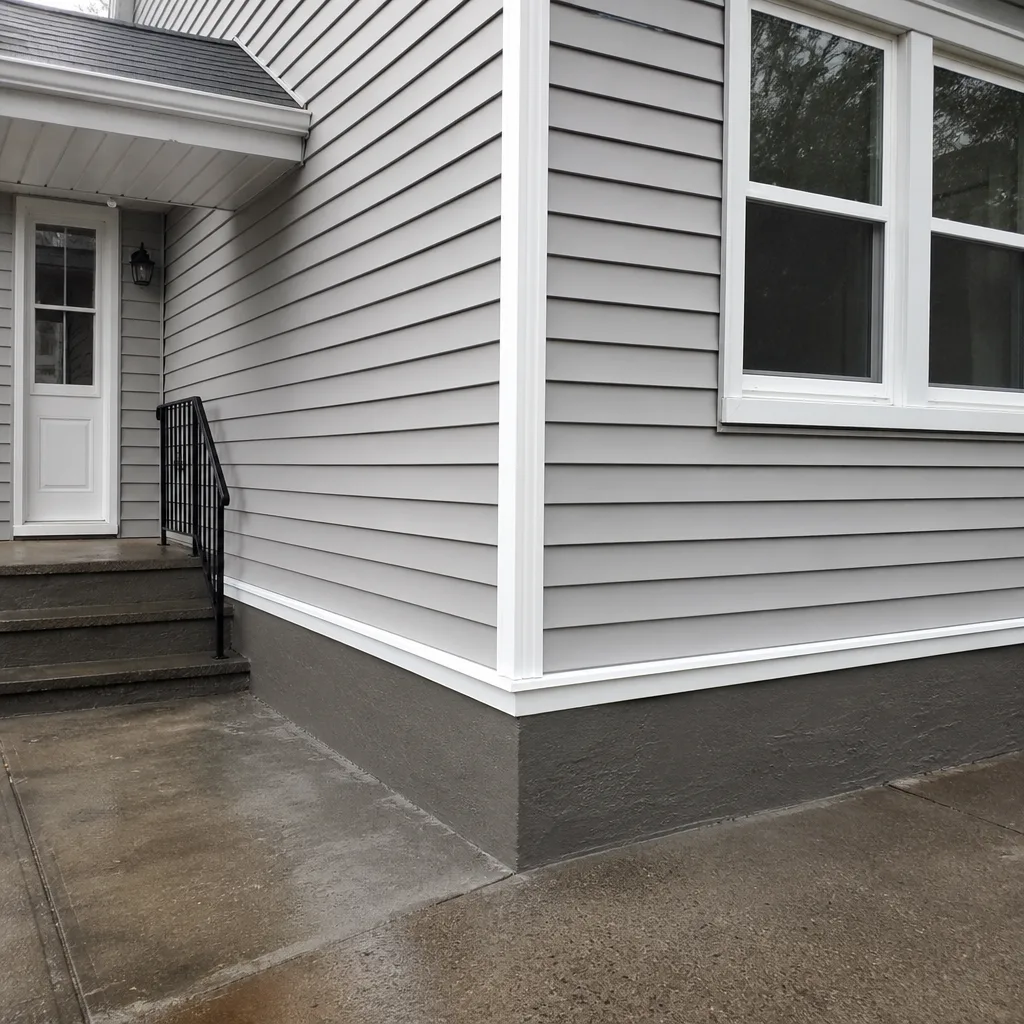 After
After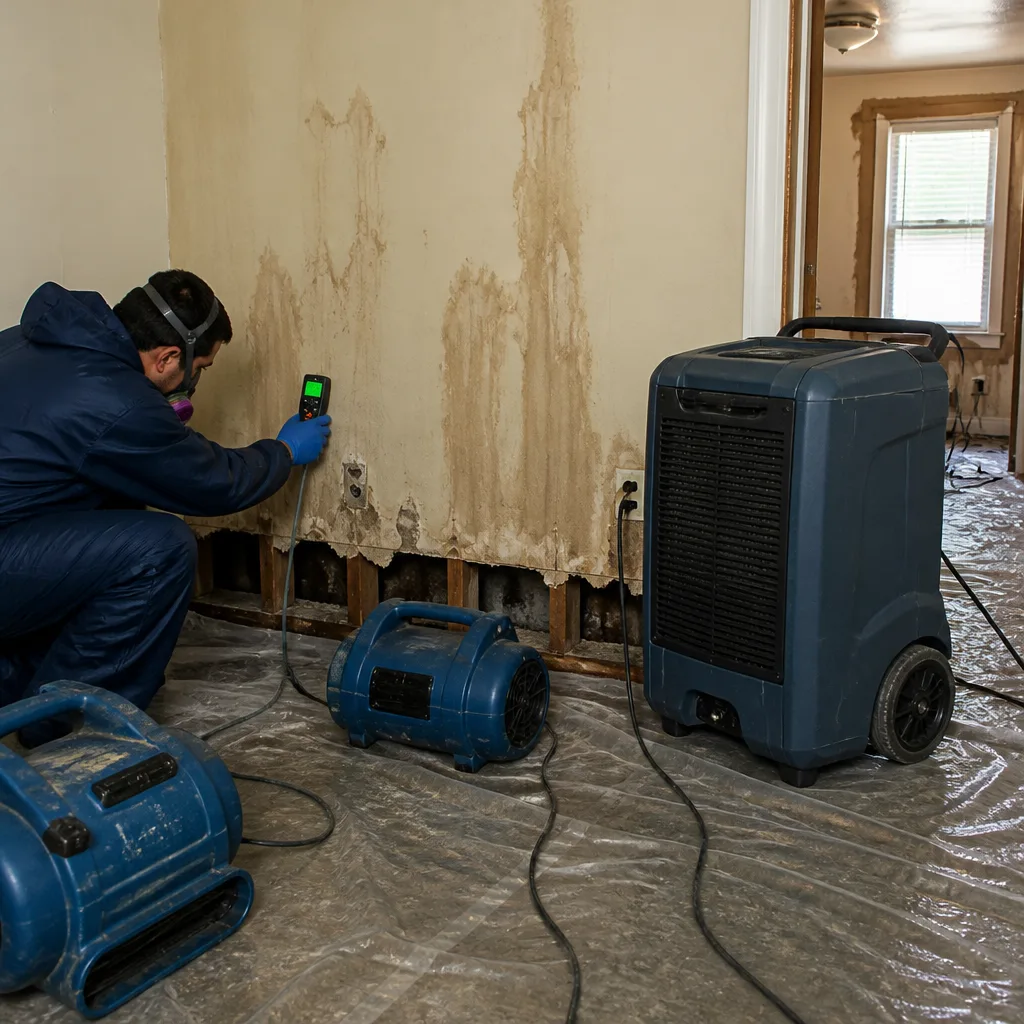 Before
 After
After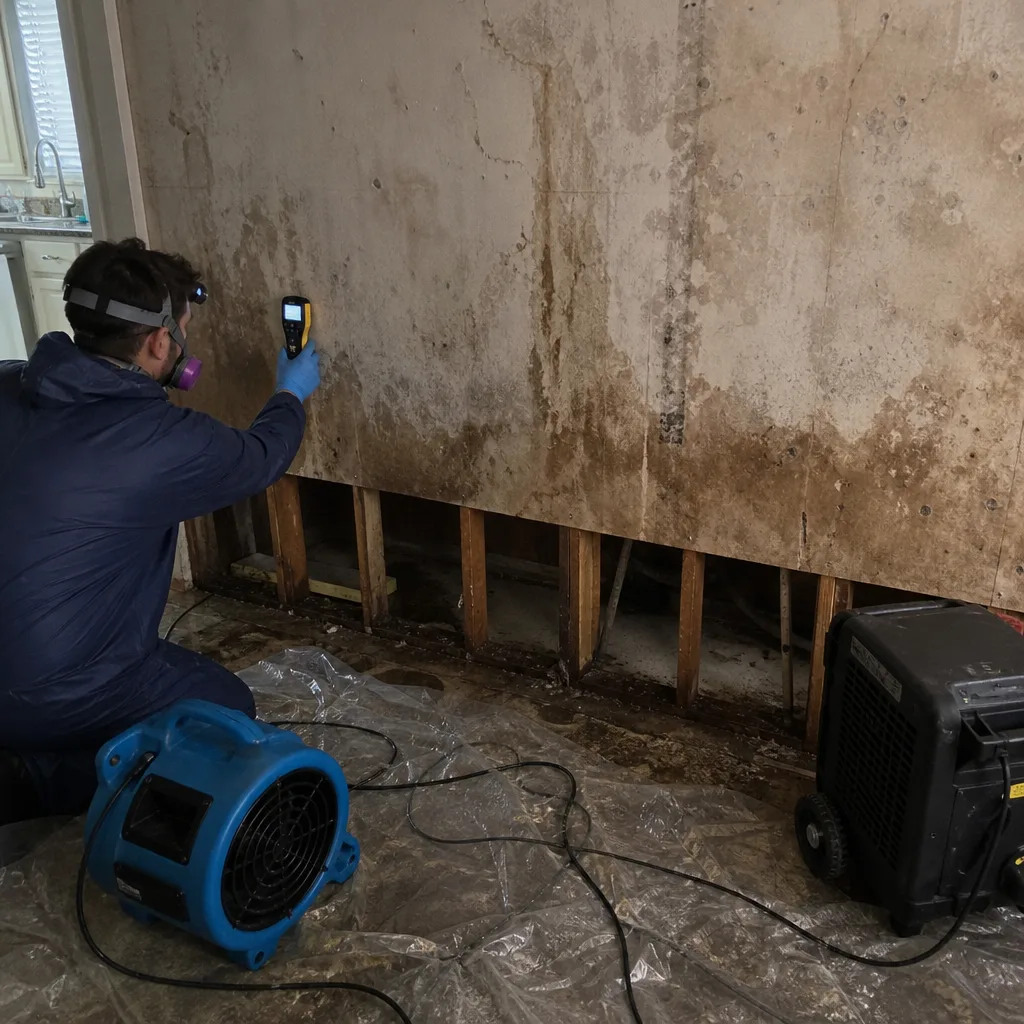 Before
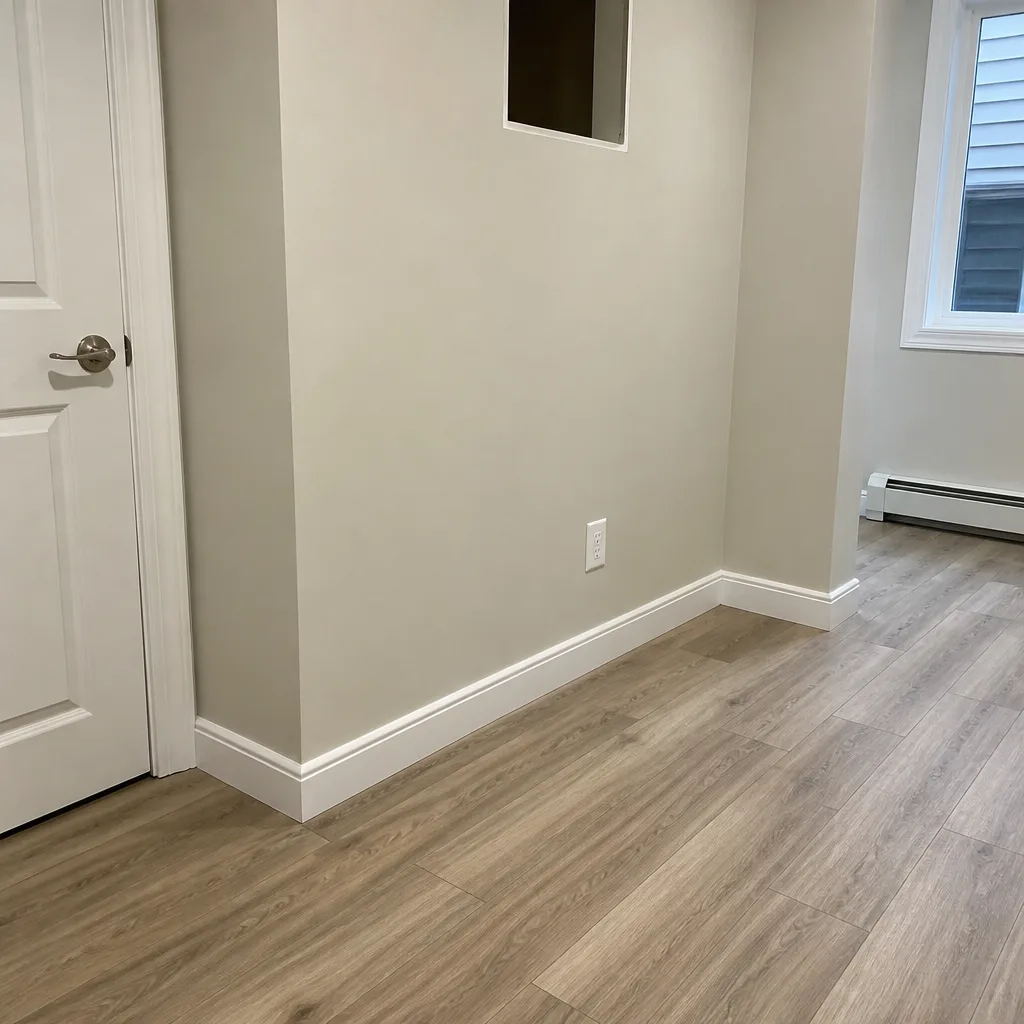 After
After