
Last updated October 16, 2026
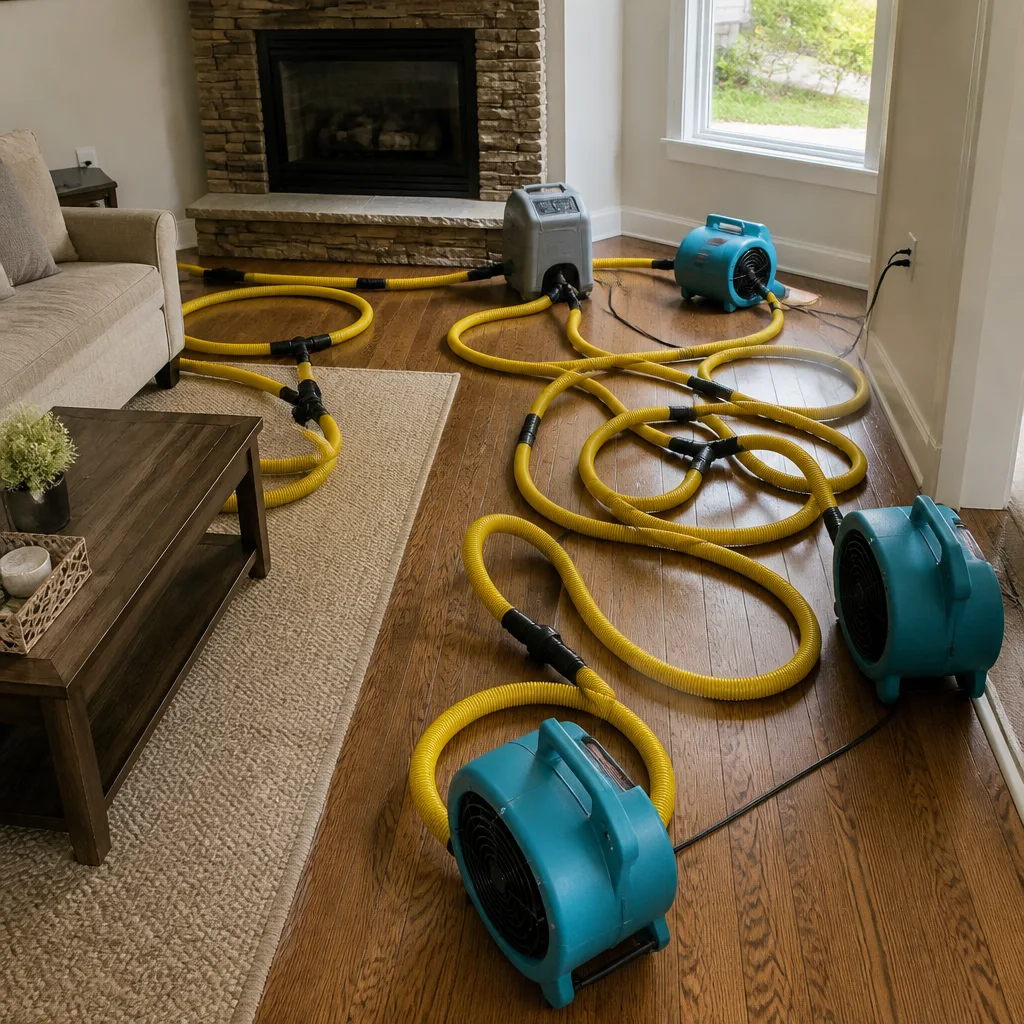 Water damage drying
 Fire & smoke cleanup
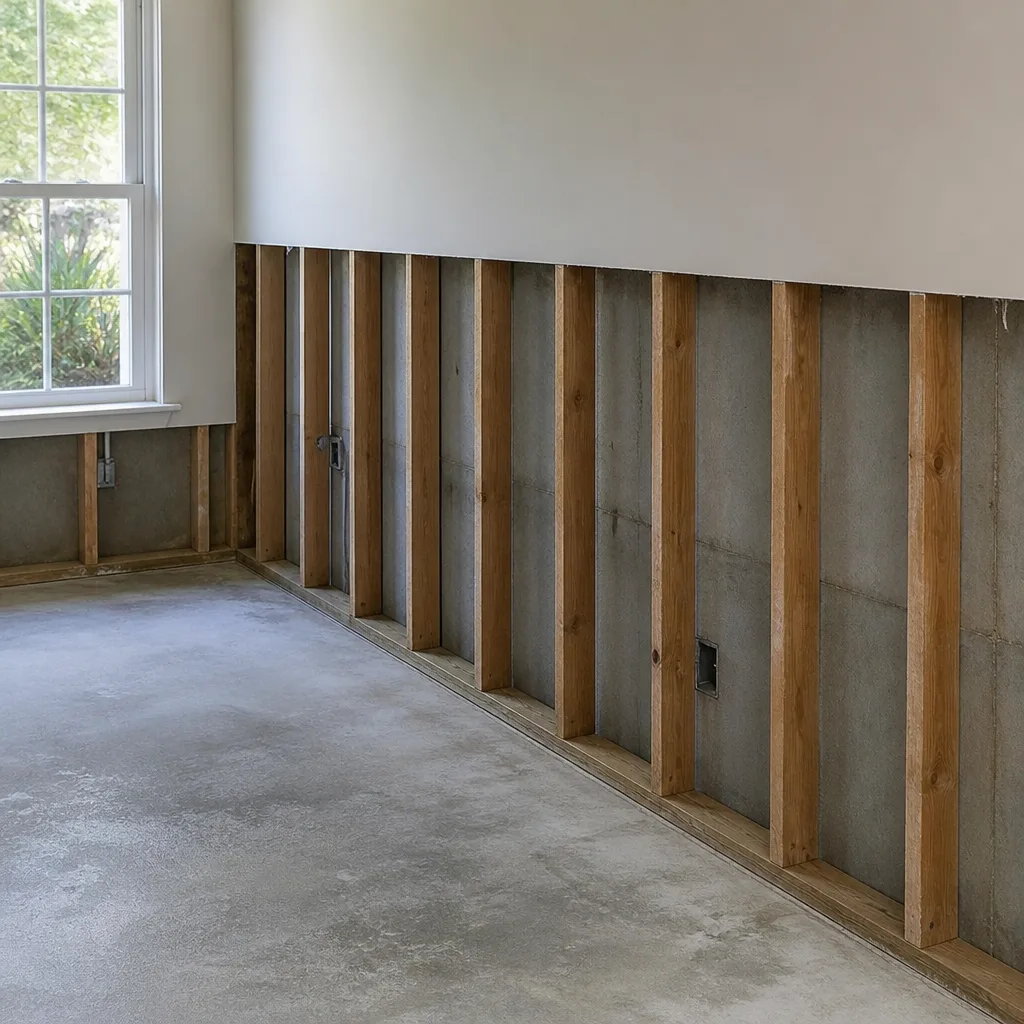 Mold remediation
 Storm response
 Sewage cleanup
 Reconstruction
Free visual inspection and a written scope of work before any mitigation begins - photos, moisture readings, and drying logs go in your claim file
The scope we write is the scope we bill. Anything new gets shown to you, in writing, before we touch it.
Get your free estimateDamage Restoration Permits, Codes & Inspections in NY: What You Need to Know
A Queens homeowner in Flushing sold her house three years after a water damage repair. The buyer’s inspector flagged unpermitted structural work from the restoration, the closing nearly collapsed over a permit that should have cost around $350. Her story is not rare. Most Queens homeowners don’t realize that certain water damage repairs – structural drying that required framing changes, mold remediation above 10 square feet, any work touching load-bearing elements – require NYC Department of Buildings permits that, if skipped, can invalidate a home sale or insurance claim years later. This guide explains exactly when a permit is required, who pulls it, what the inspection sequence looks like, and what to do if your contractor says you don’t need one.
Quick Answer
In Queens, a permit is required when water, fire, or mold restoration crosses from ordinary maintenance into what NYC Building Code Section 28-105 defines as an “alteration” – typically structural repairs, changes to load-bearing elements, or mold remediation exceeding 10 square feet. Ordinary repairs like drying, cleaning, and replacing finishes generally do not require a DOB permit. Mold remediation contractors must also be registered with the NYC DEP and licensed by the state, separate from any DOB permit requirements.
Restoration work we handle
Table of Contents
- Ordinary Maintenance vs. Alteration: The NYC DOB Permit Threshold
- Mold Remediation Registration: DEP, DOH, and State Licensing
- How Permits Work: Who Pulls Them, What They Cost, and How Long They Take
- How to Verify Your Contractor’s Permit Using NYC DOB NOW
- What Unpermitted Work Means for Your Insurance Claim
- The Inspection Sequence: Who Inspects, in What Order, and What Sign-Off Protects
- Queens-Specific Considerations: Climate, Housing Stock, and Code Realities
- Common Mistakes to Avoid
- When to Call a Professional
- Frequently Asked Questions
Ordinary Maintenance vs. Alteration: The NYC DOB Permit Threshold
Under NYC Building Code Section 28-105, the line between “ordinary maintenance” and “alteration” determines whether you need a permit. Ordinary maintenance includes work that does not change the structure, egress, fire protection, or use of a building. Replacing drywall, repainting, re-tiling, and drying out a wet floor all fall under ordinary maintenance. No permit needed. An alteration is work that modifies or repairs load-bearing elements, changes the building’s structural system, or reconfigures space. Replacing rotted floor joists, sistering rafters after a roof leak, or rebuilding a stair stringer after fire damage all count as alterations. Those require a permit.
Here is the practical breakdown for water damage work in Queens:
- No permit required: Water extraction, structural drying, dehumidification, removing and replacing non-structural drywall, baseboards, flooring, or cabinetry. Paint, trim, and finish work.
- Permit required: Replacing or reinforcing any framing member (joists, studs, rafters, sill plates), modifying bearing walls, altering openings, repairing or replacing structural headers, any work that changes the building’s egress path, and any rebuild after fire damage that touches structural elements.
- Gray zone that usually requires a permit: Mold remediation above 10 square feet of contiguous affected area, especially when remediation requires removing wall cavities or ceiling assemblies. NYC treats extensive mold work as an alteration because it affects the building envelope.
We’ve seen Queens rowhouses where a small bathroom leak wicked into the party wall and the rim joist rotted over a decade. The repair meant opening the floor, replacing the joist end, and re-framing the sill connection. That is structural work. That is a permit. A contractor who tells you otherwise is either unfamiliar with NYC code or hoping you won’t ask.
Mold Remediation Registration: DEP, DOH, and State Licensing
Mold remediation in New York City operates under a separate regulatory layer that homeowners frequently miss. The NYC Department of Environmental Protection requires mold remediation contractors to be registered and to follow specific work practices. The NYC Department of Health sets mold assessment and remediation standards. At the state level, New York requires mold remediation contractors to hold a license under Article 32 of the Labor Law. These requirements exist independently of DOB permits.
Here is what this means in practice for a Queens homeowner:
- DEP registration: Any contractor performing mold remediation in NYC must be registered with the DEP. You can verify a contractor’s registration online through the DEP’s business lookup. Ask for the registration number and check it.
- DOH standards: The NYC DOH Mold Program sets minimum work area containment standards, personal protective equipment requirements, and clearance criteria. A remediation contractor working in Queens must follow these standards regardless of whether the job needs a DOB permit.
- State license: New York requires a mold remediation license from the Department of Labor for any project above 10 square feet of mold. The contractor performing the work, not just the company, may need to meet training and certification requirements.
- When DOB gets involved: If mold remediation requires opening wall cavities, replacing sheathing, or touching structural elements, you now have two regulators: DEP/DOL for the mold work, and DOB for the structural alteration. Both need to be handled correctly.
Our technicians hold IICRC credentials specifically for mold remediation. That certification matters because it aligns with the work practice standards the DEP and DOH expect to see documented. If a remediation contractor cannot produce an IICRC certification or its equivalent, that is a red flag before work begins.
How Permits Work: Who Pulls Them, What They Cost, and How Long They Take
A DOB permit for restoration work in Queens typically runs between $100 and $500 depending on the scope, with structural alterations at the higher end. The Flushing homeowner mentioned earlier needed a permit that should have cost roughly $350. Permits are filed through the DOB NOW online system. For simple structural repairs, a licensed contractor or registered design professional files the application, pays the fee, and the permit is issued after a plan review, which can take anywhere from a few days for straightforward applications to several weeks if the DOB requests additional documentation.
The sequence for a typical permitted restoration project:
- Scope assessment: A licensed contractor or engineer assesses the damage and determines the extent of structural work required.
- Application filed: The contractor files a permit application in DOB NOW with drawings if required. Simple repairs may not need stamped drawings. Structural alterations usually do.
- Permit issued: DOB reviews and issues the permit. The permit number becomes public record tied to the property address.
- Work completed: The restoration work proceeds. The contractor must post the permit at the work site.
- Inspection requested: The contractor schedules required inspections through DOB NOW.
- Sign-off: The inspector approves the work, and the permit is closed out with a final sign-off. This sign-off is the document that protects you at resale.
The contractor who performs the work is the one who should pull the permit, not the homeowner. If a contractor asks you to pull the permit as the homeowner, that shifts liability onto you for work quality and code compliance. Licensed, reputable restoration companies in Queens pull permits under their own license and insurance as a standard practice.
How to Verify Your Contractor’s Permit Using NYC DOB NOW
Queens homeowners can verify permit status themselves, and you should do this before work begins. The DOB NOW system is the city’s online portal for building permits, inspections, and violations. It is free to use and searchable by property address.
Here is the step-by-step verification process:
- Go to the DOB NOW website and select “Search by Address” from the public portal.
- Enter your Queens property address. The system will show active permits, past permits, open applications, and any violations on the property.
- Look for a permit that matches the work your contractor described. The permit description should include the scope of work, the filing date, and the contractor’s name and license number.
- Check the contractor’s license. Verify that the license number on the permit matches the contractor you hired. You can look up contractor licenses through the NYC Department of Consumer and Worker Protection.
- Confirm the permit status is “Active.” If your contractor says a permit is “in process” or “being pulled” weeks after work starts, that is a problem.
If the contractor claims no permit is needed for work that involves structural repair, ask for that determination in writing. A legitimate contractor will explain exactly which section of the Building Code excludes the work from permit requirements. A contractor who gets defensive or vague about this question should not be doing the work. We include a written scope of work with every project in Queens, so our customers see exactly what work requires a permit and what does not before anything starts.
What Unpermitted Work Means for Your Insurance Claim
Unpermitted restoration work creates two distinct insurance problems, and Queens homeowners encounter both. The first shows up during a later loss event. If you had structural repairs done without a permit after a water damage incident, and then a second water event causes additional damage to the same area, your insurer may deny or reduce the claim. The logic is straightforward: the insurer cannot verify that the unpermitted repair was done to code, so they cannot verify that the second loss was not caused or worsened by substandard work. You are left holding the cost for both repairs.
The second problem shows up at sale. A buyer’s inspection that uncovers unpermitted structural work creates a title issue. Many mortgage lenders in Queens will not close on a property with an open or unpermitted structural alteration. The seller must either obtain a retroactive permit (which requires exposing the work for inspection, often opening walls or ceilings), or reduce the sale price to cover the buyer’s cost of bringing the work into compliance. The Flushing homeowner nearly lost her sale over this exact scenario.
The protection a DOB permit provides is documentation. The permit, inspection records, and final sign-off create a public record that the work was reviewed and approved. When a later buyer or insurer asks, you have the answer in writing. Without the permit, you have nothing but your contractor’s word.
The Inspection Sequence: Who Inspects, in What Order, and What Sign-Off Protects
Permitted restoration work in Queens follows a specific inspection sequence. Understanding this sequence helps you know what to expect and what questions to ask your contractor.
- Pre-work inspection (if required): For structural alterations, a DOB inspector may visit before work begins to confirm the scope and existing conditions. This is more common for larger projects.
- Rough inspection: After structural repairs are completed but before finishes are installed, the inspector verifies that framing, connections, and load paths meet code. The wall is open. The joists are visible. This inspection is why a contractor cannot simply cover structural work with drywall and call it done.
- Progress inspections (if required): Depending on the scope, additional inspections may be needed for fire-rated assemblies, plumbing, or electrical work that was part of the restoration.
- Final inspection: Once all work is complete, the inspector reviews the finished job and issues the final sign-off if everything meets code.
- Permit closeout: The permit is closed in DOB NOW. The final sign-off becomes a permanent record on the property.
A final sign-off protects you in three ways. It confirms that a DOB inspector actually reviewed the work and approved it. It creates a public record you can point to during a sale or insurance claim. And it closes the permit file, preventing a future “open permit” flag on your property. Open permits are a common title issue in Queens because homeowners forget, or the contractor never files the final inspection request. Always confirm that the permit has been closed, not just issued.
Queens-Specific Considerations: Climate, Housing Stock, and Code Realities
Queens has the most diverse housing stock in the five boroughs. Attached brick rowhouses in Astoria and Sunnyside share party walls. Detached frame homes in Bayside and Little Neck sit on crawl spaces and basements. Large co-op and condo buildings in Forest Hills and Rego Park have their own review processes that layer on top of DOB requirements. The permit question depends heavily on which type of building you live in.
Climate matters too. Queens gets roughly 44 inches of rain per year, and nor’easters regularly push water into basements and foundations. Crawl spaces in Queens frame homes stay damp through spring. Water damage here is rarely a one-time event. We see homes in Bayside where a basement leak was “fixed” without a permit, then the same wall failed again three years later during a heavy storm because the original repair never addressed the sill plate. A DOB inspection would have caught that the first time.
For co-op and condo owners in Queens, there is an additional layer. Alterations within an apartment unit require board approval in addition to any city permits. Structural work in a co-op building may be the building’s responsibility, not the unit owner’s. The DOB permit is still needed, but the application must come through the building’s managing agent. If you own in a co-op and experience water damage, your first call is to the board or managing agent, not a contractor.
For more detailed guidance on what water damage work involves in Queens, see our guide on Water Damage Restoration in Queens.
Common Mistakes to Avoid
- Trusting the contractor’s verbal assurance that “you don’t need a permit.” In Queens, structural repairs and mold remediation above 10 square feet trigger permit or registration requirements. Get the determination in writing. A verbal assurance protects nothing at resale.
- Letting the contractor pull a permit under their own name but never confirming the final sign-off. An open permit on your Queens property is a title issue that can block a sale years later. Confirm the permit is closed, not just issued.
- Hiring a mold remediation company without checking DEP registration and state licensing. Queens homeowners who skip this check sometimes discover that their insurance will not cover the remediation because the contractor was not properly credentialed. The savings on the front end become a full-cost liability on the back end.
- Covering structural repairs before the rough inspection. A contractor who closes walls before the DOB inspector reviews the framing forces you to either open the walls again or proceed without a valid inspection. Neither option is good.
- Treating co-op or condo restoration like a private house. Alterations in Queens co-ops and condos require board approval in addition to DOB permits. Failing to get board approval can result in fines, forced restoration of the original condition, and a lawsuit from the building.
- Skipping the permit because the job is “small.” A rotted joist end might seem small. Replacing it is structural work. The permit costs a few hundred dollars. The alternative is a future sale contingency or a denied insurance claim.
- Assuming the insurance company will handle permits. Insurance adjusters in Queens do not generally pull permits for restoration work. The contractor does. Confirm before work begins that the permit has been applied for and the application number exists.
When to Call a Professional
Call a licensed restoration professional when the water damage has touched any structural element: joists, studs, rafters, sill plates, or load-bearing walls. Call when mold affected an area larger than 10 square feet, when the damage extends into wall cavities or ceiling assemblies, or when a fire has compromised framing. Call when you are not sure whether the work needs a permit, because the cost of finding out is low and the cost of guessing wrong is high; see our Damage Restoration Warning Signs: A Queens Homeowner’s Reference Guide for what to watch for. Tidemark Water Damage Queens offers free estimates in Queens – call (607) 600-9946 and we will walk you through the scope, the permit requirements, and the written price before any work starts.
Frequently Asked Questions
A DOB permit for restoration work in Queens typically costs between $100 and $500, with structural alterations at the higher end of that range. The permit fee is a small fraction of the total job cost, but it buys you a public record that protects your property value and insurance standing. Call (607) 600-9946 and we can quote the full scope, including permit costs, in writing.
You need a permit if the mold remediation involves structural repairs or opening wall cavities in a way that constitutes an alteration under NYC Building Code Section 28-105. Regardless of DOB permits, the remediation contractor must be registered with the NYC DEP and licensed by New York State. Above 10 square feet of contiguous mold, both the registration and the license are mandatory.
Yes. Structural drying, water extraction, and dehumidification are ordinary maintenance and do not require a DOB permit. The permit requirement kicks in if the drying process reveals structural damage that requires repair, such as rotted joists or compromised framing. Our technicians use Dri-Eaz, XPOWER, and B-Air equipment to dry past the tide mark, and we document everything so you know exactly where the damage stopped and the drying began.
The buyer’s inspector may flag the unpermitted work, the buyer’s lender may refuse to close, and you may be forced to obtain a retroactive permit, which requires exposing the work for inspection. This happened to a Flushing homeowner whose sale nearly collapsed over a $350 permit. The final DOB sign-off is the document that prevents this scenario.
Search your property address in the NYC DOB NOW system and look for an active permit matching the scope of work. Verify the contractor’s name and license number on the permit, and confirm the permit status is active. If the contractor claims no permit is needed, ask for that determination in writing with a Building Code citation.
Insurance may cover the initial loss, but a second loss event in the same area can be denied if the insurer discovers the first repair was unpermitted and potentially substandard. The insurer cannot verify that unpermitted work met code, so they cannot verify that the second loss was not caused by the unpermitted repair. The permit file is your protection against this.
The Bottom Line
Permits in Queens exist to create a public record that work was reviewed and approved. The record protects you at resale, in insurance claims, and in disputes with contractors. Know the line between ordinary maintenance and alteration. Verify your contractor’s permit in DOB NOW before work starts. Confirm the final sign-off after work ends. For mold remediation, check DEP registration and state licensing separately from DOB permits. Browse more guides & resources on protecting your Queens home. The $350 permit is the cheapest insurance you will ever buy for your home. If you are unsure whether your restoration job needs one, call Tidemark Water Damage Queens at (607) 600-9946. We will give you a straight answer and a written price before anything starts.
Written by Rick Sumner, Owner at Tidemark Water Damage Queens, serving Queens since 2006.
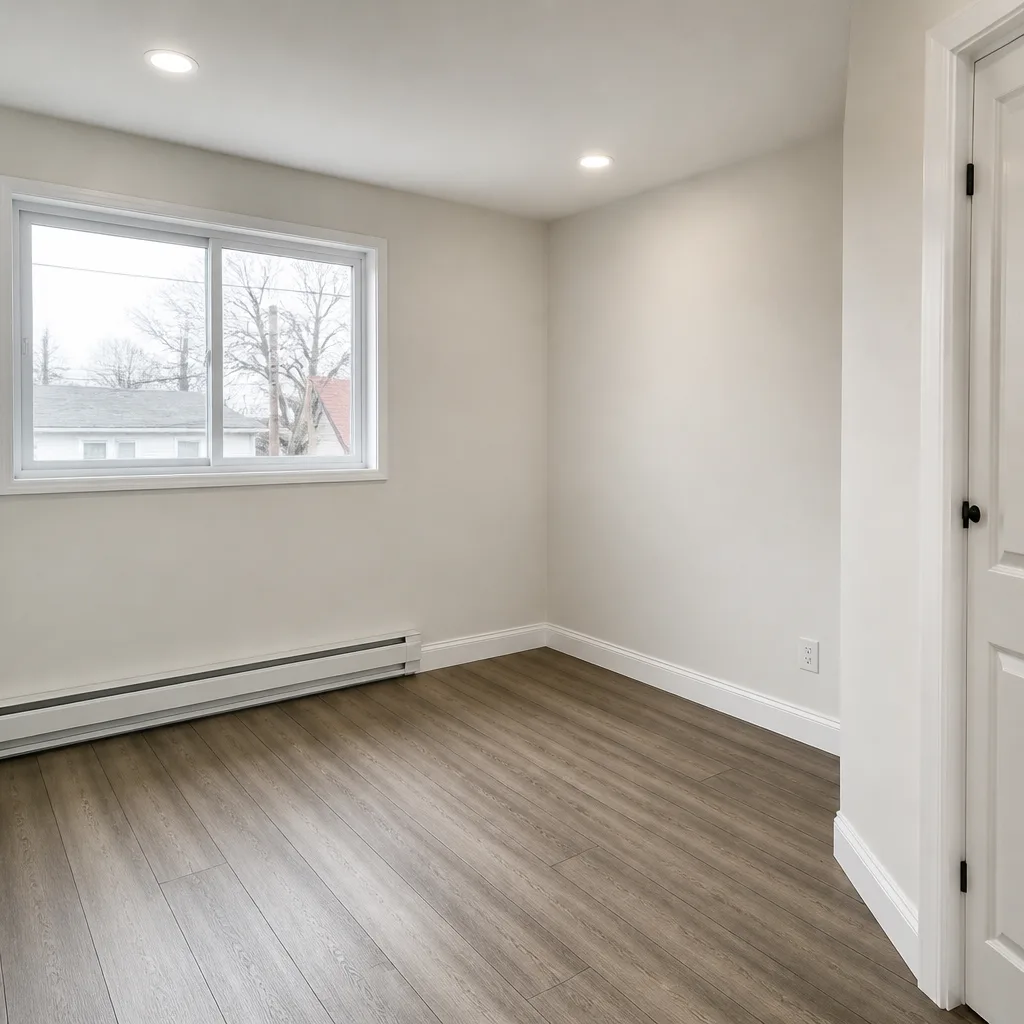
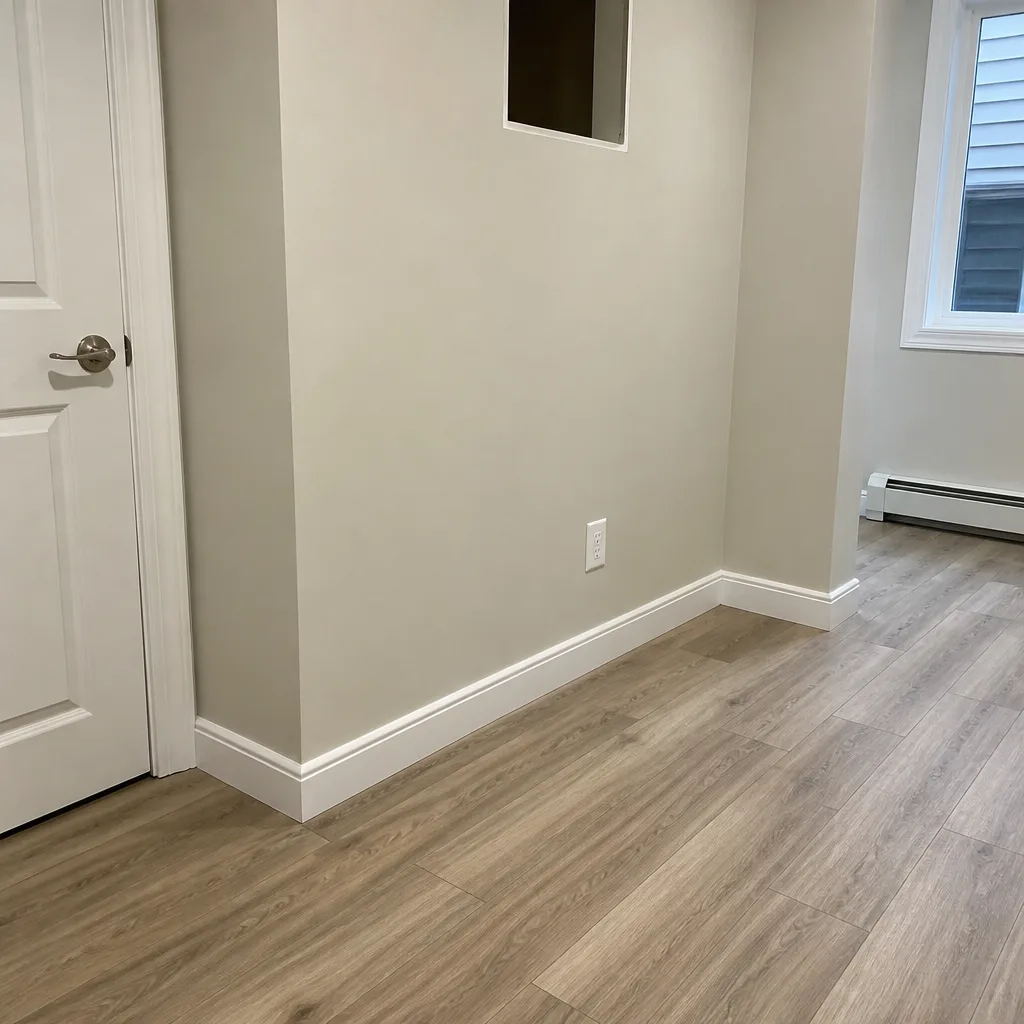
See the difference
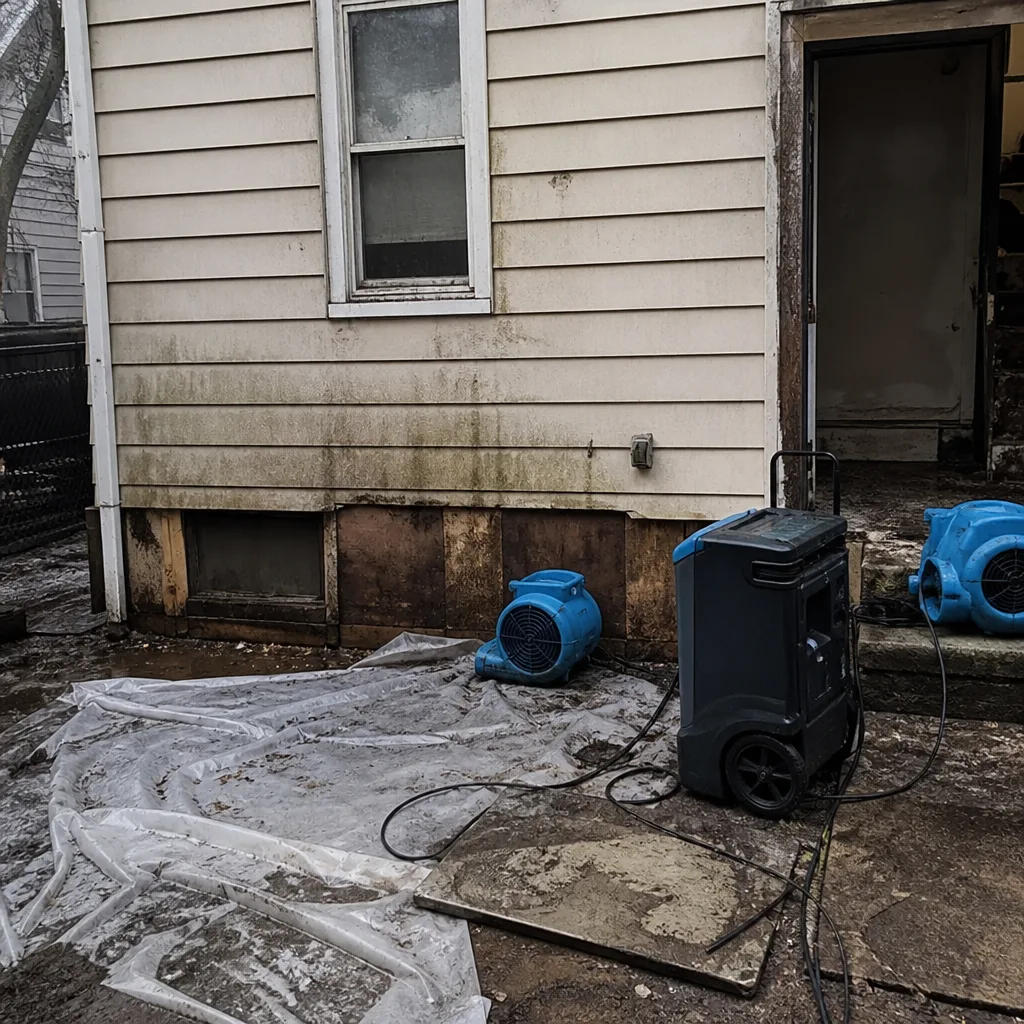 Before
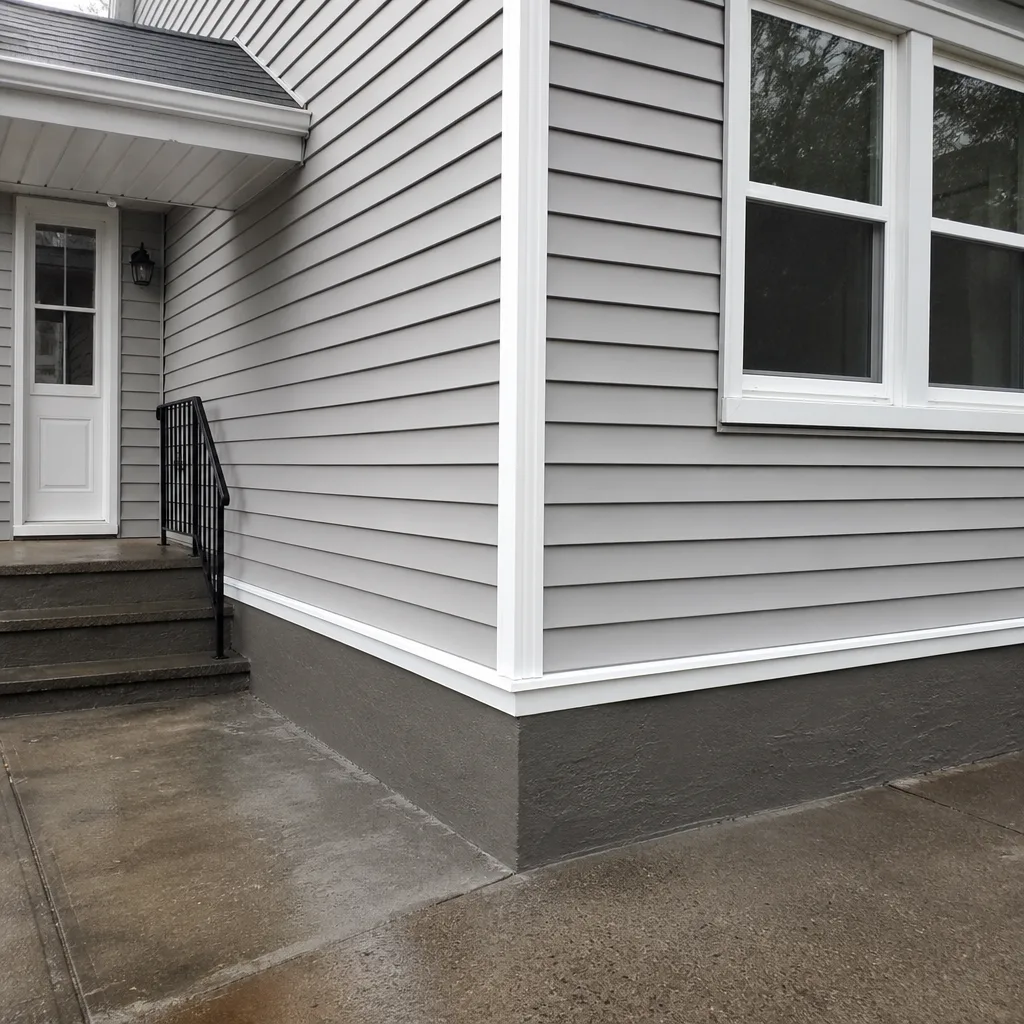 After
After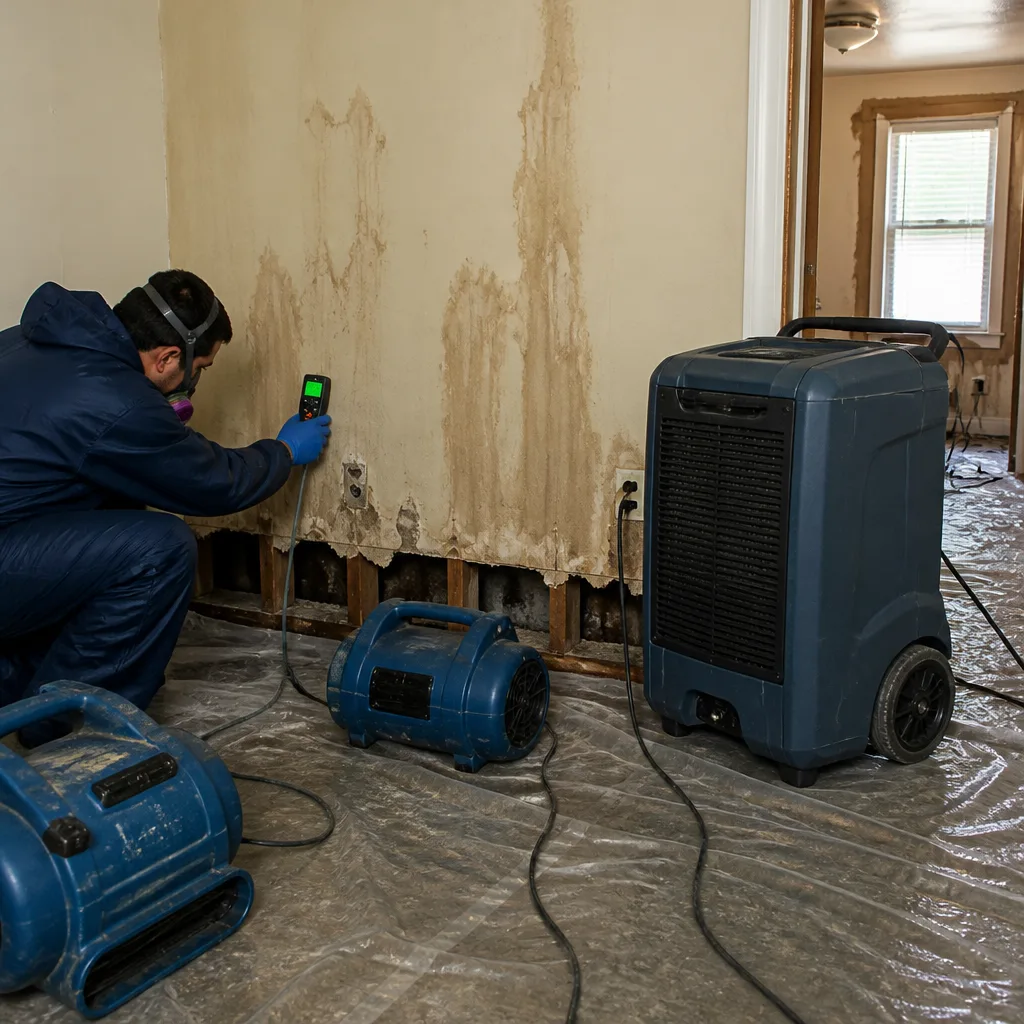 Before
 After
After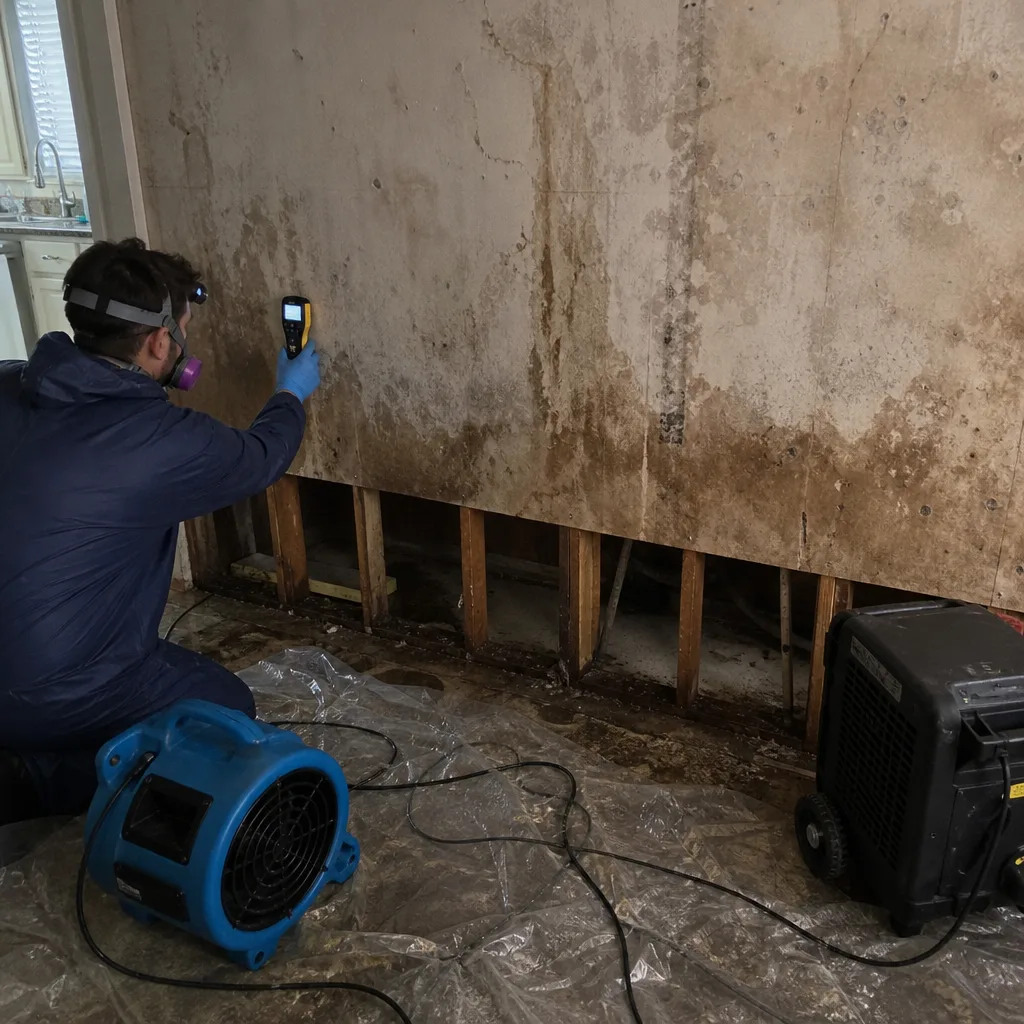 Before
 After
After