
Last updated October 16, 2026
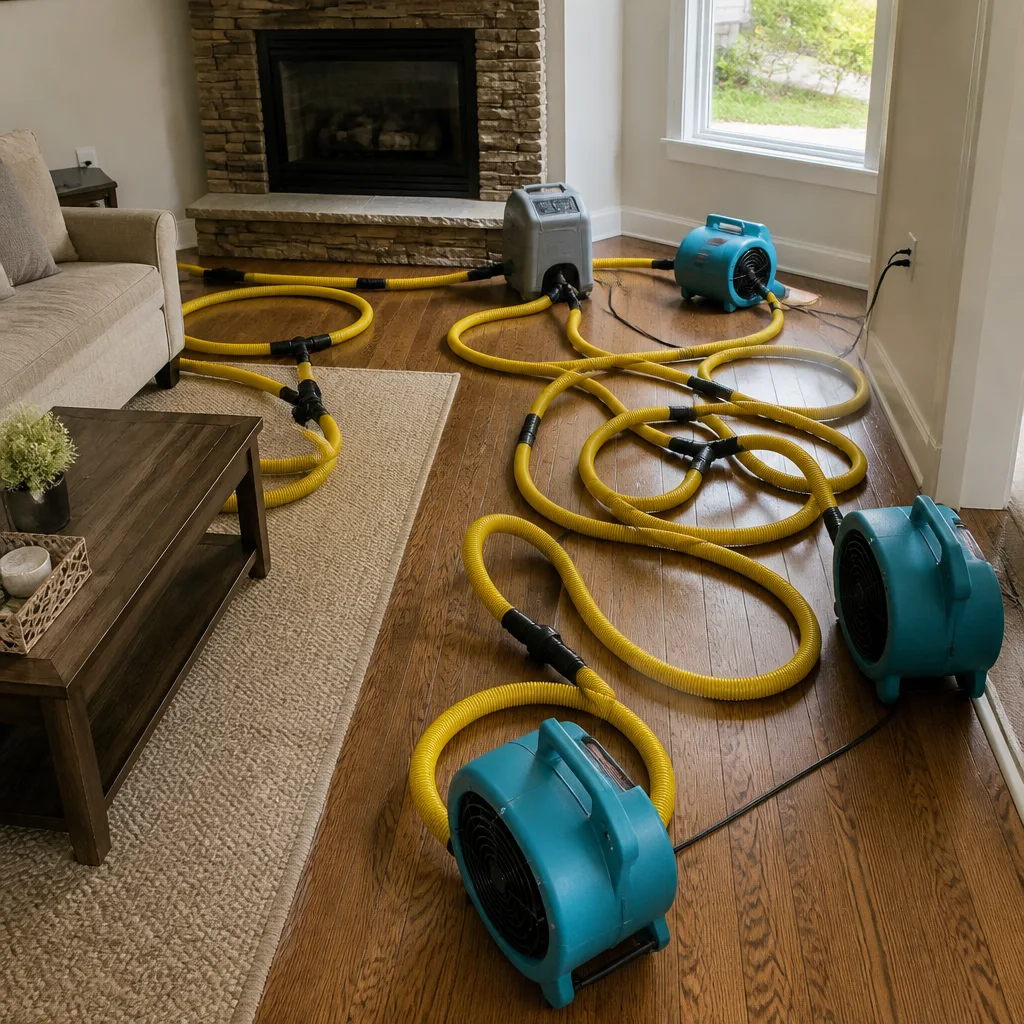 Water damage drying
 Fire & smoke cleanup
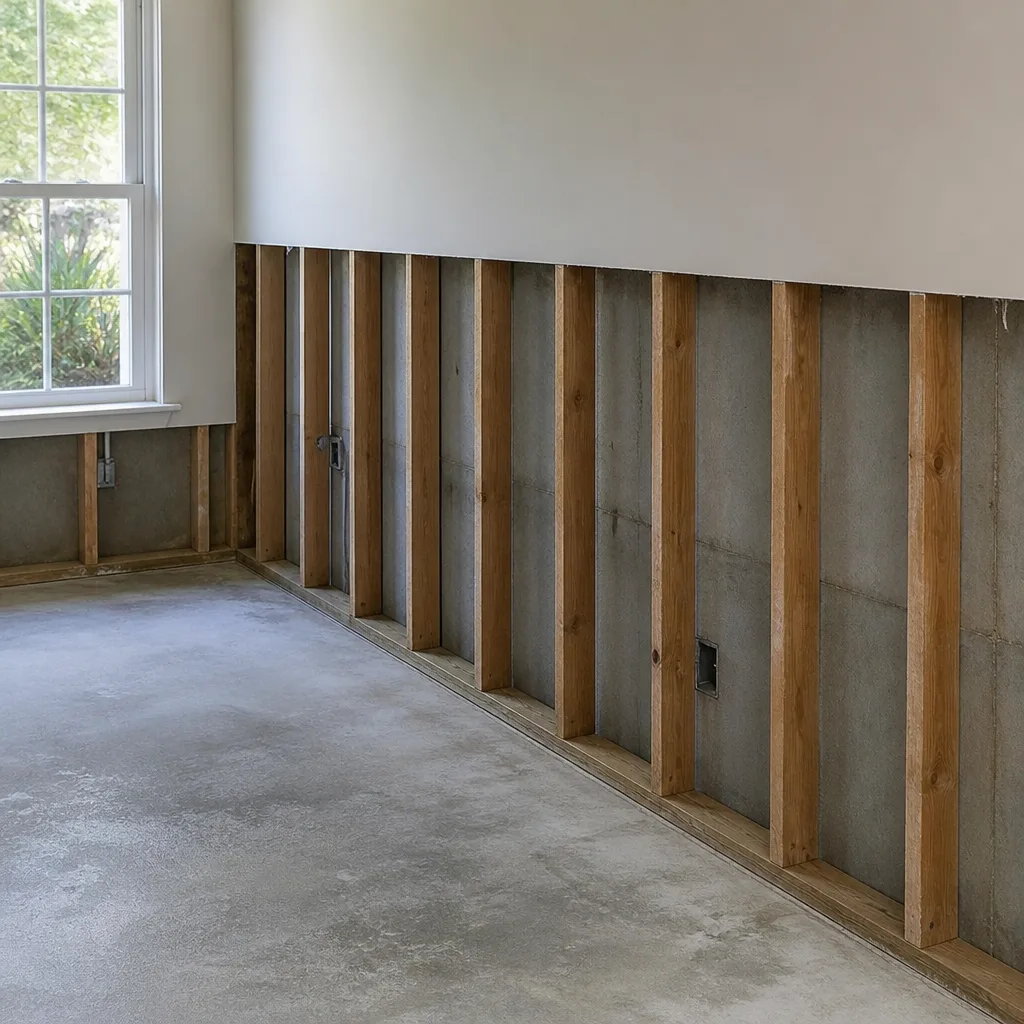 Mold remediation
 Storm response
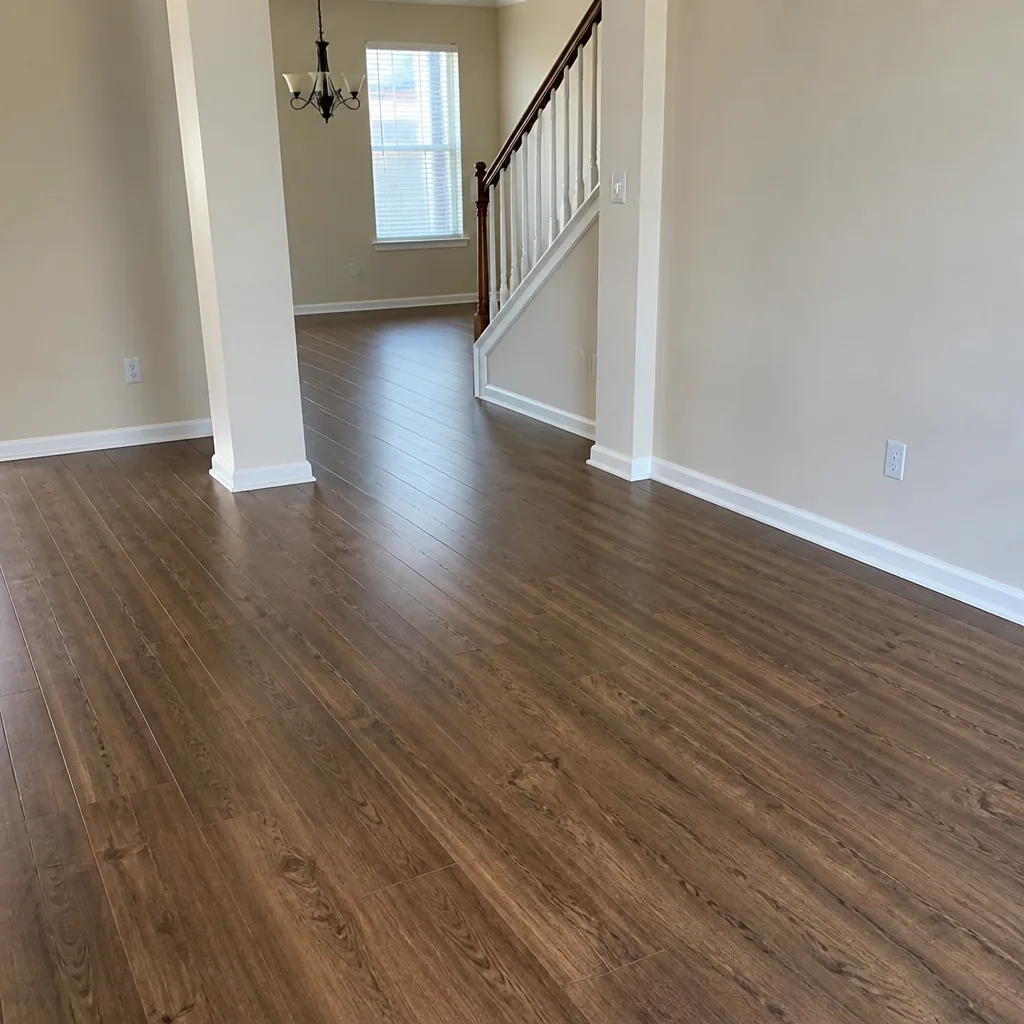 Sewage cleanup
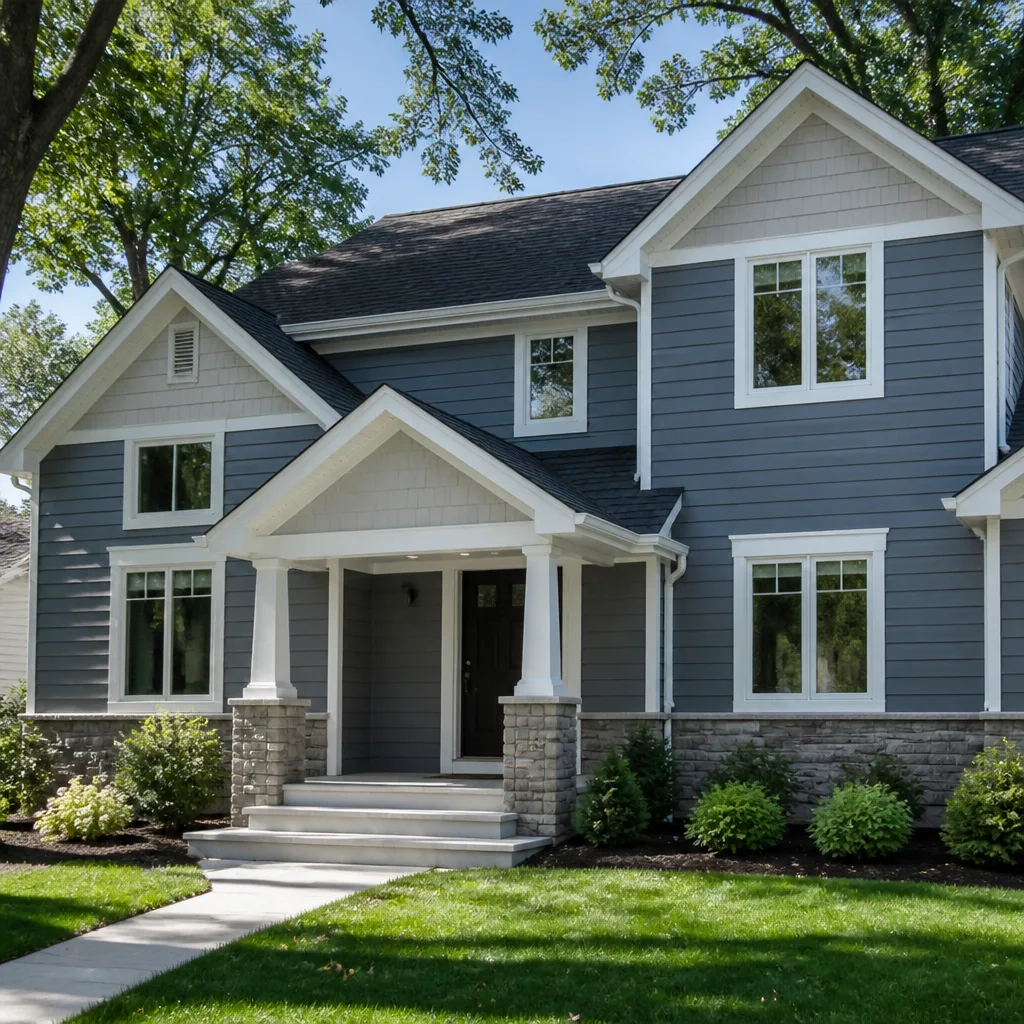 Reconstruction
Free visual inspection and a written scope of work before any mitigation begins - photos, moisture readings, and drying logs go in your claim file
The scope we write is the scope we bill. Anything new gets shown to you, in writing, before we touch it.
Get your free estimateHow to Hire a Damage Restoration Contractor in Queens: A Step-by-Step Guide
Storm-chasing contractors have been documented following NYC emergency dispatch radio frequencies into Queens neighborhoods after major rain events. That means the person at your door may have arrived before you even searched for help. This guide walks you through a calm, structured hiring process built for Queens specifically: the three non-negotiable checkpoints, the exact license numbers to verify, and the contract clauses that have cost local homeowners double their original estimate. For a broader look at protecting your home, see our Complete Guide to Damage Restoration in Queens. You will learn how to protect your family, your floors, and your budget before anyone picks up a tool.
Restoration work we handle
Quick Answer
Hire a damage restoration contractor in Queens by verifying three things before signing anything: a valid NYC Home Improvement Contractor license, proof of liability insurance in the contractor’s name, and a written scope of work with line-item pricing delivered before work starts. Skip any contractor who pushes a verbal estimate, asks you to sign an assignment of benefits on the spot, or cannot show you their license number within two minutes. Tidemark Water Damage Queens provides written pricing before any work begins, and you can reach a live person 24/7 at (607) 600-9946.
Table of Contents
- Step 1: Verify the Three License Numbers Before You Sign Anything
- Step 2: Demand a Written Scope of Work With Line-Item Pricing
- Step 3: Read the Contract for Three Clauses That Inflate Your Bill
- Assignment of Benefits in New York: What You’re Actually Signing
- Pet-Safe and Child-Safe Products: Questions to Ask
- The Three Checkpoints: A Hiring Checklist for Queens Homeowners
- Common Mistakes to Avoid
- When to Call a Professional
- Frequently Asked Questions
- The Bottom Line
Step 1: Verify the Three License Numbers Before You Sign Anything
Queens is one of the few places in the country where a restoration contractor should be able to produce three separate credentials, each tied to a public database you can check in under two minutes. If a contractor hesitates or deflects when you ask for these numbers, that is the first signal to slow down.
Here is exactly what to ask for and where to verify each one:
- NYC Home Improvement Contractor (HIC) License – Issued by the NYC Department of Consumer and Worker Protection. This is the baseline license for any contractor doing repair work inside a New York City home. Verify it in the DCWP’s online license lookup by entering the six-digit license number. If the number does not come back as active and in the contractor’s actual business name, stop there.
- NYS Mold Assessment or Remediation License – Mold work in New York State requires a specific license from the NYS Department of Labor. Any contractor who says they can “clean up mold” without this license on hand is not legally allowed to perform mold remediation in Queens. The DOL database is searchable by company name and license number.
- Certificate of Liability Insurance – Ask for a certificate issued directly from the insurance carrier, not a photocopy the contractor has stored on their phone. Call the carrier to confirm the policy is active. In Queens, water damage claims often involve co-op or condo board requirements, and many buildings will not let an uninsured contractor onto the property at all.
In our experience in Queens, the contractors who pass this first checkpoint without friction are also the ones who write clear scopes, protect floors with drop cloths, and leave the house the way they found it. The contractors who can’t produce a license number in two minutes are often the same ones who can’t produce a written price either.
If you’re reading this after a sewage backup or a burst pipe and you need someone qualified to look at the damage today, the team at Tidemark’s Water Damage Restoration in Queens can walk you through the verification steps over the phone before anyone steps inside your home.
Step 2: Demand a Written Scope of Work With Line-Item Pricing
The single most important document in any Queens restoration job is a written scope of work with line-item pricing. Not a range. Not a verbal “ballpark.” Not a handshake. A line-by-line list of exactly what will be done, what it costs, and what equipment will be used.
Here is why this matters so much in Queens specifically. A verbal estimate of “$3,500 to $5,000” can become $9,000 on the final invoice, and without a written scope you have no way to contest it. A line-item scope looks like this:
- Water extraction of affected hallway and living room: $425
- Drying equipment placement (3 air movers, 1 dehumidifier, 7 days): $680
- Removal and disposal of saturated carpet pad in hallway: $310
- Antimicrobial application to exposed subfloor (pet-safe product specified): $275
- Daily moisture monitoring and photo documentation: Included
When every line is spelled out before work starts, the final invoice cannot drift. You see exactly what you agreed to, and any change requires a written change order signed by you first.
What to do if a contractor refuses to provide line-item pricing: thank them and end the conversation. In Queens, a legitimate restoration company writes the scope before the equipment comes off the truck. We do this on every job, no exceptions, because the written price is the protection. It protects you from surprise billing, and it protects us from the assumption that restoration contractors overcharge when the truth is that only some do.
When you compare the written scope against what the crew actually does, you should see a one-to-one match. If the scope says three air movers and you count two in your living room, you have a document to point to. That is the point of the paper.
Step 3: Read the Contract for Three Clauses That Inflate Your Bill
Most Queens homeowners read the first page of a restoration contract and skip the fine print. That is exactly where the expensive clauses live. Three clauses in particular have allowed contractors to bill Queens homeowners double the original estimate. You should read for these before signing.
- The “additional work authorization” clause. Some contracts include language that says the contractor may perform “additional work as necessary” without prior written approval, and that the homeowner agrees to pay for it. This is the clause behind surprise line items like “structural support” or “extra drying days” that were never mentioned in the estimate. In a proper contract, any additional work requires a written change order signed by you before it happens.
- The “materials escalation” clause. Watch for language that allows the contractor to bill for “unforeseen increases in material costs.” In Queens, where supply chain issues and rising lumber costs are real, this clause can quietly add 15 to 30 percent to your final invoice. A written line-item scope should lock the material prices on the day you sign.
- The “equipment rental” open-ended clause. Some contracts charge for drying equipment by the day without a cap on the number of days. If your drying takes ten days instead of five, the equipment line doubles. Ask for a maximum number of days on equipment charges, written into the scope.
Read the contract out loud if you need to. Slow down. The contractor should expect you to read it, and a good one will explain any clause you point to. When a Queens contractor rushes you through the paperwork, that itself is information. At Tidemark, the written scope is the contract, line by line, with no escalation clauses and no open-ended rental language. If it is not in the scope, it is not on the invoice.
Assignment of Benefits in New York: What You’re Actually Signing
An assignment of benefits, often called an AOB, is a legal document that transfers your rights under your insurance policy to the contractor. In New York, signing an AOB means the contractor can bill your insurance company directly, and in most cases, the contractor controls the claim from that point forward. You step out of the conversation.
This is different from a standard contractor authorization, which simply says you approve the contractor to perform the work described in the scope. A standard authorization keeps you in control of your claim. You receive the insurance payout, you pay the contractor, and any dispute stays between you and the contractor.
An AOB changes that structure. The contractor negotiates with your insurer, the contractor receives payment directly, and if there is a dispute over the bill, your contractor and your insurer are arguing about money you no longer control. Some Queens homeowners have discovered after the fact that an AOB gave the contractor authority to file suit against their insurance company in their name.
Does this mean you should never sign an AOB? Not necessarily. Some reputable restoration companies use AOBs because they make payment smoother and take the check-chasing burden off the homeowner. The point is that you should know which document you are signing and why. If the contractor cannot explain the difference between an AOB and a standard authorization in plain English, do not sign. If you are unsure, ask your insurance adjuster to review the document before you put your name on it.
If the mold issue is part of your claim, this conversation matters even more. Mold remediation involves specific licensing and documentation requirements. You can read about what that process looks like in Tidemark’s mold remediation guide for Queens homeowners.
Pet-Safe and Child-Safe Products: Questions to Ask
If you live in a Queens apartment or house with kids and pets, the products a restoration crew uses matter as much as the drying time. Many antimicrobial and disinfectant products carry an EPA registration number, and that registration is often cited as proof of safety. Here is what “EPA-registered” actually means: the product has been evaluated for effectiveness against the microbes named on the label when used according to the label directions. It does not automatically mean the product is safe for continuous exposure in an occupied home, and it does not mean the product is safe for pets who walk across treated surfaces and lick their paws.
Ask these questions before any antimicrobial is applied in your home:
- What is the exact product name, and can I see the Safety Data Sheet before application?
- Is this product rated for use in occupied spaces, or does the label require evacuation during and after application?
- How long should kids and pets stay off treated surfaces after application?
- Are there less toxic alternatives that achieve the same result for this specific mold or bacteria situation?
- Does the product leave a residue, and how is it removed before the family returns to normal use of the room?
In our experience, many restoration companies default to the strongest product on the truck because it solves the problem fastest. But fastest is not always the right call for a family with a crawling baby or a dog who naps on the living room floor. Where there is a choice between products, we use pet-safe drying agents. Where there is not a choice, we tell you what the product is, why it is necessary, and exactly when the room is safe for your family to re-enter. That is not an upsell conversation. It is a plain explanation before anything is applied.
The same thinking applies to equipment. Professional drying equipment from B-Air and Injectidry is powerful, and that is the point, but placement and settings matter. We can position equipment to respect quiet hours in a Queens apartment where a baby naps at 2 p.m. The job still gets done. It gets done with the family’s routines in mind.
The Three Checkpoints: A Hiring Checklist for Queens Homeowners
Here is a condensed checklist you can save to your phone and pull up at the door. Run every contractor through these three checkpoints in order. If any checkpoint fails, stop.
- License checkpoint: Ask for the NYC HIC license number and the NYS mold license number (if mold is involved). Verify both in the public databases in under two minutes. Ask for a certificate of insurance and call the carrier to confirm it is active. If any number fails to verify, end the conversation.
- Written scope checkpoint: Ask for a written scope of work with line-item pricing before any equipment enters your home. Read it line by line. If the contractor says they “don’t write scopes” or offers a verbal range instead, thank them and close the door.
- Contract checkpoint: Read the contract for additional work authorization, materials escalation, and open-ended equipment rental clauses. Ask for change orders in writing for any additional work. Ask whether you are signing a standard authorization or an AOB, and have them explain the difference. If they cannot, do not sign.
These three checkpoints take less than 15 minutes total and they are the difference between a claim that closes cleanly and a bill that haunts you for a year. The riskiest moment in a Queens water event is not the flooding. It is the 20-minute window when a homeowner in shock agrees to a verbal estimate from the first contractor at the door. The checkpoints are how you slow that moment down. For year-round prevention tips, read our Seasonal Damage Restoration Care for Queens: Year-Round Homeowner’s Guide.
If the damage includes fire or smoke, the hiring process is similar but the scope questions shift toward contents cleaning and odor sealing. You can read what that involves in Tidemark’s fire damage restoration guide.
Common Mistakes to Avoid
- Signing the first document a contractor hands you. Storm-chasing contractors in Queens count on the shock of the moment. A rushed signature on an AOB or an open-ended work authorization is the single most expensive mistake a homeowner makes. Slow down. Verify first.
- Hiring a contractor who is not licensed for mold work. In New York State, mold remediation requires a specific license. A general contractor who says “we can handle the mold too” without a mold license is not legally permitted to do that work, and your insurance company may deny the mold portion of your claim if the work was performed by an unlicensed contractor.
- Accepting a range estimate instead of a line-item scope. “We think it’ll be between $4,000 and $6,000” is not a written price. It is a blank check with extra steps. The final bill always finds the top of the range, and often beyond it.
- Skipping the equipment cap on drying charges. Drying equipment billed by the day with no maximum is a common inflator. A seven-day dry becomes a ten-day dry, and the equipment line grows with each day. Ask for the maximum number of days in writing.
- Assuming “EPA-registered” means pet-safe. EPA registration means the product works as labeled. It does not mean the product is safe for a dog who licks the floor. Ask for the Safety Data Sheet and ask about re-entry time for kids and pets before anything is applied.
- Not photographing the damage before the crew arrives. Take photos of the water line, the affected rooms, and any visible mold before anyone moves furniture or cuts drywall. In Queens, where insurance claims often involve multiple adjusters and building managers, your before-photos are the baseline every other document references.
- Hiring based on the lowest bid without reading the scope. A low bid that omits antimicrobial application, moisture monitoring, or equipment caps is not a low bid. It is a partial job that will need a second contractor to finish. Compare scopes line by line, not just the bottom number.
When to Call a Professional
Call a professional restoration contractor when the water you are dealing with is sewage, when the affected area is larger than a single room, when water has soaked into drywall or flooring materials for more than 24 hours, when you see visible mold growth larger than a dinner plate, or when the damage was caused by a fire and the smoke has moved through multiple rooms. These situations require professional drying equipment, licensed mold assessment, and documentation that insurance companies and Queens building managers accept. Hidden moisture behind baseboards and under flooring will not dry on its own, and the tide mark, the line water leaves on a wall, tells a technician exactly how far the water traveled and where to dry past it. If you are not sure whether your situation qualifies, call and ask. Tidemark Water Damage Queens offers free estimates in Queens. Call (607) 600-9946 and ask about our Water Damage Restoration Maintenance Checklist for Queens Homeowners. real person answers, day or night.
Frequently Asked Questions
Water damage restoration in Queens typically costs between $1,200 and $4,500 for a single-room water event involving extraction, drying, and minor material removal, with larger or sewage-related jobs running higher depending on the affected square footage and the number of rooms involved. The only way to know your exact number is a written line-item scope delivered before work starts, and estimates at Tidemark Water Damage Queens are free. Call (607) 600-9946 for an exact quote.
Verify a Queens restoration contractor’s license by asking for their NYC Home Improvement Contractor license number and looking it up in the NYC Department of Consumer and Worker Protection’s online license database, then ask for their NYS mold license number if mold is involved and check it in the NYS Department of Labor database. Both checks take under two minutes and require only the license number and the business name as it appears on the license.
Most Queens homeowners insurance policies cover sudden and accidental water damage, such as a burst pipe or an overflowing appliance, but do not cover gradual leaks, groundwater flooding, or sewer backups unless a specific endorsement was added to the policy. The fastest way to know what your policy covers is to call your adjuster, ask directly about the cause of your specific event, and request written confirmation before signing any restoration contract. A written scope with photo documentation from your contractor makes the claim process smoother, and the team at Tidemark Water Damage Queens home can help you prepare that documentation.
Yes, and in many Queens water events the contractor should start mitigation work before the adjuster arrives, because extracting standing water and setting up drying equipment prevents the damage from spreading while you wait for the adjuster’s schedule. What matters is that the contractor documents everything with photos before and during the work, keeps the written scope on file, and follows the scope exactly, so the adjuster can see what was done and why.
In Queens, a restoration contractor should be able to reach your home within a few hours of your call, and emergency water extraction should begin the same day, because standing water continues to wick into drywall, flooring, and subfloor materials the longer it sits. When you call (607) 600-9946, a live person answers 24 hours a day, and we dispatch a crew to Queens addresses as soon as the scope is agreed to in writing.
If visible mold growth covers less than 10 square feet and the underlying moisture source has been fixed, a cleaning with appropriate products may be sufficient, but any mold growth larger than that, any mold behind walls, or any mold caused by sewage or prolonged water exposure should be assessed by a licensed mold professional before you decide. The question is not just what is visible; it is what has grown inside the wall cavity where moisture traveled and where the tide mark tells the real story. A licensed mold assessment answers that question with data, not guesswork.
The Bottom Line
Hiring a damage restoration contractor in Queens does not have to be the most stressful decision of the event. For more guides & resources, visit our blog. Verify the licenses. Demand the written line-item scope. Read the contract for the three expensive clauses. Ask about pet-safe products before anything is applied. And never sign an AOB without understanding exactly what control you are transferring. The whole process fits inside 15 calm minutes at your door. Tidemark Water Damage Queens has been serving Queens since 2006, with written prices before any work starts, shoe covers and drop cloths on every visit, and a 365-Day Done Right Promise behind every job. Call (607) 600-9946 for a free estimate, and a real person will answer.
Written by Rick Sumner, Owner at Tidemark Water Damage Queens, serving Queens since 2006.
See the difference
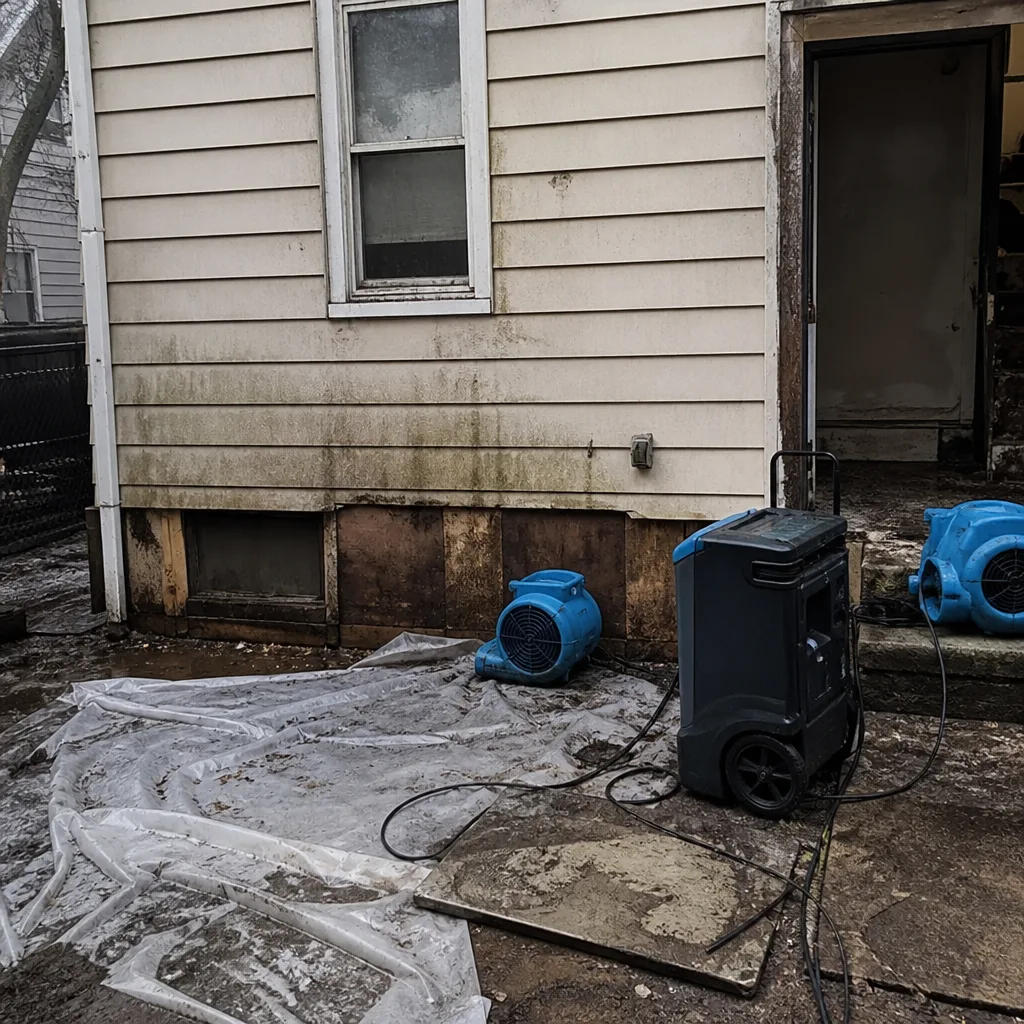 Before
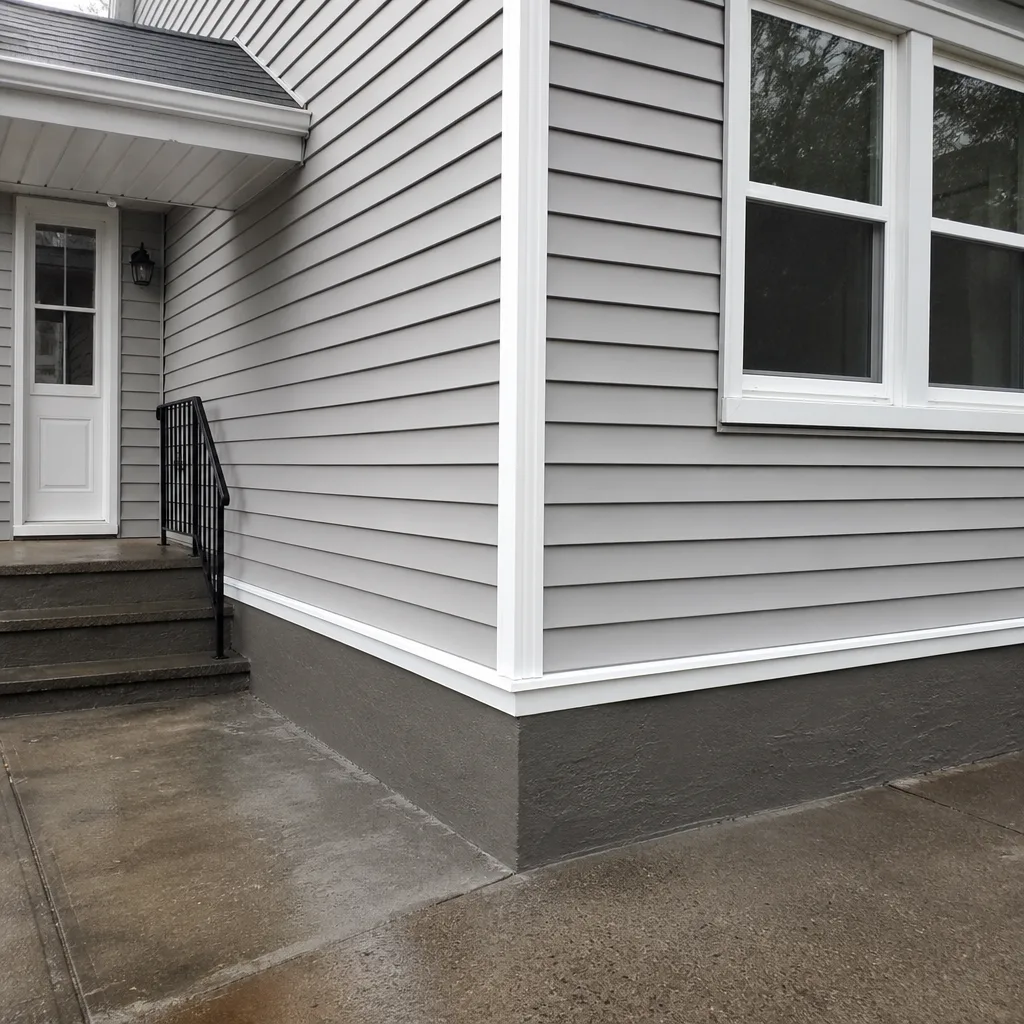 After
After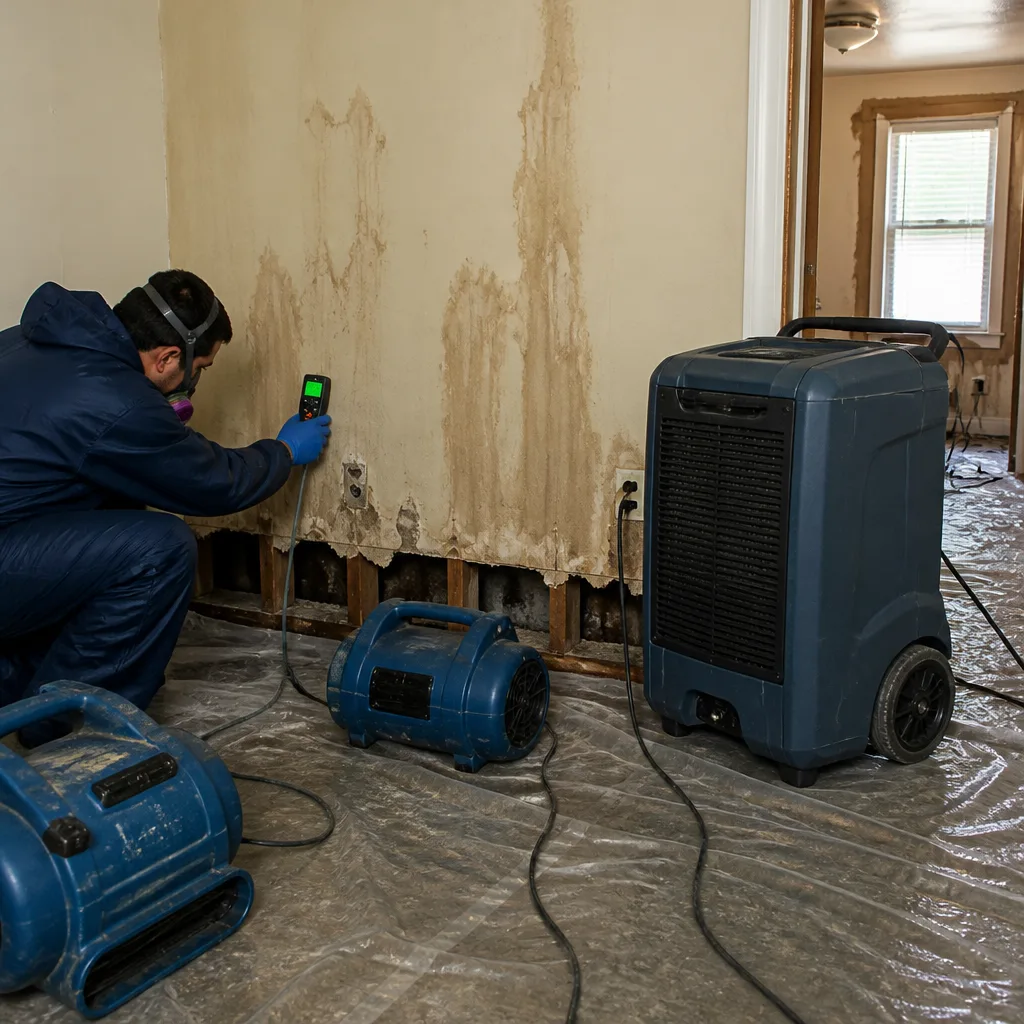 Before
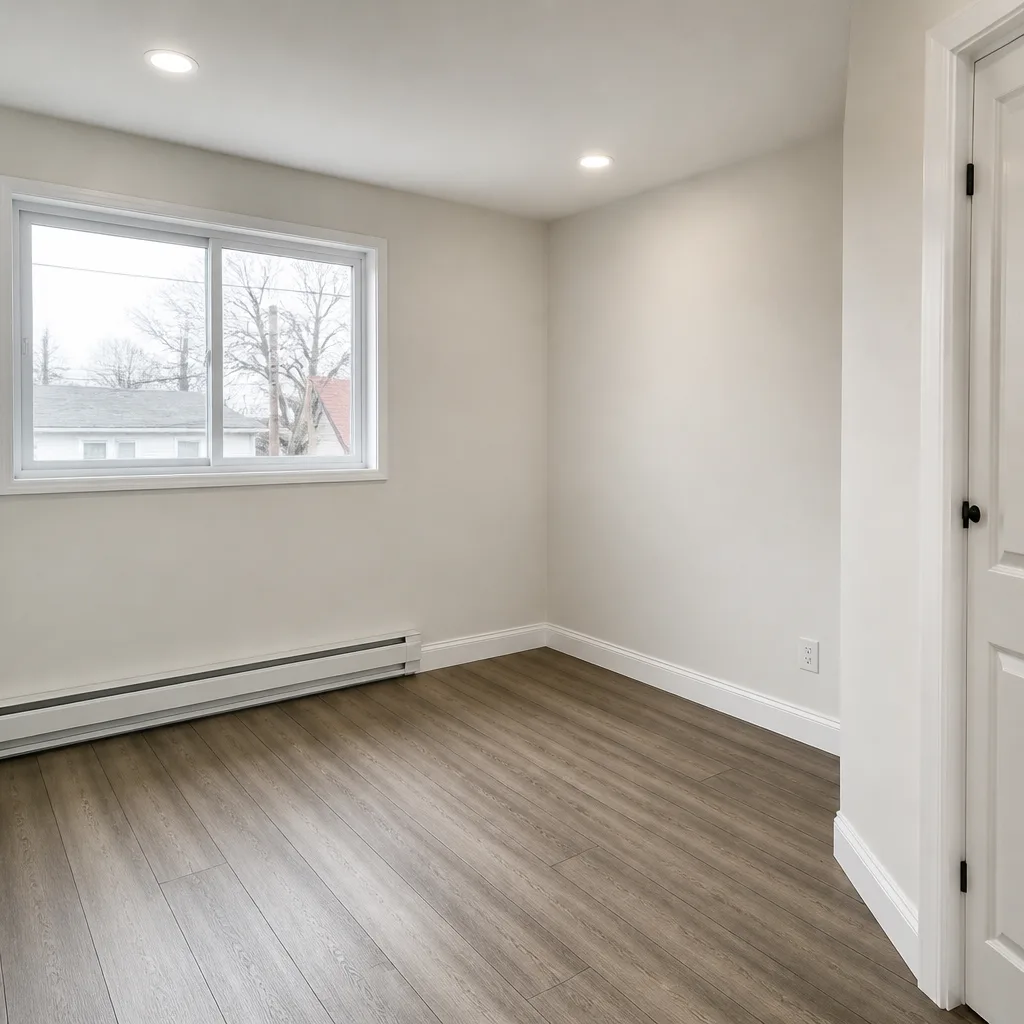 After
After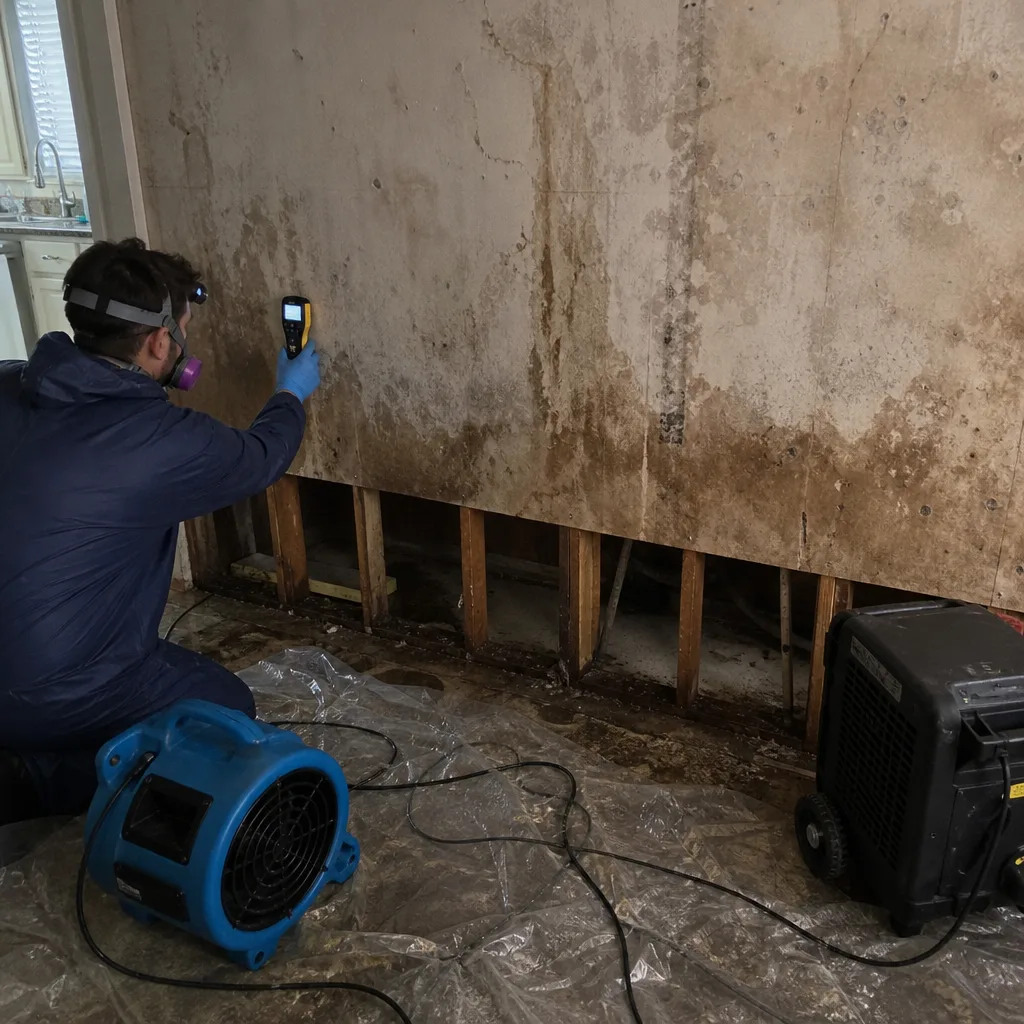 Before
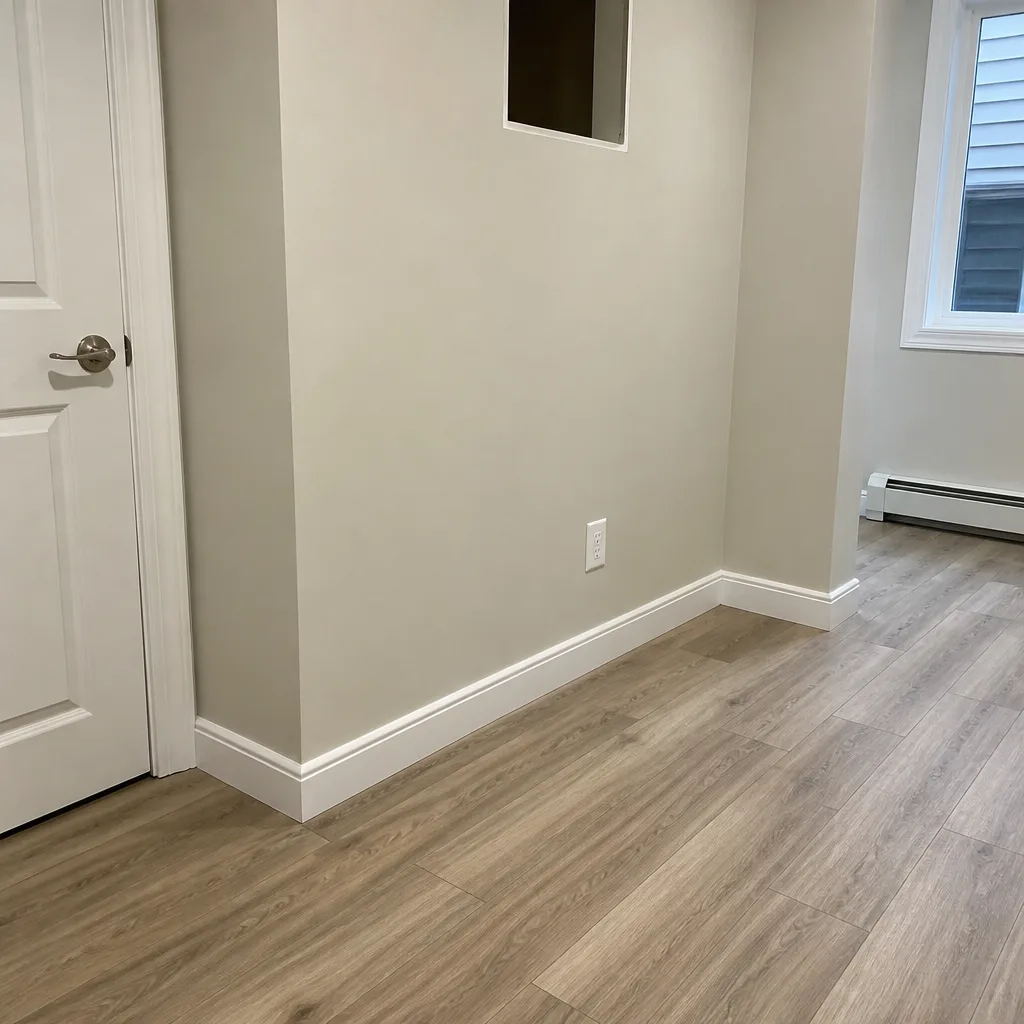 After
After